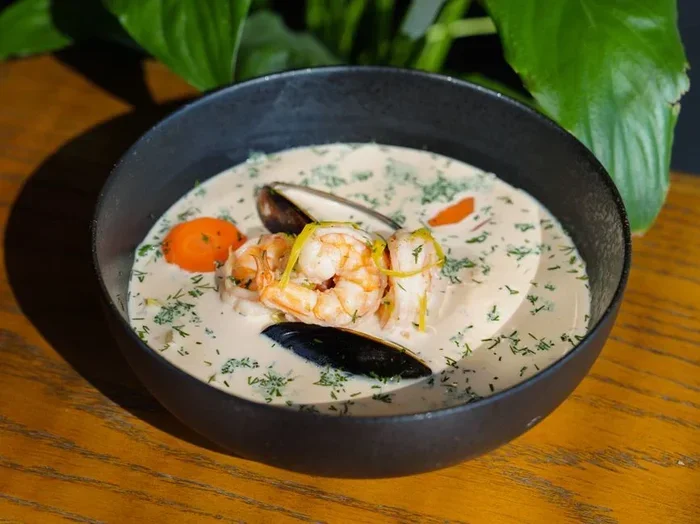
Chowder varieties offer something for every palate, from the rich and creamy New England classic to the bold tomato-based Manhattan version. This guide covers the most popular chowder varieties, regional styles, and practical tips for making the perfect bowl at home. Whether you love seafood, corn, or potato-based soups, you will find everything you need to explore the world of chowder.
Few foods feel as warm and satisfying as a steaming bowl of chowder. Whether you are curling up on a cold winter night or looking for a comforting meal any time of year, chowder varieties give you endless options to explore. This thick, hearty soup has been a staple in coastal kitchens for centuries, and today it comes in more styles than most people realize.
If you think chowder is just one recipe, think again. From the creamy richness of New England clam chowder to the lighter, broth-based versions found in Rhode Island, every region brings its own twist. In this guide, we will walk you through the most beloved chowder varieties, share tips for making them at home, and highlight the ingredients that make each one special.
By the end of this article, you will know how to tell a Manhattan chowder from a New England version, what makes a chowder creamy versus clear, and how to whip up a delicious pot in your own kitchen. Let us dive into the wonderful world of chowder varieties and find your new favorite soup.
Key Takeaways
- Diverse Styles: Chowder varieties range from creamy New England clam chowder to lighter Rhode Island clear chowder and tomato-based Manhattan chowder.
- Global Influence: Many cultures have their own version of chowder, including French, Portuguese, and Caribbean-inspired recipes.
- Key Ingredients Matter: Salt pork, fresh seafood, cream, and hearty vegetables form the backbone of great chowder.
- Easy to Customize: Chowder recipes are flexible and adapt well to dietary preferences like vegetarian or gluten-free options.
- Common Mistakes Are Easy to Avoid: Overcooking seafood, using the wrong dairy, and skipping the roux can ruin a good pot of chowder.
- Perfect for Any Season: Chowder is a year-round comfort food that works beautifully in both cold winters and warm summer evenings.
📑 Table of Contents
- What Are Chowder Varieties and Why They Matter
- Classic Chowder Varieties You Must Try
- Regional Chowder Styles From Around the World
- How to Make the Perfect Chowder at Home
- Best Ingredients for Amazing Chowder Varieties
- Common Mistakes to Avoid When Making Chowder
- Quick Tips for Chowder Lovers
- Conclusion
What Are Chowder Varieties and Why They Matter
Chowder varieties refer to the many different styles and regional takes on this classic soup. At its core, chowder is a thick, hearty soup that usually includes seafood, potatoes, cream, and vegetables. But the way different cultures and regions prepare it varies widely, giving us a rich tapestry of flavors and textures.
The word “chowder” itself comes from the French word “chaudière,” which means cauldron. Early settlers brought the concept to North America, where it evolved into the many beloved versions we enjoy today. Understanding these chowder varieties helps you appreciate the history and craftsmanship behind each bowl.
What makes exploring chowder varieties so exciting is that no two recipes are exactly alike. Some lean heavily on dairy for a rich, velvety texture. Others use tomatoes or clear broth for a lighter feel. And many incorporate local seafood and seasonal vegetables that reflect the area where they originated. This diversity is what keeps chowder interesting season after season.
The Building Blocks of Every Great Chowder
While chowder varieties differ in ingredients and style, most share a few common foundations. A good roux made from butter and flour gives body to creamy chowders. Salt pork or bacon adds a smoky depth. Fresh seafood, potatoes, onions, and celery form the vegetable and protein base. And dairy options like heavy cream, whole milk, or even evaporated milk create that signature silky texture.
Once you understand these basics, you can start experimenting with your own chowder recipes. The beauty of chowder is that it welcomes creativity. You can swap in different proteins, adjust the creaminess, or add seasonal produce to make the soup your own.
Classic Chowder Varieties You Must Try
Some chowder styles have stood the test of time and earned a permanent spot on menus across the country. These classic chowder varieties are the ones you will find in most seafood restaurants and home kitchens. Each one brings something unique to the table.
New England Clam Chowder
When most people think of chowder, they picture a thick, creamy bowl of New England clam chowder. This is arguably the most famous of all chowder varieties. It features tender clams, diced potatoes, onions, and celery, all simmered in a rich cream or milk base. Salt pork or bacon adds a savory depth that ties everything together.
The key to an outstanding New England clam chowder is patience. The clams should be cooked just until they open, and the broth should be smooth and velvety. Many cooks also add a splash of white wine or a touch of thyme for extra flavor. Serve it with oyster crackers and a side of crusty chowder bread for the full experience.
Creamy Corn Chowder
Not all chowder varieties rely on seafood. Corn chowder is a beloved vegetarian-friendly option that highlights sweet corn kernels in a creamy base. Potatoes give it body, and bacon or salt pork adds a smoky crunch. Some versions include diced jalapeños or a touch of cheese for a spicy kick.
Creamy corn chowder is especially popular in the summer when fresh corn is at its sweetest. It is also one of the easiest chowder recipes to make at home because the ingredients are simple and widely available. A splash of cream or evaporated milk at the end brings everything together into a luscious, comforting soup.
Seafood Chowder
Seafood chowder is a broad category that encompasses many chowder varieties made with mixed fish and shellfish. Common choices include shrimp, scallops, cod, and crab. The soup base can be creamy or broth-based, and vegetables like carrots, peas, and corn often make an appearance.
What makes seafood chowder so versatile is that you can use whatever catch is freshest. This is a great way to use up leftover seafood or to create a luxurious soup from a market haul. A squeeze of lemon and a sprinkle of fresh dill finish the dish beautifully.
Regional Chowder Styles From Around the World
One of the most fascinating things about chowder varieties is how they differ from region to region. Each area puts its own spin on the basic concept, using local ingredients and time-honored techniques. Let us take a tour of some of the most notable regional styles.
Rhode Island Clear Chowder
Rhode Island is famous for its clear chowder, which skips the cream entirely. Instead, this version uses a light fish or seafood broth, potatoes, onions, and sometimes clams. The result is a clean, flavorful soup that lets the taste of the sea shine through. It is a lighter alternative to creamy chowders and is especially popular in summer months.
Manhattan Chowder
Manhattan chowder is the tomato-based rival to New England’s creamy version. It gets its signature red color from tomatoes or tomato paste and often includes a mix of clams, vegetables, and herbs. Some cooks add a touch of sherry or white wine for depth. While New England purists may debate its merits, Manhattan chowder has a loyal following and a bright, tangy flavor that stands on its own.
International Chowder Inspirations
Chowder is not limited to the United States. French bouillabaisse shares many similarities with seafood chowder, featuring a rich broth loaded with fish and shellfish. Portuguese caldeirada is another close cousin, a hearty fish stew with potatoes, tomatoes, and peppers. In the Caribbean, you will find chowders made with okra, coconut milk, and local spices, showing how adaptable the basic concept truly is.
Exploring these international chowder varieties is a fantastic way to expand your culinary horizons. Each culture brings its own ingredients and techniques, but the soul of the dish remains the same: a warm, nourishing soup made with care.
How to Make the Perfect Chowder at Home
Making chowder at home is easier than most people think. With a few key techniques and quality ingredients, you can create restaurant-worthy chowder varieties right in your own kitchen. Here is a practical guide to getting started.
Essential Tools and Equipment
You do not need fancy equipment to make great chowder. A heavy-bottomed pot or Dutch oven works best because it distributes heat evenly. A good sharp knife and cutting board are essential for prepping vegetables. And a wooden spoon or spatula helps you build the roux without sticking.
Beyond the basics, a few extra tools can make the process smoother. A fine-mesh strainer helps you achieve a silky smooth broth if you prefer a refined texture. A ladle makes serving easy, and airtight storage containers let you enjoy leftovers the next day.
Step-by-Step Cooking Tips
Start by rendering your salt pork or bacon until the fat is released. This forms the flavorful base for your soup. Add diced onions, celery, and carrots, and cook until softened. Sprinkle in flour to create a roux, stirring constantly for a minute or two. Slowly add your broth or milk, whisking to prevent lumps.
Next, add your main ingredients. Potatoes and protein go in first because they need more time to cook. Simmer until the potatoes are tender and the seafood is cooked through. Finish with cream, butter, or cheese, and season with salt, pepper, and fresh herbs. Remember, chowder thickens as it sits, so keep that in mind when serving the next day.
Best Ingredients for Amazing Chowder Varieties
The quality of your ingredients makes all the difference when it comes to chowder varieties. Choosing fresh, seasonal produce and high-quality proteins elevates a simple soup into something extraordinary. Here is what to look for and why it matters.
The Role of Cream and Dairy
Dairy is what sets creamy chowders apart from their broth-based cousins. Heavy cream gives the richest texture, while evaporated milk offers a slightly lighter option that still feels indulgent. Whole milk works well for everyday chowder, and a splash of half-and-half can soften the intensity of a tomato-based Manhattan chowder.
Butter also plays a starring role. It enriches the roux and adds a velvety finish to the soup. For the best results, use unsalted butter so you can control the seasoning. Cheese, particularly sharp cheddar, can be stirred in at the end for a decadent twist on traditional recipes.
Choosing the Right Seafood and Vegetables
Freshness is everything when selecting seafood for your chowder varieties. Clams should be alive and tightly closed before cooking. Shrimp should smell clean and ocean-like, never fishy. Cod, haddock, and salmon are excellent fish choices that hold their shape in a simmering pot.
For vegetables, russet potatoes are the classic choice because they break down slightly and thicken the soup naturally. Onions, celery, and carrots form the aromatic base. Fresh thyme, bay leaves, and parsley add brightness without overpowering the dish. And do not forget the oyster crackers on top, a traditional garnish that adds a satisfying crunch.
Common Mistakes to Avoid When Making Chowder
Even experienced cooks can stumble when preparing chowder varieties. Being aware of common pitfalls helps you avoid them and results in a much better bowl of soup every time.
One of the biggest mistakes is overcooking the seafood. Shrimp and fish become rubbery and tough when simmered too long. Add delicate seafood toward the end of cooking and let it warm through gently. Another mistake is rushing the roux. A proper roux needs time to cook out the raw flour taste, so stir it patiently over medium heat for at least a minute before adding liquids.
Using low-quality dairy or substituting with non-dairy creamers can also dull the flavor of your chowder. The fat content in real cream or whole milk contributes to both taste and texture. Finally, seasoning at the wrong time can lead to an underwhelming result. Taste and adjust your salt, pepper, and herbs throughout the cooking process, not just at the end.
Quick Tips for Chowder Lovers
- Make it ahead: Chowder often tastes even better the next day as flavors meld together. Store it in the fridge for up to three days.
- Freeze for later: Most chowders freeze well. Just hold back the cream until you reheat the soup.
- Add a splash of acid: A squeeze of lemon juice or a dash of vinegar at the end brightens the flavors and balances richness.
- Experiment with herbs: Fresh dill, chives, and tarragon all pair beautifully with different chowder varieties.
- Serve with bread: A warm slice of sourdough or cornbread makes the perfect accompaniment to any chowder.
Conclusion
Chowder varieties offer a delicious journey through regional traditions, classic recipes, and creative new twists. Whether you prefer the creamy comfort of New England clam chowder, the bright tang of Manhattan style, or a lighter clear broth from Rhode Island, there is a chowder out there for everyone. The beauty of this soup lies in its simplicity and its willingness to adapt to whatever ingredients you have on hand.
Now that you know the ins and outs of the most popular chowder varieties, it is time to get cooking. Start with a classic recipe and then experiment with different proteins, vegetables, and seasonings. Share a pot with family and friends, and enjoy the warmth that only a well-made bowl of chowder can bring. Your next favorite soup is just one recipe away.
Frequently Asked Questions
What are the most popular chowder varieties?
The most popular chowder varieties include New England clam chowder, Manhattan clam chowder, creamy corn chowder, Rhode Island clear chowder, and seafood chowder with mixed fish and shellfish. Each style has its own loyal fan base and unique flavor profile.
What makes New England chowder different from Manhattan chowder?
New England chowder uses a creamy, milk-based broth with clams, potatoes, and salt pork, while Manhattan chowder uses a tomato-based broth for a lighter, tangier flavor. The two styles represent opposite ends of the chowder varieties spectrum and spark friendly debates among soup lovers.
Can I make chowder without seafood?
Absolutely! Many chowder varieties are vegetarian-friendly, such as corn chowder, potato chowder, and mushroom chowder. Simply swap the seafood for extra vegetables, beans, or tofu, and adjust the broth accordingly for a satisfying meat-free meal.
How long does homemade chowder last in the fridge?
Homemade chowder keeps well in the refrigerator for up to three to four days when stored in an airtight container. The flavors often deepen overnight, making it a great make-ahead meal. Just add any fresh dairy or cream when reheating for the best texture.
What is the best bread to serve with chowder?
Sourdough, crusty French bread, and traditional chowder bread are the top choices for serving alongside chowder varieties. The bread serves both as a flavorful accompaniment and as a practical tool for soaking up every last drop of the creamy soup.
Can I freeze chowder for later use?
Yes, most chowders freeze well for up to three months. It is best to freeze the soup without any dairy additions and stir in the cream or milk when you reheat it. This keeps the texture smooth and prevents the dairy from separating during the thawing process.