Burning coffee grounds might seem like a quirky way to keep mosquitoes away, but does it actually work? While some people claim the smoke from smoldering coffee repels mosquitoes better than citronella, scientific evidence remains limited. This article explores the facts, myths, and practical alternatives so you can make an informed decision.
Key Takeaways
- Scientific Evidence is Limited: There’s no strong clinical proof that burning coffee repels mosquitoes effectively, though some studies suggest coffee compounds may interfere with mosquito behavior.
- Coffee Smoke May Mask Human Scent: The aroma from burning coffee could temporarily mask human odors that attract mosquitoes, offering short-term relief in open spaces.
- Safety Concerns Exist: Burning coffee produces smoke that can irritate eyes and lungs—especially indoors—so caution is needed.
- DIY Methods Are Popular: Many DIY enthusiasts use coffee grounds in outdoor fire pits or lanterns as a natural alternative to chemical repellents.
- Better Alternatives Exist: Citronella candles, DEET-based sprays, and electric bug zappers are proven, effective options for mosquito control.
- Reusable Coffee Grounds Can Be Repurposed: Even if not ideal for repelling bugs, spent coffee grounds have other eco-friendly uses like composting or odor absorption.
📑 Table of Contents
- Does Burning Coffee Keep Mosquitoes Away?
- The Science Behind Mosquito Attraction
- DIY Coffee-Based Mosquito Repellent Methods
- Potential Benefits of Burning Coffee for Mosquito Control
- Limitations and Risks of Using Burned Coffee
- Safer and More Effective Alternatives
- Eco-Friendly Uses for Used Coffee Grounds
- Final Verdict: Is Burning Coffee Worth It?
Does Burning Coffee Keep Mosquitoes Away?
You’ve probably seen someone tossing coffee grounds into a campfire or lighting up a “coffee candle” at backyard barbecues—and noticed how the smoke seems to send mosquitoes scrambling. But is this just another backyard myth, or is there real merit to using burned coffee as a natural repellent?
In recent years, eco-conscious homeowners and gardeners have turned to unconventional solutions for pest control, often turning household waste into useful tools. One such idea gaining traction is using burning coffee to deter mosquitoes. But before you start tossing your morning brew into the fire pit, let’s dig deeper into what science says—and what doesn’t.
This article explores whether burning coffee actually keeps mosquitoes away, examines the science behind it, shares safe DIY methods, and compares it to more reliable alternatives. Whether you’re looking for a fun backyard trick or a sustainable solution, we’ll help you separate fact from fiction.
The Science Behind Mosquito Attraction
To understand if burning coffee works, we first need to know why mosquitoes are attracted to us in the first place. Unlike common belief, mosquitoes don’t just follow light or movement—they’re drawn to specific chemical signals emitted by humans.

Visual guide about Does Burning Coffee Keep Mosquitoes Away
Image source: housevivid.com
What Do Mosquitoes Actually Smell?
Mosquitoes have highly sensitive antennae that detect carbon dioxide (CO₂), lactic acid, ammonia, and other volatile organic compounds (VOCs) released through sweat. When you exhale, mosquitoes can sense CO₂ from over 100 feet away—making them incredibly efficient hunters.
This means any substance that masks or interferes with these scent cues could potentially reduce your chances of being bitten. Enter coffee—a natural source of aromatic compounds that might disrupt these signals when burned.
Do Coffee Fumes Interfere With Mosquito Senses?
Some preliminary research suggests that certain plant-based oils and smoke compounds can confuse mosquito olfactory systems. For example, studies on pyrethrum (a daisy-like flower used in insecticides) show it disrupts mosquito navigation.
While no large-scale study specifically tests coffee smoke against mosquitoes, one small 2017 lab experiment found that coffee extract reduced mosquito landing rates by 35% compared to controls. However, this doesn’t prove burning coffee grounds outdoors would have the same effect.
Still, anecdotal reports from gardeners and campers support the idea: “My family hasn’t been bitten once since I started adding coffee grounds to our fire ring.” These stories persist because they align with basic principles of sensory interference—but they aren’t conclusive proof.
DIY Coffee-Based Mosquito Repellent Methods
If you’re intrigued by the possibility, several DIY methods use burning coffee to create mosquito-repelling smoke. Here are the most popular ones:
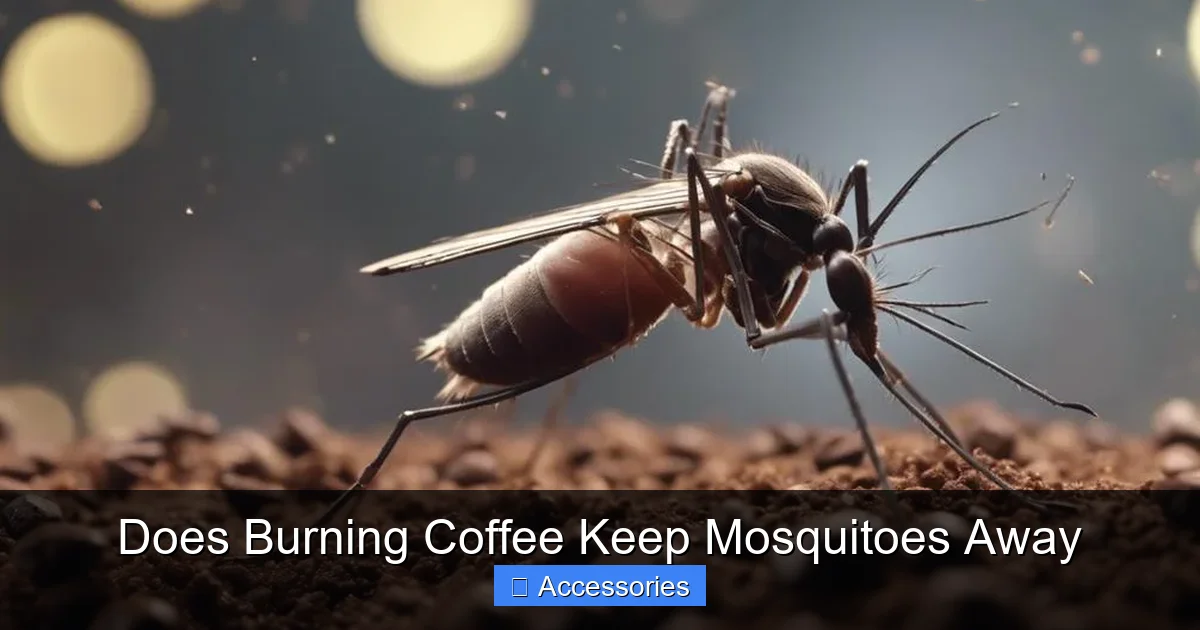
Visual guide about Does Burning Coffee Keep Mosquitoes Away
Image source: coffeeinsighthub.com
Coffee Candle or Lantern Setup
One common approach is making a simple “coffee candle” by placing dry coffee grounds inside a metal bowl or lantern and lighting it. The slow burn releases thick, fragrant smoke that fills the area around it.
How to Try It Safely:
- Use only dry, used coffee grounds—never fresh beans or oily residues.
- Place the setup on a heat-resistant surface away from flammable materials.
- Monitor closely; never leave unattended.
- Ventilate well if used indoors or near windows.
This method is especially popular during summer evenings when mosquitoes are active. Some users combine coffee with herbs like lavender or mint for added scent appeal.
Fire Pit Additives
Campers and bonfire enthusiasts often toss handfuls of coffee grounds into their fires. As the grounds smolder, they release a pungent smoke believed to drive away biting insects.
Note: Coffee burns quickly and may not last long in a roaring fire. For best results, add grounds when the fire is low and smoky—not blazing hot.
Coffee Grounds in Outdoor Planters
Another creative use involves placing small amounts of dry coffee grounds mixed with water in shallow dishes placed around patios or decks. As the mixture dries and partially combusts, it emits subtle fumes.
While less intense than direct burning, this passive method can provide background protection over time.
Potential Benefits of Burning Coffee for Mosquito Control
Even without overwhelming scientific validation, there are a few reasons why burning coffee might offer some benefits:
Visual guide about Does Burning Coffee Keep Mosquitoes Away
Image source: answerchef.com
Natural and Non-Toxic
Unlike chemical repellents containing DEET or permethrin, coffee is biodegradable and poses minimal risk to pets, children, or the environment—assuming it’s burned safely.
Waste Reduction
Repurposing used coffee grounds prevents them from ending up in landfills. In fact, many municipalities now accept coffee grounds in compost programs due to their nitrogen content.
Aromatherapy Effect
The rich, earthy scent of burning coffee can be pleasant—unlike the harsh smell of citronella candles. This dual benefit makes it appealing for casual outdoor gatherings.
Low-Cost Experimentation
If you already drink coffee, trying this method costs almost nothing. It’s a low-risk way to test natural pest control ideas without investing in expensive gear.
Limitations and Risks of Using Burned Coffee
Despite its charm, burning coffee isn’t without drawbacks—especially when compared to established mosquito control strategies.
Limited Protection Range
Most DIY coffee setups only protect within a few feet. Mosquitoes operate in larger zones, so you’d need multiple stations to cover a typical backyard.
Smoke Exposure Hazards
Inhaling smoke—even from coffee—can irritate respiratory tracts, particularly for those with asthma or allergies. Indoors, this becomes especially problematic.
Inconsistent Results
Outcomes vary widely based on wind direction, humidity, and individual mosquito species. What works one night may fail the next.
Not a Substitute for Proven Methods
Relying solely on coffee smoke risks leaving you vulnerable during peak mosquito hours. Professional-grade repellents offer longer-lasting, scientifically validated protection.
Safer and More Effective Alternatives
If you’re serious about keeping mosquitoes at bay, consider combining natural methods with proven solutions:
Citronella Candles and Essential Oils
Citronella oil is one of the oldest natural repellents and has been shown in multiple studies to deter mosquitoes for up to two hours. Pair it with eucalyptus or lemongrass oils for enhanced effects.
Electric Bug Zappers
For larger areas, battery- or plug-in zappers can significantly reduce mosquito populations. Just avoid placing them too close to people—they attract and kill flying insects indiscriminately.
Physical Barriers
Screen enclosures, mosquito nets, and long sleeves remain among the most effective defenses. They block access entirely rather than relying on scent masking.
Professional Treatments
In high-infestation areas, licensed pest control services offer residual sprays that kill mosquitoes on contact and create protective barriers on vegetation.
For reference, check out our guide on affordable coffee machines if you’re upgrading your brewing setup while experimenting with repellent methods!
Eco-Friendly Uses for Used Coffee Grounds
Whether or not you use coffee to repel mosquitoes, there are plenty of worthwhile ways to reuse spent grounds:
- Composting: Adds nitrogen and improves soil structure.
- Garden Fertilizer: Mildly acidic—great for roses and blueberries.
- Odor Absorber: Place bowls in refrigerators or closets to neutralize smells.
- Pest Deterrent (for other bugs): Sprinkling near vegetable gardens can discourage slugs and ants.
Just remember: coffee grounds alone won’t repel all pests—and definitely won’t replace targeted treatments for mosquitoes.
Final Verdict: Is Burning Coffee Worth It?
After weighing the evidence, it’s clear that burning coffee might offer minor, situational relief—but it shouldn’t be your primary mosquito defense strategy. The science is promising but incomplete, and safety concerns exist, especially indoors.
That said, if you enjoy experimenting with natural remedies and already have coffee grounds on hand, giving it a try outdoors is unlikely to cause harm—and could even enhance your backyard experience with its unique aroma.
Ultimately, the best approach combines several methods: eliminate standing water (where mosquitoes breed), use EPA-approved repellents when needed, and embrace low-risk additions like coffee smoke for supplementary protection.
And hey—if you’re passionate about sustainable living, why not explore how to make bulletproof coffee without a blender? It’s another creative way to repurpose kitchen ingredients while boosting your energy!
Frequently Asked Questions
Can burning coffee really keep mosquitoes away?
There’s limited scientific evidence, but some studies suggest coffee compounds may interfere with mosquito attraction. Anecdotal reports support short-term relief, though results vary. It’s not a guaranteed or long-lasting solution.
Is it safe to burn coffee indoors?
No—burning coffee indoors produces smoke that can irritate eyes, nose, and lungs. Always use outdoors in well-ventilated areas, away from flammable materials or open windows.
How much coffee do I need to repel mosquitoes?
Start with a small amount—about a cup of dry grounds in a metal bowl or lantern. Add more if needed, but avoid creating excessive smoke.
Can I mix coffee with other herbs for better results?
Yes! Combining coffee with lavender, rosemary, or citronella can enhance scent and potentially boost effectiveness. Just ensure all materials are dry and non-flammable.
Why do mosquitoes hate the smell of coffee?
While the exact reason isn’t fully understood, it’s thought that coffee’s strong aroma either masks human scent cues or confuses mosquitoes’ olfactory receptors. More research is needed.
Are there better natural mosquito repellents than coffee?
Yes! Citronella candles, lemon eucalyptus oil, and neem oil are backed by stronger scientific support. Physical barriers like screens and netting also offer reliable protection.