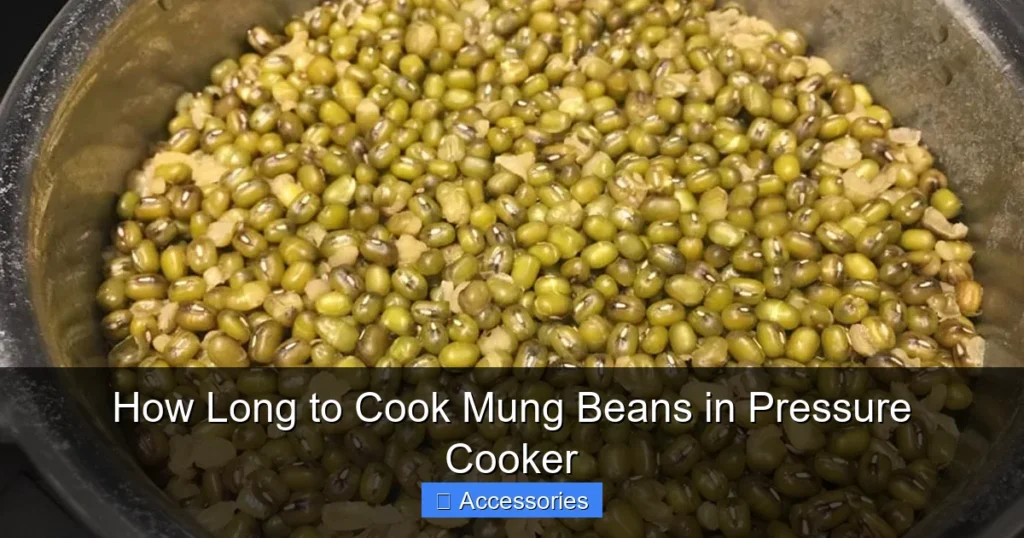
How long to cook mung beans in a pressure cooker? The answer is usually 5 to 10 minutes under high pressure, depending on whether they’re soaked or dried. This quick method preserves nutrients and delivers perfectly cooked beans for soups, stews, or salads. With the right technique, you’ll avoid mushy or undercooked beans and get consistent results every time.
Key Takeaways
- Soaking reduces cook time: Soaked mung beans cook faster—typically 5–7 minutes—while dry beans need 8–10 minutes under pressure.
- Pressure matters: High pressure (15 psi) ensures even cooking; low pressure may leave beans underdone.
- Quick release works best: A natural or quick release after cooking helps prevent beans from turning mushy.
- Always add salt last: Adding salt too early can toughen beans and extend cook time slightly.
- Check doneness: Test with a fork—beans should be tender but not falling apart.
- Use the right ratio: A general rule is 1 cup of beans to 2.5–3 cups of water or broth.
- Safety first: Always follow your pressure cooker manual and never overfill beyond the max line.
📑 Table of Contents
- How Long to Cook Mung Beans in Pressure Cooker: Your Complete Guide
- Why Use a Pressure Cooker for Mung Beans?
- How Long Does It Take? The Basics
- Step-by-Step Guide to Perfectly Cooked Mung Beans
- Common Mistakes and How to Avoid Them
- Tips for Using Different Types of Pressure Cookers
- Creative Ways to Use Cooked Mung Beans
- Storing and Reheating Leftover Mung Beans
- Frequently Asked Questions About Cooking Mung Beans
- Final Thoughts: Mastering Mung Bean Cooking
How Long to Cook Mung Beans in Pressure Cooker: Your Complete Guide
Mung beans are a nutritional powerhouse—packed with protein, fiber, and essential vitamins. Whether you’re making dal, sprouts, or a hearty bean soup, knowing how to cook them perfectly in a pressure cooker makes all the difference. Unlike traditional slow-cooking methods, a pressure cooker cuts down preparation time dramatically while preserving flavor and texture. But here’s the catch: getting it wrong can lead to mushy beans or uneven cooking. So, how long does it really take?
In this article, we’ll walk you through everything you need to know about cooking mung beans in a pressure cooker. From soaking techniques to pressure settings, we’ll cover the science, share pro tips, and help you achieve foolproof results every time. Whether you’re a beginner or a seasoned home chef, these insights will transform your kitchen routine.
Why Use a Pressure Cooker for Mung Beans?
If you’ve ever boiled mung beans on the stove, you know they can take anywhere from 45 minutes to over an hour to become tender. That’s a lot of waiting! A pressure cooker changes the game by using steam and high pressure to cook food faster. For mung beans, this means you can go from raw to ready in under 10 minutes.
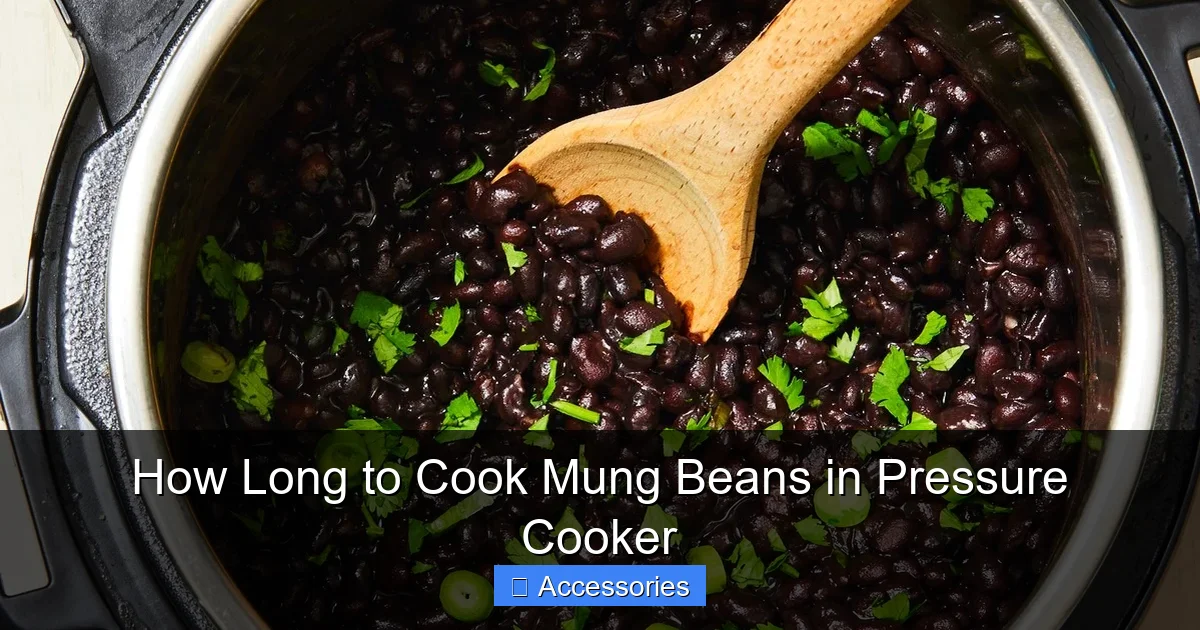
Visual guide about How Long to Cook Mung Beans in Pressure Cooker
Image source: storables.com
The Science Behind Faster Cooking
Under pressure, water boils at a higher temperature—usually around 250°F (121°C). This increased heat breaks down the bean’s cell walls more efficiently, reducing cooking time significantly. Plus, the sealed environment traps moisture, which helps retain nutrients that might otherwise leach out during long simmering.
Nutritional Benefits Preserved
Because pressure cooking uses less water and shorter times than boiling, it helps preserve water-soluble vitamins like B-complex and vitamin C. It also minimizes oxidation, keeping the beans vibrant green and nutrient-rich.
How Long Does It Take? The Basics
The short answer: 5 to 10 minutes under high pressure, depending on your beans and cooker model. Let’s break it down.
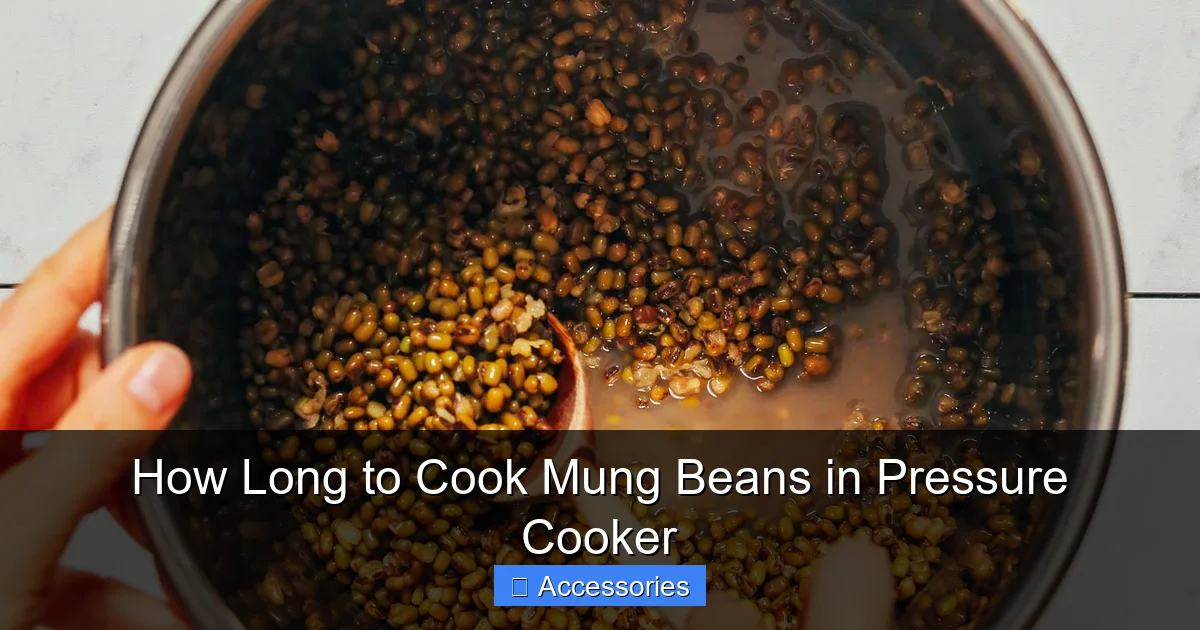
Visual guide about How Long to Cook Mung Beans in Pressure Cooker
Image source: minimalistbaker.com
For Dry Mung Beans (Unsoaked)
If you’re using whole, dry mung beans, plan for 8 to 10 minutes under high pressure. Start by rinsing the beans thoroughly to remove any debris or dust. Then, add them to the pressure cooker with enough liquid—typically 2.5 to 3 cups of water or broth per cup of beans.
Here’s a quick example: If you’re cooking 1 cup of dry mung beans, use 2.5 cups of liquid. Add a pinch of baking soda (optional) to reduce cooking time slightly and improve texture. Close the lid, set the valve to sealing, and bring to high pressure. Once pressure builds, reduce heat to maintain steady pressure and cook for 8–10 minutes.
For Soaked Mung Beans
Soaking softens the beans and cuts cook time nearly in half. To soak, place dry mung beans in a bowl, cover with water, and let sit for 4–6 hours (or overnight). Drain and rinse before cooking.
With soaked beans, you’ll only need 5 to 7 minutes under high pressure. This is especially helpful if you’re short on time or want to speed up meal prep. Just remember: soaked beans absorb more water, so monitor the level to ensure there’s still enough liquid during cooking.
Step-by-Step Guide to Perfectly Cooked Mung Beans
Ready to try it yourself? Follow these simple steps for foolproof results.
Visual guide about How Long to Cook Mung Beans in Pressure Cooker
Image source: i.ytimg.com
Step 1: Prepare the Beans
Start by sorting through your mung beans. Remove any stones, shriveled beans, or discolored ones. Rinse under cold running water until the water runs clear. This removes dirt and improves texture.
Step 2: Add Liquid and Seasonings
Add rinsed beans to the inner pot of your pressure cooker. Pour in water or broth—aim for about 2.5 cups per cup of beans. You can also add aromatics like onions, garlic, or bay leaves for extra flavor, though this is optional for plain bean dishes.
Pro Tip: Never add salt before pressure cooking. Salt can toughen beans and increase cook time. Add it after the beans are fully cooked.
Step 3: Seal and Pressure Cook
Close the lid securely and turn the pressure release valve to the sealing position. Select high pressure and set the timer based on your beans’ condition:
- Dry, unsoaked: 8–10 minutes
- Soaked: 5–7 minutes
Once the cook time ends, let the pressure release naturally for 10–15 minutes. Then, do a quick release to vent any remaining steam. This two-stage release prevents beans from exploding into mush.
Step 4: Test for Doneness
Open the lid carefully and test a few beans with a fork. They should be tender but still hold their shape. If they’re crunchy, cook for another minute or two. If they’re falling apart, they’ve overcooked.
Common Mistakes and How to Avoid Them
Even experienced cooks make mistakes when pressure cooking beans. Here are the most common pitfalls—and how to fix them.
Overfilling the Cooker
Never fill your pressure cooker beyond the manufacturer’s maximum fill line—usually marked at ⅔ full for liquids. Overfilling can block the steam vent and cause dangerous pressure buildup.
Skipping the Soak
While not mandatory, soaking saves time and improves texture. If you skip it, expect longer cook times and slightly firmer beans.
Using Low Pressure
Low pressure (around 10 psi) doesn’t generate enough heat to properly cook mung beans. Stick to high pressure (15 psi) for reliable results.
Opening the Lid Too Soon
Always wait until pressure drops completely before opening. Premature opening can cause burns from escaping steam and ruin the beans’ texture.
Tips for Using Different Types of Pressure Cookers
Not all pressure cookers are created equal. Here’s how to adjust your technique based on your appliance.
Electric vs. Stovetop Models
Electric pressure cookers (like Instant Pots) often have preset programs for beans or legumes. These are convenient but may vary slightly in timing. Stovetop models require manual monitoring, so keep an eye on the heat to maintain steady pressure.
Adjusting for Altitude
If you live above 3,000 feet, water boils at a lower temperature, which can affect cooking time. Increase cook time by 1–2 minutes for every 1,000 feet above sea level.
Using a Tenderizer Setting
Some modern pressure cookers offer a “Tender” or “Manual” setting with extended cook times. While not necessary for mung beans, this can be useful for denser legumes like chickpeas.
Creative Ways to Use Cooked Mung Beans
Once your mung beans are perfectly cooked, the possibilities are endless.
In Soups and Stews
Add cooked mung beans to lentil soup, Thai curries, or Indian dal for extra protein and creaminess. They blend beautifully without overpowering other flavors.
As a Protein in Salads
Cool cooked beans, toss with cucumbers, tomatoes, and herbs, and drizzle with olive oil and lemon juice. A simple, healthy salad that’s ready in minutes.
For Sprouting
If you’re growing mung bean sprouts, cook the beans just until tender, then drain and rinse thoroughly. Place in a sprouting jar with a mesh lid and rinse twice daily until sprouts form.
In Vegan Dishes
Use mung beans as a base for vegan burgers, falafel, or bean paste (like hummus-style spreads). Blend with tahini, garlic, and spices for a rich dip.
Storing and Reheating Leftover Mung Beans
Freshly cooked mung beans keep well in the fridge for up to 5 days. Store in an airtight container with a bit of broth to prevent drying out.
To reheat, add a splash of water to the beans in a saucepan and warm over medium heat, stirring occasionally. Alternatively, microwave in a covered dish with a damp paper towel to retain moisture.
Frequently Asked Questions About Cooking Mung Beans
Can I cook frozen mung beans in a pressure cooker?
Yes, but frozen beans take longer to cook. Add 1–2 extra minutes and ensure there’s enough liquid. However, it’s better to thaw them first for even cooking.
Do I need to soak mung beans before pressure cooking?
No, but soaking reduces cook time and improves texture. If you’re short on time, dry beans work fine—just allow 8–10 minutes under pressure.
Why are my mung beans turning mushy?
This usually happens due to overcooking or improper pressure release. Try reducing cook time by 1–2 minutes and use natural release instead of quick release.
Can I cook mung beans in a slow cooker instead?
Yes, but it takes much longer—typically 6–8 hours on low. Pressure cooking remains the fastest and most efficient method.
How do I know if my mung beans are done?
Test with a fork. They should be tender but still hold their shape. If they mash easily, they’ve overcooked.
Can I reuse leftover bean liquid?
Absolutely! The cooking liquid is packed with nutrients and flavor. Use it in soups, rice dishes, or as a base for sauces.
Final Thoughts: Mastering Mung Bean Cooking
Cooking mung beans in a pressure cooker isn’t just fast—it’s smart. With the right timing and technique, you can enjoy tender, nutritious beans in under 10 minutes. Whether you’re meal-prepping for the week or whipping up a quick side dish, this method saves time without sacrificing quality.
Remember: soak when possible, watch your pressure levels, and always test for doneness. And don’t forget to save that flavorful cooking liquid—it’s a kitchen goldmine!
Now that you know exactly how long to cook mung beans in a pressure cooker, it’s time to put theory into practice. Happy cooking!
Frequently Asked Questions
Can I cook frozen mung beans in a pressure cooker?
Yes, but frozen beans take longer to cook. Add 1–2 extra minutes and ensure there’s enough liquid. However, it’s better to thaw them first for even cooking.
Do I need to soak mung beans before pressure cooking?
No, but soaking reduces cook time and improves texture. If you’re short on time, dry beans work fine—just allow 8–10 minutes under pressure.
Why are my mung beans turning mushy?
This usually happens due to overcooking or improper pressure release. Try reducing cook time by 1–2 minutes and use natural release instead of quick release.
Can I cook mung beans in a slow cooker instead?
Yes, but it takes much longer—typically 6–8 hours on low. Pressure cooking remains the fastest and most efficient method.
How do I know if my mung beans are done?
Test with a fork. They should be tender but still hold their shape. If they mash easily, they’ve overcooked.
Can I reuse leftover bean liquid?
Absolutely! The cooking liquid is packed with nutrients and flavor. Use it in soups, rice dishes, or as a base for sauces.