
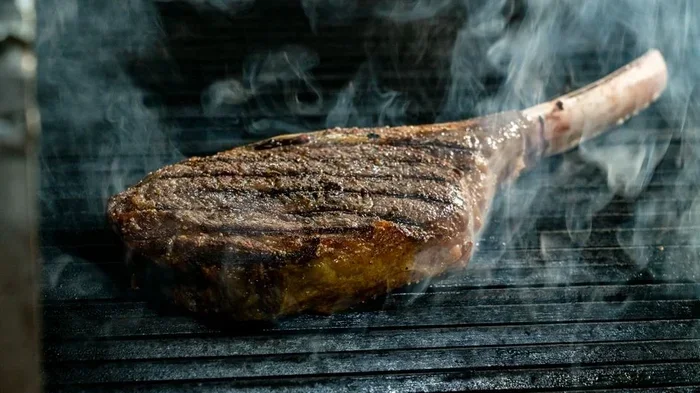
A beef temperature chart medium is your essential guide to cooking steak that is juicy, flavorful, and cooked to perfection. Knowing the right internal temperature for medium steak ensures food safety and the best texture every time. This guide covers temperatures, cooking methods, and tips for steak lovers of all levels.
Key Takeaways
- Medium steak should reach 135-145°F internally: This is the sweet spot for a juicy, pink center with a firm exterior.
- Use a meat thermometer: It is the most reliable way to check doneness and avoid overcooking.
- Rest your steak for 5-7 minutes: This lets juices redistribute and keeps the steak tender.
- Stove-top and grill are top methods: Both deliver great results when you control heat and timing.
- Avoid common mistakes: Skipping the rest, pressing the steak, and not using a thermometer are top errors.
- Steak thickness matters: Thicker cuts need lower heat and more time; thin cuts cook fast.
- Carryover cooking is real: Temperature rises 5-10°F after you remove the steak from heat.
📑 Table of Contents
- What Is Beef Temperature Chart Medium and Why Does It Matter?
- Why Medium Steak Is So Popular
- How to Cook Medium Steak on the Stove
- How to Cook Medium Steak on the Grill
- Common Mistakes When Cooking Medium Steak
- How to Tell If Your Steak Is Really Medium
- Pairing Medium Steak with Side Dishes
- Storing and Reheating Leftover Steak
- FAQ: Your Beef Temperature Chart Medium Questions Answered
What Is Beef Temperature Chart Medium and Why Does It Matter?
A beef temperature chart medium is a simple reference tool that tells you exactly what internal temperature your steak should reach for a perfect medium doneness. It takes the guesswork out of cooking and gives you consistent, reliable results every single time you fire up the grill or stove.
When you cook a steak to medium, you want a pink center that is still juicy but with a firm outer layer. The ideal internal temperature falls between 135°F and 145°F. This range gives you the best balance of flavor, tenderness, and safety.
Why does this matter so much? Because cooking steak is science. Heat changes the protein structure in meat. Too little heat and the steak stays raw. Too much and it dries out. A beef temperature chart medium removes all the guesswork and puts you in control.
Whether you are a beginner or a seasoned cook, understanding steak temperatures transforms your cooking. You will never serve a dry, overcooked steak again. And you will impress everyone at the dinner table with your precision.
Think of a beef temperature chart medium as your personal steak coach. It guides you through every step. It tells you when to pull the steak off heat. It reminds you to rest the meat. Small details like these make a huge difference on your plate.
The Science Behind Medium Doneness
When beef reaches medium temperature, the proteins in the meat start to denature. This means they change shape and texture. The muscle fibers relax slightly, and the juices move toward the center of the steak.
At 135°F, the steak is still very pink inside. The texture is soft but with slight resistance when you press it. By 145°F, the center starts to firm up a bit more. The pink color becomes lighter.
This is the zone where flavor peaks for most steak lovers. The fat has had enough time to melt and baste the meat from within. But the steak has not dried out yet. That is the magic of medium doneness.
Why Medium Steak Is So Popular
Medium steak is the go-to choice for most people. It offers the perfect balance between safety and flavor. The center is pink and juicy, but the meat is cooked enough to satisfy most palates.
Many steakhouse chefs recommend medium because it brings out the best in quality cuts. When the fat renders properly at this temperature, you get a rich, beefy flavor that is hard to beat. The steak stays tender and juicy without being raw or bloody.
Compared to rare steak, medium is safer from a food safety standpoint. Compared to medium-well or well-done, medium preserves the moisture and tenderness that make steak special. It is the Goldilocks zone of steak cooking.
If you have ever wondered why your steak turns out dry when you order it medium-well at a restaurant, now you know. The extra cooking time removes too much moisture. Medium keeps everything in balance.
Medium vs. Other Doneness Levels
Here is how medium compares to other popular doneness levels:
- Rare: 120-125°F. Very red center. Soft texture. Not for everyone.
- Medium-Rare: 130-135°F. Warm red center. The steakhouse favorite.
- Medium: 135-145°F. Pink center. Firm but juicy. The sweet spot.
- Medium-Well: 145-155°F. Slight pink. Firmer texture. Less juicy.
- Well-Done: 155°F+. No pink. Very firm. Often dry.
As you can see, medium sits right in the middle. It is not too rare and not too well-done. It is the most versatile and crowd-pleasing doneness level for beef steak.
How to Cook Medium Steak on the Stove
Cooking a medium steak on the stove is one of the most satisfying things you can do in the kitchen. You need a heavy skillet, a good cut of beef, and a meat thermometer. That is all.
Start by taking your steak out of the fridge about 30 minutes before cooking. This lets it come to room temperature. Cold steak cooks unevenly, and the outside burns before the inside is done.
Pat the steak dry with paper towels. Season it generously with salt and pepper. You can add garlic powder or other spices if you like. The dry surface helps create a great sear.
Heat your skillet over medium-high heat. Add a small amount of oil with a high smoke point. Wait until the oil shimmers before placing the steak in the pan.
Step-by-Step Stove-Top Method
- Place the steak in the hot skillet. Do not move it for 3-4 minutes.
- Flip the steak and cook for another 3-4 minutes for medium thickness.
- Use a meat thermometer to check the internal temperature.
- When it reaches 135°F, pull it off the heat immediately.
- Let the steak rest on a warm plate for 5-7 minutes.
- The temperature will rise 5-10°F during resting. This is called carryover cooking.
After resting, check the temperature again. It should now be in the 140-145°F range, which is perfect medium. The steak will be juicy, pink in the center, and full of flavor.
If you are new to stove-top steak, start with a thicker cut. A 1-inch or 1.5-inch steak is much easier to control than a thin one. Thicker cuts give you more room for error.
Pan-Seared Steak Tips
- Use cast iron if possible: It holds heat beautifully and creates an even crust.
- Do not overcrowd the pan: Cook one steak at a time for best results.
- Baste with butter: Add butter, garlic, and thyme in the last minute for extra richness.
- Sear the edges too: Hold the steak with tongs and sear the fat edges for 30 seconds each.
For more stove-top beef recipes and ideas, check out these quick and healthy stove-top ground beef recipes for inspiration on cooking beef on the stovetop.
How to Cook Medium Steak on the Grill
Grilling a steak to medium is a beloved summer tradition. The open flame adds a smoky flavor that you cannot replicate indoors. But grilling also requires more attention to temperature control.
The key to a perfect grilled medium steak is indirect heat. You want a two-zone fire. One side of the grill should be hot for searing. The other side should be cooler for gentle cooking.
Preheat your grill to high heat. Sear the steak for 2-3 minutes on each side. This builds a beautiful crust. Then move the steak to the cooler side and close the lid.
Grilling Times for Medium Steak
Grilling times vary based on steak thickness and grill temperature. Here is a general guide:
- 1-inch thick steak: 4-5 minutes total after searing on indirect heat.
- 1.5-inch thick steak: 6-8 minutes total after searing on indirect heat.
- 2-inch thick steak: 8-10 minutes total after searing on indirect heat.
Always use a meat thermometer to check the internal temperature. Do not rely on timing alone. Every grill is different, and weather conditions affect cooking time.
When the steak reaches 135°F, take it off the grill. Let it rest for 5-7 minutes. The carryover cooking will bring it up to the perfect medium range of 140-145°F.
Grilling also works well with thicker cuts like ribeye or strip steak. These cuts have more marbling, which keeps them juicy even at medium doneness. The fat melts during cooking and adds incredible flavor.
Common Mistakes When Cooking Medium Steak
Even experienced cooks make mistakes when aiming for medium doneness. Knowing what to avoid saves you from serving a disappointing steak.
Mistake 1: Not Using a Thermometer
The biggest mistake is guessing the doneness. The touch test is unreliable. Even professional chefs rely on a meat thermometer. A cheap instant-read thermometer costs just a few dollars and changes everything.
Without a thermometer, you might pull the steak too early or too late. Both lead to a less-than-perfect result. A thermometer takes the guesswork out completely.
Mistake 2: Skipping the Rest
Many people cut into the steak immediately after cooking. This is a huge mistake. When you cut too soon, the juices run out onto the plate instead of staying in the meat.
Resting the steak for 5-7 minutes lets the juices redistribute. The meat becomes more tender and flavorful. Use a warm plate or a foil tent to keep the steak warm while it rests.
Properly resting your steak is just as important as cooking it to the right temperature. If you want to learn more about storing leftover steak properly, here is how to store beef safely.
Mistake 3: Pressing the Steak with a Spatula
Pressing down on the steak with a spatula squeezes out the juices. This is the quickest way to make a dry steak. Leave the steak alone once it hits the pan or grill.
Let the heat do the work. Resist the urge to press, poke, or flatten the meat. Trust the process and let the steak cook undisturbed.
Mistake 4: Starting with Cold Meat
A cold steak from the fridge cooks unevenly. The outside burns before the inside reaches the right temperature. Always let your steak sit at room temperature for about 30 minutes before cooking.
This small step makes a big difference. The steak cooks more evenly, and you get a better crust on the outside while the inside reaches medium perfectly.
Mistake 5: Cooking Too Long on High Heat
High heat is great for searing, but not for cooking the steak all the way through. If you leave a thick steak on high heat the entire time, the outside will burn while the inside is still cold.
Use high heat for searing only. Then reduce the heat or move to a cooler zone to finish cooking. This two-step approach gives you the best results.
How to Tell If Your Steak Is Really Medium
Besides using a thermometer, there are a few other ways to check if your steak is medium. These methods are helpful when you do not have a thermometer handy.
The finger test uses the feel of your palm to estimate doneness. Touch the tip of your thumb to your index finger. The fleshy part of your palm below the thumb feels like rare steak. Thumb to middle finger feels like medium. Thumb to ring finger feels like medium-well. Thumb to pinky feels like well-done.
This method takes practice, but it works surprisingly well once you get the hang of it. Compare the feel of your palm to the firmness of the steak when you press it gently with your finger.
Another method is the visual test. Cut a small slit in the thickest part of the steak. A medium steak will show a pink center with a slightly firmer outer layer. The juices should be clear with a hint of pink, not red and runny.
Remember, the thermometer is still the most reliable method. Use the finger and visual tests as backup tools. For the best results, always combine methods.
Carryover Cooking Explained
Carryover cooking is a crucial concept for steak. After you remove the steak from heat, the internal temperature continues to rise. This happens because the hot outer layers transfer heat to the cooler center.
For a medium steak, the temperature typically rises 5-10°F during resting. So if you pull the steak at 135°F, it will reach 140-145°F after resting. This is exactly what you want for a perfect medium steak.
Thicker steaks experience more carryover cooking than thin ones. Keep this in mind when timing your pull from the heat. Pulling a little early can save you from an overcooked steak.
Understanding carryover cooking is what separates good cooks from great ones. It is one of those small tricks that makes a noticeable difference every time you cook steak.
Pairing Medium Steak with Side Dishes
A perfectly cooked medium steak deserves great sides. The right accompaniments complement the rich, beefy flavor and create a complete meal.
Classic pairings include roasted vegetables, mashed potatoes, and a fresh green salad. Grilled asparagus, garlic butter mushrooms, and corn on the cob all work beautifully. The key is to balance the richness of the steak with lighter, fresher sides.
For a low-carb option, try a side of sautéed spinach or roasted broccoli. For something heartier, mac and cheese or creamed spinach is a crowd-pleaser. The possibilities are endless.
If you are looking for easy dinner ideas that pair well with steak, these easy ground beef dinner recipes offer great inspiration for building a complete meal around beef.
Remember, the sides should complement the steak, not overpower it. Keep them simple and let the medium-cooked steak be the star of the plate.
Storing and Reheating Leftover Steak
Sometimes you have leftover steak after a great meal. Storing it properly ensures you can enjoy it the next day without sacrificing quality or safety.
Let the steak cool to room temperature first. Then wrap it tightly in plastic wrap or place it in an airtight container. Store it in the refrigerator within two hours of cooking. Properly stored cooked steak lasts 3-4 days in the fridge.
When reheating, use a low heat method. A skillet over medium-low heat with a splash of broth works well. You can also reheat in the oven at 250°F for 10-15 minutes. The goal is to warm the steak gently without drying it out.
For more tips on keeping your beef fresh, check out this guide on how to store beef properly.
Reheated steak will not be as perfect as fresh-off-the-heat steak, but with the right method, it can still be delicious. The medium doneness holds up well during reheating because the moisture content is higher than well-done steak.
FAQ: Your Beef Temperature Chart Medium Questions Answered
What is the internal temperature for a medium steak?
The internal temperature for a medium steak is 135°F to 145°F. Most chefs recommend pulling the steak off heat at 135°F because carryover cooking will raise it another 5-10°F during resting. This brings it right into the perfect medium range of 140-145°F.
How long should I rest a medium steak?
Rest your medium steak for 5-7 minutes after cooking. This allows the juices to redistribute throughout the meat. Use a warm plate or loosely tent the steak with foil to keep it warm. Cutting too early causes the juices to run out, leaving the steak dry.
Can I use the touch test instead of a thermometer?
The touch test can give you a rough estimate of doneness. Compare the firmness of the steak to the feel of your palm when you touch your thumb to different fingers. However, a meat thermometer is far more accurate and consistent. It removes all guesswork from the equation.
What is the best cut of beef for cooking to medium?
Thick-cut ribeye, strip steak, and filet mignon all cook beautifully to medium. These cuts have enough marbling to stay juicy at medium doneness. Avoid very thin cuts, as they can easily overcook past medium before the inside is done.
Is medium steak safe to eat?
Yes, medium steak is safe when cooked properly. The USDA recommends an internal temperature of at least 145°F for whole cuts of beef, followed by a 3-minute rest. A medium steak at 140-145°F meets this guideline. Always use fresh, quality beef and practice good food hygiene.
How does steak thickness affect cooking time for medium?
Thicker steaks take longer to cook and benefit from a two-zone heat method. A 1-inch steak might take 6-8 minutes total, while a 2-inch steak can take 10-14 minutes. Always use a thermometer to check doneness rather than relying on time alone. Thicker steaks also experience more carryover cooking.



