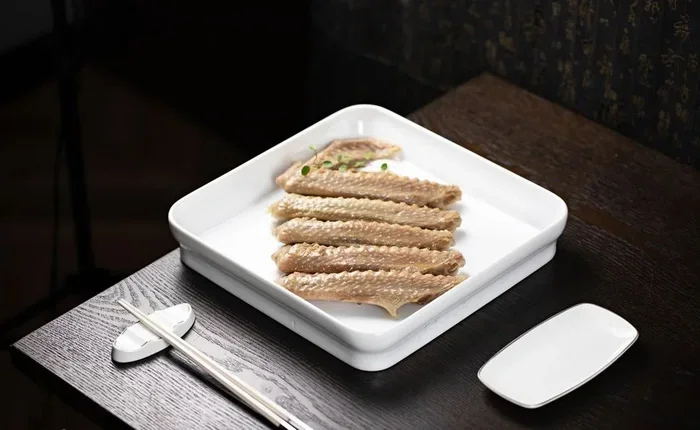
Many popular cooking methods fail to deliver crispy chicken wings, including steaming, boiling, slow cooking, and deep frying at low temperatures. Understanding why these methods fall short helps you choose the right technique for crispy chicken wings every time. This guide breaks down each method, explains the science behind crispiness, and shares practical tips to get the best results.
Not all cooking methods are created equal when it comes to chicken wings. Some techniques leave you with soft, soggy skin. Others deliver that perfect crunch you crave. If you have ever wondered what cooking methods do not crisp chicken wings, you are in the right place.
Chicken wings are a favorite snack and meal around the world. People love the contrast between juicy meat and crispy skin. But achieving that crispy texture is not always easy. Many common cooking methods actually work against crispiness. They trap moisture, lower fat content, or fail to apply enough direct heat.
In this article, we will explore every method that falls short. We will explain why each one fails and what you can do instead. Whether you bake, fry, or use a slow cooker, understanding the science helps you make better choices. Let us dive into the methods that do not crisp chicken wings and why.
Key Takeaways
- Steaming and boiling remove moisture: These methods make chicken wings soggy instead of crispy because they add water rather than rendering fat.
- Low-temperature deep frying fails: Frying wings at the wrong temperature prevents the skin from crisping and leaves them greasy.
- Slow cooking traps steam: Long, low heat creates a moist environment that prevents the skin from becoming crunchy.
- Air frying can underperform: Without proper prep and high enough heat, air fryers may not crisp wings effectively.
- Baking without proper prep falls short: Simply baking wings without drying the skin or using high heat leads to chewy, soft results.
- The right method matters: Choosing high-heat methods like oven baking at 400°F or proper deep frying produces the best crispy texture.
📑 Table of Contents
- Why Crispiness Matters for Chicken Wings
- Steaming Chicken Wings Does Not Create Crispiness
- Boiling Chicken Wings Removes the Chance for Crispiness
- Slow Cooking Wings Makes Them Soft and Tender
- Low-Temperature Deep Frying Fails to Crisp Wings
- Baking Wings Without Proper Prep Leads to Chewy Results
- Air Frying Wings Without Enough Heat or Prep
- Pan Frying Wings at Low Heat or Without Enough Oil
- Comparing Cooking Methods for Chicken Wings
- The Science Behind Why Some Methods Fail
- Expert Tips for the Crispiest Chicken Wings
- Frequently Asked Questions
- Conclusion
Why Crispiness Matters for Chicken Wings
Crispy chicken wings are all about texture. The skin should be golden, rigid, and satisfying to bite through. Inside, the meat stays juicy and tender. Achieving this balance depends on several factors working together.
The key to crispy skin is moisture removal and fat rendering. When you cook wings at high heat, the skin dries out and becomes crunchy. The fat beneath the skin melts and bubbles, creating a crispy layer. Methods that add moisture or use low heat prevent this process from happening.
Understanding this helps you avoid methods that ruin crispiness. It also helps you choose better techniques. Below, we break down every cooking method that does not deliver crispy results.
Steaming Chicken Wings Does Not Create Crispiness
Steaming is one of the healthiest cooking methods available. It works well for fish, vegetables, and dumplings. But it is terrible for crispy chicken wings. When you steam wings, the hot water vapor surrounds them completely. This moisture saturates the skin and prevents it from drying out.
Steamed chicken wings come out soft and pale. The skin lacks any crunch or browning. The meat may be tender, but the texture is nothing like what wing lovers want. Steam adds water to the surface of the skin, which is the exact opposite of what crispiness requires.
Why Steaming Fails for Crispy Skin
- Moisture saturation: Steam deposits water on the skin surface, keeping it wet throughout cooking.
- No direct heat contact: Steam cooks gently and evenly, which prevents the Maillard reaction needed for browning.
- Fat stays trapped: The moisture prevents fat from rendering out of the skin, leaving it flabby.
If you want crispy wings, skip the steamer entirely. Even if you steam wings first and then finish them in an oven, the moisture already absorbed makes it harder to achieve crunch. Always start with dry skin for the best results.
Boiling Chicken Wings Removes the Chance for Crispiness
Boiling is another method that fails to crisp chicken wings. Some people boil wings first to cook them through before grilling or frying. While this can save time, it damages the skin before it even reaches the heat source.
When wings boil, the skin absorbs water and becomes soggy. The protein in the skin changes texture, becoming rubbery rather than crispy. By the time you try to crisp them in a fryer or oven, the damage is already done. The skin simply cannot recover from the moisture it absorbed during boiling.
Boiling also leaches flavor out of the meat. The wings may taste bland and watery. For the best flavor and texture, avoid boiling as a standalone cooking method or as a prep step before crisping.
Common Mistakes When Boiling Wings
- Overcooking in water: Boiling too long makes the meat dry and the skin mushy.
- Skipping the drying step: Even if you plan to fry afterward, wet skin leads to splattering and poor crisping.
- Adding salt to the water: While seasoning helps flavor, it does nothing to restore crispiness lost during boiling.
If you must boil wings for a recipe, pat them completely dry with paper towels before applying any finishing method. However, the best approach is to cook wings using dry heat methods from the start.
Slow Cooking Wings Makes Them Soft and Tender
Slow cookers are amazing for pulled pork, stews, and tough cuts of meat. But they are the worst choice for crispy chicken wings. The entire design of a slow cooker traps steam and moisture inside. The lid seals in condensation, creating a humid environment that cooks the wings gently over several hours.
The result is tender, falling-off-the-bone meat with soft, flabby skin. There is no crispiness whatsoever. Slow cooking breaks down connective tissue beautifully, which is great for certain dishes. But if your goal is crispy skin, this method works against you completely.
Why Slow Cooking Cannot Produce Crispy Wings
- Trapped steam: The lid prevents moisture from escaping, keeping the skin wet the entire time.
- Low heat over long periods: Slow cookers operate at temperatures too low to render fat or dry out the skin.
- No browning possible: The gentle, moist heat cannot trigger the chemical reactions that create crispy, golden skin.
Some recipes suggest finishing slow-cooked wings under a broiler or in a hot oven. This can add some texture, but it rarely achieves true crispiness. The skin has already absorbed too much moisture during the slow cook. For perfectly crispy wings, use high-heat methods instead.
If you love slow-cooked chicken recipes, consider slow cooker chicken recipes that use cuts better suited for this method.
Low-Temperature Deep Frying Fails to Crisp Wings
Deep frying is one of the most popular ways to cook chicken wings. When done correctly, it produces incredibly crispy skin. But when done incorrectly, it creates greasy, soggy wings instead. The temperature of the oil is the single most important factor in deep frying chicken wings.
If you fry wings at too low a temperature, the skin absorbs oil rather than repelling it. The low heat does not quickly evaporate surface moisture. Instead, the oil slowly seeps into the skin, making it heavy and greasy. The result is wings that taste oily and feel soft, not crispy.
The Right Temperature for Crispy Fried Wings
The ideal oil temperature for frying chicken wings is between 350°F and 375°F. At this range, the exterior of the skin cooks quickly, forming a barrier that prevents oil absorption. The moisture inside turns to steam, which escapes through the crispy exterior, leaving behind a light, crunchy shell.
Using a meat thermometer to monitor oil temperature is essential. Without proper temperature control, even the best wings will come out disappointing. Always let the oil recover between batches to maintain consistent heat.
Common Deep Frying Mistakes
- Crowding the fryer: Too many wings at once drops the oil temperature, leading to greasy results.
- Skipping the drying step: Wet wings added to hot oil cause splattering and uneven cooking.
- Not letting wings rest on a wire rack: Placing fried wings on paper towels traps steam underneath, softening the crust.
For the best fried wings, always dry the skin thoroughly, maintain oil temperature, and use a wire rack to drain excess grease. You can also store leftover frying oil properly in a grease container for reusable cooking oil to save money and reduce waste.
Baking Wings Without Proper Prep Leads to Chewy Results
Baking is a convenient and healthier alternative to frying. But simply tossing wings in the oven without proper preparation leads to chewy, unevenly cooked results. Many people make the mistake of baking wings straight from the refrigerator without drying the skin.
Wet skin in the oven creates steam, which prevents crisping. The wings may cook through, but the skin stays soft and leathery. To get crispy baked wings, you need to remove surface moisture and apply high heat. The oven temperature matters just as much as the prep work.
For crispy baked wings, always pat the skin dry before seasoning. Place wings on a wire rack over a baking sheet to allow air circulation underneath. Bake at 400°F or higher for the best results. Learn more about the specifics in our guide on how long to cook chicken wings in oven 400.
Baking Tips for Crispy Wings
- Dry the skin overnight: Place uncovered wings in the refrigerator for several hours or overnight. This dries the surface significantly.
- Use a wire rack: Airflow underneath the wings prevents steam from pooling and softening the skin.
- Do not skip the high heat: A hot oven is essential for rendering fat and crisping the skin quickly.
- Flip halfway through: Turning the wings ensures even browning on all sides.
Baking can absolutely produce crispy wings, but only when you follow the right steps. The method itself is not the problem. It is the lack of preparation that lets people down. Treat baking with the same care you would give to frying, and you will get excellent results.
Air Frying Wings Without Enough Heat or Prep
Air fryers have become incredibly popular for cooking chicken wings. They promise crispy results with less oil. But many air fryer users end up with wings that are only slightly crisped or unevenly cooked. The problem usually comes down to temperature and prep.
Air fryers work by circulating hot air around the food. If the temperature is too low or the wings are too crowded, the air cannot circulate properly. Moisture gets trapped, and the skin does not dry out enough to become crispy. Some air fryer models also struggle to reach the high temperatures needed for true crispiness.
How to Get Crispy Wings in an Air Fryer
- Preheat the air fryer: Just like an oven, preheating ensures immediate, even heat exposure.
- Do not overcrowd the basket: Leave space between wings for proper air circulation.
- Dry the skin thoroughly: Pat wings completely dry before seasoning and cooking.
- Use the highest temperature setting: Higher heat dries the skin faster and promotes browning.
- Shake or flip halfway: This ensures all sides get equal exposure to the hot air.
Air frying works best when you treat it like a mini convection oven. Keep the temperature high, give wings space, and always start with dry skin. When done right, air-fried wings can come out impressively crispy.
Pan Frying Wings at Low Heat or Without Enough Oil
Pan frying is another method that can go wrong easily. When you pan fry wings at too low a heat or without enough oil, the skin does not crisp properly. Instead, it steams in its own moisture and turns chewy. The skin may brown slightly, but it will lack the full crunch of properly fried wings.
Pan frying works best when you use enough oil to partially submerge the wings and maintain a steady medium-high heat. The oil transfers heat quickly to the skin surface, promoting rapid crisping. Without sufficient oil, the heat transfer is too slow, and the skin absorbs moisture instead of drying out.
For best results, use a heavy-bottomed pan and maintain consistent oil temperature. If you are cooking wings on the stovetop, you can also explore techniques similar to making chicken drumsticks on the stove for similar high-heat stovetop methods.
Comparing Cooking Methods for Chicken Wings
Not all cooking methods are equal when it comes to crisping chicken wings. Some deliver excellent crunch, while others consistently fail. Below is a comparison of common methods and their ability to produce crispy wings.
| Cooking Method | Crispiness Level | Why It Works or Fails |
|---|---|---|
| Deep Frying (350-375°F) | Excellent | High heat rapidly dries skin and renders fat, creating a crispy shell. |
| Baking at 400°F+ with wire rack | Very Good | High dry heat crisps skin when prep is done correctly. |
| Air Frying (proper temp and spacing) | Good | Hot air circulation dries skin, but results vary by model. |
| Pan Frying (enough oil, high heat) | Good | Direct oil contact crisps the skin quickly. |
| Steaming | None | Moisture saturates the skin, preventing any crispiness. |
| Boiling | None | Water absorption makes skin soggy and rubbery. |
| Slow Cooking | None | Trapped steam and low heat keep skin soft and flabby. |
| Low-Temp Deep Frying | Poor | Oil absorbs into skin instead of creating a crispy barrier. |
This table shows clearly which methods to avoid and which to embrace. If crispy wings are your goal, stick with high-heat, dry cooking methods. Avoid anything that adds moisture or uses low heat for extended periods.
The Science Behind Why Some Methods Fail
Understanding the science of crispiness helps you make smarter choices in the kitchen. Crispy chicken skin forms when three things happen simultaneously. The surface moisture evaporates quickly. The fat beneath the skin renders out and bubbles through the drying skin. And the proteins in the skin undergo the Maillard reaction, creating browning and crunch.
Methods that add water or trap moisture prevent the first step from happening. Steam and boiling water keep the skin wet, which means it cannot dry out and crisp. Slow cooking maintains low temperatures for hours, which never gets hot enough to render fat quickly or trigger browning reactions.
Low-temperature frying is another problem. When oil is below 350°F, it does not create a rapid barrier on the skin surface. Instead, it slowly seeps into the skin, making it greasy and heavy. The moisture cannot escape quickly enough, so the skin stays soft.
For the best crispy wings, you want high, direct heat that dries the surface fast. You want enough fat rendering to create a crunchy layer. And you want the Maillard reaction to add color and flavor. This only happens under specific conditions that many common cooking methods cannot provide.
Quick tip: Always pat chicken wings dry with paper towels before cooking. This simple step removes surface moisture and dramatically improves crispiness. You can also let uncovered wings sit in the refrigerator overnight for even better results. For more kitchen tips, check out how to clean your sink after handling raw chicken safely.
Expert Tips for the Crispiest Chicken Wings
Getting crispy chicken wings consistently comes down to a few key practices. These tips come from professional kitchens and home cooking experts who understand the science of crispiness.
- Dry the skin thoroughly. Moisture is the enemy of crispiness. Pat wings dry with paper towels and let them air-dry uncovered in the refrigerator for a few hours or overnight.
- Use high heat. Whether baking, frying, or air frying, high temperatures are essential for crisping the skin quickly before the meat dries out.
- Do not overcrowd the pan or basket. Crowding traps steam and reduces heat circulation. Cook wings in a single layer with space between them.
- Use a wire rack. Elevating wings above the pan allows air to circulate underneath, preventing steam from softening the bottom of the skin.
- Season generously. Salt draws out moisture from the skin surface, which then evaporates during cooking, leaving behind a drier, crispier texture.
- Let wings rest on a rack after cooking. Placing fried or baked wings on a wire rack instead of paper towels keeps the bottom crust crunchy by allowing steam to escape.
These simple steps make a huge difference in your final result. Crispy wings are not about luck. They are about technique and understanding what the skin needs to become crunchy.
Frequently Asked Questions
Can I make crispy wings on a gas grill?
Yes, grilling can produce crispy wings if you use high direct heat and keep the lid open. The flame and airflow help dry the skin quickly. Make sure the grill is hot before adding wings, and avoid placing them over low heat for too long. Pat the skin dry beforehand for the best results.
Why are my baked chicken wings not crispy?
Baked wings often fail to crisp when the skin is not dried beforehand or the oven temperature is too low. Make sure to pat wings completely dry, use a wire rack, and bake at 400°F or higher. Overcrowding the pan also traps steam and prevents crisping.
Is it better to bake or fry chicken wings for crispiness?
Deep frying generally produces the crispiest wings because the hot oil transfers heat quickly and evenly to the skin. Baking can also produce great results when done correctly with high heat and proper prep. Air frying falls somewhere in between.
Does marinating chicken wings affect crispiness?
Yes, marinades with high water content or sugar can make it harder to achieve crispy skin. Sugar can burn at high heat, and excess moisture prevents the skin from drying out. If you marinate, pat the wings completely dry before cooking and remove any excess marinade from the skin.
How long should I let wings air-dry before cooking?
Ideally, let wings air-dry uncovered in the refrigerator for at least 4 hours, or overnight for the best results. The longer the skin dries, the crispier it will become. This step removes surface moisture that would otherwise turn to steam during cooking.
Can I reheat leftover wings and keep them crispy?
Reheating in an oven or air fryer at high heat works best. Avoid microwaving, which adds steam and makes the skin soggy. Place leftover wings on a wire rack and reheat at 400°F for about 10 minutes. This restores some of the original crunch.
Conclusion
Now you know exactly what cooking methods do not crisp chicken wings. Steaming, boiling, slow cooking, and low-temperature frying all fail to deliver the crispy texture that makes wings so delicious. Each method adds moisture or uses low heat in ways that prevent the skin from drying out and becoming crunchy.
The good news is that avoiding these methods is simple. Choose high-heat techniques like baking at 400°F, proper deep frying, or air frying with the right settings. Always dry the skin thoroughly, use a wire rack, and avoid overcrowding. These small changes transform your wings from soft and disappointing to crispy and satisfying.
Remember, crispy chicken wings are all about removing moisture and applying direct, high heat. Whether you are cooking for a game day gathering or a weeknight dinner, understanding what not to do is just as important as knowing what to do. Use these insights to level up your wing game and enjoy perfectly crispy results every single time.