Knowing how many oz in a gallon is one of the most useful skills for any kitchen or home. A standard US gallon contains 128 fluid ounces, while an Imperial gallon holds 160. Whether you are cooking, tracking hydration, or comparing product sizes, understanding this gallon conversion saves time and prevents costly mistakes. This guide breaks down everything you need to know about oz in a gallon in simple, easy-to-follow terms.
Understanding oz in a gallon is one of those simple skills that makes everyday life so much easier. Whether you are in the kitchen preparing a big meal, tracking your daily water intake, or trying to figure out how much liquid a container holds, knowing this conversion is incredibly useful. It might seem like a small detail, but getting the right liquid measurement can make the difference between a perfect recipe and a disappointing one.
The good news is that the math behind oz in a gallon is straightforward once you know the basics. A US gallon contains 128 fluid ounces, and an Imperial gallon holds 160. From there, you can break it down into cups, pints, and quarts. This guide will walk you through everything you need to know, from the basic gallon conversion to practical tips you can use right away. By the end, you will never have to second-guess your liquid volume again.
Learning about oz in a gallon also opens the door to understanding volume conversion more broadly. Once you grasp how gallons relate to fluid ounces, you can easily figure out how many ounces are in half a gallon, a quarter gallon, or even just a single cup. This knowledge is a cornerstone of measuring liquids accurately, whether you are a home cook, a baker, or someone who simply wants to stay properly hydrated throughout the day.
Key Takeaways
- 1 US gallon equals 128 fluid ounces — the standard measurement used across the United States for liquid volume.
- An Imperial gallon equals 160 fluid ounces — the measurement used in the UK and some other countries.
- Understanding oz in a gallon helps with cooking precision and tracking your daily hydration goals.
- The gallon breaks down into smaller units like quarts, pints, and cups that are easy to convert.
- Using the right measurement matters for recipes, shopping, and health tracking.
- Simple tricks can help you remember the conversion without needing to look up a chart every time.
📑 Table of Contents
What Is an Ounce and Why Do We Use It?
The word “ounce” can refer to two very different things. In the world of liquid measurement, we talk about fluid ounces. This is a unit of volume, not weight. When a recipe calls for 8 fluid ounces of milk, it means a specific amount of space that liquid takes up, not how heavy it is.
Fluid Ounces vs. Weight Ounces
A fluid ounce measures liquid volume. A weight ounce measures how heavy something is. This distinction matters a lot when you are cooking or baking. For example, 8 fluid ounces of water weighs about 8 ounces on a scale, but 8 fluid ounces of honey weighs much more. When we talk about oz in a gallon, we are always talking about fluid ounces, not weight ounces. This is a key part of liquid measurement that many people overlook.
A Brief History of the Ounce
The ounce has roots going back to ancient Rome and has evolved over centuries. The word comes from the Latin “uncia,” which meant one-twelfth. Over time, different countries developed their own versions of the ounce. Today, the US uses the US liquid ounce, and the UK uses the Imperial liquid ounce. These two are slightly different in size, which is why the number of oz in a gallon differs between countries. Understanding this history helps explain why gallon conversion is not always a one-size-fits-all answer.
How Many Oz in a Gallon? The Full Breakdown
This is the question most people want answered right away. So here it is. In the United States, one gallon equals 128 fluid ounces. In the United Kingdom and some other countries that use the Imperial system, one gallon equals 160 fluid ounces. Both are correct, but they apply to different regions. Getting this right is essential for any liquid measurement task.
US Gallon vs. Imperial Gallon
The US gallon is the one you will encounter most often in American kitchens, grocery stores, and fuel stations. It is defined as 231 cubic inches. The Imperial gallon, used in the UK and parts of Canada, is slightly larger. It is defined as the volume of 10 pounds of water at a specific temperature. Because the Imperial gallon is bigger, it contains more fluid ounces. So when you are doing a gallon conversion, always check which system you are working with.
Here is a simple way to think about it. A US gallon is like a big jug that holds 128 liquid ounces. An Imperial gallon is like a slightly larger jug that holds 160 liquid ounces. The difference is about 32 ounces, which is roughly the size of a standard water bottle.
Quick Conversion Chart for Easy Reference
Having a quick reference chart makes life so much simpler. Here is a basic conversion chart you can keep in mind:
- 1 gallon = 128 fluid ounces (US)
- 1 gallon = 160 fluid ounces (Imperial)
- 1/2 gallon = 64 fluid ounces (US)
- 1/4 gallon = 32 fluid ounces (US)
- 1 quart = 32 fluid ounces (US)
- 1 pint = 16 fluid ounces (US)
- 1 cup = 8 fluid ounces (US)
These numbers are the foundation of kitchen measurements and liquid measurement in general. Once you have them memorized, you can quickly figure out any oz in a gallon question that comes your way.
Why Knowing Oz in a Gallon Matters
You might wonder why you need to know oz in a gallon in the first place. The truth is, this knowledge comes up more often than you might think. From the kitchen to the gym, understanding liquid volume has real practical value.
Cooking and Baking with Precision
Cooking is a science, and measuring liquids accurately is a big part of that science. When a recipe calls for a specific amount of liquid, using the wrong measurement can change the texture, taste, and overall result of your dish. For instance, if a soup recipe needs 64 fluid ounces of broth, you now know that is exactly half a US gallon. This kind of knowledge helps you scale recipes up or down with confidence.
Baking is even more precise. When you are making bread or pastries, the ratio of liquid to dry ingredients is critical. Knowing your cooking measurements inside and out gives you a real advantage. Think about it this way: just as you need to know how to measure coffee in a coffee maker carefully to get the right strength, you need to measure liquids precisely for the perfect bake.
Daily Hydration and Water Intake Goals
Health experts often recommend drinking a certain amount of water each day. Some suggest 64 fluid ounces per day, which is exactly half a US gallon. Others recommend even more. When you understand oz in a gallon, it becomes easy to track your daily water intake and hydration goals. You can fill up a gallon jug in the morning and know exactly how much you have consumed by midday.
This is especially helpful for people who are trying to stay more mindful about their water consumption. Instead of guessing, you can measure. And when you know that a full gallon is 128 ounces, you can break your daily goal into manageable chunks. Maybe you aim for one full gallon by dinner time, or perhaps half a gallon by lunch. Either way, knowing the liquid volume of a gallon makes it simple to plan.
Shopping Smart and Comparing Products
Have you ever stood in the grocery store comparing two bottles of the same beverage and wondered which one is the better deal? Understanding oz in a gallon helps you compare prices and liquid capacity more effectively. If one bottle is 64 ounces and another is 96 ounces, you can quickly figure out which gives you more for your money.
This skill also extends to larger containers. When you see a jug labeled as a gallon, you know it holds 128 fluid ounces. You can use this knowledge to figure out cost per ounce and make smarter shopping decisions. It is a small thing, but it adds up over time and helps you get the best value for your dollar.
Common Mistakes People Make With Gallon Measurements
Even people who think they know their liquid measurement basics can run into trouble. Here are some of the most common mistakes and how to avoid them.
Confusing US and Imperial Gallons
The biggest mistake people make is assuming all gallons are the same. They are not. A US gallon and an Imperial gallon differ by about 20%. If you are following a recipe from a British cookbook or buying a product labeled in Imperial gallons, using the wrong number can throw off your liquid volume calculations. Always check which system the recipe or product uses before you start measuring liquids.
Forgetting About Temperature and Liquid Expansion
Here is something most people do not think about. The volume of a liquid can change slightly with temperature. Hot water takes up more space than cold water. This means that the exact oz in a gallon can vary a tiny bit depending on the temperature of the liquid. For everyday cooking and hydration tracking, this difference is negligible. But for scientific or industrial applications, it matters. If you ever need precise volume conversion for a temperature-sensitive process, always note the temperature of your liquid.
Another related mistake is confusing fluid ounces with ounces by weight. As we mentioned earlier, these are two different things. A gallon of water weighs about 8.34 pounds, but a gallon of oil weighs less because oil is less dense. Always make sure you are measuring liquid ounces when your recipe or goal calls for volume, not weight. This distinction is at the heart of proper liquid measurement.
Practical Tips for Remembering the Conversion
Memorizing that a gallon has 128 fluid ounces is easier than it sounds. Here are some practical tips to help you remember and feel confident with your gallon conversion skills.
Fun Tricks to Recall Oz in a Gallon
One easy trick is to remember that a gallon has 4 quarts, and each quart has 32 fluid ounces. Four times 32 equals 128. That is your US gallon number. For the Imperial gallon, there are also 4 quarts, but each Imperial quart has 40 fluid ounces. Four times 40 equals 160.
Another fun way to remember is to think about your daily water intake. Many health experts recommend 64 ounces a day, which is half a gallon. If you drink a full gallon, you have hit 128 ounces. This connects the gallon conversion to something you already do every day, making it much easier to remember. It also ties directly into your hydration goals.
Using Kitchen Tools and Apps
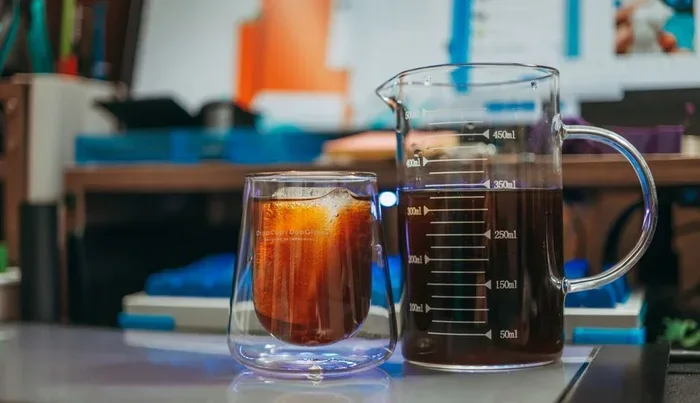
You do not have to do all the math in your head. There are many great tools that can help. Kitchen measuring cups, liquid measuring pitchers, and even smartphone apps can do the volume conversion for you in seconds. Some apps let you enter any unit and instantly get the equivalent in another unit.
For those who love cooking with specific appliances, understanding liquid measurement becomes even more important. For example, when you are figuring out how much water to add when you boil in Instant Pot, knowing your liquid volumes ensures you add the right amount. The Instant Pot manual often references cups and ounces, and being comfortable with oz in a gallon makes those instructions much easier to follow.
Expert Insights on Liquid Measurements
Professional cooks and food scientists take liquid volume very seriously. Their insights can help you improve your own cooking and measurement skills.
What Chefs and Professional Cooks Say
Professional chefs will tell you that consistency is everything in the kitchen. When you are making the same recipe dozens of times, even small measurement errors can add up. Chefs rely on precise cooking measurements to ensure every dish comes out the same way every time. They also stress the importance of using the right tools for measuring liquids, such as clear liquid measuring cups with spouts designed for easy pouring.
Many chefs also emphasize that reading the measurement at eye level prevents errors. When you look at a liquid measuring cup from above or below, the meniscus can trick your eyes. Holding the cup at eye level gives you the most accurate reading. This small habit can make a big difference in your liquid ounces accuracy.
How Science Handles Volume Conversions
From a scientific standpoint, volume conversion is based on standardized definitions. The US liquid gallon is defined as exactly 231 cubic inches, which translates to 128 fluid ounces. The Imperial gallon is defined differently, based on the volume of a specific weight of water at a controlled temperature.
Scientists also account for the fact that different liquids have different densities. A gallon of mercury weighs far more than a gallon of water, even though both occupy the same liquid volume. This is why fluid ounces measure volume, not weight. Understanding this distinction is key to getting accurate results in any context, whether you are in a lab or a kitchen.
When you think about oz in a gallon from a scientific perspective, it is really about understanding the space a liquid takes up. This perspective can help you appreciate why precision matters, especially in baking and molecular gastronomy, where tiny differences in liquid measurement can lead to dramatically different outcomes.
Even everyday cooking benefits from this precision. Consider how much liquid goes into a pot of rice or oats. If you have ever wondered about the exact ratio of water to grain, you know that getting it right matters. Knowing oz in a gallon helps you scale those ratios properly, whether you are cooking for two or for a crowd. It is similar to understanding how much liquid you need when you cook steel cut oats in a rice cooker — the water-to-grain ratio determines the final texture and consistency of your meal.
Conclusion
Understanding oz in a gallon is a simple yet powerful skill that touches many parts of daily life. From cooking and baking with confidence to tracking your daily water intake and making smarter shopping choices, this knowledge pays dividends every single day. A US gallon holds 128 fluid ounces, and an Imperial gallon holds 160. Once you know these numbers, you can break them down into quarts, pints, and cups with ease.
The next time you are in the kitchen, at the grocery store, or simply reaching for a glass of water, take a moment to appreciate how far a basic understanding of liquid measurement can take you. It is one of those foundational skills that makes everything else a little bit easier. Keep this guide handy, practice the conversion a few times, and soon oz in a gallon will feel like second nature.
Remember, precision in the kitchen and in daily life starts with understanding the basics. And now you have those basics. Go ahead and put your new knowledge to work. Your cooking, your hydration, and your shopping will all be better for it.
Frequently Asked Questions
How many fluid ounces are in a US gallon?
A US gallon contains exactly 128 fluid ounces. This is the standard liquid measurement used across the United States for all liquid volume conversion purposes. Whether you are cooking, tracking hydration, or shopping, this number is your go-to reference for oz in a gallon calculations.
Is a US gallon the same as an Imperial gallon?
No, they are not the same. A US gallon holds 128 fluid ounces, while an Imperial gallon holds 160 fluid ounces. The Imperial gallon is about 20% larger. Always check which system you are working with when doing any gallon conversion to avoid mistakes in your liquid measurement.
How can I remember how many oz in a gallon?
A simple trick is to remember that a gallon has 4 quarts, and each quart has 32 fluid ounces. Multiply 4 by 32 and you get 128. You can also connect it to daily hydration, since health experts often recommend 64 ounces of water a day, which is half a gallon. These connections make the gallon conversion much easier to recall.
Why is it important to measure liquids accurately?
Accurate liquid measurement ensures consistent results in cooking and baking. Even small errors can change the texture, taste, and overall quality of a dish. In baking especially, the ratio of liquid ounces to dry ingredients is critical. Using the right cooking measurements every time leads to better outcomes and less wasted food.
How does knowing oz in a gallon help with daily hydration?
Knowing oz in a gallon makes it easy to track your daily water intake and hydration goals. If you aim for 64 ounces a day, that is exactly half a gallon. Filling a gallon jug in the morning gives you a clear visual of how much water you have consumed. This simple liquid measurement strategy helps you stay on track with your health goals.
Can I use a regular measuring cup for gallon-sized amounts?
While you can use a standard measuring cup for smaller amounts, measuring a full gallon with it would take many repetitions. A gallon jug or a large liquid measuring pitcher is much more practical for bigger volumes. Understanding oz in a gallon helps you choose the right tool and saves you time when measuring liquids in large quantities.