Oven-baked thick pork chops are one of the easiest dinners you can make that still look and taste amazing. This guide walks you through choosing the right chops, seasoning them perfectly, and baking them to juicy tenderness every single time. Whether you are a beginner or a seasoned cook, these foolproof methods will change your weeknight dinners forever.
There is something deeply satisfying about pulling a tray of oven-baked thick pork chops out of the oven. The kitchen smells incredible. The chops look golden and beautiful. And when you cut into one, the juices run clear and the meat is perfectly tender.
For years, many home cooks feared thick pork chops. They worried about drying them out. They worried about undercooking or overcooking. But here is the truth. Oven-baked thick pork chops are one of the most foolproof dinners you can make. Once you learn the basic method, you will never go back to dry, overcooked pork again.
This guide covers everything you need to know. We will talk about choosing the best chops. We will cover seasoning and marinating. We will walk through the baking process step by step. And we will share tips that make the difference between good pork chops and absolutely perfect ones. By the end, you will feel confident enough to make this dish any night of the week.
Key Takeaways
- Thick-cut pork chops bake best at 400°F: This temperature creates a beautiful sear while keeping the inside moist and tender.
- Always rest your pork chops after baking: Letting them rest for 5 to 7 minutes locks in the juices and prevents dry meat.
- Bone-in vs boneless matters for flavor: Bone-in chops stay juicier longer, but boneless cooks faster and more evenly.
- A simple rest time is non-negotiable: Skipping the rest is the number one reason pork chops turn out dry and tough.
- Seasoning ahead of time makes a huge difference: Marinating or dry-brining your chops for even 30 minutes improves flavor and texture significantly.
- An instant-read thermometer is your best friend: Cooking pork to 145°F internal temperature guarantees safety and juiciness.
📑 Table of Contents
- Why Oven-Baked Thick Pork Chops Are a Game-Changer
- Choosing the Right Pork Chops for Baking
- Essential Seasoning and Marinade Ideas
- Step-by-Step Method for Perfect Oven-Baked Thick Pork Chops
- Common Mistakes That Lead to Dry Pork Chops
- Serving Suggestions and Side Dish Ideas
- Expert Tips for the Juiciest Results Every Time
- Conclusion
Why Oven-Baked Thick Pork Chops Are a Game-Changer
Baking pork chops in the oven is one of the simplest cooking methods available. Unlike stovetop cooking, where you need to watch the heat constantly, oven baking gives you more control. The even heat surrounds the meat on all sides. This means less flipping and less stress.
Thick-cut pork chops especially benefit from oven baking. Thin chops tend to overcook quickly. Thick chops give you a wider window of perfection. They stay juicy on the inside while developing a gorgeous golden crust on the outside. The oven does most of the work for you.
The Benefits of Oven-Baked Pork Chops
- Even cooking: The oven distributes heat uniformly around the meat.
- Hands-off preparation: You can prep other parts of your meal while the chops bake.
- Better crust formation: A hot oven creates a beautiful sear without constant attention.
- Consistent results: Once you nail the time and temperature, the results are repeatable every time.
- Easy scaling: You can bake four chops or eight chops using the same method.
Once you try oven-baked thick pork chops, you will wonder why you ever bothered with complicated recipes. Sometimes the simplest method truly is the best method.
Choosing the Right Pork Chops for Baking
The first step to perfect pork chops starts at the grocery store. Not all pork chops are created equal. The cut you choose, the thickness, and whether you pick bone-in or boneless all affect the final result.
Bone-In vs Boneless Pork Chops
Bone-in pork chops have a distinct advantage. The bone acts as insulation. It slows down heat transfer to the center of the meat. This means bone-in chops stay juicy a little longer and develop more flavor during baking. Many chefs prefer bone-in for oven roasting because of this.
Boneless pork chops, on the other hand, cook more evenly throughout. There is no bone creating uneven heat distribution. They are also easier to cut and eat. If speed and convenience matter to you, boneless is a great choice.
Thickness Matters More Than You Think
When it comes to oven-baked thick pork chops, thickness is everything. You want chops that are at least 1 to 1.5 inches thick. Thinner chops will dry out before the inside reaches the proper temperature. Thicker chops give you room for error and a better texture overall.
If you can only find thin chops, you can use a meat mallet to pound them to an even thickness. This simple trick levels out the meat so it cooks uniformly. Just wrap the chop in plastic wrap and pound gently from the center outward.
For the best results, look for center-cut pork chops. These come from the loin, which is the most tender part of the pig. Center-cut pork chop recipes are incredibly popular for a reason. They offer the perfect balance of tenderness and flavor.
Essential Seasoning and Marinade Ideas
Seasoning is where you can truly make oven-baked thick pork chops your own. A basic salt and pepper combination works beautifully. But if you want to take your chops to the next level, a little extra effort goes a long way.
Simple Dry Rub for Everyday Pork Chops
A classic dry rub is fast and easy. Here is what you need:
- 1 teaspoon kosher salt
- 1/2 teaspoon black pepper
- 1 teaspoon garlic powder
- 1 teaspoon smoked paprika
- 1/2 teaspoon onion powder
- 1/2 teaspoon cumin
Mix these together in a small bowl. Rub the blend generously over both sides of each pork chop. Let the chops sit at room temperature for about 20 to 30 minutes before baking. This allows the seasoning to penetrate the meat and helps the chops cook more evenly.
Quick Marinade for Extra Juiciness
If you have a little more time, a marinade adds incredible flavor and moisture. A simple mixture of olive oil, minced garlic, lemon juice, and fresh herbs works wonders. Marinate your chops for at least 30 minutes. For even better results, marinate them overnight in the refrigerator.
Some popular marinade combinations include:
- Olive oil, rosemary, garlic, and lemon zest for a Mediterranean twist.
- Soy sauce, honey, ginger, and sesame oil for an Asian-inspired flavor.
- Brown sugar, mustard, and apple cider vinegar for a sweet and tangy glaze.
Whatever you choose, make sure you pat the chops dry before baking. Excess moisture on the surface can prevent a good crust from forming. A dry surface means better browning and a more flavorful crust.
Step-by-Step Method for Perfect Oven-Baked Thick Pork Chops
Now let us get into the actual baking process. This is the part that turns raw pork chops into a restaurant-quality dinner. Follow these steps carefully and you will get amazing results every time.
Step 1: Preheat Your Oven
Preheat your oven to 400°F. This is the sweet spot for thick pork chops. It is hot enough to create a beautiful sear on the outside but not so hot that it burns the exterior before the inside cooks through. If your oven runs hot or cold, use an oven thermometer to verify the actual temperature.
Step 2: Prepare the Pork Chops
Remove your pork chops from the refrigerator about 20 to 30 minutes before baking. Letting them come to room temperature helps them cook more evenly. Cold chops placed directly in a hot oven will cook unevenly, with the outside overcooking before the center reaches temperature.
Pat the chops dry with paper towels. Apply your seasoning or marinade. Place the chops on a wire rack set over a baking sheet. The wire rack allows air to circulate around the meat, which promotes even cooking and a crispier crust on all sides.
Step 3: Bake to the Right Temperature
Place the baking sheet in the preheated oven. Bake for approximately 20 to 25 minutes for 1.5-inch thick chops. The internal temperature should reach 145°F when measured with an instant-read thermometer inserted into the thickest part of the chop.
Here is a helpful reference table for different thicknesses:
- 1-inch thick chops: Bake for 15 to 18 minutes at 400°F.
- 1.5-inch thick chops: Bake for 20 to 25 minutes at 400°F.
- 2-inch thick chops: Bake for 25 to 30 minutes at 400°F.
These times are approximate. Always rely on your meat thermometer for the most accurate results. Pork is safe to eat at 145°F, and it will still be juicy and slightly pink in the center. This is perfectly fine and actually preferred by most cooks.
Step 4: Rest Before Serving
This is the step most people skip. And it is the step that makes the biggest difference. Once your pork chops come out of the oven, transfer them to a cutting board and let them rest for 5 to 7 minutes. During this rest time, the juices redistribute throughout the meat. If you cut too soon, those juices run out onto the cutting board instead of staying in the chop.
While the chops rest, you can use the time to make a quick pan sauce from the baking sheet drippings or prepare your side dishes. Every minute counts in a great dinner.
Step 5: Serve and Enjoy
Slice against the grain if you prefer, or serve the chops whole. Garnish with fresh herbs if you like. Pair with roasted vegetables, mashed potatoes, or a simple salad. The possibilities are endless.
If you want even more pork chop inspiration, check out 13 boneless pork chop recipes for creative ways to use your chops in different dishes. And for those following a low-carb lifestyle, keto pork chop recipes offer delicious variations that keep the carb count low while maximizing flavor.
Common Mistakes That Lead to Dry Pork Chops
Even with the best recipe, mistakes can happen. Knowing what to avoid is just as important as knowing what to do. Here are the most common pitfalls when baking thick pork chops.
Skipping the Thermometer
This is the single biggest mistake home cooks make. Relying on time alone is unreliable because every oven is different and every chop varies in thickness. An instant-read thermometer takes the guesswork out completely. It is an inexpensive tool that transforms your cooking.
Starting with Cold Pork Chops
Placing cold pork chops directly into a hot oven creates uneven cooking. The outside overcooks while the center is still too cold. Always let your chops sit at room temperature for 20 to 30 minutes before baking. This small step makes a noticeable difference in the final result.
Overcooking by Just a Few Minutes
Pork chops go from perfectly juicy to dry and tough very quickly once they pass 145°F internal temperature. Check your chops a few minutes before the estimated finish time. It is much easier to add a couple more minutes than to rescue an overcooked chop.
Not Letting the Chops Rest
We mentioned this earlier because it really is that important. Cutting into pork chops immediately after they come out of the oven releases all those precious juices. Give them time to rest and you will notice a dramatic improvement in juiciness.
Using a Dark or Nonstick Pan Without a Rack
Placing pork chops directly on a dark baking sheet can cause the bottom to burn before the top cooks properly. A wire rack solves this problem by elevating the chops and allowing heat to circulate. If you do not have a rack, use a regular baking sheet lined with foil and flip the chops halfway through.
Serving Suggestions and Side Dish Ideas
Oven-baked thick pork chops pair beautifully with a wide variety of sides. The right side dish can turn a simple dinner into something truly memorable.
For a classic weeknight meal, serve your pork chops with roasted vegetables and garlic mashed potatoes. The creamy potatoes complement the savory pork perfectly. For something lighter, a fresh garden salad with a tangy vinaigrette balances the richness of the meat.
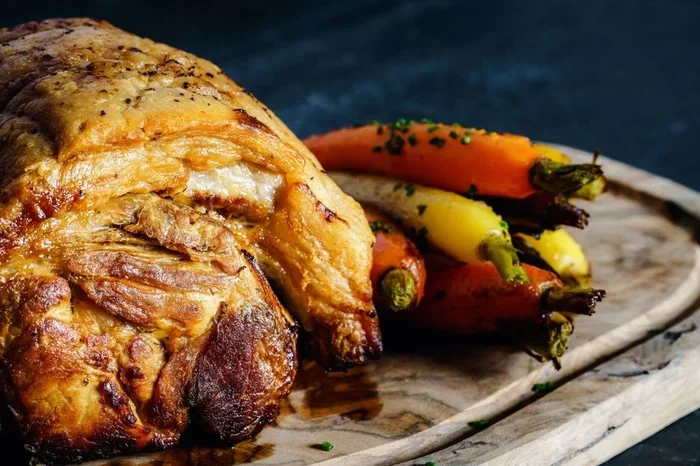
Roasted root vegetables like carrots, parsnips, and sweet potatoes make excellent companions. Toss them with olive oil, salt, and pepper, and roast them on the same sheet pan as the pork chops for an easy one-pan dinner.
If you want to impress your guests, try serving the chops over creamy polenta or alongside a bright apple slaw. The contrast of flavors and textures elevates the entire dish. Keto pork chop recipes often feature low-carb sides like roasted broccoli or cauliflower mash, which work wonderfully with oven-baked chops as well.
The beauty of oven-baked thick pork chops is their versatility. They work for casual Tuesday dinners and special occasions alike. Once you master the basic method, you can experiment with different seasonings, marinades, and sides to keep things interesting week after week.
Expert Tips for the Juiciest Results Every Time
Here are some bonus tips from experienced cooks that take your pork chops from good to outstanding:
- Brine your chops overnight: A simple brine of water, salt, and sugar helps the meat retain moisture during baking. This is especially helpful for leaner cuts.
- Sear before baking: If you have extra time, sear the chops in a hot skillet for one minute per side before transferring them to the oven. This adds a deeper flavor and a more attractive crust.
- Use a cast iron skillet: A cast iron skillet retains heat beautifully and creates an excellent sear. You can sear on the stovetop and then transfer the entire skillet to the oven.
- Add butter during baking: Basting the chops with melted butter halfway through baking adds richness and helps the crust brown evenly.
- Let the oven preheat fully: A fully preheated oven ensures consistent cooking from the moment the chops go in. Do not rush this step.
Conclusion
Oven-baked thick pork chops are truly one of the best dinners you can make. They are simple, reliable, and absolutely delicious. With the right cut, proper seasoning, and careful attention to temperature and timing, you can serve pork chops that are juicy, tender, and full of flavor every single time.
The key is to not overcomplicate things. Choose good quality chops. Season them well. Bake them at 400°F until they reach 145°F internally. Let them rest before serving. That is it. That is the secret to perfect pork chops.
Once you make these oven-baked thick pork chops a few times, the method will become second nature. You will not even need to think about it. You will just know exactly what to do. And your family and dinner guests will keep asking for seconds.
So the next time you are planning dinner, give oven-baked thick pork chops a try. You will be glad you did. This is one recipe that earns its place as a regular in your weekly rotation.
Frequently Asked Questions
How long should I bake thick pork chops at 400°F?
For 1.5-inch thick pork chops, bake at 400°F for about 20 to 25 minutes. Always use an instant-read thermometer to check that the internal temperature reaches 145°F. The exact time depends on your oven and the thickness of the chops.
Should I cover pork chops with foil while baking?
No, leave pork chops uncovered for the best results. Covering them traps moisture and prevents a good crust from forming. The dry heat of the oven creates a beautiful golden sear on the outside while keeping the inside juicy.
Can I use frozen pork chops for oven baking?
It is best to thaw pork chops before baking. Frozen chops will cook unevenly and take much longer, which often results in dry edges and a raw center. Thaw them in the refrigerator overnight for the safest and most even results.
What is the best internal temperature for pork chops?
The USDA recommends cooking pork chops to an internal temperature of 145°F, followed by a three-minute rest time. This temperature ensures the pork is safe to eat while still being juicy and slightly pink in the center. Overcooking past this point leads to dry, tough meat.
How do I prevent my pork chops from drying out?
The key is to not overcook them. Use a meat thermometer and pull the chops at 145°F. Also, let them rest for 5 to 7 minutes after baking. Brining or marinating the chops beforehand adds extra moisture and flavor that helps prevent dryness.
Can I bake pork chops in a convection oven?
Yes, convection ovens work great for pork chops. Reduce the temperature by about 25°F and check for doneness a few minutes early. The circulating hot air cooks more efficiently, so keep a close eye on the internal temperature to avoid overcooking.