So, how many teaspoons are in a tablespoon? The answer is simple: 3 teaspoons equal 1 tablespoon. This basic kitchen conversion is one of the most important cooking measurements to memorize. Whether you are scaling a recipe up or down, this volume conversion saves time and prevents costly mistakes. Keep reading for easy tips, charts, and expert advice to make measuring a breeze every time.
Cooking should be fun, not confusing. One moment you are following a recipe, and the next thing you know, you are staring at a tablespoon and wondering how many teaspoons are in a tablespoon. It sounds like a tiny detail, but getting this cooking conversion right can make or break your dish. Whether you are a beginner in the kitchen or a seasoned home cook, knowing your measuring spoons is a skill that pays off every single day.
This guide gives you the quick answer and so much more. You will learn the exact teaspoon to tablespoon ratio, why it matters, and how to avoid the most common measuring mistakes. We also cover metric conversions, baking measurements, and practical tips you can use right away. Let us dive in and make your time in the kitchen easier and more enjoyable.
Key Takeaways
- 3 teaspoons make 1 tablespoon: This is the standard US kitchen conversion you need to know.
- Memorizing this ratio speeds up cooking and helps you adjust recipes on the fly.
- Measuring spoons are essential tools for accurate recipe measurements and consistent results.
- Common mistakes like packing ingredients or using the wrong spoon size can throw off your dishes.
- Metric conversions differ slightly, so knowing both systems helps when following international recipes.
- Level your spoons for precise measurements every single time.
- Practice makes perfect: The more you cook, the more natural these kitchen measurements become.
📑 Table of Contents
What Is a Tablespoon and a Teaspoon?
Before we get into the numbers, let us talk about what these spoons actually are. A tablespoon is a larger volume conversion unit used in cooking and baking. A teaspoon is a smaller unit. Together, they form the backbone of most kitchen measurements in home cooking.
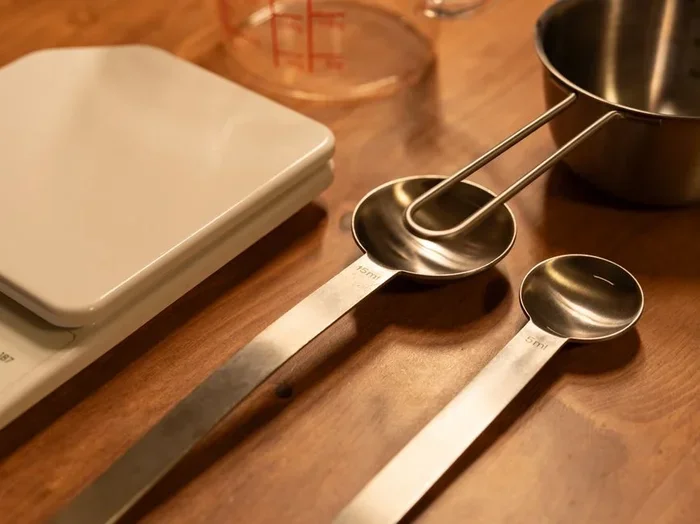
In the United States, these spoons are part of the imperial measurement system. Most measuring spoons sold in stores come in sets that include teaspoons and tablespoons. They are usually made of metal or plastic and have long handles for easy gripping. Some sets even include 1/4 teaspoon and 1/2 teaspoon sizes for finer adjustments.
Where Do These Spoons Come From?
The concept of standardized cooking measurements dates back centuries. Early cooks used household items like actual spoons to measure ingredients, which led to inconsistent results. Over time, standardized measuring spoons were introduced to make recipe measurements more reliable. Today, a tablespoon is officially defined as 15 milliliters in the metric system and about 14.8 milliliters in the US imperial system.
How Many Teaspoons Are in a Tablespoon
Here is the answer you have been waiting for. 3 teaspoons equal 1 tablespoon. That is the standard volume conversion used in US cooking and baking. This simple ratio is the foundation of most cooking conversions you will encounter in the kitchen.
The Basic Conversion Chart
Memorizing the basic ratio makes everything easier. Here is a quick measurement equivalents chart for reference:
- 1 tablespoon = 3 teaspoons
- 2 tablespoons = 6 teaspoons
- 3 tablespoons = 9 teaspoons
- 4 tablespoons (1/4 cup) = 12 teaspoons
- 16 tablespoons (1 cup) = 48 teaspoons
Keep this chart handy. Print it out and stick it on your fridge. When you are in the middle of cooking and need a quick tsp to tbsp conversion, this reference will save you time and stress.
Why Does This Ratio Matter?
You might think, “Does it really matter if I use 3 teaspoons or 4?” The answer is yes, absolutely. In baking measurements especially, precision is everything. Too much or too little of an ingredient like salt, baking powder, or vanilla extract can completely change the texture and taste of your final product. This cooking conversion helps you scale recipes accurately, whether you are doubling a batch of cookies or halving a sauce recipe.
Why Knowing This Conversion Matters
Knowing how to convert teaspoons to tablespoons is not just about passing a kitchen quiz. It is about real, everyday cooking confidence. Here is why this knowledge matters so much.
Scaling Recipes Up or Down
Imagine you found a great recipe for a family dinner, but it only serves four. Your family is six. You need to scale everything up by 50 percent. If the recipe calls for 1 tablespoon of olive oil, you now need 1.5 tablespoons, which is 4.5 teaspoons. Without knowing the volume conversion, you would be guessing. Guessing leads to inconsistent results. With this cooking conversion in your back pocket, you can adjust any recipe with ease.
Substituting Ingredients
Sometimes you run out of an ingredient mid-recipe. Maybe you are out of baking powder and only have a measuring spoon set. Knowing that 1 tablespoon equals 3 teaspoons lets you quickly substitute and keep cooking without a trip to the store. This is especially useful when you are measuring coffee in a coffee maker or preparing smoothies in a blender and need precise amounts of add-ins like spices or sweeteners.
Following International Recipes
The internet has made it easy to find recipes from around the world. Many international recipes use metric measurements like milliliters or grams. Understanding the imperial measurement system and how teaspoons and tablespoons relate helps you convert these recipes accurately. This skill bridges the gap between different cooking measurement systems and opens up a world of culinary possibilities.
Common Kitchen Measurement Mistakes
Even experienced cooks make measuring mistakes. Here are the most common ones and how to avoid them.
Packing Ingredients Too Tightly
When measuring dry ingredients like brown sugar or flour, it is easy to pack them into the spoon too tightly. This gives you more than the recipe actually calls for. Always spoon the ingredient into the measuring spoon lightly and then level it off with the back of a knife. This simple habit makes a huge difference in your baking measurements.
Using the Wrong Spoon Size
It sounds obvious, but many people grab a regular dining spoon instead of a proper measuring spoon. A dinner spoon holds much more than a tablespoon. Always use the correct measuring spoons from your kitchen set. This small step ensures your recipe measurements are accurate every time.
Not Leveling Off the Spoon
A rounded tablespoon holds more than a level one. When a recipe calls for a level tablespoon, make sure the ingredient is flat across the top. Use a straight edge like a knife or spatula to sweep off any excess. This is one of the simplest yet most overlooked cooking tips for better results.
Confusing Teaspoons and Tablespoons
This is the big one. A teaspoon is much smaller than a tablespoon. Using a teaspoon when a tablespoon is needed means you are using one-third of what the recipe calls for. Conversely, using a tablespoon when a teaspoon is needed triples the amount. Always double-check before you add an ingredient to your dish.
Quick Tips for Accurate Measuring
Want to get better at kitchen measurements? Here are some proven tips that work every time.
- Use the right tools: Invest in a good set of measuring spoons and measuring cups. Do not rely on random spoons from your drawer.
- Read at eye level: When measuring liquids, hold the spoon or cup at eye level to get an accurate reading.
- Measure over the bowl: Always measure ingredients over your mixing bowl to catch any spills before they hit the counter.
- Know your abbreviations: Tbsp or T means tablespoon. tsp means teaspoon. Keep these handy while you cook.
- Practice the pinch method: For small amounts, use your fingers to pinch dry ingredients like salt or spices. This works well for cooking conversions that do not require exact precision.
- Keep a conversion chart nearby: Whether printed or on your phone, a measurement equivalents chart is a cook’s best friend.
Pro Tip: The Finger Scoop Method
For dry ingredients like salt or spices, use your index finger to scoop and level. A standard pinch between your thumb, index, and middle finger is roughly 1/8 teaspoon. This old-school cooking tip works great when you do not have a 1/8 teaspoon measuring spoon on hand.
Metric vs Imperial Measurements
The world uses two main systems for cooking measurements: imperial and metric. The United States uses the imperial system, where 1 tablespoon equals 3 teaspoons. Most other countries use the metric system, where 1 tablespoon equals 15 milliliters and 1 teaspoon equals 5 milliliters.
How Do They Compare?
In the metric system, 1 tablespoon is 15 ml and 1 teaspoon is 5 ml. That means 3 teaspoons still equal 1 tablespoon in the metric system as well. The ratio stays the same, but the actual volume in milliliters is slightly different from the US imperial definition. For most home cooking, this difference is negligible. However, if you are baking precision cakes or working with baking measurements that require exact ratios, the small difference can matter.
If you frequently follow international recipes, consider investing in a set of metric measuring spoons. They make cooking conversions seamless and take the guesswork out of your recipe measurements. You can also find online tsp to tbsp converters that handle both systems instantly.
A Quick Comparison Table
- US Imperial: 1 tablespoon = 3 teaspoons = approximately 14.8 ml
- Metric: 1 tablespoon = 3 teaspoons = 15 ml
- UK Imperial: 1 tablespoon = 3 teaspoons = approximately 17.7 ml
As you can see, the teaspoon-to-tablespoon ratio remains consistent across systems. The only difference is the actual volume each spoon holds. For everyday cooking tips and most recipes, sticking with 3 teaspoons per tablespoon will serve you perfectly well.
Putting It All Together: Real Kitchen Examples
Theory is great, but practice makes perfect. Here are a few real-world examples of how this volume conversion comes into play every day in the kitchen.
Say you are making a homemade pasta sauce. The recipe calls for 1 tablespoon of olive oil. You only have measuring spoons marked in teaspoons. No problem. Just use 3 teaspoons. The sauce turns out rich and flavorful, and you did not have to guess.
Another example: you are baking chocolate chip cookies and the recipe needs 2 tablespoons of brown sugar. You reach for your measuring spoons and use 6 teaspoons instead. The cookies come out perfectly chewy because your baking measurements were spot on.
Even something as simple as making smoothies in a blender benefits from accurate measuring. If your smoothie recipe calls for 1 tablespoon of honey, using 3 teaspoons gives you the right sweetness without making it too sticky or too thin.
These examples show how the teaspoon to tablespoon conversion is not just abstract knowledge. It is a practical tool that improves every meal you cook. Once this ratio becomes second nature, you will wonder how you ever cooked without it.
Final Thoughts
So, to answer the question once and for all: how many teaspoons are in a tablespoon? The answer is 3 teaspoons. This simple cooking conversion is one of the most important pieces of knowledge you can carry in the kitchen. It helps you scale recipes, substitute ingredients, follow international dishes, and avoid costly measuring mistakes.
Keep your measuring spoons clean and organized. Print out that conversion chart and tape it inside a kitchen cabinet. Practice the tips shared in this guide, and over time, accurate measuring will become second nature. Great cooking starts with great kitchen measurements, and mastering this basic ratio is the first step toward more confident, delicious meals every single day.
Next time you are in the middle of a recipe and need a quick tsp to tbsp conversion, you will know exactly what to do. Happy cooking!
Frequently Asked Questions
How many teaspoons are in half a tablespoon?
Half a tablespoon equals 1.5 teaspoons. This is a handy cooking conversion to know when you are working with smaller amounts of ingredients like spices or extracts. Just use one and a half level teaspoons for the best recipe measurements.
Is a tablespoon the same around the world?
The ratio of 3 teaspoons per tablespoon stays the same, but the actual volume varies slightly by country. In the US, a tablespoon is about 14.8 ml, while in the metric system it is 15 ml. For everyday cooking measurements, this difference is very small and rarely affects your results.
Can I use a regular spoon instead of a measuring spoon?
It is not recommended. Regular dining spoons vary in size and are not designed for precise measuring. Using proper measuring spoons ensures your baking measurements and recipes turn out consistently delicious every time.
How do I convert teaspoons to tablespoons for a recipe?
Simply divide the number of teaspoons by 3 to get tablespoons. For example, 9 teaspoons divided by 3 equals 3 tablespoons. This basic volume conversion is one of the most useful cooking tips you can learn for adjusting any recipe on the fly.
Does this conversion apply to liquid and dry ingredients?
Yes, the 3 teaspoons to 1 tablespoon ratio applies to both liquid and dry ingredients. However, the way you measure them can differ. Always level off dry ingredients and read liquid measurements at eye level for the most accurate kitchen measurements.
What is the best way to remember the teaspoon to tablespoon ratio?
A simple trick is to remember that “table” is bigger, so a tablespoon holds more. Think of 3 small teaspoons filling up 1 big tablespoon. Keeping a measurement equivalents chart on your fridge also helps reinforce this essential cooking conversion over time.