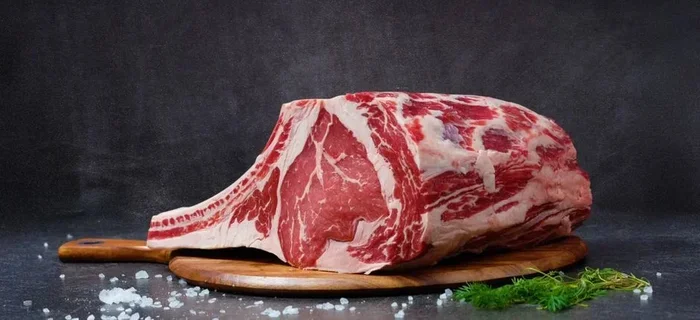
A boneless prime rib temperature chart is the single best tool for cooking a flawless roast. This guide gives you exact temperatures for every level of doneness, plus step-by-step cooking tips. Whether you are a beginner or a seasoned cook, you will find everything you need to nail your next prime rib.
Key Takeaways
- Target Temperature Matters: Pulling your boneless prime rib at the right internal temp ensures juicy, tender meat every time.
- Medium Rare Is the Sweet Spot: Most experts recommend 130-135 degrees Fahrenheit for the perfect medium rare prime rib.
- Resting Is Non-Negotiable: Letting your roast rest for 20-30 minutes allows juices to redistribute and carryover cooking to finish the job.
- Use a Meat Thermometer: A reliable thermometer removes all guesswork and prevents overcooking.
- Size Affects Cooking Time: A boneless prime rib per pound rule helps you estimate how long your roast needs in the oven.
- Season Simply: Salt, pepper, and garlic go a long way in letting the natural flavor of a boneless beef roast shine.
📑 Table of Contents
- Why Temperature Control Matters for Boneless Prime Rib
- The Complete Boneless Prime Rib Temperature Chart
- How to Cook Boneless Prime Rib Like a Pro
- Common Mistakes to Avoid When Cooking Prime Rib
- Expert Tips for Juicy, Flavorful Prime Rib
- Comparing Cooking Methods for Boneless Prime Rib
- Storing and Reheating Leftover Prime Rib
- Conclusion
Why Temperature Control Matters for Boneless Prime Rib
Cooking a boneless prime rib is one of the most rewarding things you can do in the kitchen. But it is also one of the most intimidating. A single degree can mean the difference between a perfect roast and a dry, tough disaster.
This is exactly why a boneless prime rib temperature chart is so valuable. It takes all the guesswork out of the equation. Instead of poking the meat and hoping for the best, you get clear, reliable targets to aim for. Whether you prefer medium rare prime rib or something more well done, a temperature chart gives you the roadmap.
The beauty of a boneless beef roast is its simplicity. Without a bone, the meat cooks more evenly. This makes temperature control even more predictable. You do not have to worry about hot spots or uneven heat around a bone. Your meat thermometer becomes your best friend.
In this guide, we walk you through everything you need to know. From the ideal prime rib oven temperature to resting times and common mistakes, we have you covered. Let us dive in.
The Complete Boneless Prime Rib Temperature Chart
The most important part of any boneless prime rib temperature chart is the target internal temperature. This is what determines your final result. Here is a quick reference guide for every level of doneness.
Prime Rib Doneness Levels and Target Temperatures
Different people prefer their roast cooked to different levels. Here is what you should aim for based on your preference:
- Rare: 120-125 degrees Fahrenheit. A cool red center with a soft texture. This is not for everyone, but steak lovers swear by it.
- Medium Rare: 130-135 degrees Fahrenheit. The most popular choice. A warm red center that is juicy and tender.
- Medium: 135-145 degrees Fahrenheit. A pink center with a firmer bite. Great for those who want a bit more structure.
- Medium Well: 145-155 degrees Fahrenheit. Very little pink left. Still moist but less juicy than lower temps.
- Well Done: 155+ degrees Fahrenheit. No pink at all. This tends to be drier, so it requires careful cooking.
Pro Tip: Always pull your roast 5 degrees below your target temp. Carryover cooking will raise the temperature by 5 to 10 degrees as the meat rests. This is a crucial detail that many home cooks overlook.
Understanding Carryover Cooking
Carryover cooking is the gradual rise in temperature after you remove the roast from the oven. The residual heat continues to cook the interior. This is why resting your roast is just as important as the cooking itself.
For a large boneless prime rib roast, carryover can add 5 to 15 degrees depending on the size. A bigger roast retains more heat. So if you want medium rare at 135 degrees, pull it at around 125 to 130 degrees.
This concept applies whether you are using a standard oven or a slow roast prime rib method. Always factor carryover into your boneless prime rib temperature chart planning.
How to Cook Boneless Prime Rib Like a Pro
Now that you know your target temperatures, let us talk about how to actually cook the roast. The method you choose makes a big difference in the final result.
Step-by-Step Oven Method
The oven roast method is the most popular way to cook boneless prime rib. It is simple, reliable, and produces stunning results every time.
- Bring the roast to room temperature. Take it out of the fridge 1 to 2 hours before cooking. This helps it cook more evenly.
- Season generously. Use salt, pepper, garlic powder, and fresh herbs. A simple prime rib seasoning blend works wonders.
- Preheat your oven. Set it to 450 degrees Fahrenheit for the initial sear. This creates a beautiful crust on the outside.
- Sear for 15 minutes. Place the roast fat side up in a roasting pan. The high heat locks in juices.
- Reduce heat to 325 degrees Fahrenheit. This is the ideal prime rib oven temperature for the slow cook phase.
- Cook until 5 degrees below target. Use your meat thermometer to check the internal temp regularly.
- Rest for 20 to 30 minutes. Tent loosely with foil and let the juices settle.
For a general rule of thumb, plan on about 15 to 20 minutes per pound at 325 degrees Fahrenheit after the initial sear. But always rely on your thermometer, not the clock.
Reverse Sear Method for Perfect Crust
The reverse sear prime rib method is gaining popularity among home cooks. Instead of starting with high heat, you cook low and slow first, then finish with a hot sear.
Here is how it works:
- Preheat your oven to 250 degrees Fahrenheit.
- Place the seasoned roast in the oven and cook until it reaches 10 to 15 degrees below your target internal temp.
- Remove and sear on a hot skillet or grill for 2 to 3 minutes per side.
- Rest and serve.
This method gives you an incredibly even doneness throughout the roast with a deep, flavorful crust. It takes longer but is well worth the effort.
Slow Cooker and Crockpot Options
If you prefer set-it-and-forget-it cooking, a slow cooker can work well for a boneless beef roast. While it does not give you the same crust as an oven roast, it produces incredibly tender meat.
For best results, sear the roast first on the stovetop. Then transfer it to the slow cooker with your favorite liquid and aromatics. Cook on low for 6 to 8 hours. Use your meat thermometer to check for doneness.
Some cooks also like to use high-temperature plastic wrap for sous vide-style cooking before finishing in a hot oven. This technique can give you incredibly precise temperature control.
Common Mistakes to Avoid When Cooking Prime Rib
Even experienced cooks can make mistakes with a boneless prime rib roast. Here are the most common pitfalls and how to avoid them.
Skipping the Thermometer
This is the number one mistake. Relying on time alone or poking the meat with a fork is not accurate. A digital meat thermometer is inexpensive and gives you precise readings every time. Insert it into the thickest part of the roast, avoiding any fat pockets.
Not Letting the Roast Rest
Cutting into your roast right away is tempting but damaging. The juices need time to redistribute. If you slice too early, they run out onto the cutting board instead of staying in the meat. Always rest for at least 20 minutes.
Overcooking by Just a Few Degrees
Prime rib goes from perfect to dry very quickly. Medium rare at 135 degrees is ideal for most people. But pushing it to 145 or 150 degrees can make the meat lose its juiciness. Trust your thermometer and pull early.
Seasoning Too Late
For the best flavor, season your roast the night before. Rub the salt and spices all over and let it sit uncovered in the fridge overnight. This dries the surface slightly, which leads to a better crust during cooking.
Ignoring the Roast Size
The size of your roast matters a lot. A small boneless prime rib per pound will cook faster than a large one. Plan accordingly and adjust your cooking time. A general guideline is 15 to 20 minutes per pound at 325 degrees after searing.
Expert Tips for Juicy, Flavorful Prime Rib
Want to take your boneless prime rib to the next level? These expert tips will help you achieve restaurant-quality results at home.
Choose the Right Roast Size
For a gathering of 4 to 6 people, a 3 to 4 pound roast works perfectly. For larger groups, aim for about 1 pound per person. A bigger roast needs more cooking time, so plan accordingly.
Use Bone-In Stock for Extra Flavor
If you have access to bone-in prime rib, save the bones. Roast them at 350 degrees for 30 minutes, then simmer them into a rich stock. Use this as the base for a pan sauce or au jus. It adds incredible depth of flavor.
Let the Roast Breathe After Cooking
After resting, give your roast 10 to 15 minutes at room temperature before slicing. This final rest helps the temperature stabilize evenly throughout the meat. It also makes slicing much easier.
Slice Against the Grain
When it is time to serve, always cut against the grain. This shortens the muscle fibers and makes each slice more tender. Look for the direction of the muscle lines and cut perpendicular to them.
Pair with Simple Sides
Prime rib is rich and flavorful on its own. Keep your sides simple. Roasted potatoes, steamed green beans, and a fresh horseradish cream sauce complement the meat perfectly without competing for attention.
Comparing Cooking Methods for Boneless Prime Rib
There are several ways to cook a boneless prime rib. Each method has its strengths. Here is a quick comparison to help you decide which approach works best for you.
| Method | Time | Difficulty | Best For |
|---|---|---|---|
| Oven Roast (Standard) | 2-3 hours | Easy | Most home cooks, consistent results |
| Reverse Sear | 3-4 hours | Medium | Even doneness, restaurant-quality crust |
| Slow Cooker | 6-8 hours | Easy | Set-it-and-forget-it, tender results |
| Sous Vide + Sear | 4-5 hours | Advanced | Precision cooking, edge-to-edge perfection |
No matter which method you choose, the boneless prime rib temperature chart remains the same. Internal temperature is the ultimate guide. Use it every single time.
Storing and Reheating Leftover Prime Rib
Got leftovers from your boneless beef roast? You are in luck. Prime rib reheats beautifully if you do it right.
Store sliced roast in an airtight container in the fridge for up to 3 days. For reheating, place slices in a baking dish, add a splash of beef broth, and cover with high-temperature plastic wrap. Warm in the oven at 250 degrees Fahrenheit until heated through. This keeps the meat moist and tender.
You can also freeze cooked prime rib for up to 3 months. Wrap individual slices tightly and thaw in the fridge overnight before reheating.
If you enjoy cooking other boneless meat recipes with similar techniques, check out this collection of 13 boneless pork chop recipes for more inspiration. The same temperature principles apply to pork and other proteins.
Conclusion
Cooking a perfect boneless prime rib does not have to be scary. With the right boneless prime rib temperature chart, a reliable meat thermometer, and a little patience, you can serve a roast that rivals any steakhouse. Remember to pull your roast early, let it rest, and trust the process.
The key to success is knowing your target temperatures and sticking to them. Whether you love medium rare prime rib or prefer something more cooked through, this guide gives you everything you need. So fire up your oven, season that roast, and enjoy the process. Your family and guests will thank you.
For more delicious boneless roast recipes and cooking tips, explore our collection of guides on cooking meats to perfection. Happy cooking!
Frequently Asked Questions
What is the best internal temperature for boneless prime rib?
The best internal temperature for boneless prime rib is 130 to 135 degrees Fahrenheit for medium rare. This is the most popular doneness level because it delivers the perfect balance of juiciness and flavor. Always pull your roast 5 degrees early to account for carryover cooking.
How long does it take to cook a boneless prime rib?
Cooking time depends on the size of your roast and the method you use. As a general rule, plan for about 15 to 20 minutes per pound at 325 degrees Fahrenheit after the initial sear. A 4-pound roast typically takes about 1.5 to 2 hours total. Always use a thermometer rather than relying on time alone.
Should I sear my boneless prime rib before roasting?
Yes, searing is highly recommended. A hot sear at 450 degrees Fahrenheit for 15 minutes creates a flavorful crust that locks in juices. This step is the foundation of a great roast and applies whether you are cooking beef, pork, or chicken.
How long should I rest boneless prime rib before slicing?
Rest your boneless prime rib for at least 20 to 30 minutes after removing it from the oven. This allows the juices to redistribute throughout the meat. Tent it loosely with foil to keep it warm during the rest period.
Can I use a meat thermometer for other boneless roasts?
Absolutely. A meat thermometer is essential for any type of boneless roast, whether it is beef, pork, or chicken. The same principles of internal temperature and carryover cooking apply across all proteins. For more boneless meat inspiration, check out these quick boneless chicken thigh recipes that use similar techniques.
What is the difference between bone-in and boneless prime rib?
A boneless prime rib cooks more evenly and is easier to slice. A bone-in roast has more flavor from the bone but can be trickier to cook uniformly. Both are delicious, and the choice comes down to personal preference and your cooking experience level.