Our pork tenderloin temperature chart shows you the exact internal temperatures, cooking times, and tips for juicy, safe pork every time. Whether you oven-roast, grill, or pan-sear, this guide has you covered with simple steps and clear numbers. You will learn safe USDA temps, how to rest your meat, and common mistakes to avoid. Pork tenderloin is one of the most versatile cuts you can cook at home. Follow this chart and you will never overcook pork again.
Pork tenderloin is one of the most popular cuts for home cooks. It is lean, tender, and cooks fast. But it can also dry out quickly if you are not careful. That is why knowing the right pork tenderloin temperature chart matters so much. A simple thermometer and a clear temp guide can make the difference between a dry, tough meal and a juicy, flavorful masterpiece.
Many people still think pork needs to be cooked well-done. That old advice is outdated. The USDA now recommends cooking pork to 145°F, which keeps it safe and moist. In this guide, we walk you through everything you need to know about pork tenderloin temps, cooking methods, and pro tips. By the end, you will feel confident cooking pork tenderloin every single time.
Key Takeaways
- Safe Internal Temp: Cook pork tenderloin to 145°F for juicy, safe results according to USDA guidelines.
- Use a Meat Thermometer: Always use a reliable thermometer to check the thickest part of the meat.
- Rest Your Meat: Let pork tenderloin rest for 3-5 minutes after cooking to lock in juices.
- Cooking Times Vary: Oven, grill, and pan methods all have different times and temps to monitor.
- Avoid Overcooking: Pull pork tenderloin off heat at 140-142°F since carryover cooking raises the temp by 5°F.
- Boneless vs Bone-In: Boneless tenderloin cooks faster and more evenly than bone-in cuts.
📑 Table of Contents
- Why Temperature Matters for Pork Tenderloin
- Pork Tenderloin Temperature Chart: The Complete Guide
- How to Use a Meat Thermometer for Pork Tenderloin
- Common Mistakes When Cooking Pork Tenderloin
- Pork Tenderloin vs Pork Chop: Key Differences
- Best Pork Tenderloin Recipes and Flavor Ideas
- Food Safety Tips for Cooking Pork
- Frequently Asked Questions
- Conclusion
Why Temperature Matters for Pork Tenderloin
Pork tenderloin is a lean cut with very little fat. Unlike pork shoulder or ribs, it does not have much marbling to keep it moist during cooking. This means temperature control is absolutely critical. Even a few degrees can turn a perfect tenderloin into a dry, chalky disappointment.
The pork tenderloin temperature chart gives you a clear target. When you hit the right internal temperature, the proteins in the meat stay tender and juicy. Go too high, and the moisture squeezes right out. Use a good meat thermometer and check the thickest part of the loin. This one tool will transform your cooking results.
Understanding Carryover Cooking
One thing many beginners miss is carryover cooking. After you remove pork from the heat, the internal temperature continues to rise. This can add 5 to 10 degrees in just a few minutes. That is why you should pull your tenderloin off the heat a few degrees before it hits the target temp. If you are aiming for 145°F, pull it at around 140°F. The carryover will bring it up to the safe zone without overcooking.
Pork Tenderloin Temperature Chart: The Complete Guide
Here is a simple pork tenderloin temperature chart you can use every time you cook. This chart covers the most common methods and gives you clear numbers to follow.
Pork Tenderloin Internal Temperature by Doneness
Not everyone likes their pork cooked the same way. Some prefer a slight blush in the center, while others want it fully white. Here is how the temps break down:
- 120°F: Very rare. The center is completely raw. Not safe to eat.
- 130°F: Rare. The center is pink and cool. Not recommended for pork.
- 140°F: Medium-rare. Slightly pink center. Safe if you rest the meat properly.
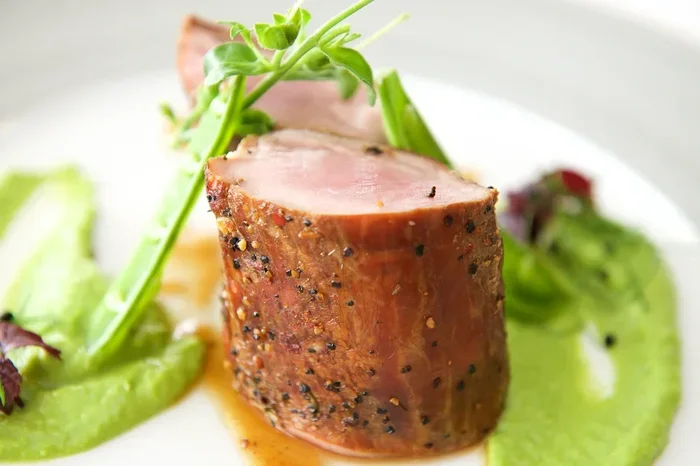
- 145°F: Medium. The USDA recommended safe temperature. Slight blush in the center.
- 150°F: Medium-well. Minimal pink. Still juicy if you do not overcook it.
- 160°F+: Well-done. Very dry and tough. Not recommended for tenderloin.
The sweet spot for most cooks is 145°F with a 3-minute rest. This gives you safe, juicy pork with a slightly pink center. It is the best balance of food safety and flavor.
Pork Tenderloin Cooking Times by Method
Different cooking methods require different approaches. Here is how the pork tenderloin temperature chart looks across the most popular methods:
- Oven Roasting: Roast at 400°F for 20-25 minutes. Check temp at 18 minutes. Target 145°F internal.
- Grilling: Use indirect heat at 375-400°F. Cook for 12-18 minutes, turning once. Target 145°F internal.
- Pan-Searing: Sear over medium-high heat for 3-4 minutes per side. Finish in a 400°F oven if needed. Target 145°F internal.
- Slow Cooking: Cook on low for 4-6 hours or high for 2-3 hours. Target 145°F internal.
Always let the meat rest for 3 to 5 minutes after cooking. This lets the juices redistribute throughout the tenderloin. Skip this step, and you will lose moisture the moment you cut into it.
How to Use a Meat Thermometer for Pork Tenderloin
A meat thermometer is the single most important tool for cooking pork tenderloin. Without one, you are guessing. And guessing leads to overcooked or undercooked meat. Here is how to use it correctly every time.
Choosing the Right Thermometer
Not all thermometers are the same. A digital instant-read thermometer gives you fast, accurate readings. Insert it into the thickest part of the tenderloin, away from the bone if there is one. Do not let the probe touch the pan or grill. That will give you a false reading. For oven cooking, a leave-in probe thermometer is a great option. It lets you monitor the temp without opening the oven door every few minutes.
Where to Insert the Thermometer
Placement matters a lot. Insert the probe into the center of the thickest part of the pork tenderloin. Avoid touching fat or gristle, as those areas read differently. For even cooking, check the temp in two or three spots. The tenderloin should reach a uniform temperature throughout. If one area reads cooler, keep cooking for another 2 to 3 minutes and check again.
Quick Tips for Thermometer Use
- Calibrate your thermometer before each use. Ice water should read 32°F.
- Wait 15 seconds for a digital reading to stabilize.
- Clean the probe between checks with a warm, damp cloth.
- Never rely on color alone to judge doneness. Always use a thermometer.
Common Mistakes When Cooking Pork Tenderloin
Even experienced cooks make mistakes with pork tenderloin. These errors can ruin an otherwise great meal. Here are the most common ones and how to avoid them.
Overcooking the Tenderloin
This is the number one mistake. Pork tenderloin is lean and dries out fast. Many people cook it too long, thinking more time equals more safety. But once you hit 145°F, pull it off the heat. The carryover cooking will bring it up to the right temp. Leaving it on the heat another 5 minutes can turn it into a dry, tough log.
Skipping the Rest Period
Resting is not optional. When you cut into hot pork right off the heat, all the juices run out onto the cutting board. Let the tenderloin rest for 3 to 5 minutes. The juices redistribute and the meat stays moist. Tent it loosely with foil to keep it warm during the rest.
Not Marinating or Seasoning Properly
Pork tenderloin has a mild flavor that benefits greatly from seasoning. A simple marinade of olive oil, garlic, and herbs works wonders. You can also use a dry rub with paprika, cumin, and brown sugar. Marinate for at least 30 minutes or up to overnight for the best flavor. Check out some boneless pork chop recipes for marinade ideas that work beautifully on tenderloin too.
Pork Tenderloin vs Pork Chop: Key Differences
People often confuse pork tenderloin with pork chops. They are different cuts with different cooking needs. Understanding the difference helps you apply the right pork tenderloin temperature chart for each cut.
Pork tenderloin is a long, narrow muscle that runs along the spine. It is very lean and cooks quickly. Pork chops come from the loin and can be bone-in or boneless. They have more fat and marbling, which makes them more forgiving during cooking. If you want a cut that is more forgiving, high protein pork chop recipes are a great place to start for weeknight dinners.
For tenderloin, you need to be more precise with temperature. For chops, you have a slightly wider range because the extra fat keeps them moist longer. Both cuts benefit from reaching an internal temp of 145°F, but tenderloin needs more careful monitoring.
Best Pork Tenderloin Recipes and Flavor Ideas
Once you master the temperature chart, the fun part begins: flavor. Pork tenderloin takes on marinades and seasonings beautifully. Here are some ideas to get you started.
Simple Herb Marinade
Mix olive oil, minced garlic, rosemary, thyme, salt, and pepper. Coat the tenderloin and refrigerate for at least 1 hour. Roast at 400°F until it hits 145°F internal. This classic approach lets the natural pork flavor shine.
Sweet and Savory Glaze
Combine honey, Dijon mustard, and apple cider vinegar. Brush it on during the last 5 minutes of cooking. The glaze caramelizes and creates a beautiful crust. This pairs well with roasted vegetables or a fresh salad.
Asian-Inspired Flavor
Use soy sauce, sesame oil, ginger, and a splash of rice vinegar. Marinate for 2 hours and grill or sear. Top with sliced scallions and sesame seeds for a restaurant-quality meal at home.
For more recipe inspiration, check out fast fry pork chop recipes that use similar techniques. The high-heat sear method works just as well on tenderloin.
Food Safety Tips for Cooking Pork
Food safety is always important when cooking pork. Here are the key rules to follow:
- Cook to 145°F: This is the USDA safe temperature for whole cuts of pork. Use a thermometer to confirm.
- Store Properly: Keep raw pork refrigerated at 40°F or below. Use within 3 to 5 days or freeze for longer storage.
- Avoid Cross-Contamination: Use separate cutting boards and utensils for raw pork and other foods. Wash hands thoroughly after handling raw meat.
- Thaw Safely: Thaw frozen pork in the refrigerator, not on the counter. This prevents bacteria growth in the danger zone.
- Rest Before Serving: Always let cooked pork rest for at least 3 minutes before cutting into it.
If you are cooking for a crowd or meal prepping, leftover pork chop recipe ideas can help you repurpose any extra meat safely and deliciously. Always reheat leftover pork to 165°F before serving.
Frequently Asked Questions
What is the safe internal temperature for pork tenderloin?
The USDA recommends cooking pork tenderloin to an internal temperature of 145°F, followed by a 3-minute rest. This temperature ensures the meat is safe to eat while staying juicy and tender. Always use a meat thermometer to check the thickest part of the loin.
Can pork tenderloin be pink in the middle?
Yes, pork tenderloin can be slightly pink at 145°F. The pink color is perfectly safe and indicates a moist, tender result. Color is not a reliable indicator of doneness. Always rely on a thermometer rather than how the meat looks.
How long does it take to cook pork tenderloin in the oven?
At 400°F, pork tenderloin typically takes 20 to 25 minutes to reach 145°F internal. The exact time depends on the thickness of the cut and whether it is tied or untied. Check the temperature starting at the 18-minute mark to avoid overcooking.
Should I cover pork tenderloin with foil while resting?
Yes, loosely tenting pork tenderloin with foil during the rest period is a good practice. This keeps the meat warm while allowing steam to escape. Trapping too much heat can cause the meat to continue cooking and dry out. A loose foil tent is the ideal approach.
How do I prevent pork tenderloin from drying out?
To prevent drying out, pull the tenderloin off heat at 140°F and let carryover cooking bring it to 145°F. Do not overcook, and always let the meat rest for 3 to 5 minutes before cutting. Marinating or brining the tenderloin beforehand also helps retain moisture during cooking.
What is the best way to store cooked pork tenderloin?
Store cooked pork tenderloin in an airtight container in the refrigerator within 2 hours of cooking. It will keep for 3 to 4 days in the fridge. For longer storage, wrap it tightly and freeze for up to 3 months. Reheat to 165°F before serving.
Conclusion
Cooking the perfect pork tenderloin comes down to one simple thing: temperature. Use this pork tenderloin temperature chart as your go-to guide every time you cook. Whether you roast it in the oven, grill it outdoors, or sear it in a pan, hitting the right internal temp of 145°F will give you juicy, safe, and delicious results every time. Always use a meat thermometer, let the meat rest, and avoid the common mistake of overcooking. With these tips in hand, you can serve pork tenderloin that rivals any restaurant meal. So grab your thermometer, pick your favorite seasoning, and get cooking. Your perfect pork tenderloin is just a few minutes away.