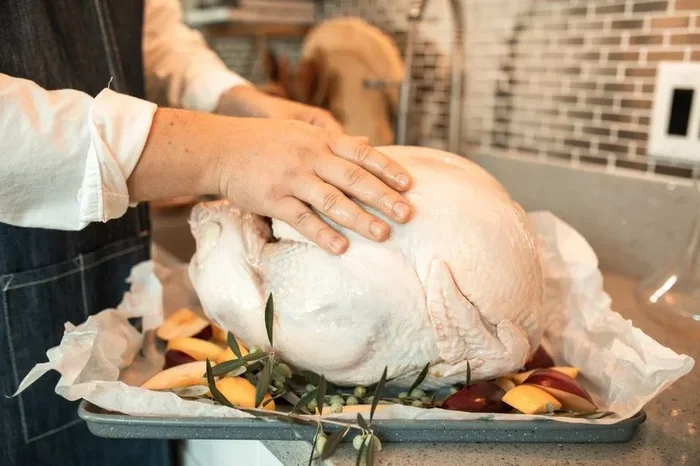
How long does it take to defrost a turkey? The answer depends on the method you choose. Refrigerator thawing takes about 24 hours per 4 to 5 pounds, cold water thawing takes roughly 30 minutes per pound, and microwave thawing varies by machine. Always follow food safety guidelines to keep your Thanksgiving turkey safe and delicious.
Planning a Thanksgiving dinner can feel overwhelming. One of the biggest questions home cooks face is figuring out how long does it take to defrost a turkey. The thawing process is not as simple as just pulling the bird from the freezer and setting it on the counter. Different methods take different amounts of time, and some are much safer than others.
Whether you have a small turkey breast or a giant whole turkey, understanding your options makes all the difference. This guide breaks down every thawing method, gives you exact timing charts, and shares practical tips to make your holiday meal a success. Let us walk through everything you need to know about defrosting turkey the right way.
Key Takeaways
- Plan Ahead: Refrigerator thawing requires about 24 hours per 4 to 5 pounds, so start several days before Thanksgiving.
- Cold Water Is Faster: This method takes about 30 minutes per pound and works well if you forgot to start earlier.
- Microwave Thawing Is Quickest: Use this only for smaller birds and cook immediately after thawing.
- Food Safety Matters: Never thaw a turkey on the counter. Bacteria can grow rapidly at room temperature.
- Cook From Frozen If Needed: You can cook a turkey without thawing it first, but it takes about 50 percent longer.
- Check Internal Temperature: Always use a meat thermometer to confirm the turkey reaches 165°F in the thickest part.
📑 Table of Contents
- Why Turkey Thawing Time Matters
- The Refrigerator Method: Safest and Most Reliable
- The Cold Water Method: Faster but Requires Attention
- The Microwave Method: Quickest but Limited
- Can You Cook a Turkey From Frozen?
- Food Safety Tips for Thawing Turkey
- Common Mistakes People Make When Thawing Turkey
- Expert Tips for Perfect Turkey Preparation
- Final Thoughts
Why Turkey Thawing Time Matters
The turkey thawing time matters for two big reasons. First, food safety. A frozen turkey is safe indefinitely, but once it starts to thaw, bacteria can multiply quickly if the outer layers reach the danger zone between 40°F and 140°F. Second, cooking quality. A properly thawed turkey cooks more evenly and stays juicier than one cooked straight from frozen.
Your turkey size directly affects how long the process takes. A 10-pound bird needs far less time than a 20-pound bird. Always plan ahead and give yourself extra buffer time. Nothing ruins Thanksgiving faster than a still-frozen turkey when guests arrive.
How Turkey Size Affects Thawing
Here is a simple rule of thumb. For every 4 to 5 pounds of turkey weight, you need one full day in the refrigerator. So a 10-pound bird takes about two days, and a 20-pound bird needs four days. This is the most reliable way to estimate your thawing time and is the method most recommended by food safety experts.
| Turkey Weight | Refrigerator Time | Cold Water Time | Microwave Time |
|---|---|---|---|
| 8-10 lbs | 2 days | 4-5 hours | 2-3 hours |
| 12-14 lbs | 3 days | 6-7 hours | 3-4 hours |
| 16-18 lbs | 4 days | 8-9 hours | 4-5 hours |
| 20-22 lbs | 5 days | 10-11 hours | 5-6 hours |
| 24-25 lbs | 6 days | 12-13 hours | Not recommended |
The Refrigerator Method: Safest and Most Reliable
The refrigerator method is the gold standard for safe defrosting. It keeps the turkey at a consistent, cold temperature that prevents bacterial growth. This is the method most food safety experts recommend, and it is the one that gives you the most flexibility.
Step-by-Step Refrigerator Thawing
Follow these simple steps for the best results:
- Place the wrapped turkey on a tray or baking sheet to catch any drips.
- Put it on the bottom shelf of your refrigerator. This prevents raw juices from dripping onto other foods.
- Make sure your refrigerator temperature stays at 40°F or below.
- Allow about 24 hours for every 4 to 5 pounds of bird weight.
- Once thawed, the turkey can safely stay in the refrigerator for 1 to 2 more days before cooking.
This method is hands-off. You do not need to monitor it or flip the bird. Simply set it and forget it. The tradeoff is that it requires the most planning ahead of time.
Tips for Refrigerator Thawing
Place a large tray underneath the turkey to catch any liquid that leaks out. If you are short on fridge space, consider thawing the bird in a cooler filled with ice. This works well if your refrigerator is too full during the holiday season. Just make sure the temperature stays below 40°F inside the cooler.
Proper raw turkey handling is essential. Always wash your hands after touching the raw bird, and sanitize any surfaces it contacts. If you are concerned about cross-contamination, you can store the thawing turkey away from other foods, much like you would when you store eggs for long term in a cool, separate space.
The Cold Water Method: Faster but Requires Attention
If you forgot to start thawing in the refrigerator, the cold water thawing method is your best backup plan. This method is significantly faster than refrigerator thawing, but it requires more hands-on effort and careful monitoring.
How Cold Water Thawing Works
The principle is simple. Cold water transfers heat faster than still air, so it thaws the turkey more quickly. However, the water must stay cold. Warm or hot water creates a breeding ground for bacteria on the outer surface of the bird before the inside is fully thawed.
Step-by-Step Cold Water Thawing
- Keep the turkey in its original leak-proof packaging.
- Submerge the wrapped bird in cold tap water.
- Change the water every 30 minutes to keep it cold.
- Allow about 30 minutes per pound of turkey weight.
- Cook the turkey immediately after thawing is complete.
A 12-pound turkey will take roughly 6 hours using this method. A 20-pound bird could take 10 hours or more. Set a reminder to change the water every half hour. It is tedious but necessary for food safety.
This method works great when you realize the morning of Thanksgiving that you forgot to thaw the bird overnight. Just start early in the morning, and you will have a ready-to-cook turkey by dinner time. For more tips on keeping your cooked bird warm while you finish preparing the rest of the meal, check out our guide on how to keep a turkey warm in the oven.
The Microwave Method: Quickest but Limited
The microwave is the fastest way to thaw a turkey, but it comes with significant limitations. Most microwaves cannot accommodate a full-sized turkey. This method works best for smaller birds, turkey breasts, or when you are in a real rush.
Microwave Thawing Guidelines
Follow these steps for microwave thawing:
- Remove all outer packaging and place the turkey in a microwave-safe dish.
- Use the defrost setting on your microwave.
- Follow the manufacturer’s instructions for weight-based thawing times.
- Rotate and flip the turkey halfway through the process.
- Cook the turkey immediately after thawing. Never refreeze a turkey thawed in the microwave.
Because microwave thawing can start cooking parts of the bird unevenly, it is important to cook the turkey right away. The edges may begin to cook while the center is still frozen. This creates uneven texture and can affect flavor.
If your microwave does not have a defrost setting, you can still use it on a low power level. Check the turkey every 10 minutes and separate any parts that start to soften. This method is not ideal for a whole turkey but works well for individual pieces or smaller cuts.
Can You Cook a Turkey From Frozen?
Yes, you can cook a turkey without thawing it first. The USDA says it is perfectly safe to cook a frozen turkey, as long as you follow a few important rules. The cooking time will be about 50 percent longer than for a fully thawed bird.
Rules for Cooking a Frozen Turkey
- Do not stuff the turkey. Stuffing inside a frozen bird will not reach a safe temperature quickly enough.
- Increase your cooking time by about 50 percent.
- Use a meat thermometer to check that the internal temperature reaches 165°F in the thickest part of the thigh.
- Avoid using a slow cooker for a frozen turkey. It heats too slowly and keeps the bird in the danger zone too long.
- Roasting in the oven is the safest method for cooking from frozen.
Cooking from frozen is a great backup plan if you forget to thaw or run out of time. The results may not be quite as even as a properly thawed bird, but it is a perfectly safe and workable option. Many home cooks have successfully roasted frozen turkeys and served delicious meals on Thanksgiving day.
Food Safety Tips for Thawing Turkey
Food safety should always be your top priority when handling raw turkey. A few simple precautions can prevent foodborne illness and keep your guests safe and happy.
Never Thaw on the Counter
This is the single most important rule. Leaving a turkey out on the kitchen counter at room temperature allows the outer layers to enter the danger zone while the inside is still frozen. Bacteria multiply rapidly between 40°F and 140°F. Never leave a raw turkey out for more than two hours total, and ideally much less.
Keep It Clean
Always wash your hands thoroughly with soap and warm water after handling raw turkey. Sanitize cutting boards, countertops, and any utensils that come into contact with the raw bird. Cross-contamination is one of the leading causes of kitchen foodborne illness.
Use a Meat Thermometer
Whether you thaw your turkey using the refrigerator, cold water, or microwave, always verify the internal temperature before serving. Insert the thermometer into the thickest part of the thigh, the thickest part of the breast, and the innermost part of the wing. All three spots should read 165°F or higher.
When serving your beautifully cooked turkey alongside other dishes, remember that food safety extends to the serving table too. Keep hot dishes warm and cold dishes chilled. You can find helpful tips on maintaining proper serving temperatures in our article on how to keep a charcuterie board cold.
Common Mistakes People Make When Thawing Turkey
Even experienced cooks make mistakes when thawing their Thanksgiving turkey. Here are the most common errors and how to avoid them.
Waiting Too Long to Start
The most common mistake is not planning ahead. Many people forget that a large turkey needs several days to thaw in the refrigerator. Mark your calendar a few days before Thanksgiving and set a reminder to start the thawing process.
Using Hot Water Instead of Cold
Some people think using hot water will speed things up. It does, but it also creates a serious food safety hazard. Hot water cooks the outer surface of the turkey while the inside remains frozen, creating an ideal environment for bacterial growth. Always use cold water only.
Not Changing the Water Frequently Enough
When using the cold water method, failing to change the water every 30 minutes allows the water temperature to rise. This puts the turkey in the danger zone. Set a timer and stay on top of this step.
Refreezing Improperly Thawed Turkey
Turkey thawed in the refrigerator can be safely refrozen. But turkey thawed using the cold water or microwave method should be cooked immediately and not refrozen. Refreezing improperly thawed turkey can lead to texture problems and food safety risks.
Expert Tips for Perfect Turkey Preparation
Once your turkey is fully thawed, a few extra steps can take your bird from good to great. Brining the turkey adds moisture and flavor. Dry brining with salt works well if you only have a day or two before cooking. Wet brining requires more time but produces incredibly juicy results.
Pat the turkey dry with paper towels before seasoning. Dry skin crisps up beautifully in the oven and gives you that satisfying golden-brown finish everyone loves. If you are looking for ways to use your oven efficiently, our article on how to broil a hamburger in oven shares useful oven techniques that apply to turkey cooking as well.
Let the turkey rest for at least 20 to 30 minutes after cooking before carving. This allows the juices to redistribute throughout the meat, making every slice moist and flavorful. Cover the resting bird loosely with foil to keep it warm without steaming the skin.
Final Thoughts
So how long does it take to defrost a turkey? The answer really depends on the method you choose and the size of your bird. Refrigerator thawing is the safest and most reliable option, requiring about 24 hours per 4 to 5 pounds. Cold water thawing is faster but requires more attention. Microwave thawing is the quickest but only works for smaller birds.
The best approach is to plan ahead and give yourself plenty of time. Starting the thawing process early takes the stress out of Thanksgiving morning and ensures your turkey cooks evenly and safely. No matter which method you pick, always prioritize food safety and use a meat thermometer to confirm your turkey is fully cooked.
With the right thawing strategy, you will have a perfectly prepared Thanksgiving turkey ready to grace the center of your holiday table. Your guests will never know the effort that went into getting it just right. Happy cooking, and happy Thanksgiving!