
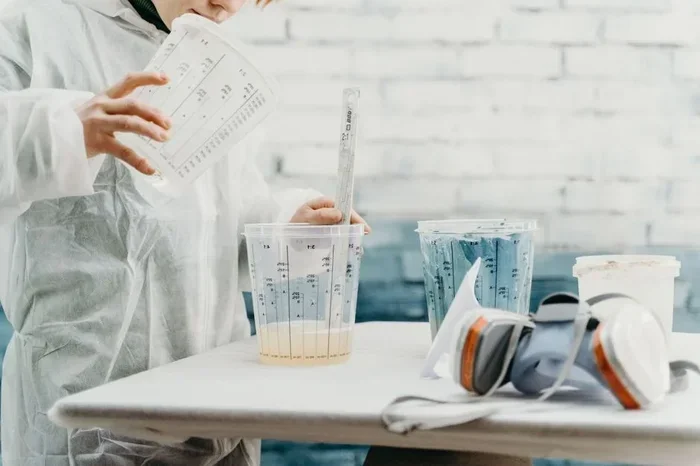
There are 16 cups in a gallon of liquid. This simple conversion is essential for cooking, baking, meal prep, and everyday kitchen tasks. Whether you are scaling a recipe or storing liquids, knowing your cup-to-gallon ratio saves time and prevents costly mistakes.
Ever stood in the kitchen staring at a recipe that calls for a gallon of liquid and thought, “How many cups is that, really?” You are not alone. Understanding how many cups in a gallon of liquid is one of those small kitchen facts that makes a huge difference. It helps you cook with confidence, scale recipes up or down, and avoid costly kitchen mistakes.
Whether you are meal prepping for the week, brewing a big batch of soup, or just trying to drink more water, knowing your liquid measurements matters. This guide breaks down everything you need to know about cup to gallon conversion in a simple, easy-to-follow way. No fancy math degree required. Just practical tips you can use right away.
Key Takeaways
- 16 cups equal 1 gallon: This is the standard US liquid measurement every home cook should know.
- Conversions build on each other: A gallon equals 4 quarts, 8 pints, and 16 cups.
- Liquid and dry measurements differ: Always use the right type of measuring cup for the best results.
- Scaling recipes becomes easy: Understanding gallon conversions helps you adjust servings up or down.
- Storage and hydration tracking: Knowing cup-to-gallon ratios helps with meal prep and daily water intake goals.
- Common mistakes are avoidable: Confusing liquid and dry cups or using the wrong conversion can ruin a recipe.
📑 Table of Contents
- What Is a Gallon and How Many Cups Does It Hold?
- The Full Conversion Chart for Liquid Measurements
- Why Knowing Cup-to-Gallon Conversions Matters in Cooking
- Liquid vs. Dry Measurements: What Is the Difference?
- Common Mistakes People Make with Gallon and Cup Conversions
- Practical Ways to Use Gallon Conversions Every Day
- Quick Reference: The Gallon to Cup Conversion Table
- Final Thoughts on Mastering Cup-to-Gallon Conversions
What Is a Gallon and How Many Cups Does It Hold?
A gallon is a unit of liquid volume used in the United States and a few other countries. It belongs to the US customary system of measurement. In simple terms, a gallon jug holds a lot of liquid. But exactly how much?
The answer is 16 cups. That is the standard US liquid gallon. Here is how the full breakdown looks:
- 1 gallon = 16 cups
- 1 gallon = 4 quarts
- 1 gallon = 8 pints
- 1 gallon = 128 fluid ounces
These numbers form a neat chain. Once you remember that 16 cups make a gallon, you can work backward or forward easily. For example, if a recipe needs half a gallon, you just divide 16 by 2 and get 8 cups. Simple, right?
Why the US Uses This System
The US customary system has been around for a long time. It evolved from British imperial measurements but took its own path. Most of the world uses the metric system, which is based on units of 10. The US system, however, uses ratios like 2 cups per pint and 4 quarts per gallon. Once you memorize these key ratios, kitchen math becomes second nature.
The Full Conversion Chart for Liquid Measurements
Having a quick reference chart makes cooking and baking so much easier. Here is a simple liquid measurement conversion chart you can keep in mind:
- 1 cup = 8 fluid ounces
- 2 cups (1 pint) = 16 fluid ounces
- 4 cups (1 quart) = 32 fluid ounces
- 8 cups (half gallon) = 64 fluid ounces
- 16 cups (1 gallon) = 128 fluid ounces
Notice the pattern? Each step doubles. This makes volume conversion feel less like math and more like a logical sequence. If you ever forget, just start from 1 cup (8 ounces) and keep doubling.
Quick Tip: Visualize It
A standard gallon milk jug holds 16 cups. Next time you see one at the store or in your fridge, picture it filled with 16 measuring cups. That mental image locks in the conversion and makes it stick. This is a trick many home cooks use when measuring ingredients for large batches.
Why Knowing Cup-to-Gallon Conversions Matters in Cooking
You might wonder why this matters so much. Can’t you just eyeball it? Well, maybe for a casual stir-fry. But for anything that requires precision, accurate liquid measurement is critical. Here is why this knowledge matters so much in the kitchen.
Scaling Recipes Up or Down
Imagine a soup recipe that serves 4 and calls for 2 cups of broth. Now you need to serve 16 people. That means you multiply everything by 4. The broth becomes 8 cups, which is exactly half a gallon. Without knowing your cup to gallon conversion, you might end up guessing, and guessing can lead to a watery or under-seasoned dish.
Scaling works the other way too. If you want to halve a recipe that calls for a gallon of liquid, you need to know that is 8 cups. Recipe scaling is one of the most practical skills in any kitchen, and it all starts with understanding basic volume units.
Baking Requires Precision
Baking is a science. Unlike cooking, where you can adjust on the fly, baking relies on exact ratios. If a bread dough or batter calls for a specific amount of liquid, getting it wrong can change the texture, rise, and taste entirely. Knowing that a gallon equals 16 cups helps you measure accurately every single time.
When you are working with large batches of bread or pastry, having a gallon jug as your measuring tool can be a game-changer. Just remember that liquid measuring cups and dry measuring cups are not the same thing. Always use a clear liquid measuring cup with a pour spout for the best accuracy.
Meal Prep and Batch Cooking
Meal prep often involves making large quantities of sauces, marinades, soups, or drinks. If your meal prep plan calls for a gallon of liquid, you now know that is 16 cups. This helps you portion things out correctly into containers or mason jars.
For example, if you like to store water in mason jars for the week, knowing how many cups fit in a gallon helps you plan your daily intake. Many people aim for half a gallon (8 cups) of water per day. That is a great goal, and now you know exactly what that looks like in your kitchen.
Liquid vs. Dry Measurements: What Is the Difference?
This is a common point of confusion, and it is important to clear it up. Liquid measuring cups and dry measuring cups are designed differently for a reason.
Liquid measuring cups are typically glass or plastic with a spout and measurement lines on the side. They are meant to be filled to the top and read at eye level. Dry measuring cups, on the other hand, are meant to be filled and leveled off with a flat edge.
Here is the key thing: when it comes to volume, one liquid cup and one dry cup hold the same amount. The difference is in how you measure them. A dry cup is designed to be scooped and leveled, while a liquid cup is designed to pour and read. Using the wrong type can lead to inaccurate results.
When to Use Each Type
- Liquid cups: Water, milk, broth, oil, juice, and any free-flowing liquid.
- Dry cups: Flour, sugar, rice, oats, and other dry ingredients.
If a recipe calls for a gallon of liquid, use a liquid measuring container. If you are working with dry ingredients and need a gallon’s worth, you will still use 16 dry cups, but the measuring method changes. Using the right tool is half the battle in accurate cooking and baking.
Common Mistakes People Make with Gallon and Cup Conversions
Even experienced cooks slip up with measurements sometimes. Here are some common mistakes to watch out for.
Confusing US and Imperial Gallons
The US liquid gallon is different from the imperial gallon used in the UK and Canada. A US gallon is about 3.785 liters, while an imperial gallon is about 4.546 liters. This means the number of cups in an imperial gallon is higher. For US recipes, always stick with the 16 cups per gallon rule. If you are following a British recipe, check the source carefully.
Not Reading the Measurement at Eye Level
When using a liquid measuring cup, always place it on a flat surface and bend down to read the line at eye level. Looking from above or below can give you a false reading. This small habit makes a big difference, especially when you are working with large volumes.
Overfilling or Underfilling
Some people scoop dry ingredients into a liquid measuring cup and tap it flat. This does not work well. Use the right cup type for the right ingredient. When measuring coffee in a coffee maker or any other liquid, pour slowly and check the line carefully.
Practical Ways to Use Gallon Conversions Every Day
Now that you know the basics, let us talk about how to apply this knowledge in real life. These practical tips will help you use gallon and cup conversions with confidence.
Tracking Daily Water Intake
Health experts often recommend drinking about 8 cups of water a day. That is half a gallon. If you use a gallon jug, you know that finishing it means you drank 16 cups, which is double the daily recommendation. A simple gallon jug on your counter can be a great visual reminder to stay hydrated.
Making Large Batches of Drinks
Hosting a party or family gathering? If you need to make a gallon of lemonade, iced tea, or punch, you now know you are making 16 cups. This helps you plan how much sugar, flavoring, and ice you need. It also helps you figure out how many servings you will have.
Following Recipes from Different Sources
Recipes online come from all over the world. Some use metric, some use cups, and some use ounces. When you see a recipe that lists ingredients in gallons or quarts, you can quickly convert to cups. This skill is especially helpful when boiling in an Instant Pot or using other kitchen appliances where liquid amounts matter for safe operation.
Storing and Organizing Liquids
If you like to store water in mason jars for convenience or emergency prep, knowing that a quart (4 cups) fits well in a standard quart-sized jar helps you plan. Four quart jars make one gallon. This kind of planning makes storage efficient and organized.
Quick Reference: The Gallon to Cup Conversion Table
Here is a handy reference table you can bookmark or screenshot for quick kitchen use:
- 1/2 gallon = 8 cups = 64 fluid ounces
- 1 gallon = 16 cups = 128 fluid ounces
- 2 gallons = 32 cups = 256 fluid ounces
- 5 gallons = 80 cups = 640 fluid ounces
Keep this table handy. Over time, you will memorize the main conversions and not even need to think about them. The goal is to make liquid measurement feel effortless in your daily cooking routine.
Final Thoughts on Mastering Cup-to-Gallon Conversions
Knowing how many cups in a gallon of liquid is one of those foundational kitchen skills that pays off every single day. It takes just a moment to learn, but it saves you time, reduces waste, and improves the quality of your cooking and baking. From scaling recipes to tracking hydration, this simple conversion is more useful than you might think.
The key is practice. Use it in real recipes, measure out liquids, and build the habit. Before long, you will not even need to think about it. Your kitchen confidence will grow, and you will handle any recipe that comes your way with ease.
So next time you reach for that gallon jug or a stack of measuring cups, remember: 16 cups make a gallon. That one fact is all you need to unlock a world of accurate liquid measurements in your kitchen.
Frequently Asked Questions
How many cups are in a gallon of liquid?
There are 16 cups in a US liquid gallon. This is the standard conversion used in most American recipes and cooking guides. It also equals 4 quarts, 8 pints, and 128 fluid ounces.
Is a liquid cup the same as a dry cup?
Yes, in terms of volume, one liquid cup and one dry cup hold the same amount. The difference is in how they are measured. Liquid cups are designed for pouring and reading at eye level, while dry cups are meant to be scooped and leveled.
How many cups are in a half gallon?
A half gallon equals 8 cups. This is a very useful conversion for recipes that call for half a gallon of liquid, such as large soups, stocks, or beverages.
Does the imperial gallon have more cups than the US gallon?
Yes. The imperial gallon used in the UK and Canada is larger than the US gallon. A US gallon has 16 cups, while an imperial gallon has about 19.2 cups. Always check which system a recipe uses before converting.
How can I remember the cup-to-gallon conversion?
A simple trick is to remember the chain: 2 cups make a pint, 2 pints make a quart, and 4 quarts make a gallon. So 2 times 2 times 4 equals 16 cups in a gallon. Visualizing a gallon milk jug filled with measuring cups also helps.
Why is accurate liquid measurement important in cooking?
Accurate measurements ensure consistent results, especially in baking where ratios matter. Using the wrong amount of liquid can change the texture, rise, and flavor of a dish. Knowing your cup to gallon conversion helps you scale recipes correctly every time.
=== CONCLUSION ===
Understanding how many cups in a gallon of liquid is a simple yet powerful kitchen skill. With 16 cups making up one gallon, you have all the information you need to measure, scale, and prepare liquids with confidence. From everyday hydration tracking to large-batch cooking and baking, this conversion is your secret weapon.
Keep the conversion chart handy, avoid common mistakes, and use the right measuring tools. Over time, these numbers will become second nature. The more you practice, the more natural and effortless liquid measurement will feel in your kitchen. Start using these tips today and watch your cooking and baking transform.



