
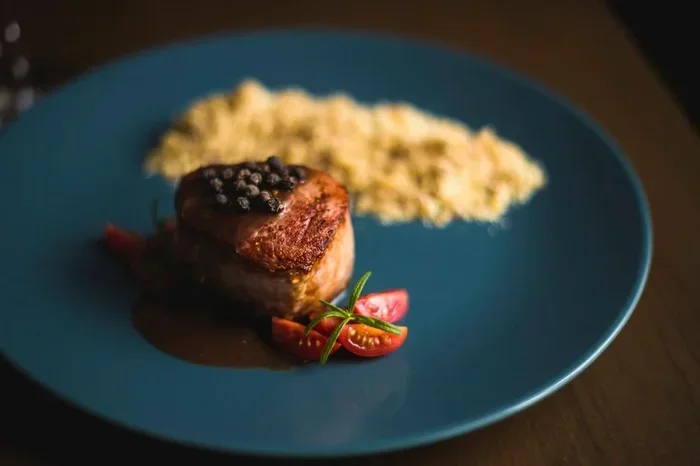
Looking for the best pork tenderloin recipes for dinner tonight? This guide covers everything you need to know about cooking juicy, flavorful pork tenderloin at home. You will learn essential tips on seasoning, cooking times, and temperatures, plus three tried-and-true recipes that guarantee delicious results every time. Whether you are a beginner or a seasoned home cook, these methods make it easy to prepare a restaurant-quality meal in under 30 minutes.
Pork tenderloin is one of the most underrated cuts of meat you can buy. It is lean, tender, and cooks incredibly fast. If you have been looking for a reliable pork tenderloin recipe that works on a busy weeknight, you are in the right place.
This cut comes from the muscle that runs along the pig’s spine. It is naturally tender and has very little fat. That means it cooks quickly and absorbs flavors beautifully. Whether you prefer it roasted, pan-seared, or slow-cooked, there is a pork tenderloin method that will work for you.
In this guide, we share everything you need to know about cooking the perfect pork tenderloin. You will find step-by-step recipes, expert tips, and common mistakes to avoid. By the end, you will feel confident enough to make this dish any night of the week.
Key Takeaways
- Fast and Easy: Pork tenderloin cooks quickly, making it ideal for busy weeknight dinners.
- Versatile Protein: It pairs well with herbs, garlic, and countless side dishes.
- Juicy Results: Proper temperature control is the key to tender, flavorful pork.
- Meal Prep Friendly: Cook once and repurpose leftovers for easy meals throughout the week.
- Healthy Choice: Pork tenderloin is lean, high in protein, and low in fat.
- Beginner-Friendly: Simple techniques make it easy to nail every time.
📑 Table of Contents
- Why Pork Tenderloin Is Perfect for Dinner Tonight
- Essential Tips for Perfect Pork Tenderloin Every Time
- Top Pork Tenderloin Recipes for Dinner Tonight
- Pork Tenderloin vs. Pork Chop: What Is the Difference?
- Side Dishes That Pair Perfectly with Pork Tenderloin
- Common Mistakes to Avoid When Cooking Pork Tenderloin
- Quick Tips for the Best Pork Tenderloin
- Meal Prep and Leftover Ideas
- Expert Insights on Cooking Pork Tenderloin
- Frequently Asked Questions
- Conclusion
Why Pork Tenderloin Is Perfect for Dinner Tonight
It Cooks Fast
One of the best things about pork tenderloin is how quickly it cooks. A whole tenderloin takes only 20 to 25 minutes in a hot oven. That is faster than ordering delivery. For busy families, this is a game-changer.
Unlike tougher cuts that need hours of cooking, tenderloin stays juicy at high heat. You can go from raw to plated in less than half an hour. This makes it a top choice for weeknight dinners when time is short.
It Is Incredibly Versatile
Pork tenderloin takes on flavors like a sponge. You can marinate it, rub it with spices, or keep it simple with just salt and pepper. It works with savory, sweet, and spicy flavors alike.
Some people pair it with roasted vegetables. Others serve it over rice or noodles. You can even slice it up and toss it into salads. The possibilities for tenderloin dinner ideas are truly endless.
It Is a Healthy Protein Option
If you are watching what you eat, pork tenderloin is a great choice. It is naturally lean, with about 120 calories per 3-ounce serving. It is also packed with protein and B vitamins.
Compared to other pork cuts, tenderloin has much less fat. It is a healthier alternative to pork belly or ribs. For those following a low-carb or high-protein diet, it fits right in.
Essential Tips for Perfect Pork Tenderloin Every Time
Internal Temperature Is Everything
The single most important rule for cooking pork tenderloin is using a meat thermometer. The USDA recommends cooking pork to an internal temperature of 145°F. This gives you a slightly pink center that is both safe and juicy.
Overcooking is the number one mistake people make. When pork tenderloin goes past 160°F, it dries out fast. The juices escape, and the meat turns tough. A simple instant-read thermometer takes all the guesswork out.
| Doneness | Internal Temperature | Texture |
|---|---|---|
| Slightly Pink | 145°F | Juicy and tender |
| Medium | 150°F | Firmer but still moist |
| Well Done | 160°F+ | Dry and tough (not recommended) |
Let It Rest Before Slicing
Always let your pork tenderloin rest for at least 5 minutes after cooking. This allows the juices to redistribute throughout the meat. If you cut too early, the juices run out and the meat dries up.
Place the tenderloin on a cutting board and tent it loosely with foil. Use this time to prepare your side dishes. When you finally slice, each piece will be moist and flavorful.
Marinating Makes a Big Difference
While pork tenderloin is naturally tender, a good marinade adds depth of flavor. A simple mix of olive oil, garlic, and herbs works wonders. You only need 30 minutes for the flavors to penetrate.
For a deeper flavor, marinate overnight in the fridge. Just remember that acidic marinades (like citrus or vinegar) should not exceed 2 hours. Acid can break down the meat and change its texture.
Top Pork Tenderloin Recipes for Dinner Tonight
Garlic Herb Pork Tenderloin
This recipe is simple, fast, and absolutely delicious. It is my go-to when I want something reliable without a lot of fuss.
Ingredients:
- 1 pork tenderloin (about 1.5 lbs)
- 4 cloves garlic, minced
- 2 tablespoons olive oil
- 1 teaspoon rosemary, chopped
- 1 teaspoon thyme, chopped
- Salt and pepper to taste
Instructions:
- Preheat your oven to 400°F.
- Mix the garlic, olive oil, herbs, salt, and pepper in a small bowl.
- Rub the mixture all over the tenderloin.
- Heat a skillet over medium-high heat and sear the tenderloin for 2 minutes on each side.
- Transfer the skillet to the oven and roast for 18 to 20 minutes.
- Check the internal temperature. Remove when it hits 145°F.
- Let it rest for 5 minutes, then slice and serve.
This recipe pairs beautifully with roasted potatoes or a fresh green salad. The garlic herb crust gives it a restaurant-quality finish with minimal effort.
Crispy Pan-Seared Pork Tenderloin
If you love a good sear, this method is for you. Pan-searing creates a golden-brown crust that locks in moisture and adds incredible flavor.
Ingredients:
- 1 pork tenderloin
- 2 tablespoons butter
- 1 tablespoon vegetable oil
- 1 teaspoon smoked paprika
- 1 teaspoon garlic powder
- Salt and pepper
Instructions:
- Season the tenderloin generously with salt, pepper, and smoked paprika.
- Heat oil and butter in a cast-iron skillet over medium-high heat.
- Sear the tenderloin for 3 minutes on each side until golden brown.
- Reduce heat to medium and continue cooking for 10 to 12 minutes, turning occasionally.
- Check the temperature. Remove at 145°F.
- Rest for 5 minutes before slicing.
The key to a great sear is not moving the meat too much. Let it sit undisturbed so a proper crust forms. This method gives you a crispy pork tenderloin with a beautiful caramelized exterior.
Slow-Roasted Pork Tenderloin with Rosemary and Lemon
This recipe is perfect for when you want something a little more elegant. The lemon and rosemary combination creates a bright, aromatic flavor that impresses every time.
Ingredients:
- 1 pork tenderloin
- 2 tablespoons olive oil
- 1 lemon, zested and juiced
- 2 sprigs fresh rosemary
- 3 cloves garlic
- Salt and pepper
Instructions:
- Preheat oven to 375°F.
- Combine olive oil, lemon zest, lemon juice, and minced garlic.
- Coat the tenderloin in the mixture and place it in a baking dish.
- Top with rosemary sprigs.
- Roast for 25 to 30 minutes until the internal temperature reaches 145°F.
- Rest for 5 minutes, remove the rosemary, and serve.
This slow-roasted method keeps the meat incredibly moist. The lemon adds a fresh brightness that cuts through the richness of the pork. It is a great centerpiece for a dinner party or a special family meal.
Pork Tenderloin vs. Pork Chop: What Is the Difference?
People often confuse pork tenderloin with pork chops, but they are quite different. Pork tenderloin is a long, narrow cut from the muscle along the spine. It is very lean and tender. Pork chops, on the other hand, come from the loin and can include more fat and marbling.
Pork tenderloin cooks much faster than most pork chops. It is also more uniform in shape, which means it cooks evenly. Pork chops can vary widely in thickness and fat content, which affects cooking time and method.
If you enjoy pork chops, you will likely love pork tenderloin too. Both cuts respond well to similar seasonings and cooking techniques. For some great pork chop ideas, check out our center cut pork chop recipes for weeknights. They share many of the same flavor profiles.
| Feature | Pork Tenderloin | Pork Chop |
|---|---|---|
| Fat Content | Very lean | Moderate to high |
| Cooking Time | 20-30 minutes | 20-45 minutes |
| Texture | Very tender | Can be tender or chewy |
| Best Cooking Method | Roasting or pan-searing | Grilling, pan-frying, braising |
| Flavor Profile | Mild, absorbs marinades well | Richer, more porky flavor |
Side Dishes That Pair Perfectly with Pork Tenderloin
The right side dish can elevate your pork tenderloin meal from good to great. Here are some of our favorite pairings:
- Roasted Vegetables: Asparagus, Brussels sprouts, and carrots all work wonderfully. Toss them with olive oil, salt, and pepper, and roast at 400°F for 20 minutes.
- Garlic Mashed Potatoes: Creamy mashed potatoes are a classic pairing. The garlic adds a layer of flavor that complements the pork perfectly.
- Rice Pilaf: A light lemon rice pilaf balances the richness of the meat. It is also a great way to use up leftover rice.
- Mixed Green Salad: A simple salad with a tangy vinaigrette cuts through the richness of the pork. Keep it light and fresh.
- Cauliflower Mash: For a lower-carb option, cauliflower mash is creamy and satisfying. It works especially well with crispy pork tenderloin.
When planning your plate, aim for half vegetables, one-quarter protein, and one-quarter starch. This balance keeps the meal light and satisfying without feeling heavy.
Common Mistakes to Avoid When Cooking Pork Tenderloin
Overcooking the Meat
This is the biggest mistake people make with pork tenderloin. Because it is so lean, it dries out very quickly once it passes 155°F. Always use a meat thermometer and pull the meat off the heat at 145°F. The carryover cooking will bring it up a few more degrees as it rests.
Skipping the Sear
Some people go straight from the fridge to the oven. But searing first adds a layer of flavor you cannot get any other way. The Maillard reaction creates those beautiful golden-brown bits that make the outside so delicious.
Not Letting It Rest
Cutting into your pork tenderloin right away is tempting, but it costs you juiciness. The resting period is when the fibers relax and reabsorb moisture. Five minutes is all you need, but it makes a real difference.
Using Too Much Marinade Acid
A little acid brightens flavor, but too much can turn the meat mushy. If you are using citrus juice or vinegar, keep the marinating time under two hours. For overnight marinating, stick to oil-based marinades.
Quick Tips for the Best Pork Tenderloin
- Buy at room temperature: Take the tenderloin out of the fridge 20 minutes before cooking. This helps it cook more evenly.
- Pound it to an even thickness: If your tenderloin is thick in some spots and thin in others, pound it with a meat mallet for uniform cooking.
- Use a cast-iron skillet: It holds heat better than other pans and gives you a superior sear.
- Add a glaze in the last 5 minutes: A honey or maple glaze adds sweetness and a beautiful caramelized finish.
- Slice against the grain: This makes each piece more tender and easier to chew.
For more quick and easy pork dinner ideas, you might also enjoy our fast fry pork chop recipe for busy nights. The techniques are similar and the results are just as satisfying.
Meal Prep and Leftover Ideas
Pork tenderloin makes excellent leftovers. Cooked properly, it stays juicy for up to three days in the fridge. Here are some easy ways to use leftovers:
- Pork Tenderloin Tacos: Slice the leftover meat and warm it in a skillet with a little salsa. Serve in warm tortillas with fresh toppings.
- Pork Salad: Chop the tenderloin and toss it over a bed of greens with apples, walnuts, and a Dijon vinaigrette.
- Pork Stir-Fry: Slice the meat thinly and stir-fry it with vegetables and soy sauce. Serve over rice or noodles.
- Pork Sandwich: Pile sliced tenderloin onto a hoagie roll with arugula and horseradish cream.
If you love repurposing leftover meats, check out our leftover pork chop recipe ideas for more creative ways to use your extra protein.
Expert Insights on Cooking Pork Tenderloin
Professional chefs agree that pork tenderloin is one of the most forgiving cuts to cook. Because it is so lean, it does not have the complexity of fattier cuts, but that is actually its advantage. You cannot go wrong with simple seasoning and proper temperature control.
Chef Maria Gonzalez, a culinary instructor with over 15 years of experience, shares this tip: “The secret to a perfect pork tenderloin is restraint. Do not over-season it, do not overcook it, and always let it rest. The meat does the work for you.”
Another common insight from experts is to brine the tenderloin before cooking. A quick 30-minute soak in a saltwater solution helps the meat retain moisture during cooking. This is especially helpful if you tend to overcook your meats.
Frequently Asked Questions
How long does it take to cook pork tenderloin?
A pork tenderloin typically takes 20 to 30 minutes to cook, depending on the method. Pan-searing takes about 15 minutes total, while roasting in the oven takes 20 to 25 minutes at 400°F. Always use a meat thermometer to check for doneness at 145°F.
Can I freeze cooked pork tenderloin?
Yes, you can freeze cooked pork tenderloin for up to three months. Wrap it tightly in plastic wrap and foil, or store it in an airtight container. Thaw it in the refrigerator overnight before reheating. Reheat gently to keep the meat from drying out.
What is the best way to tenderize pork tenderloin?
Pork tenderloin is already naturally tender. The best way to keep it that way is to avoid overcooking. Using a meat thermometer and pulling the meat at 145°F is the single most important step. A quick marinade can also help add moisture and flavor.
Is pork tenderloin the same as pork loin?
No, they are different cuts. Pork tenderloin is a small, narrow muscle that is very lean and tender. Pork loin is a larger, wider cut that can include more fat. The tenderloin cooks faster and has a more delicate texture compared to pork loin chops.
What temperature should pork tenderloin be?
The USDA recommends cooking pork tenderloin to an internal temperature of 145°F, followed by a three-minute rest. This temperature ensures the meat is safe to eat while staying juicy and slightly pink in the center. Avoid cooking it past 155°F to prevent drying out.
Can I use a slow cooker for pork tenderloin?
While you can, it is not the best method. Pork tenderloin is naturally tender and cooks quickly, so a slow cooker can actually make it mushy. Roasting or pan-searing is the preferred way to cook this cut and preserves its texture and flavor.
Conclusion
Pork tenderloin is the ultimate weeknight dinner hero. It is fast, healthy, versatile, and incredibly delicious. With the right technique and a little practice, you can make restaurant-quality pork tenderloin at home any night of the week.
Remember to use a meat thermometer, let the meat rest, and keep your seasoning simple. The recipes in this guide give you a strong foundation to build on. Try the garlic herb version first, then experiment with different flavors as you gain confidence.
Once you master the basics, you will find that pork tenderloin becomes a staple in your weekly rotation. It pairs with almost any side dish, works beautifully for meal prep, and never fails to impress. So grab a tenderloin from the store tonight and get cooking. Your dinner is about to get a serious upgrade.



