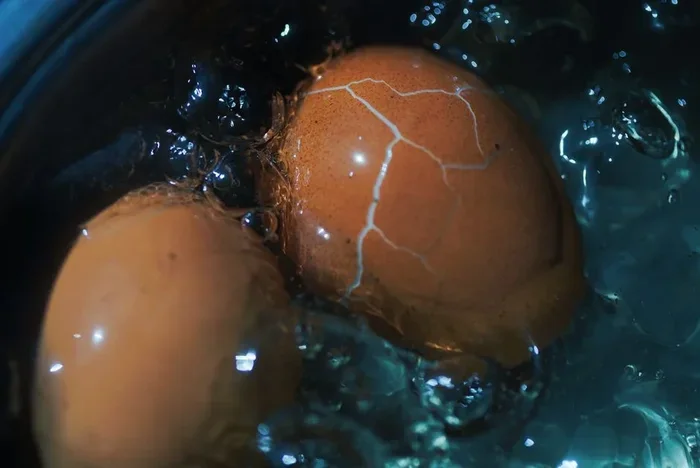
Finding the right boiled eggs time is the key to perfect eggs every morning. Whether you prefer soft, jammy yolks or fully hard-boiled centers, nailing the timing makes all the difference. This guide covers exact times for every preference, common mistakes to avoid, and pro tips for consistent results. With the right method and a simple timer, you will never serve a bad boiled egg again.
The perfect boiled eggs time can make or break your breakfast. Whether you like your eggs soft with a runny yolk or hard with a firm center, nailing the timing is everything. Many people struggle with inconsistent results, ending up with overcooked yolks or undercooked whites. But here is the good news. With the right approach, you can get perfectly boiled eggs every single time.
Boiling eggs seems simple on the surface. You drop them in water, wait a few minutes, and you are done. Right? Well, not quite. The difference between a great boiled egg and a forgettable one often comes down to just a few minutes. Your boiling time for eggs depends on what you want out of the final product.
In this guide, we will walk you through everything you need to know about boiled eggs time. You will learn exact timings for soft, medium, and hard results. We will also cover common mistakes, pro tips, and how to get consistent eggs every morning. By the end, you will never second-guess your egg timer again.
Key Takeaways
- Soft boiled eggs time is 4 to 6 minutes for a runny or jammy yolk.
- Hard boiled eggs time is 10 to 12 minutes for a fully set yolk.
- Always use an ice bath to stop cooking and make peeling easier.
- Egg size, starting temperature, and altitude all affect your boiling time.
- Overcooking is the most common mistake and ruins texture and color.
- A kitchen timer or timer app removes guesswork entirely.
- Store cooked eggs in the fridge within two hours for best freshness.
📑 Table of Contents
- Why Boiling Time Matters So Much
- Exact Boiled Eggs Time for Every Preference
- Comparison: Boiled Eggs Time by Preference
- The Perfect Method for Consistent Boiled Eggs Time
- Factors That Affect Your Boiled Eggs Time
- Common Mistakes That Ruin Your Boiled Eggs Time
- Pro Tips for Perfect Boiled Eggs Every Time
- Frequently Asked Questions About Boiled Eggs Time
- Final Thoughts on Mastering Boiled Eggs Time
Why Boiling Time Matters So Much
Why does boiled eggs time matter so much? Because the yolk and white go through dramatic changes in just a few minutes. A soft-boiled egg with a liquid yolk needs far less time than a hard-boiled egg with a fully set center. Even an extra minute can push your eggs from perfect to overcooked.
The science is simple. When eggs heat up, the proteins in the white and yolk denature and firm up. The white sets first, usually around 144 degrees Fahrenheit. The yolk thickens next and fully sets around 158 degrees Fahrenheit. This is why timing matters so much. You want to hit your target temperature without overshooting.
For soft boiled eggs time, you are looking for a warm, flowing yolk. For hard boiled eggs time, you want a fully cooked, crumbly yolk throughout. Medium falls right in between. Each level has its own sweet spot, and we will break them all down below.
Exact Boiled Eggs Time for Every Preference
Soft Boiled Eggs Time
Soft boiled eggs are a breakfast favorite for many people. The white is fully set, but the yolk stays warm and runny. For large eggs starting at room temperature, the soft boiled eggs time is typically 4 to 6 minutes.
Here is a quick breakdown:
- 4 minutes: Very runny yolk, slightly set white
- 5 minutes: Jammy yolk, fully set white
- 6 minutes: Thickened yolk, fully set white
If you prefer your eggs in an egg cup, a soft boiled egg is perfect. You can pair it with toast soldiers for a classic meal. The key is to serve immediately so the yolk does not cool down too much.
Medium Boiled Eggs Time
Medium boiled eggs offer a creamy, partially set yolk. The medium boiled eggs time falls between 7 and 8 minutes. This is the sweet spot for people who want more texture than a soft boil but not the full firmness of a hard boil.
At 7 minutes, the yolk will be mostly set with a slightly creamy center. At 8 minutes, it becomes more uniform but still retains a rich, golden quality. This style works wonderfully in salads or sliced on avocado toast.
Hard Boiled Eggs Time
Hard boiled eggs are all about a fully cooked yolk with no trace of softness. The standard hard boiled eggs time for large eggs is 10 to 12 minutes.
- 10 minutes: Fully cooked but still slightly tender
- 11 minutes: Firm throughout, easy to peel
- 12 minutes: Very firm, ideal for meal prep
If you want the easiest peeling experience, aim for 11 minutes. The shell membrane separates more cleanly from the white at this point. For those who batch cook regularly, a best egg cooker for hard boiled eggs can simplify the process even further.
Comparison: Boiled Eggs Time by Preference
| Egg Style | Time (Minutes) | Yolk Texture | White Texture |
|---|---|---|---|
| Soft | 4 – 6 | Runny to jammy | Fully set |
| Medium | 7 – 8 | Creamy, partially set | Fully set |
| Hard | 10 – 12 | Firm, fully cooked | Firm |
The Perfect Method for Consistent Boiled Eggs Time
Start with Cold Water
One of the most reliable methods for consistent boiled eggs time is starting with cold water. Place your eggs in a single layer at the bottom of a saucepan. Add enough cold water to cover the eggs by about one inch.
This approach gives you more control over the cooking process. The eggs heat up gradually, which reduces the risk of cracking. It also makes timing more predictable because the clock starts when the water reaches a boil. Many home cooks prefer this method because it is simple and forgiving.
Bring Water to a Full Boil First
Another popular method is to bring the water to a rolling boil before adding the eggs. This works well if you are cooking multiple eggs at once. Simply lower the eggs gently into the boiling water using a slotted spoon.
Once the water returns to a boil, start your timer. This method tends to produce slightly more consistent results for hard boiled eggs because the heat transfer is immediate and intense. Some cooks find this method easier to track because the timer starts at a clear, obvious moment.
The Ice Bath Is Non-Negotiable
No matter which method you choose, an ice bath is essential. As soon as your boiled eggs time is up, transfer the eggs directly into a bowl of ice water. Let them sit for at least 5 minutes.
The ice bath stops the cooking process instantly. This prevents that ugly green ring from forming around the yolk. It also makes the eggs easier to peel. Trust us on this one. The few extra minutes make a huge difference in both appearance and texture.
Factors That Affect Your Boiled Eggs Time
Egg Size Matters
Not all eggs are created equal. A jumbo egg needs more time than a small egg. Here is a general guideline to adjust your timing:
- Small eggs: Reduce time by 1 minute
- Medium eggs: Use standard times
- Large eggs: Use standard times
- Extra-large eggs: Add 1 minute
- Jumbo eggs: Add 2 minutes
If you buy eggs from a local farm, they may vary in size even more. Adjust accordingly and do a test run with one egg first.
Starting Temperature
Eggs straight from the refrigerator need slightly more time than room-temperature eggs. Cold eggs take longer to reach the target internal temperature. If you have time, let your eggs sit out for 10 minutes before boiling. This small step can improve your boiled eggs time consistency significantly.
That said, starting from cold is perfectly fine too. Just add 30 seconds to your target time if your eggs come straight from the fridge.
Altitude Changes Everything
If you live at a high altitude, water boils at a lower temperature. This means your eggs will take longer to cook. At elevations above 3,000 feet, add 1 to 2 minutes to your standard times. The boiling time for eggs can vary significantly depending on where you live.
High-altitude cooks often find that hard-boiled eggs need 13 to 14 minutes instead of the standard 10 to 12. It is worth experimenting to find your personal sweet spot.
Pan and Lid Choice
The type of pan you use also plays a role. A heavy-bottomed pan distributes heat more evenly. A lid helps bring water to a boil faster and maintains a steady temperature. Using a best pan to cook eggs without sticking can also make the boiling process smoother and more controlled. Non-stick pans are not essential for boiling, but a quality saucepan with a fitted lid works best.
Common Mistakes That Ruin Your Boiled Eggs Time
Overcooking the Eggs
Overcooking is the number one mistake people make. It is easy to get distracted and forget about the timer. An overcooked egg develops a rubbery white and a dry, chalky yolk. The greenish-grey ring around the yolk is a clear sign of overcooking.
Set a timer every single time. Do not rely on guesswork. Even an extra two minutes can push a perfect soft boil into an overcooked disaster. If you are new to boiling eggs, start with shorter times and work your way up.
Skipping the Ice Bath
Some people skip the ice bath to save time. This is a big mistake. Without an ice bath, the residual heat continues cooking the egg. The yolk overcooks and the texture suffers. Always use an ice bath. It takes only a few minutes and protects your hard work.
Quick Tip: Prepare your ice bath before you start cooking. That way it is ready the moment your timer goes off.
Not Using Enough Water
Crowding the pan or using too little water causes uneven cooking. The eggs may bump against each other and crack. Make sure there is enough water to fully cover the eggs with room to spare. A good rule of thumb is at least two inches of water above the eggs.
Cracking Eggs During Cooking
Cracked eggs can leak whites into the water and cook unevenly. To prevent cracking, let eggs come to room temperature before boiling. You can also add a teaspoon of vinegar to the water. This helps the whites set faster if a crack does occur.
Pro Tips for Perfect Boiled Eggs Every Time
Use a Timer App
A dedicated egg timer app takes the guesswork out of boiled eggs time. Many apps let you set custom times for soft, medium, and hard results. Some even send notifications when your eggs are done. This simple tool can transform your egg game and remove all the uncertainty.
Buy a Kitchen Timer
A basic kitchen timer is a small investment with huge returns. Place it next to your stove every time you boil eggs. The physical act of setting a timer keeps you focused and mindful of the process. It is a habit that pays off every single morning.
Peel Under Running Water
Peeling boiled eggs can be frustrating. The shell often sticks to the membrane underneath. Peeling under a stream of running water helps separate the shell from the white. The water seeps under the shell and makes the process much smoother. This one trick alone can save you from peeling headaches.
Store Properly
Once your eggs are cooked, store them in the refrigerator within two hours. Hard-boiled eggs keep well in the fridge for up to 5 days. Store them in a covered container to prevent them from absorbing odors. For more on proper storage methods, check out our guide on how to store eggs for long term.
Pair with Great Sides
A perfectly boiled egg tastes even better with the right accompaniments. Soft boiled eggs pair beautifully with toast and a sprinkle of flaky salt. Hard-boiled eggs make a great addition to salads and sandwiches. You can also slice them and serve with an egg cutter for soft boiled eggs for a clean, elegant presentation at brunch or lunch.
Quick Tip: If you meal prep boiled eggs for the week, store them unpeeled. The shell keeps them fresher longer. Peel them just before eating for the best texture.
Frequently Asked Questions About Boiled Eggs Time
What is the best boiled eggs time for a soft yolk?
The best boiled eggs time for a soft, runny yolk is 4 to 5 minutes for large eggs starting at room temperature. If your eggs come straight from the fridge, add 30 seconds. The white should be fully set while the yolk stays warm and liquid.
How do I know when hard-boiled eggs are done?
Hard-boiled eggs are done at 10 to 12 minutes depending on your preference. A fully hard-boiled egg will have a firm yolk throughout with no softness or creaminess. The easiest way to check is to crack the shell slightly and peek at the yolk. If it is completely opaque and dry, your eggs are ready.
Does the number of eggs affect boiling time?
The number of eggs does not significantly change the boiling time itself. However, more eggs can lower the water temperature when you add them, which may add 30 seconds to a minute. Simply wait for the water to return to a boil before starting your timer for the most accurate results.
Can I boil eggs in the microwave instead?
Yes, you can cook eggs in the microwave, but the results are different from stovetop boiling. Microwaved eggs require careful timing and often need a water vessel to steam properly. For consistent results, the stovetop method remains the most reliable and easiest to control.
Why does my hard-boiled egg have a green ring around the yolk?
The greenish-grey ring around the yolk is caused by overcooking. When eggs cook too long, iron in the yolk reacts with sulfur in the white. This is harmless but not appetizing. To prevent it, use the correct boiled eggs time and always transfer eggs to an ice bath immediately after cooking.
How long do boiled eggs last in the fridge?
Hard-boiled eggs last up to 5 days in the refrigerator when stored properly. Keep them in a covered container and peel them only when you are ready to eat. Unpeeled eggs stay fresher longer because the shell acts as a natural barrier against bacteria and odors.
Final Thoughts on Mastering Boiled Eggs Time
Mastering boiled eggs time is one of the simplest kitchen skills you can learn. It requires no fancy equipment, no advanced techniques, and no expensive tools. All you need is a pot, water, eggs, and a reliable timer.
We have covered the exact timings for soft, medium, and hard results. You now know the common mistakes to avoid and the pro tips that separate good eggs from great ones. The key is consistency. Use the same method, the same timing, and the same starting conditions each time.
Once you nail your boiled eggs time, you will wonder how you ever managed without it. Breakfast becomes faster, meal prep becomes easier, and your eggs turn out perfect every single time. Start experimenting with these methods today and enjoy the difference. Your taste buds will thank you.