A prime rib cook time chart takes the guesswork out of roasting beef. Whether you prefer bone-in or boneless, this guide covers times, temperatures, and tips for a perfect roast every time. You will learn how long to cook prime rib at different sizes, ideal internal temps, and simple steps to get restaurant-quality results at home.
There is nothing quite like a perfectly roasted prime rib sitting on the holiday table. The juicy meat, the crispy outer crust, and the rich beefy aroma make it a showstopper. But cooking a prime rib roast can feel intimidating. How long should you cook it? What temperature? How do you know when it is done?
This prime rib cook time chart solves all of those questions. We will walk you through everything step by step. From choosing the right cut to pulling it off the heat at the perfect moment, you will have all the tools you need. Let us get into it.
Key Takeaways
- Cook Time Varies by Weight: A 3-4 pound roast takes about 2-3 hours, while larger roasts need more time.
- Internal Temperature Is Key: Aim for 135°F for medium rare, 145°F for medium, and 155°F for well done.
- Bone-In vs. Boneless Matters: Bone-in roasts cook slower but stay juicier and more flavorful.
- Resting Time Is Essential: Always let your roast rest for 15-20 minutes before slicing.
- Low and Slow Works Best: Roasting at 325°F gives even cooking and a beautiful crust.
- A Meat Thermometer Is a Must: Never guess the doneness — always use a probe thermometer.
📑 Table of Contents
- What Is Prime Rib and Why Is It So Special
- Prime Rib Cook Time Chart by Weight
- Prime Rib Internal Temperature Guide
- Step-by-Step Instructions for Roasting Prime Rib
- Bone-In vs. Boneless Prime Rib: Which Is Better
- Common Mistakes to Avoid When Cooking Prime Rib
- Quick Tips for Perfect Prime Rib Every Time
- How to Store and Reheat Leftover Prime Rib
- Final Thoughts on Using a Prime Rib Cook Time Chart
What Is Prime Rib and Why Is It So Special
Prime rib comes from the primal rib section of the cow. It is also called a standing rib roast. The meat has beautiful marbling, which means thin streaks of fat run through the muscle. This marbling is what makes prime rib so tender and flavorful.
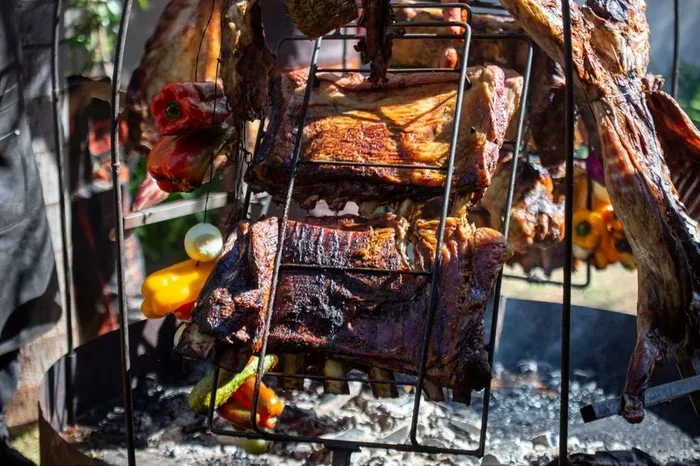
When you cook prime rib low and slow, the fat melts slowly and keeps the meat moist. That is why this cut is a favorite for holidays and special occasions. A bone-in prime rib roast looks impressive and adds extra flavor during cooking.
If you are new to roast beef, do not worry. With the right prime rib cook time chart, you can nail it on your very first try. The key is understanding time, temperature, and weight.
Prime Rib Cook Time Chart by Weight
The most important factor in determining cook time is the weight of your roast. Here is a simple breakdown based on a 325°F oven temperature.
Bone-In Prime Rib Cook Times
- 3-4 pounds: About 2 hours to 2 hours 30 minutes
- 4-5 pounds: About 2 hours 30 minutes to 3 hours
- 5-6 pounds: About 3 hours to 3 hours 30 minutes
- 6-7 pounds: About 3 hours 30 minutes to 4 hours
- 7-8 pounds: About 4 hours to 4 hours 30 minutes
Boneless Prime Rib Cook Times
- 3-4 pounds: About 1 hour 45 minutes to 2 hours 15 minutes
- 4-5 pounds: About 2 hours 15 minutes to 2 hours 45 minutes
- 5-6 pounds: About 2 hours 45 minutes to 3 hours 15 minutes
- 6-7 pounds: About 3 hours 15 minutes to 3 hours 45 minutes
These times assume you are roasting at 325°F. Always use a meat thermometer to check the internal temperature. Times can vary based on your oven, the shape of the roast, and whether you start at room temperature or cold.
Prime Rib Internal Temperature Guide
Time alone is not enough. The internal temperature tells you exactly how done your roast is. Here is what to look for when you probe the thickest part of the meat.
| Doneness | Internal Temperature | Texture |
|---|---|---|
| Rare | 120°F – 125°F | Very red, soft center |
| Medium Rare | 130°F – 135°F | Red, juicy center |
| Medium | 140°F – 145°F | Pink, firm center |
| Medium Well | 150°F – 155°F | Slight pink, firmer |
| Well Done | 160°F+ | Gray-brown throughout |
Most people prefer medium rare for prime rib. This is the sweet spot where the meat stays juicy and full of flavor. Remember that the temperature will rise about 5 to 10 degrees after you take the roast out of the oven. This is called carryover cooking.
Step-by-Step Instructions for Roasting Prime Rib
Now that you have the prime rib cook time chart, let us talk about the actual process. Follow these steps for the best results.
Step 1: Prep the Roast the Night Before
Take your roast out of the fridge the night before. Let it sit uncovered in the fridge. This dries out the surface slightly, which helps create a better crust. The next morning, take it out about 1 to 2 hours before cooking to bring it to room temperature.
Step 2: Season Generously
Rub the roast with olive oil or melted butter. Then coat it with salt, pepper, garlic powder, and any herbs you like. Rosemary and thyme work beautifully with prime rib. Some cooks also add a dry rub the night before for deeper flavor.
Step 3: Sear Before Roasting
Preheat your oven to 425°F for the first 15 minutes. This high heat sears the outside and locks in juices. After 15 minutes, drop the temperature to 325°F and continue roasting. This two-stage method gives you a beautiful brown crust and even cooking inside.
Step 4: Monitor the Internal Temperature
Insert a meat thermometer into the thickest part of the roast. Do not touch the bone or the pan. Check the temperature about 30 minutes before you expect the roast to be done.
Step 5: Rest the Roast
Once the roast hits your target temperature, pull it out. Cover it loosely with foil and let it rest for 15 to 20 minutes. This allows the juices to redistribute throughout the meat. If you cut too early, the juices run out and the meat dries up.
Bone-In vs. Boneless Prime Rib: Which Is Better
This is a common debate among home cooks. Both options have their strengths. Let us compare them side by side.
Bone-In Prime Rib cooks slower because the bone acts as insulation. It also adds more flavor to the meat during roasting. Many people believe bone-in tastes better. It also looks more dramatic on the table when served.
Boneless Prime Rib is easier to carve and cooks faster. It is a great choice if you are short on time. You can also tie it with kitchen twine to help it hold its shape during cooking.
If you want the best flavor and presentation, go bone-in. If you want convenience and faster cooking, go boneless. Either way, use your prime rib cook time chart and a meat thermometer for perfect results.
Common Mistakes to Avoid When Cooking Prime Rib
Even experienced cooks make mistakes with prime rib. Here are some pitfalls to watch out for.
- Skipping the resting time: This is the number one mistake. The roast continues cooking while it rests. Cutting too early ruins the juiciness.
- Not using a thermometer: Eye-balling doneness leads to overcooked or undercooked meat. A probe thermometer is inexpensive and essential.
- Cooking from a cold start: Always bring the roast to room temperature before it goes in the oven. This ensures even cooking.
- Opening the oven too often: Every time you open the door, heat escapes. This adds cooking time and can dry out the roast.
- Ignoring carryover cooking: The temperature rises after you pull the roast out. Factor this in to avoid overshooting your target.
Quick Tips for Perfect Prime Rib Every Time
- Buy a roast with good marbling. Look for meat with white streaks of fat throughout.
- Let the roast come to room temperature before cooking. About 1 to 2 hours on the counter works well.
- Use a roasting pan with a rack. This allows hot air to circulate around the meat evenly.
- Save the drippings for gravy. They are rich and full of beef flavor.
- Slice against the grain for the most tender bite.
- For extra flavor, add crushed garlic cloves and fresh herbs to the roasting pan.
If you enjoy cooking beef roasts, you might also like exploring other beef cooking methods. For example, beef cheek meat is another cut that rewards slow, careful cooking and produces incredible results.
How to Store and Reheat Leftover Prime Rib
Leftover prime rib is a treat the next day. Store it in an airtight container in the fridge for up to 3 to 4 days. To reheat, wrap the slices in foil and warm them in the oven at 300°F for about 15 minutes. This keeps the meat moist and prevents it from drying out.
You can also slice leftover prime rib and use it in sandwiches or salads. Cold prime rib on a crispy roll with horseradish sauce is delicious.
Final Thoughts on Using a Prime Rib Cook Time Chart
Cooking a prime rib roast does not have to be scary. With the right prime rib cook time chart, a meat thermometer, and a little patience, you can serve a roast that rivals any steakhouse. The key is to plan ahead, season well, and trust the process.
Remember the golden rules. Bring the roast to room temperature. Sear it first. Cook low and slow at 325°F. Watch the internal temperature closely. And always let it rest before slicing. Follow these steps and your guests will be impressed.
Whether it is a holiday dinner, a birthday celebration, or just a weekend treat, a perfectly cooked prime rib makes any occasion special. Print out this guide, keep it handy, and you will never second-guess your roast again.
For more beef cooking inspiration, check out our guide on cooking beef cheek meat step by step. It covers another amazing cut that rewards the patient cook.
Frequently Asked Questions
How long does it take to cook a 4-pound prime rib roast?
At 325°F, a 4-pound bone-in prime rib roast takes about 2 hours 30 minutes to 3 hours. A boneless roast of the same size will take closer to 2 hours 15 minutes to 2 hours 45 minutes. Always check the internal temperature to confirm doneness.
What is the best temperature to cook prime rib?
The best temperature is 325°F for the main roasting phase. Some cooks start at 425°F for 15 minutes to sear the outside, then lower to 325°F. This two-step method gives you a great crust and even cooking throughout the roast.
Should I cover my prime rib with foil while cooking?
No, do not cover the roast during cooking. Uncovered roasting allows the outside to develop a crispy brown crust. You should only cover the roast loosely with foil during the resting phase to keep it warm while juices redistribute.
How do I know when my prime rib is done without a thermometer?
Using a meat thermometer is the most reliable method. However, you can also use the touch test. Press the center of the roast with your finger. Rare feels very soft, medium rare has a slight give, and well done feels firm. That said, a thermometer removes all guesswork.
Can I cook prime rib in a pressure cooker?
Yes, you can cook prime rib in a pressure cooker, but it will not develop the same crust as oven roasting. Pressure cooking works well for smaller cuts and shorter cook times. For the classic prime rib experience, oven roasting is the preferred method.
How long should prime rib rest before cutting?
Let your prime rib rest for 15 to 20 minutes after pulling it from the oven. Cover it loosely with foil during this time. Resting allows the juices to settle back into the meat, which makes every slice juicier and more flavorful.