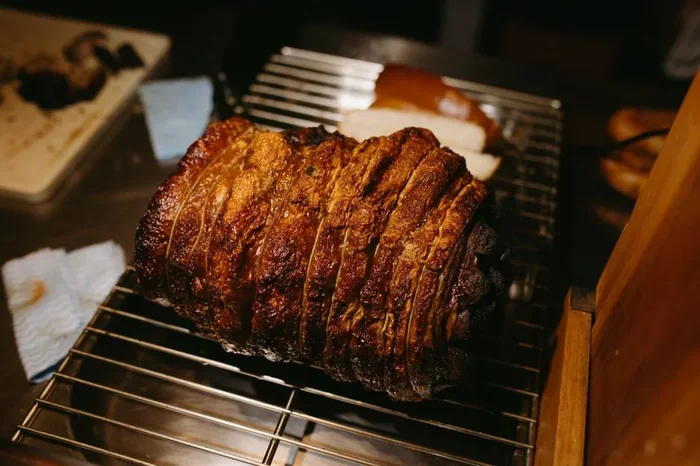
Simple roasted pork shoulder is the kind of meal that brings everyone to the table. It cooks low and slow, filling your kitchen with irresistible aromas. This cut of pork turns fall-apart tender with a crispy golden crust. Whether you are feeding a crowd or meal prepping for the week, this dish delivers. You will learn the best cuts, seasoning tips, and cooking methods to get perfect results every single time.
Key Takeaways
- Easy Preparation: A simple rub and low oven temperature make this dish almost foolproof.
- Versatile Cut: Pork shoulder works for roasting, shredding, and meal prep all week long.
- Comfort Food at Its Best: Crispy skin and juicy meat make this the ultimate family dinner.
- Budget-Friendly: Pork shoulder is affordable and feeds a large group easily.
- Multiple Cooking Methods: You can roast, slow cook, or use a Dutch oven for great results.
📑 Table of Contents
Why Roasted Pork Shoulder Makes The Perfect Comfort Meal
There is something magical about a simple roasted pork shoulder. The kind of meal that makes the whole house smell amazing. It is warm, hearty, and deeply satisfying. When you slice into that crispy crust and see the juicy meat underneath, you know dinner is going to be special.
Pork shoulder is one of the most affordable cuts you can buy. It is also one of the most forgiving. Even if you are new to cooking roasts, this cut will reward you with tender, flavorful meat. It practically falls apart with a fork. That is what makes it such a beloved comfort food.
People have been cooking pork shoulder for generations. It is a staple in Southern barbecue, holiday dinners, and casual Sunday meals. The beauty of this cut is that it does not need fancy techniques. A basic pork roast recipe with salt, pepper, and a few spices can produce incredible results.
If you are looking for a meal that brings people together, this is it. The aroma alone will draw everyone into the kitchen. And the best part? You do not need to be a skilled cook to nail it.
The Appeal Of Slow Roasted Pork
Slow roasting is the secret behind the best pork shoulder. Cooking at a low temperature for several hours breaks down the connective tissue. This turns a tough cut into something melt-in-your-mouth tender. The fat renders slowly, basting the meat from the inside out.
Many people compare this cooking style to low and slow cooking methods used in barbecue. The result is similar. You get rich flavor and a texture that is hard to beat. It is the kind of meal that tastes like it has been cooking all day, even when you started just a few hours before dinner.
How To Choose The Right Pork Shoulder
Choosing the right cut makes a big difference. Not all pork shoulders are the same, and knowing what to look for will set you up for success. Here is what to keep in mind when you are at the butcher or grocery store.
Bone-In vs Boneless Pork Shoulder
Bone-in pork shoulder has more flavor. The bone adds depth to the meat as it cooks. It also helps protect the inner portion from drying out. If you have time and want the best flavor, go bone-in.
Boneless pork shoulder is easier to handle. It fits in standard roasting pans more conveniently. It is also simpler to shred after cooking. Both options work great for a simple roasted pork shoulder. The choice depends on your preference and equipment.
What To Look For At The Store
Look for a pork shoulder with a good layer of fat on the outside. This fat cap is essential. It melts during cooking and keeps the meat moist. Avoid shoulders that look dry or have very little fat.
Check the color of the meat. It should be a healthy pink color. Avoid any cuts that look gray or have an off smell. Fresh pork shoulder should smell clean and mild.
A good size for most families is between 4 and 6 pounds. This feeds about 6 to 8 people comfortably. If you are cooking for a larger group, do not be afraid to go bigger. Pork shoulder shrinks a bit as it cooks, so plan accordingly.
Simple Seasoning And Prep
The beauty of this dish is how little you need. Pork shoulder does not require complicated seasoning. A few quality ingredients are all it takes to create something extraordinary.
The Basic Rub
Start with salt and black pepper. These are the foundation of any great pork shoulder seasoning. From there, you can add garlic powder, paprika, onion powder, and a pinch of cumin. If you like a little heat, add some chili flakes or cayenne pepper.
Here is a simple rub to try:
- 1 tablespoon kosher salt
- 1 teaspoon black pepper
- 1 tablespoon smoked paprika
- 1 teaspoon garlic powder
- 1 teaspoon onion powder
- 1/2 teaspoon cumin
Rub the mixture all over the pork shoulder. Make sure you get it into any crevices. Let the meat sit at room temperature for about 30 minutes before cooking. This helps the seasoning penetrate deeper. It also promotes more even cooking.
Adding Extra Flavor
For extra flavor, add a few sprigs of fresh rosemary and thyme inside the cavity of the roast. Some cooks like to insert thin slices of garlic directly into the meat. A splash of apple cider vinegar in the roasting pan can also add a nice tang.
If you want a sweeter crust, brush the outside with a little brown sugar mixed with mustard before roasting. This creates a beautiful glaze as the pork cooks. It adds a subtle sweetness that pairs perfectly with the savory meat.
The Best Cooking Methods For Pork Shoulder
There are several ways to cook a pork shoulder. Each method brings something different to the table. Here are the most popular approaches for achieving that perfect roast.
Oven Roasting
Oven roasting is the most common method. Preheat your oven to 300°F. Place the pork shoulder fat-side up in a roasting pan. Cover it tightly with aluminum foil and let it cook low and slow.
A general rule is about 30 minutes per pound. So a 5-pound shoulder will take roughly 2.5 hours. Use a meat thermometer to check the internal temperature. You want it to reach 195°F to 205°F for the best results. At this temperature, the collagen in the meat breaks down completely.
Remove the foil for the last 30 to 45 minutes. This allows the skin to crisp up. Baste the meat with the juices from the pan a few times during this phase. The result is a beautiful golden crust with tender, juicy meat underneath.
Using A Dutch Oven
A Dutch oven works beautifully for pork shoulder. It traps heat and moisture better than a standard roasting pan. This method is great if you do not have a large oven or want to cook on the stovetop.
Season the pork as usual and sear it on all sides in the Dutch oven. Then add a cup of broth or apple juice to the bottom. Cover and cook in a 300°F oven for about 3 hours. The sealed environment keeps everything tender and flavorful.
Slow Cooker Method
If you prefer hands-off cooking, a slow cooker is a fantastic option. While this article focuses on roasting, many home cooks also love slow cooker pork chop recipes for families as an alternative approach to pork. The slow cooker works similarly for pork shoulder. Simply season the meat, place it in the cooker, and let it do its thing for 8 to 10 hours on low.
The downside is that you will not get crispy skin in a slow cooker. But the meat will be incredibly tender. This is a great option for busy days when you want to come home to a ready-made meal.
Serving And Storing Your Roast
Once your pork shoulder is done, let it rest for at least 20 minutes before cutting. This allows the juices to redistribute. Cutting too early can cause the meat to dry out. Use a sharp knife or two forks to pull the meat apart.
Great Side Dishes To Pair
Pork shoulder pairs well with many sides. Roasted vegetables, mashed potatoes, and coleslaw are classic choices. For a lighter option, serve it over rice or with a fresh salad.
If you are looking for inspiration on what to serve alongside your roast, check out these simple bean salad recipe for summer picnics for a refreshing and easy side that complements the richness of the pork perfectly.
Making The Most Of Leftovers
Pork shoulder makes incredible leftovers. Shredded pork is versatile and easy to use throughout the week. Toss it into tacos, sandwiches, or soups. It reheats well and actually tastes better the next day as the flavors develop.
If you find yourself with extra roast pork, there are many creative ways to use it. Leftover pork chop recipe ideas can give you inspiration for turning your roast into new meals. Pulled pork sandwiches, pork fried rice, and pork enchiladas are all excellent options.
Store leftover pork in an airtight container in the refrigerator. It will keep for up to 4 days. For longer storage, freeze the shredded meat in portions. It will keep in the freezer for up to 3 months.
Nutritional Benefits Of Pork Shoulder
Pork shoulder is a good source of protein. It provides essential amino acids your body needs. It also contains B vitamins, particularly B6 and B12. These vitamins support energy production and brain health.
For those looking for high-protein meal options, pork shoulder fits the bill well. A 3-ounce serving provides about 20 grams of protein. This makes it a satisfying choice for dinner without feeling heavy or overly rich.
Many people enjoy high protein pork chop recipes for dinner as a leaner alternative, but pork shoulder offers more flavor and tenderness due to its higher fat content. Both cuts serve different purposes in a balanced diet.
Tips For Perfect Crispy Skin Every Time
The crispy skin is what makes roasted pork shoulder truly special. Getting that perfect crackling takes a little extra attention, but it is worth the effort.
Dry The Skin Thoroughly
Before cooking, pat the skin completely dry with paper towels. Moisture is the enemy of crispy skin. The drier the surface, the better the crackling will be. Some cooks like to leave the uncovered pork in the refrigerator overnight. This helps dry out the skin even more.
Score The Fat
Use a sharp knife to score the fat cap in a crosshatch pattern. This helps the fat render more evenly. It also gives the salt and seasoning better contact with the skin. Be careful not to cut too deep into the meat.
High Heat At The End
For the best crispy skin, increase the oven temperature to 425°F for the last 20 to 30 minutes of cooking. This blast of high heat crisps up the exterior quickly. Watch it carefully during this phase to prevent burning.
If the skin is not crisping enough, you can finish it under the broiler for a few minutes. Just stay close and watch it. The difference between golden perfection and burnt skin is a matter of seconds.
Common Mistakes To Avoid
Do not skip the resting period. Cutting into the pork too early releases all those delicious juices. Do not over-season with sugar if you are going for a long cook. Sugar can burn at high temperatures and turn bitter. And never rush the cook. Low and slow is the way to go with pork shoulder.
Final Thoughts On Simple Roasted Pork Shoulder
Simple roasted pork shoulder truly is the ultimate comfort food. It is affordable, forgiving, and incredibly delicious. Whether you are cooking for a holiday gathering or a quiet weeknight dinner, this dish never disappoints.
The process is straightforward. Season the meat, cook it low and slow, and let the oven do the work. You end up with a show-stopping roast that tastes like it took all day. In reality, most of the time is hands-off.
Once you master this basic recipe, you will want to make it again and again. The flavors deepen with each attempt. You will develop your own signature rub and perfect your technique. It is one of those dishes that grows with you as a cook.
So grab a pork shoulder from your local store, fire up the oven, and get ready for a meal that will have everyone asking for seconds. This is comfort food at its finest, and it is easier than you think.
Frequently Asked Questions
How long does it take to roast a pork shoulder?
A pork shoulder typically takes about 30 minutes per pound at 300°F. A 5-pound roast will be done in roughly 2.5 to 3 hours. Always use a meat thermometer to check that the internal temperature reaches 195°F to 205°F for the best texture.
Can I use a pork butt instead of a pork shoulder?
Yes, pork butt and pork shoulder are often used interchangeably. They come from the same primal cut and cook similarly. Both work great for roasting and shredding.
What temperature should pork shoulder be when it is done?
The internal temperature should reach 195°F to 205°F. At this range, the collagen in the meat has fully broken down, making it tender and easy to pull apart.
How do I keep pork shoulder moist while roasting?
Cover the roast with foil for most of the cooking time. This traps moisture and prevents drying. Only remove the foil for the last 30 to 45 minutes to crisp the skin.
Can I freeze cooked pork shoulder?
Absolutely. Shred the cooked pork and store it in airtight containers or freezer bags. It will keep in the freezer for up to 3 months. Reheat gently to maintain moisture.
What is the best way to reheat leftover roasted pork?
Reheat shredded pork in a covered skillet with a splash of broth or water. This keeps it moist. You can also reheat it in the oven at 250°F wrapped in foil. Avoid microwaving if possible, as it can dry out the meat quickly.
=== CONCLUSION ===
Simple roasted pork shoulder is more than just a recipe. It is a tradition, a comfort, and a crowd-pleaser all in one. With minimal effort and a little patience, you can create a roast that rivals anything from a fancy restaurant. The crispy skin, the juicy meat, and the rich aroma make this dish unforgettable.
Start with a good cut, keep your seasoning simple, and let time do the heavy lifting. Whether you are a beginner or a seasoned cook, this dish will become a regular in your kitchen. So pull up a chair, set the table, and enjoy every bite of this ultimate comfort food.