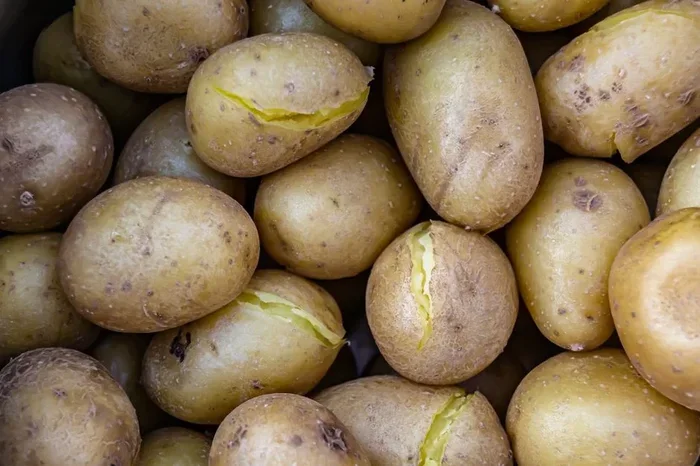
Small potatoes are packed with flavor, easy to grow, and incredibly versatile in the kitchen. Whether you are a home gardener or a home cook, this guide covers everything you need to know about growing baby potatoes, choosing the right varieties, and preparing delicious meals with them.
Key Takeaways
- What small potatoes are: Small potatoes include baby potatoes, fingerlings, and new potatoes, each with unique textures and flavors perfect for different recipes.
- Growing is easy: You can grow small potatoes in containers, raised beds, or garden plots with minimal space and basic supplies.
- Cooking versatility: Small potatoes roast, boil, steam, and air-fry beautifully, making them a favorite for home cooks everywhere.
- Health benefits: They are rich in potassium, vitamin C, fiber, and antioxidants that support heart health and digestion.
- Proper storage matters: Storing small potatoes in a cool, dark place keeps them fresh for weeks without losing quality.
- Common mistakes to avoid: Overcrowding plants, cooking them when too wet, and storing near onions are common errors that affect flavor and shelf life.
📑 Table of Contents
What Are Small Potatoes?
Small potatoes are exactly what they sound like. They are potatoes that are harvested early or come from varieties that naturally stay compact. Think of baby potatoes, fingerling potatoes, and new potatoes. These little gems pack a serious punch in both flavor and nutrition.
Many people confuse small potatoes with just “regular potatoes cut into pieces.” That is not the case at all. Small potatoes are whole, tiny tubers with thin, delicate skins. They come in a range of colors too. You will find white, yellow, red, purple, and even speckled varieties.
Their small size makes them perfect for quick cooking. They cook faster than large potatoes. They hold their shape beautifully in salads. And they offer a creamy or waxy texture that elevates simple dishes. If you have never cooked with them before, you are in for a treat.
Why Small Potatoes Deserve Your Attention
Small potatoes are a staple in kitchens around the world. Chefs love them for their even cooking and attractive presentation. Gardeners love them because they are easy to grow. Here is why they deserve a spot on your plate:
- Faster cooking time: Their small size means they boil, roast, or steam in less time than full-sized potatoes.
- Better texture: They hold their shape well. You get a creamy interior with a slightly firm bite.
- Nutrient-dense: Small potatoes contain high levels of potassium, vitamin C, and dietary fiber.
- Versatile: Use them in soups, salads, roasts, or side dishes. They work in almost any recipe.
How To Grow Small Potatoes At Home
Growing small potatoes at home is surprisingly simple. You do not need a big farm or a large backyard. Even a small balcony or patio can work. Let us walk through the basics so you can start your own potato patch today.
Choosing The Right Seed Potatoes
The first step is selecting quality seed potatoes. These are not the potatoes you find in the grocery store produce section. Seed potatoes are specifically grown for planting. They are disease-free and produce strong, healthy plants.
Look for organic seed potatoes from a reputable supplier. You can find them online or at your local garden center. Choose small, firm potatoes with at least two or three eyes each. Those eyes are where new sprouts will grow.
Planting Tips For Beginners
Timing matters when planting small potatoes. Plant them about two to four weeks before the last expected frost in your area. The soil temperature should be at least 45 degrees Fahrenheit for best results.
Here is a simple step-by-step planting process:
- Prepare your soil. Use loose, well-draining soil rich in organic matter. Mix in compost if needed.
- Cut larger seed potatoes into pieces. Let them rest for a day to callus over.
- Plant each piece about three to four inches deep. Space them eight to twelve inches apart.
- Water thoroughly after planting. Keep the soil moist but not soggy.
- As plants grow, “hill” them by adding soil around the stems. This encourages more tuber growth.
Growing Small Potatoes In Containers
No yard? No problem. Small potatoes grow wonderfully in containers. Use a large pot, grow bag, or even a stack of tires. Fill with quality potting soil and compost. Plant your seed potatoes and water regularly. This method works great for limited spaces.
Container growing also makes harvesting easier. Just dump out the contents and pick your potatoes. It is simple, clean, and very satisfying.
Common Growing Mistakes To Avoid
Even experienced gardeners can stumble. Here are a few common mistakes when growing small potatoes:
- Overwatering leads to rot. Let the soil dry slightly between waterings.
- Planting too close together limits tuber size. Give plants enough room.
- Ignoring pests like Colorado potato beetles. Check plants regularly and remove insects by hand.
- Harvesting too late can cause small potatoes to split or become tough. Pick them when they reach your desired size.
Best Small Potato Varieties To Try
Not all small potatoes are the same. Different varieties offer different flavors, textures, and colors. Here are some of the best ones to grow or buy.
Fingerling Potatoes
Fingerlings are long, thin, and elegant. They have a waxy texture and rich, buttery flavor. These are fantastic roasted or added to salads. Popular types include Russian Banana and Purple Fingerling. They are a favorite among home cooks and chefs alike.
Baby Potatoes
Baby potatoes are simply harvested early. They have thin, smooth skins and a creamy interior. They are perfect for boiling, steaming, or making roasted small potatoes. Their mild flavor pairs well with herbs, garlic, and butter.
New Potatoes
New potatoes are the earliest harvest. They are tender and have a delicate, slightly sweet taste. Their thin skin does not need peeling. Boil them with mint and butter for a classic dish. They are truly a seasonal treat.
Other Great Varieties
- Yukon Gold: A small to medium yellow potato with a buttery flavor.
- Red Pontiac: A classic red-skinned variety that is great for boiling and roasting.
- Purple Peruvian: A small purple potato packed with antioxidants.
- Ratte: A French heirloom with a nutty, creamy taste.
How To Cook Small Potatoes Perfectly
Cooking small potatoes is where the real fun begins. Their size and texture open up a world of culinary possibilities. Whether you prefer crispy, creamy, or savory, there is a method for you. Let us explore the best cooking techniques.
Roasting Small Potatoes
Roasting is hands down one of the best ways to prepare small potatoes. The high heat creates crispy edges while keeping the inside fluffy. Toss them in olive oil, salt, pepper, and your favorite herbs. Spread them in a single layer on a baking sheet. Roast at 425 degrees Fahrenheit for 25 to 35 minutes. Flip halfway through for even browning.
For extra flavor, add minced garlic, fresh rosemary, or smoked paprika. You can also pair roasted potatoes with a dipping sauce. If you like cheesy potato dishes, you might want to check out this guide on cooking au gratin potatoes in an air fryer for some crispy inspiration.
Boiling And Steaming
Boiling is perfect for tender, soft small potatoes. Place them in a pot of salted water. Bring to a boil and cook for 15 to 20 minutes. They are done when a fork slides in easily. Drain and toss with butter and fresh herbs.
Steaming is even healthier. Place small potatoes in a steamer basket over boiling water. Cover and steam for 15 to 18 minutes. This method preserves more nutrients than boiling. It also keeps the shape intact.
Pressure Cooking For Fast Results
If you want speed, a pressure cooker is your best friend. Small potatoes cook incredibly fast under pressure. Add one cup of water to the pot. Place potatoes in the basket, season, and cook on high pressure for just five to eight minutes. The result is perfectly tender, fluffy potatoes every time.
For those who love using a pressure cooker, you might find this resource on best small electric pressure cooker 2 quart helpful for choosing the right size appliance for your kitchen.
Air Frying For Extra Crispiness
Air frying has become a popular way to cook small potatoes. It uses hot air circulation to create a crispy exterior without deep frying. Toss your potatoes with a little oil and seasoning. Place them in the air fryer basket. Cook at 380 degrees Fahrenheit for 12 to 15 minutes. Shake the basket halfway through. The result is golden, crunchy perfection.
Delicious Small Potato Recipes To Try
Here are a few simple ideas to get you started:
- Herbed Roasted Potatoes: Toss with olive oil, thyme, garlic, and sea salt. Roast until golden.
- Potato Salad: Boil, cool, and toss with a light vinaigrette and fresh dill.
- Garlic Butter Potatoes: Sauté with minced garlic, butter, and parsley for a quick side dish.
- Spicy Potato Stir-Fry: Slice and stir-fry with chili flakes, soy sauce, and vegetables.
Storing And Preserving Small Potatoes
Proper storage keeps your small potatoes fresh and flavorful for a long time. Poor storage can lead to sprouting, softening, or spoilage. Here is how to do it right.
Short Term Storage
Store unwashed small potatoes in a cool, dark, and well-ventilated place. A pantry or cellar works best. Keep them in a paper bag or a breathable basket. Avoid plastic bags. They trap moisture and encourage rot. Properly stored, small potatoes last two to three weeks.
Long Term Storage
For longer storage, consider freezing. Blanch small potatoes in boiling water for three to five minutes. Drain and cool them quickly in ice water. Pat dry and spread on a baking sheet. Freeze for a few hours until solid. Then transfer to freezer bags. They will keep for up to six months.
What Not To Store With Potatoes
Keep small potatoes away from onions and apples. Onions release gases that can cause potatoes to sprout faster. Apples do the same thing. Store them separately for best results. Also, avoid storing potatoes in direct sunlight. Sunlight turns potato skins green and makes them bitter.
Health Benefits Of Small Potatoes
Small potatoes are not just tasty. They are also incredibly good for you. Many people overlook the health benefits of this humble vegetable. Let us look at what makes them a smart addition to your diet.
- Rich in potassium: Potatoes are one of the top sources of potassium. It supports heart health and blood pressure regulation.
- High in vitamin C: A single serving provides a good amount of vitamin C. It boosts your immune system and helps with skin health.
- Good source of fiber: The skin contains dietary fiber. Fiber aids digestion and promotes gut health.
- Contains antioxidants: Especially purple and red varieties. Antioxidants fight inflammation and protect cells from damage.
- Naturally low in fat: Baked or steamed small potatoes are naturally low in fat and calories. They make an excellent base for a healthy meal.
Are Small Potatoes Good For Weight Management?
Yes. Small potatoes can support weight management. They are filling due to their fiber and resistant starch content. This means they keep you satisfied longer. Just be mindful of how you prepare them. Loading them with butter, cheese, or heavy sauces adds calories. Stick to healthy cooking methods like roasting, boiling, or steaming for the best results.
Expert Insight On Small Potatoes
Nutritionists often recommend small potatoes as part of a balanced diet. “Potatoes get a bad reputation when people fry them or load them with fat,” says Dr. Sarah Chen, a registered dietitian. “But when you eat them simply, with the skin on, they are actually one of the most nutritious vegetables you can choose. Small potatoes are especially great because they offer the same benefits in a more convenient, bite-sized package.” She recommends pairing them with lean proteins and plenty of vegetables for a complete, satisfying meal.
Quick Tips For Buying Small Potatoes
Not sure what to look for at the store? Here are some quick tips:
- Choose firm potatoes with smooth skin. Avoid soft, wrinkled, or green-tinged ones.
- Smell them. Fresh small potatoes should have an earthy, clean scent.
- Buy in-season for the best flavor. Spring and early summer are ideal for new potatoes.
- Check for sprouting. A few sprouts are okay, but many mean the potatoes have been stored too long.
Key Takeaways
- Versatile ingredient: Small potatoes work in virtually any cooking method from roasting to boiling to air frying.
- Easy to grow: Even beginners can successfully grow small potatoes in containers or small garden spaces.
- Nutritional powerhouses: They deliver potassium, vitamin C, fiber, and antioxidants in every serving.
- Proper storage extends freshness: Keep them cool, dark, and ventilated to maintain quality for weeks.
- Choose the right variety: Different types like fingerlings, baby, and new potatoes offer unique flavors and textures.
- Cook simply: Healthy preparation methods let the natural flavor shine without extra calories.
- Avoid common mistakes: Do not store with onions, do not overcook, and do not skip the skin for maximum nutrition.
Conclusion
Small potatoes are one of the most underrated vegetables in the kitchen. They are easy to grow, simple to cook, and loaded with nutrition. Whether you roast them until crispy, boil them for a fresh salad, or steam them for a light side dish, they never disappoint. Their compact size makes them perfect for quick weeknight meals and weekend garden projects alike.
Now that you know how to grow, select, store, and cook small potatoes, it is time to put that knowledge into action. Pick up a bag at your local farmer market. Try growing a few in a container on your balcony. Experiment with new recipes. You will be amazed at how something so small can deliver so much flavor and so many benefits. Start your small potato journey today and enjoy every bite.
Frequently Asked Questions
What are small potatoes exactly?
Small potatoes refer to whole, tiny potato varieties that are either naturally compact or harvested early. This includes baby potatoes, fingerling potatoes, and new potatoes. They have thin skins and cook faster than large potatoes, making them ideal for quick meals.
Can I grow small potatoes in a container on my balcony?
Absolutely. Small potatoes thrive in containers, grow bags, or large pots. Use quality potting soil, plant seed potatoes about three inches deep, and water regularly. Container growing is perfect for small spaces and makes harvesting very easy.
How long does it take to grow small potatoes?
Most small potato varieties are ready to harvest in 60 to 90 days. Early varieties like new potatoes can be ready in as little as 50 days. Check the plant tips and gently dig around to see if the potatoes have reached your desired size.
What is the best way to cook small potatoes?
Roasting is one of the most popular methods. Toss small potatoes with olive oil, salt, and herbs, then roast at 425 degrees Fahrenheit for 25 to 35 minutes. Boiling, steaming, and air frying also work wonderfully. Choose your method based on the texture you prefer.
Are small potatoes healthier than large potatoes?
They are very similar in nutrition. Small potatoes contain the same potassium, vitamin C, and fiber as larger varieties. Their thin skin is easy to eat, so you get more fiber since you do not need to peel them. Eating the skin adds extra nutritional value.
How should I store small potatoes at home?
Store unwashed small potatoes in a cool, dark, and ventilated spot like a pantry. Use a paper bag or open basket. Avoid plastic bags and keep them away from onions and apples. Properly stored, they stay fresh for two to three weeks. For longer storage, you can blanch and freeze them.