Achieving the ideal filet mignon temperature medium rare means hitting 130-135°F internally for a juicy, pink center with a perfect crust. This guide covers everything from selecting the right cut to resting your steak properly. You will learn simple techniques, common mistakes to avoid, and pro tips that guarantee flawless results every single time you cook filet mignon.
There is something magical about a perfectly cooked filet mignon. The outside is golden brown and crispy, and when you slice into it, the inside is a beautiful pink blush. Getting the filet mignon temperature medium rare right is the difference between a good steak and a truly unforgettable one.
Whether you are grilling for a special occasion or cooking a weeknight dinner, knowing your target temperature changes everything. Medium rare is widely considered the best doneness for filet mignon because it balances juiciness, tenderness, and flavor in the perfect way. In this guide, we walk you through everything you need to know, from prep to plate.
Key Takeaways
- Target 130-135°F: This is the sweet spot for filet mignon medium rare, giving you a juicy pink center with a beautiful sear.
- Use a meat thermometer: Relying on touch alone is unreliable. A good thermometer removes all guesswork from cooking steak.
- Rest your steak for 5-7 minutes: Resting lets juices redistribute, keeping your filet mignon tender and flavorful after cutting.
- Bring steak to room temperature first: This ensures even cooking from edge to center, preventing a gray band outside the pink middle.
- Avoid common mistakes: Overcooking, skipping the sear, and cutting too early are the top errors that ruin a great steak.
- Pat your steak dry before searing: Dry surfaces create a better crust and more flavor through the Maillard reaction.
- Use a cast iron skillet or sous vide: Both methods deliver excellent results for cooking filet mignon to medium rare perfection.
📑 Table of Contents
- What Is the Perfect Medium Rare Temperature for Filet Mignon?
- Why Medium Rare Is the Best Doneness for Filet Mignon
- How to Cook Filet Mignon to Medium Rare
- Common Mistakes That Ruin Filet Mignon
- Expert Tips for Restaurant-Quality Filet Mignon
- How to Tell If Your Filet Mignon Is Medium Rare Without a Thermometer
- Pairing Suggestions for Medium Rare Filet Mignon
- Frequently Asked Questions
- Final Thoughts on Filet Mignon Medium Rare
What Is the Perfect Medium Rare Temperature for Filet Mignon?
The ideal filet mignon temperature medium rare falls between 130°F and 135°F when measured at the thickest part of the steak. At this internal temperature, the meat is cooked through the outer layers but still has a warm, rosy pink center. The texture is tender and juicy without being raw or overly rare.
Here is a quick reference for steak doneness levels so you can see where medium rare sits:
- Rare: 120-125°F — very red and cool in the center
- Medium Rare: 130-135°F — warm pink center, the sweet spot
- Medium: 135-145°F — pink center, slightly firmer texture
- Medium Well: 145-155°F — slight pink hint, mostly gray-brown
- Well Done: 155°F+ — no pink, fully cooked through
For filet mignon, medium rare is the gold standard. This cut is naturally lean and tender, so cooking it to medium rare preserves its delicate texture. Higher temperatures dry out the meat and take away the buttery quality that makes filet mignon so special.
Why Temperature Matters So Much
The protein structure in beef changes as it heats up. At lower temperatures, the muscle fibers stay soft and retain moisture. As you push past 140°F, the proteins start to tighten and squeeze out juice. This is why a well-done filet mignon can taste dry and tough compared to a perfectly medium rare steak.
Using a meat thermometer is the single best way to ensure accuracy. Instant-read thermometers take just a few seconds and give you peace of mind every time you cook steak. Insert the probe into the thickest part of the filet, avoiding any bone or fat pockets.
Why Medium Rare Is the Best Doneness for Filet Mignon
Filet mignon comes from the beef tenderloin, which is one of the most tender cuts of beef. Because it is lean, it does not have the heavy marbling that fattier steaks like ribeye have. This means the cooking temperature has an even bigger impact on the final result.
Here is why medium rare works so well for this cut:
- Juiciness: The meat retains more moisture at medium rare than at any higher doneness level.
- Tenderness: The protein fibers have not tightened enough to squeeze out the juices.
- Flavor: A warm pink center delivers the richest beef flavor without any chalky texture.
- Visual appeal: The pink center with a browned crust looks stunning on the plate.
- Texture contrast: The seared exterior and soft interior create a perfect bite every time.
Some people prefer their steak more done, and that is okay. But if you want to experience filet mignon the way it was meant to be enjoyed, medium rare is the way to go. This is the temperature that steakhouses serve by default, and for good reason.
How to Cook Filet Mignon to Medium Rare
Cooking filet mignon to the perfect medium rare temperature is straightforward once you know the steps. There are several methods you can use, and each one gives you great results. Let us walk through the most popular approaches.
Method 1: Pan Sear Finish in the Oven
This is the most common method for home cooks. It gives you a beautiful crust and an evenly cooked center.
- Take your filet mignon out of the refrigerator 30-45 minutes before cooking. Let it come to room temperature.
- Pat the steak completely dry with paper towels. Moisture is the enemy of a good sear.
- Season generously with salt and pepper on both sides.
- Heat a cast iron skillet over high heat until it is smoking hot.
- Add a high smoke point oil like avocado or grapeseed oil.
- Place the steak in the pan and sear for 2-3 minutes per side without moving it.
- Transfer the skillet to a preheated oven at 400°F.
- Cook for 5-8 minutes depending on thickness, until the internal temperature reaches 130-135°F.
- Remove and let the steak rest for at least 5 minutes before serving.
Make sure your filet knife is sharp before you start. A dull knife will tear the meat instead of slicing it cleanly. If your knife needs attention, check out our guide on how to sharpen a filet knife for step-by-step instructions that make a real difference.
Method 2: Sous Vide Then Sear
Sous vide cooking gives you incredible precision with the filet mignon temperature medium rare. You set the water bath to exactly 130°F and let the steak cook until it reaches that temperature edge to edge.
- Season the filet mignon and vacuum seal it in a bag.
- Set your sous vide immersion circulator to 130°F.
- Submerge the sealed steak and cook for 1 to 2 hours.
- Remove the steak and pat it very dry.
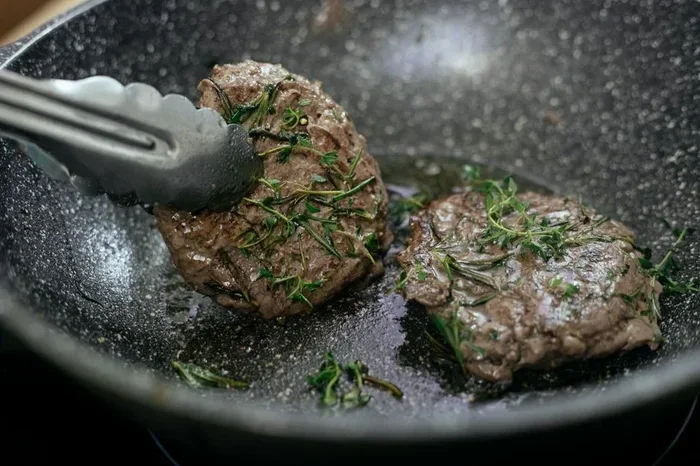
- Sear in a blazing hot cast iron skillet for 30-60 seconds per side.
- Add a tablespoon of butter and fresh thyme for extra flavor during the sear.
The sous vide method is foolproof because you eliminate the guesswork entirely. The steak comes out at exactly medium rare from edge to edge. After the sear, it is ready to serve immediately.
Method 3: Reverse Sear
The reverse sear is a favorite among steak enthusiasts. You start in a low oven and finish with a hard sear on the stovetop.
- Preheat your oven to 250°F.
- Place the seasoned filet mignon on a wire rack over a baking sheet.
- Cook slowly until the internal temperature reaches about 115-120°F.
- Remove and sear in a hot cast iron skillet for 60-90 seconds per side.
- Let the temperature climb to 130-135°F during the sear.
This method gives you the most even pink center with an incredibly crispy crust. It takes a little more patience, but the results are outstanding.
Common Mistakes That Ruin Filet Mignon
Even experienced cooks make mistakes with filet mignon. Knowing what to avoid is just as important as knowing the right technique. Here are the most common errors people make when cooking this premium cut.
Starting with a Cold Steak
Cooking a cold filet mignon straight from the fridge leads to uneven cooking. The outside overcooks while the center stays too cool. Always let your steak sit at room temperature for at least 30 minutes before it hits the pan or grill.
Not Drying the Surface
Moisture creates steam, and steam prevents browning. If you skip the step of patting your steak dry, you will get a gray, boiled exterior instead of that beautiful caramelized crust. This one simple step makes a massive difference in the final result.
Skipping the Rest
Resting your steak after cooking is not optional. When you cut into a hot steak immediately, all those juices run out onto the cutting board. The meat stays juicy and tender when you give it 5 to 7 minutes to rest. The carryover cooking during this time will also bring the internal temperature up another 5°F, landing right in the medium rare sweet spot.
Using the Wrong Pan
A thin nonstick pan does not hold enough heat to create a proper sear. A heavy cast iron skillet or stainless steel pan distributes heat evenly and retains the high temperatures needed for a great crust. Make sure your pan is ripping hot before the steak touches the surface.
Cutting Too Soon
Resist the urge to cut into your steak to check the temperature. You will lose precious juices, and the visual cue of the pink center is not always reliable. Trust your meat thermometer and wait until the steak has rested before slicing.
Expert Tips for Restaurant-Quality Filet Mignon
Professional chefs use a few tricks that take filet mignon from good to extraordinary. Here are some tips you can use at home to elevate your steak game.
Butter Basting
During the final sear, add butter, crushed garlic cloves, and fresh rosemary to the pan. Tilt the skillet slightly and spoon the melted butter over the steak repeatedly. This technique adds richness and a beautiful aroma that makes your steak taste like it came from a fine dining restaurant.
Dry Brine the Night Before
Salt your filet mignon generously and place it uncovered on a wire rack in the refrigerator overnight. The salt draws out moisture, which then gets reabsorbed into the meat. This seasons the steak deeply and creates an even drier surface for a better sear the next day.
Let the Steak Rest Properly
Place your rested steak on a warm plate and tent it loosely with foil. Some cooks wrap it tightly, but that traps too much steam and can soften the crust. A loose tent keeps the steak warm without compromising that beautiful sear you worked hard to achieve.
Slice Against the Grain
When you are ready to serve, always cut against the direction of the muscle fibers. This shortens the muscle strands and makes each bite more tender. For filet mignon, the grain is usually easy to identify, so take a quick look before you start slicing.
Store Leftovers Properly
If you have leftover cooked filet mignon, let it cool completely before storing. Wrap it tightly in high temperature plastic wrap for cooking or place it in an airtight container. Proper storage keeps the steak fresh for up to 3 days in the refrigerator. When reheating, use a low oven or sous vide to avoid overcooking the leftover meat.
How to Tell If Your Filet Mignon Is Medium Rare Without a Thermometer
While a meat thermometer is the most reliable tool, experienced cooks can often gauge doneness by touch. Here is how the finger test works for filet mignon medium rare.
Touch the tip of your thumb to the tip of your index finger. The fleshy pad at the base of your thumb feels similar to a rare steak. Now touch your thumb to your middle finger. This firmness matches medium rare. Finally, thumb to ring finger gives you the feel of medium doneness.
This method takes practice, and it is not as precise as a thermometer. But it is a handy skill to have when you are grilling outdoors or do not have a thermometer nearby. For the most consistent results, always use a thermometer.
Pairing Suggestions for Medium Rare Filet Mignon
A great filet mignon deserves the right accompaniments. Here are some classic pairings that complement the rich, tender flavor of a medium rare steak.
- Red wine: A bold Cabernet Sauvignon or Malbec pairs beautifully with the richness of filet mignon.
- Roasted garlic mashed potatoes: Creamy and buttery, they balance the savory steak perfectly.
- Grilled asparagus: The slight char and freshness cut through the richness of the meat.
- Creamed spinach: A classic steakhouse side that never disappoints.
- Simple arugula salad: Peppery greens with a light vinaigrette add a refreshing contrast.
Keep the sides simple so the star of the plate shines through. A perfectly cooked filet mignon does not need much fuss to impress.
Frequently Asked Questions
What temperature should filet mignon be for medium rare?
The internal temperature for filet mignon medium rare is 130°F to 135°F when measured at the thickest part with an instant-read meat thermometer. Remove the steak from heat at 125-130°F because carryover cooking will raise the temperature by about 5°F during resting.
How long should I rest filet mignon after cooking?
Rest your filet mignon for at least 5 to 7 minutes after cooking. This allows the juices to redistribute throughout the meat, keeping it moist and tender when you slice into it. A loose tent of foil works well, but do not wrap it tightly.
Can I cook filet mignon medium rare on a grill?
Absolutely. Grilling is one of the best ways to cook filet mignon to medium rare. Use direct high heat for searing and then move to indirect heat to finish cooking. Monitor the internal temperature closely and aim for 130-135°F before removing from the grill.
How thick should my filet mignon be for the best medium rare result?
A filet mignon that is at least 1.5 inches thick works best for achieving medium rare. Thicker cuts give you more room for error and allow for a better sear without overcooking the center. Thinner steaks can also work but require closer attention to timing.
Is filet mignon the same as beef tenderloin?
Filet mignon is a cut taken from the beef tenderloin, specifically the smaller, more tender end portion. The beef tenderloin is the whole muscle, while filet mignon refers to the individual steaks cut from it. Both share the same tender, lean characteristics that make medium rare the ideal doneness.
Why does my filet mignon turn out gray instead of pink inside?
A gray center usually means the steak was cooked too long or started from too cold a temperature. This causes the outer layers to overcook before the center reaches medium rare. Always bring your steak to room temperature before cooking and use a thermometer to avoid this common mistake.
Final Thoughts on Filet Mignon Medium Rare
Cooking filet mignon to the perfect medium rare temperature is a skill anyone can learn. The key is understanding your target temperature, using a reliable meat thermometer, and giving your steak the time it needs to rest after cooking. Once you nail the 130-135°F range, you will never go back to overcooked steak again.
Start with a quality cut, bring it to room temperature, season generously, and sear with confidence. Whether you choose the pan sear method, sous vide, or reverse sear, the result will be a tender, juicy, and incredibly flavorful filet mignon that rivals anything from a steakhouse.
The filet mignon temperature medium rare is not just a number on a thermometer. It is the gateway to a better steak-eating experience at home. So grab your skillet, fire up the oven, and put these tips into practice. Your next filet mignon will be the best one yet.