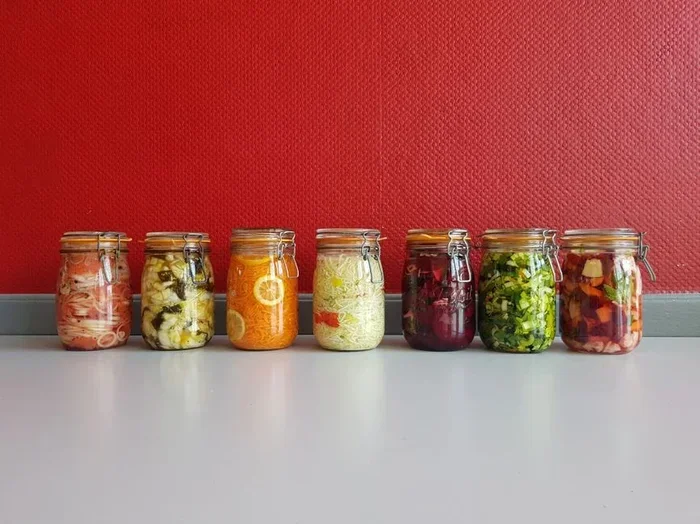
A complete list of fermented foods includes kimchi, sauerkraut, yogurt, kombucha, kefir, miso, tempeh, and more. These probiotic-rich foods support gut health, digestive health, and overall wellness. Learning about traditional fermentation methods helps you add gut-friendly foods to your daily meals easily.
Fermented foods have been a staple in human diets for thousands of years. From ancient civilizations to modern kitchens, the process of fermentation transforms simple ingredients into probiotic-rich powerhouses. A well-curated list of fermented foods reveals just how diverse and delicious these foods can be.
If you are looking to improve your gut health and digestive health, adding fermented foods to your diet is one of the best steps you can take. These foods are loaded with beneficial bacteria that support your immune system, boost nutrient absorption, and even improve your mood. In this guide, we walk you through a comprehensive list of fermented foods you can explore today.
Whether you are a complete beginner or a seasoned home cook, this article covers everything you need to know. We will look at the top fermented foods, how they are made, their health benefits, and tips for making them at home. You will also learn about the tools you need, such as the basic kitchen utensils every fermenting enthusiast should have on hand.
Key Takeaways
- Fermented foods are packed with probiotics that improve gut health and digestion naturally.
- Common fermented foods include kimchi, sauerkraut, yogurt, kombucha, and kefir.
- Home fermentation is simple and affordable with basic kitchen utensils and a little patience.
- Lacto-fermentation is the most popular method for fermenting vegetables at home.
- Fermented dairy products like yogurt and kefir offer excellent sources of beneficial bacteria.
- Start with small servings and gradually increase your intake of fermented foods for best results.
📑 Table of Contents
What Are Fermented Foods?
Fermentation is a natural process where microorganisms like bacteria and yeast break down sugars in food. This process creates probiotics, which are live cultures that benefit your digestive system. Traditional fermentation has been used across cultures for centuries to preserve food and enhance its nutritional value.
When you eat fermented foods, you introduce beneficial bacteria into your gut. These bacteria help balance your microbiome, which plays a crucial role in your overall health. The growing interest in gut-friendly foods has made fermentation one of the hottest topics in nutrition and wellness.
How Fermentation Works
The fermentation process is simpler than most people think. You combine a food with salt, water, or a starter culture, then let it sit at room temperature. Over time, bacteria and yeast multiply and transform the food. The result is a tangy, flavorful product rich in probiotics and essential nutrients.
Lacto-fermentation is the most common method for vegetables. It uses Lactobacillus bacteria to convert sugars into lactic acid, which preserves the food and gives it that signature sour taste. This method is the backbone of many popular fermented vegetables on our list of fermented foods.
Top Fermented Foods You Should Try
Now let us dive into the most popular and nutritious fermented foods you can add to your diet. Each one offers unique benefits and flavors that make them easy to enjoy every day.
Kimchi
Kimchi is a famous Korean side dish made from fermented fermented vegetables, primarily napa cabbage and radishes. It is seasoned with garlic, ginger, gochugaru (Korean chili flakes), and fish sauce. Kimchi is rich in probiotics, vitamins A and C, and antioxidants.
You can eat kimchi on its own, toss it into fried rice, or use it as a topping for tacos. It adds a bold, spicy kick to any meal. Making kimchi at home is straightforward and requires only a few basic ingredients and a jar.
Sauerkraut
Sauerkraut is finely shredded cabbage that has been lacto-fermented with salt. This German staple is one of the simplest fermented foods to make at home. All you need is cabbage, salt, and time. The fermentation process typically takes one to four weeks.
Sauerkraut is an excellent source of fiber, vitamin C, and beneficial bacteria. It pairs wonderfully with sausages, sandwiches, and salads. When buying store-bought sauerkraut, look for raw, unpasteurized varieties to ensure you get live probiotics.
Yogurt
Yogurt is one of the most widely consumed fermented dairy products in the world. It is made by adding bacterial cultures to milk and letting it ferment. Yogurt is rich in calcium, protein, and probiotics that support digestive health.
You can enjoy yogurt for breakfast, as a snack, or as a base for smoothies and dressings. Greek yogurt is especially popular because of its thick texture and high protein content. Look for yogurts labeled with live and active cultures for maximum gut health benefits.
Kombucha
Kombucha is a fizzy, tangy fermented drink made from sweetened tea and a symbiotic culture of bacteria and yeast, known as a SCOBY. This beverage has gained massive popularity in recent years due to its refreshing taste and probiotic content.
Making kombucha at home is a fun project that requires a SCOBY, tea, sugar, and a glass jar. The fermentation process takes about one to two weeks. Kombucha is a great alternative to sugary sodas and can be flavored with fruits, herbs, or spices.
Kefir
Kefir is a creamy, tangy fermented dairy product similar to yogurt but with a thinner consistency. It is made by adding kefir grains to milk. Kefir grains are a combination of bacteria and yeast that ferment the lactose in milk into lactic acid.
Kefir is packed with more strains of probiotics than most yogurts. It is also easier to digest for people with mild lactose intolerance. You can drink kefir on its own, blend it into smoothies, or use it as a base for salad dressings.
Miso
Miso is a Japanese paste made from fermented soybeans, salt, and koji (a type of fungus). It is a cornerstone of Japanese cuisine and adds a deep, savory umami flavor to soups, marinades, and glazes. Miso is rich in probiotics, B vitamins, and minerals.
There are several varieties of miso, including white (shiro), yellow (shinshu), and red (aka). Each has a different flavor profile and level of saltiness. White miso is milder and sweeter, while red miso is stronger and more robust. Miso soup is the most classic way to enjoy this gut-friendly food.
Tempeh
Tempeh is a traditional Indonesian food made from fermented soybeans. Unlike tofu, tempeh is fermented as a whole soybean cake, which gives it a firm texture and nutty flavor. It is an excellent source of protein, fiber, and probiotics.
Tempeh is incredibly versatile. You can slice it, marinate it, and grill, bake, or stir-fry it. It is a popular meat substitute for vegetarians and vegans. Its dense texture and rich flavor make it satisfying in sandwiches, salads, and grain bowls.
Health Benefits of Fermented Foods
Adding a variety of fermented foods to your diet offers impressive health benefits backed by science. Here are the most important reasons to start eating more of them.
Improved Digestion
The probiotics in fermented foods help balance the bacteria in your gut. This balance is essential for proper digestion and nutrient absorption. People who eat gut-friendly foods regularly often experience less bloating, gas, and discomfort.
Stronger Immune System
A large portion of your immune system resides in your gut. By consuming probiotic-rich foods, you support the gut lining and help your body fight off harmful pathogens. Studies show that people who eat fermented foods regularly tend to get sick less often.
Better Nutrient Absorption
Fermentation breaks down anti-nutrients like phytic acid, which can block the absorption of minerals. This means your body can more easily absorb iron, zinc, calcium, and magnesium from the foods you eat. Traditional fermentation methods enhance the nutritional profile of many ingredients.
Mental Health Support
Emerging research links gut health to mental health through the gut-brain axis. The probiotics in fermented foods may help reduce symptoms of anxiety and depression. While more research is needed, the connection between digestive health and mood is promising.
How to Start Fermenting at Home
Making fermented foods at home is easier than you might think. You do not need expensive equipment or specialized skills. With a few simple ingredients and some patience, you can create your own probiotic-rich creations.
Essential Tools for Fermentation
Before you start, gather the right tools. A basic set of kitchen utensils will cover most fermentation needs. You will also want glass jars with tight-fitting lids, a cutting board, and a good knife. Keeping your tools clean is essential for safe fermentation.
If you use cast iron or other metal vessels, you may need to learn how to maintain them properly. For example, knowing how to get fish smell out of cast iron is important because fermented foods can leave lingering odors in your cookware. Similarly, keeping your knives sharp with proper care techniques, such as those described in how to take care of Damascus steel knives, makes food preparation for fermentation much smoother.
Basic Steps for Lacto-Fermentation
Lacto-fermentation is the most beginner-friendly method. Here are the basic steps:
- Choose your vegetable or base ingredient.
- Chop or shred it into the desired size.
- Mix with salt and any desired spices or herbs.
- Pack the mixture tightly into a clean glass jar.
- Add water or brine until the food is fully submerged.
- Cover the jar loosely to allow gases to escape.
- Let it sit at room temperature for one to four weeks.
- Taste regularly and move to the refrigerator when it reaches your preferred flavor.
Common Mistakes to Avoid
When starting out, avoid these common pitfalls. First, do not use chlorinated water, as chlorine can inhibit the growth of beneficial bacteria. Second, make sure your vegetables stay submerged below the brine to prevent mold. Third, do not seal fermentation jars tightly, as the buildup of gas can cause them to burst. And if you ever find that your old fermentation equipment is beyond saving, you can learn how to dispose of old kitchen utensils safely and responsibly.
Fermented Foods Around the World
Fermentation is a global tradition. Nearly every culture has its own unique fermented foods that reflect local ingredients and flavors. Exploring these foods is a delicious way to broaden your palate and your list of fermented foods at home.
European Fermented Foods
Europe has a rich history of fermentation. Germany is famous for sauerkraut, while Russia and Eastern Europe cherish kefir and kvass (a fermented beet drink). France is known for its cultured butter and cheese. Scandinavian countries have their own traditions of fermented fish and pickled vegetables.
Asian Fermented Foods
Asia boasts some of the most diverse fermented foods in the world. Korea gives us kimchi, Japan offers miso and natto (fermented soybeans), and China has a long tradition of fermented tofu and pickled vegetables. India contributes yogurt-based drinks like lassi and fermented batters for dosas and idlis.
African and Latin American Fermented Foods
Africa has traditions like injera, a spongy fermented teff bread from Ethiopia. Latin America offers pulque, a fermented agave drink, and various fermented corn and cassava dishes. These foods showcase the universal human practice of traditional fermentation across continents.
Quick Tips for Incorporating Fermented Foods Into Your Diet
Getting started with fermented foods does not require a complete diet overhaul. Small changes can make a big difference. Here are some practical tips to help you add more gut-friendly foods to your daily routine.
- Start small. Begin with a tablespoon of sauerkraut or a small glass of kombucha per day.
- Add fermented foods to meals you already eat. Top your breakfast with yogurt, add kimchi to lunch, or sip kefir as an afternoon snack.
- Experiment with recipes. Use miso in marinades, add sauerkraut to sandwiches, or blend kefir into smoothies.
- Buy raw and unpasteurized products. Pasteurization kills the beneficial bacteria, so look for live cultures in store-bought options.
- Make your own. Home fermentation is cost-effective and lets you control the ingredients and fermentation time.
- Be patient. Fermentation takes time. Let the process happen naturally and trust the science behind it.
Conclusion
A complete list of fermented foods is a treasure trove of flavors and health benefits. From kimchi and sauerkraut to yogurt, kombucha, kefir, miso, and tempeh, these probiotic-rich foods offer something for everyone. They support gut health, strengthen your immune system, and improve your overall well-being.
Whether you buy them from the store or make them at home, adding fermented foods to your diet is one of the simplest and most effective steps you can take for better health. Start with one or two foods, explore different flavors, and build your routine over time. Your gut will thank you. Remember to keep your preparation tools in good shape, and when the time comes to replace old equipment, you can always refer to guides like how to dispose of old kitchen utensils for safe and responsible disposal.
The world of fermentation is vast and rewarding. With a little curiosity and effort, you can transform your health one bite at a time. So grab a jar, some salt, and your favorite vegetables, and start your fermentation journey today.
Frequently Asked Questions
What is the most popular fermented food?
Yogurt is arguably the most popular fermented food worldwide. It is widely available, easy to find, and enjoyed by people of all ages. Other top contenders include sauerkraut, kimchi, and kombucha, each with a strong following in different regions and cultures.
How often should you eat fermented foods?
Starting with one serving per day is a good approach. You can gradually increase your intake as your body adjusts to the probiotics. Consistency matters more than quantity. A small daily serving of fermented foods is more beneficial than large, occasional servings.
Can you eat too many fermented foods?
While fermented foods are generally safe, eating too much too quickly can cause bloating or digestive discomfort. It is best to introduce them gradually into your diet. Listen to your body and adjust your intake based on how you feel.
Are all fermented foods probiotic-rich?
Not all fermented foods contain live probiotics. Pasteurized products have been heat-treated, which kills the beneficial bacteria. To get the full probiotic benefits, choose raw, unpasteurized fermented foods or make them at home using proper traditional fermentation methods.
What is the easiest fermented food to make at home?
Sauerkraut is the easiest fermented food to make at home. It requires only cabbage, salt, and a jar. The process is simple and does not need any special equipment or starter cultures. Within a few weeks, you will have a delicious, probiotic-rich side dish ready to enjoy.
Do fermented foods help with weight loss?
Fermented foods can support weight management by improving digestive health and promoting a healthy gut microbiome. While they are not a magic solution for weight loss, they make a valuable addition to a balanced diet and active lifestyle. The gut-friendly foods in a good list of fermented foods can help you feel fuller and digest nutrients more efficiently.