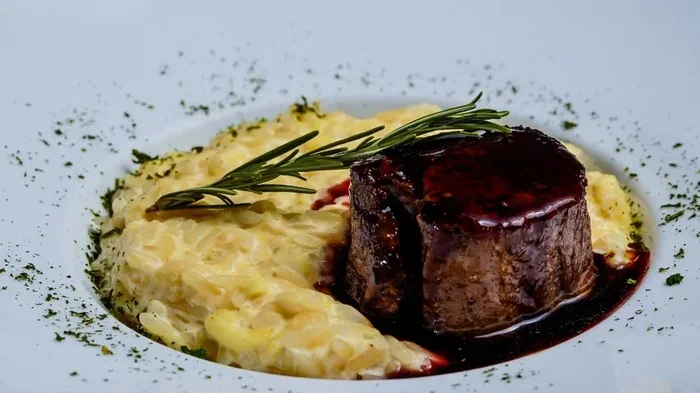
Baking filet mignon in oven is one of the easiest ways to enjoy a restaurant-quality steak at home. This guide walks you through every step, from seasoning to slicing, so you get a juicy, tender result. You will learn the right temperature, timing, and techniques that take the guesswork out of cooking this premium cut.
There is something truly special about baking filet mignon in oven. This tender, lean cut of beef is a favorite for dinner parties, special occasions, and even a quiet weeknight treat. Unlike grilling, oven baking gives you full control over the heat. You get a beautiful crust on the outside and a perfectly pink center every single time.
If you have been avoiding filet mignon because you think it is too hard to cook, think again. Baking filet mignon in oven is one of the most straightforward methods you can use. There are no flare-ups, no guesswork about charcoal temperature, and no expensive equipment needed. Just a hot oven, a good pan or rack, and a few simple ingredients.
This guide covers everything you need to know. We will go through the tools you need, the best ingredients, step-by-step instructions, temperature guidelines, and tips that separate a good steak from a great one. By the end, you will feel confident enough to bake filet mignon in oven like a pro.
Key Takeaways
- Oven-baked filet mignon is simple: sear first, then finish in the oven for even cooking.
- Use a meat thermometer: pull the steak at 120°F for rare, 130°F for medium-rare, and 140°F for medium.
- Rest your steak: let it sit for 5-10 minutes after baking to lock in the juices.
- Thick cuts bake better: aim for filet mignon steaks that are at least 1.5 inches thick.
- Season simply: salt, pepper, garlic, and butter create incredible flavor without overwhelming the meat.
- Use a baking rack: it promotes even air circulation for a perfect crust.
📑 Table of Contents
- Why Baking Filet Mignon in Oven Is a Great Choice
- Essential Tools and Ingredients for Baking Filet Mignon in Oven
- Step-by-Step Guide to Baking Filet Mignon in Oven
- Temperature and Timing Guide for Baking Filet Mignon in Oven
- Pro Tips for Juicy, Perfect Filet Mignon
- Common Mistakes to Avoid When Baking Filet Mignon in Oven
- Serving Suggestions for Your Baked Filet Mignon
- Conclusion
Why Baking Filet Mignon in Oven Is a Great Choice
Many people default to grilling when they think about cooking steak. But oven baking has some real advantages. First, it is more consistent. Your oven heats evenly, which means no hot spots that burn one side of the steak. Second, it is easier to control. You set the temperature and walk away. Third, it works year-round, whether it is raining outside or the snow is falling.
Baking filet mignon in oven also lets you use a finishing technique called reverse searing. This means you cook the steak low and slow first, then blast it with high heat at the end. The result is an even pink interior from edge to edge. No gray band, no cold center. Just pure, tender beef.
Filet mignon itself is a premium cut from the beef tenderloin. It is naturally tender and mild in flavor. This makes it the perfect canvas for butter, herbs, and garlic. When you bake filet mignon in oven, you let the natural quality of the meat shine through.
Essential Tools and Ingredients for Baking Filet Mignon in Oven
Before you start, gather everything you need. Having the right tools makes a big difference in the outcome.
Tools You Will Need
- A cast iron skillet or oven-safe pan: This is ideal for searing on the stovetop and transferring to the oven.
- A baking rack: Placing the steak on a stainless steel baking rack allows hot air to circulate underneath, promoting an even crust.
- A baking dish with a lid: If you prefer a more covered cooking method, a baking dish with a lid helps retain moisture during the slow-cook phase.
- A meat thermometer: This is non-negotiable. It is the only way to know exactly when your steak is done.
- Tongs: For flipping the steak without piercing it and losing juices.
- Aluminum foil: For resting the steak after baking.
Ingredients for Perfect Filet Mignon
- Filet mignon steaks: Choose steaks that are at least 1.5 inches thick. Thinner cuts dry out quickly in the oven.
- Kosher salt: Season generously. Salt draws out moisture at first, then it gets reabsorbed, creating a flavorful crust.
- Freshly cracked black pepper: Adds a gentle heat that complements the beef.
- Garlic cloves: Smashed or minced garlic adds depth during the searing process.
- Butter: A tablespoon of unsalted butter basted on the steak keeps it rich and moist.
- Fresh herbs: Thyme and rosemary are classic choices that pair beautifully with filet mignon.
- Olive oil: A light coating helps the seasoning stick and aids in getting a golden sear.
Step-by-Step Guide to Baking Filet Mignon in Oven
Now let us get into the heart of the matter. Here is a clear, simple process for baking filet mignon in oven that anyone can follow.
Step 1: Take the Steak Out Early
Remove your filet mignon from the refrigerator about 30 to 45 minutes before cooking. Let it sit on the counter at room temperature. This step is important because cold steak placed in a hot oven cooks unevenly. The outside burns while the inside stays cold. Bringing the steak to room temperature ensures a more uniform bake.
Step 2: Season the Steaks
Pat the steaks dry with a paper towel. Moisture is the enemy of a good sear. Season both sides generously with kosher salt and freshly cracked black pepper. If you like, add a light brush of olive oil. This helps the salt adhere and promotes browning.
Step 3: Preheat the Oven
Set your oven to 275°F for a slow bake or 400°F for a faster method. The low-and-slow approach at 275°F is recommended for thicker cuts. It gives you more control over the final doneness. For thinner steaks under 1 inch, 400°F works well.
Step 4: Sear the Steaks
Heat a cast iron skillet over medium-high heat. Add a splash of olive oil. Once the oil is shimmering, place the steaks in the pan. Do not move them for 2 to 3 minutes. You want a deep golden-brown crust. Flip the steaks and add smashed garlic, butter, and fresh thyme. Baste the steaks with the melted butter using a spoon for about 1 minute.
Step 5: Transfer to the Oven
Move the skillet directly into the preheated oven. Alternatively, place the seared steaks on a stainless steel baking rack set inside a sheet pan. Using a rack prevents the bottom from steaming and keeps the crust crispy.
Step 6: Bake Until Desired Doneness
Bake for the following times as a general guide for 1.5-inch thick steaks:
- Rare: 8 to 10 minutes (internal temp 120°F)
- Medium-Rare: 10 to 12 minutes (internal temp 130°F)
- Medium: 12 to 14 minutes (internal temp 140°F)
- Well-Done: 14 to 16 minutes (internal temp 155°F)
Always use a meat thermometer inserted into the thickest part of the steak. The oven times above are guidelines. Your actual time may vary based on oven accuracy and steak thickness.
Step 7: Rest the Steak
This is the step most people skip, and it is the most important. Remove the steak from the oven and let it rest on a warm plate, loosely covered with foil. Resting allows the juices to redistribute throughout the meat. If you cut too early, all those juices run out onto the plate, leaving you with a dry steak. Let it rest for at least 5 minutes, or up to 10 minutes for thicker cuts.
Temperature and Timing Guide for Baking Filet Mignon in Oven
Understanding the relationship between time, temperature, and doneness is key to baking filet mignon in oven successfully. Here is a closer look at how it all comes together.
The Reverse Sear Method
The reverse sear is the preferred technique for many home cooks. You start in a low oven (275°F) and cook until the steak is about 10 degrees below your target internal temperature. Then you sear it in a screaming hot pan for 1 to 2 minutes per side. This method gives you the most even pink color from edge to edge. It is especially great for thick-cut filet mignon.
The Direct High-Heat Method
If you are short on time, you can skip the low oven phase. Sear the steak in a hot pan first, then transfer it to a 400°F oven for 6 to 8 minutes. This works well for steaks that are 1 to 1.5 inches thick. The downside is that you may get a slightly more gradient from the crust to the center. But the flavor is still excellent.
Doneness Temperature Chart
Here is a quick reference for checking your baking filet mignon in oven results:
- Rare: 120°F to 125°F – red center, very soft
- Medium-Rare: 130°F to 135°F – warm red center, soft
- Medium: 140°F to 145°F – pink center, slightly firm
- Medium-Well: 150°F to 155°F – slight pink, firm
- Well-Done: 160°F and above – no pink, very firm
Remember that the temperature will rise 5 to 10 degrees after you remove the steak from the oven. This is called carryover cooking. Factor this in when pulling your steak out.
Pro Tips for Juicy, Perfect Filet Mignon
Even with a solid recipe, small details can make or break your steak. Here are some expert tips that elevate your baking filet mignon in oven game.
Dry the Steak Before Seasoning
Moisture creates steam, and steam prevents browning. Always pat your filet mignon dry with paper towels before seasoning. This one simple step leads to a dramatically better crust.
Use High-Quality Butter for Basting
When you baste the steak with garlic butter during the sear, you add richness and flavor that plain oil cannot match. Brown the butter slightly for a nutty, complex taste that pairs beautifully with the tender beef.
Do Not Crowd the Pan
Give each steak at least 2 inches of space in the skillet. Crowding traps steam and prevents proper searing. If you are cooking multiple steaks, use a larger pan or work in batches.
Let the Steak Rest Properly
As mentioned earlier, resting is critical. Place the steak on a warm plate and loosely tent it with foil. The foil should not be tight, as you want some airflow to keep the crust crisp.
Slice Against the Grain
Filet mignon is a tender cut, but slicing it correctly still matters. Cut perpendicular to the muscle fibers. This makes each bite easier to chew and more enjoyable.
Add a Finishing Touch
After resting, add a small dollop of herb butter on top of each steak. As it melts, it creates a glossy, flavorful finish that looks and tastes restaurant-quality.
Common Mistakes to Avoid When Baking Filet Mignon in Oven
Even experienced cooks make mistakes. Knowing what to avoid saves you from a disappointing meal.
Starting with a Cold Steak
Never put a cold steak straight from the fridge into the oven. It cooks unevenly, and the center may still be cold when the outside is done. Always let the steak come to room temperature first.
Skipping the Sear
Baking alone will not give you that deep, caramelized crust. The sear adds flavor through the Maillard reaction. Even if you are short on time, take the extra few minutes to sear before baking.
Overcooking the Steak
Filet mignon is lean and does not have the fat marbling of a ribeye. It dries out faster. Pull it off the heat a few degrees early and let carryover cooking finish the job.
Cutting Into the Steak Too Early
It is tempting to check the doneness by cutting into the steak. Resist this urge. Use a meat thermometer instead. Every time you cut, you release valuable juices.
Using a Non-Oven-Safe Pan
Not all skillets can handle oven heat. Check the handle and manufacturer’s instructions before placing a pan in the oven. A cast iron skillet or a stainless steel oven-safe pan is your best bet.
Serving Suggestions for Your Baked Filet Mignon
Now that your baking filet mignon in oven is done perfectly, it is time to think about serving. Filet mignon pairs well with a variety of sides and sauces.
For a classic pairing, serve with roasted garlic mashed potatoes and sautéed green beans. The creamy potatoes balance the lean beef beautifully. A red wine reduction sauce adds elegance and depth. Simply deglaze the pan you used for searing with a splash of red wine, add a bit of beef broth, and simmer until thickened.
If you want something lighter, try a fresh arugula salad with shaved Parmesan and a lemon vinaigrette. The peppery arugula cuts through the richness of the steak. Roasted asparagus with a squeeze of lemon is another excellent choice.
For wine lovers, a bold Cabernet Sauvignon or a smooth Pinot Noir complements filet mignon perfectly. The tannins in red wine enhance the beef’s natural flavor.
And if you are cooking for a special occasion, consider wrapping each baked filet mignon in a slice of prosciutto before searing. The salty, crispy ham adds a wonderful contrast to the tender beef. This technique, often called beef Wellington-style, takes your baking filet mignon in oven to the next level.
Conclusion
Baking filet mignon in oven is a rewarding and surprisingly simple way to prepare one of the world’s most beloved cuts of beef. With the right tools, a little patience, and attention to temperature, you can achieve restaurant-quality results in your own kitchen. Remember to bring the steak to room temperature, season generously, sear for a great crust, and bake until it hits your preferred doneness. Most importantly, never skip the resting step.
The beauty of oven-baked filet mignon is that it is forgiving. Once you understand the basic principles of temperature and timing, you can experiment with seasonings, sauces, and sides to make the dish your own. Whether it is a quiet Tuesday dinner or a celebration with friends, a perfectly baked filet mignon never disappoints.
So preheat your oven, grab your cast iron skillet, and give it a try. Once you taste the difference between a home-baked filet mignon and a mediocre restaurant version, you will never go back. Happy cooking!
Frequently Asked Questions
Can I bake filet mignon in oven without searing it first?
Yes, you can skip the sear and go straight to the oven. However, you will miss out on the deep, caramelized flavor that searing provides. If you choose to skip it, make sure to season well and use a baking rack for even air circulation. The result will still be tender, just less complex in flavor.
How thick should filet mignon be for baking in the oven?
For the best results, choose filet mignon steaks that are at least 1.5 inches thick. Thinner cuts can dry out quickly in the oven. Thicker cuts give you more room for error and allow for the reverse sear method, which produces the most even doneness.
What is the best oven temperature for baking filet mignon?
For a slow, even cook, 275°F is ideal. For a faster method, 400°F works well. The low temperature gives you more control over the final internal temperature, which is especially helpful for thick cuts of baking filet mignon in oven.
How do I know when my filet mignon is done?
The only reliable way is to use a meat thermometer. Insert it into the thickest part of the steak. Pull it out at 120°F for rare, 130°F for medium-rare, and 140°F for medium. Remember that the temperature will continue to rise a few degrees after removing it from the oven.
Can I reuse the pan juices for a sauce?
Absolutely. The pan drippings from searing and baking filet mignon are full of flavor. You can deglaze the pan with red wine or beef broth, add a knob of butter, and simmer for a few minutes. This creates a quick, delicious sauce that elevates the entire dish.
How long should I rest my filet mignon after baking?
Let the steak rest for at least 5 minutes, or up to 10 minutes for thicker cuts. Place it on a warm plate and loosely cover it with foil. Resting allows the juices to redistribute, so every bite is moist and flavorful. This step is essential for the best results when baking filet mignon in oven.