Bok choy is a nutrient-packed leafy green that delivers vitamins C and K, calcium, and fiber with very few calories. This versatile vegetable supports bone health, immune function, and heart health in every serving. Whether you stir-fry it, add it to soups, or eat it raw, bok choy makes healthy eating simple and delicious.
Key Takeaways
- Bok choy is extremely low in calories but rich in vitamins C, K, and A: a single cup provides a big nutritional boost.
- It is a cruciferous vegetable: this means it contains powerful antioxidants that support long-term health.
- Bok choy supports bone and heart health: thanks to its calcium, vitamin K, and folate content.
- It is incredibly easy to cook: you can stir-fry, steam, roast, or even eat it raw in salads.
- Storing bok choy correctly keeps it fresh longer: learn the best methods to avoid waste.
- Bok choy works in almost any dish: from soups to smoothies to simple side dishes.
📑 Table of Contents
- What Is Bok Choy and Why Should You Eat It?
- The Incredible Nutritional Profile of Bok Choy
- Top Health Benefits of Bok Choy
- How to Prepare and Cook Bok Choy
- Bok Choy vs. Other Leafy Greens
- Easy Ways to Add Bok Choy to Your Daily Diet
- Common Mistakes People Make with Bok Choy
- Expert Insights on Bok Choy
- Conclusion
What Is Bok Choy and Why Should You Eat It?
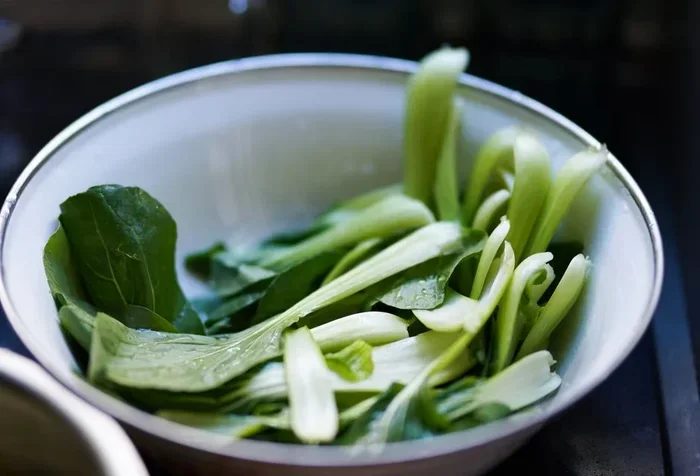
Bok choy is a type of Chinese cabbage that has become a staple in kitchens around the world. It features crisp white stalks and dark green leaves. The texture is crunchy and mild, which makes it perfect for people who are new to leafy greens. You may also hear it called “Chinese white cabbage” or “pak choi.”
This vegetable belongs to the cruciferous family. That means it is related to broccoli, kale, and cauliflower. Cruciferous vegetables are famous for their health benefits. They contain special plant compounds that help protect your cells from damage. Bok choy stands out because it is so easy to find, affordable, and simple to prepare.
One of the best things about bok choy is its versatility. You can toss it into a stir-fry, add it to soup, or even eat it raw. It fits into almost any meal plan, whether you are trying to lose weight, build muscle, or just eat cleaner. If you have not tried it yet, now is the perfect time.
Bok choy is also a great choice for people who want to eat more leafy green vegetables without the strong flavors that some greens have. Its mild taste makes it a crowd-pleaser, even for picky eaters. Plus, it cooks fast, so you can have a healthy side dish on the table in minutes.
Where Does Bok Choy Come From?
Bok choy originated in China, where it has been grown for thousands of years. The name “bok choy” comes from the Chinese words meaning “white vegetable.” Today, it is grown in many countries, including the United States, Japan, and Korea. You can find it in most grocery stores year-round. Farmers markets also carry fresh bok choy during the growing season.
The Incredible Nutritional Profile of Bok Choy
Let us talk about what makes bok choy such a nutritional powerhouse. This green veggie is low in calories but loaded with essential nutrients. That is exactly what you want in a healthy food.
One cup of chopped bok choy (about 70 grams) contains roughly:
- Calories: 9 kcal
- Protein: 1 gram
- Fiber: 0.5 grams
- Vitamin C: 34% of the daily value
- Vitamin K: 44% of the daily value
- Vitamin A: 15% of the daily value
- Folate: 10% of the daily value
- Calcium: 6% of the daily value
- Iron: 3% of the daily value
- Potassium: 4% of the daily value
As you can see, bok choy is a nutrient-dense food. It gives you a lot of nutrition for very few calories. This makes it ideal for anyone watching their weight or trying to get more vitamins in their diet. The vitamin C content supports your immune system, while vitamin K plays a key role in blood clotting and bone health.
Bok choy also contains antioxidants like beta-carotene and selenium. These compounds help fight inflammation in your body. Over time, eating foods rich in antioxidants can lower your risk of chronic diseases. That alone is a great reason to add more of this green to your plate.
Bok Choy and Your Daily Fiber Needs
Fiber is essential for good digestion. Bok choy provides a small but helpful amount of dietary fiber. Fiber keeps your digestive system running smoothly. It also helps you feel full after meals, which can support healthy weight management. Pairing bok choy with other high-fiber foods creates a balanced and satisfying meal.
Top Health Benefits of Bok Choy
Now that you know what is inside bok choy, let us look at the real health benefits. These are the reasons why nutrition experts recommend this veggie so often.
Supports Bone Health
Bok choy is a good source of vitamin K and calcium. Both of these nutrients are critical for strong bones. Vitamin K helps your body use calcium properly. Without enough vitamin K, your bones can become weak over time. Adding bok choy to your meals is an easy way to support your skeletal system.
Boosts Immune Function
The vitamin C in bok choy helps your immune system stay strong. Vitamin C supports the production of white blood cells. These cells are your body’s first line of defense against illness. During cold and flu season, eating foods rich in vitamin C is especially important. A quick stir-fry with bok choy can give your immune system a natural lift.
Promotes Heart Health
Bok choy contains folate, potassium, and fiber. All three of these nutrients support heart health. Folate helps lower homocysteine levels, which is linked to heart disease. Potassium helps regulate blood pressure. Fiber helps reduce cholesterol. Together, these nutrients make bok choy a heart-friendly choice for your daily meals.
Helps with Eye Health
The vitamin A and beta-carotene in bok choy support healthy eyes. These nutrients protect the surface of your eyes and may reduce the risk of age-related vision problems. Eating a diet rich in colorful vegetables like bok choy is one of the best things you can do for your long-term eye health.
Aids in Healthy Weight Management
Because bok choy is so low in calories and high in water content, it is perfect for weight management. You can eat a large volume of it without consuming many calories. This makes it a great base for salads or a filling addition to any main dish. It adds bulk and nutrition without sabotaging your calorie goals.
How to Prepare and Cook Bok Choy
Cooking bok choy is simple and fast. You do not need to be an experienced chef to enjoy it. Here are the easiest ways to prepare this veggie.
Step One: Wash and Prep
Start by separating the stalks from the leaves. Wash them thoroughly under cold running water. Bok choy can hold dirt between the stalks, so rinse each piece carefully. Pat it dry with a clean towel. Trim off any damaged or brown ends. That is all the prep you need.
If you are not planning to cook it right away, you should learn how to store bok choy long term to keep it fresh for up to a week. Proper storage prevents waste and ensures you always have this healthy green ready to go.
Step Two: Cooking Methods
There are many ways to cook bok choy. Here are the most popular methods:
- Stir-fry: Heat oil in a wok or large pan. Add chopped bok choy stalks first, then the leaves. Cook for 2 to 3 minutes. Season with soy sauce, garlic, and ginger. This is the fastest and most popular method.
- Steaming: Place bok choy in a steamer basket over boiling water. Steam for 3 to 4 minutes until tender. Drizzle with olive oil and a squeeze of lemon.
- Roasting: Toss whole bok choy halves with olive oil and salt. Roast at 400°F for 8 to 10 minutes. The edges will get crispy and delicious.
- Raw in salads: Thinly slice the stalks and leaves. Toss with a light vinaigrette. The crunch is refreshing and satisfying.
- In soups: Add bok choy during the last few minutes of cooking. It wilts beautifully in hot broth.
Quick Tips for Perfect Bok Choy
- Do not overcook bok choy. It should stay slightly crisp.
- Separate stalks and leaves if they cook at different speeds.
- Add a splash of soy sauce or sesame oil for extra flavor.
- Use the entire plant — stalks and leaves are both edible.
For more ideas on how to use bok choy in your daily cooking, check out these bok choy recipes for quick meals. You will find easy dishes that take less than 30 minutes to prepare.
Bok Choy vs. Other Leafy Greens
How does bok choy compare to other popular greens? Let us take a closer look.
| Nutrient (per 1 cup raw) | Bok Choy | Spinach | Kale | Romaine Lettuce |
|---|---|---|---|---|
| Calories | 9 | 7 | 33 | 8 |
| Vitamin C | 34% DV | 14% DV | 67% DV | 4% DV |
| Vitamin K | 44% DV | 181% DV | 684% DV | 60% DV |
| Fiber | 0.5g | 0.7g | 1.3g | 1.0g |
| Taste | Mild, slightly sweet | Earthy, slightly bitter | Bold, slightly bitter | Mild, crisp |
| Best For | Stir-fries, soups, salads | Smoothies, sautés | Smoothies, chips, sautés | Salads, sandwiches |
As you can see, bok choy holds its own against these popular greens. It is lower in calories than kale and easier to prepare than spinach in some cases. Its mild flavor makes it more approachable for people who do not enjoy the bitterness of kale or spinach. If you are looking for a healthy green vegetable that the whole family will enjoy, bok choy is a fantastic choice.
Easy Ways to Add Bok Choy to Your Daily Diet
The best part about bok choy is how easy it is to include in your everyday meals. You do not need fancy recipes or complicated techniques. Here are some simple ideas to get started.
Breakfast Ideas
- Add chopped bok choy to your morning omelet or scrambled eggs.
- Blend a handful of bok choy leaves into a fruit smoothie.
- Serve sautéed bok choy alongside avocado toast.
Lunch Ideas
- Toss bok choy into a wrap or sandwich for extra crunch.
- Make a bok choy salad with sesame dressing and chopped peanuts.
- Add bok choy to a grain bowl with rice and grilled chicken.
Dinner Ideas
- Stir-fry bok choy with garlic, ginger, and your favorite protein.
- Drop bok choy into a hot and sour soup or miso soup.
- Roast bok choy as a side dish for any main course.
If you want even more bok choy meal ideas that are quick and nutritious, explore this collection of bok choy recipes for quick nutritious meals. You will find recipes for every meal of the day.
Growing Bok Choy at Home
Another great reason to love bok choy is that you can grow it at home. It grows quickly and does not need a lot of space. You can plant it in a garden bed or even in a large container on a balcony. Bok choy prefers cool weather, so spring and fall are the best growing seasons. Harvest the outer leaves first and let the inner leaves keep growing. Homegrown bok choy is incredibly fresh and full of flavor.
Buying and Selecting the Best Bok Choy
When shopping for bok choy, look for bright green leaves and firm white stalks. Avoid any bunches with yellow or wilted leaves. The stalks should feel crisp and snap easily. Smaller bok choy tends to be more tender and mild. Larger heads can be slightly more fibrous. Store it in the refrigerator wrapped in a damp paper towel inside a plastic bag. This keeps it fresh for several days.
Common Mistakes People Make with Bok Choy
Even though bok choy is simple to cook, there are a few mistakes you should avoid:
- Overcooking: This is the most common mistake. Overcooked bok choy becomes mushy and loses its flavor. Cook it just until the leaves wilt and the stalks are tender-crisp.
- Skipping the wash: Dirt can hide between the stalks. Always wash bok choy thoroughly before cooking or eating it raw.
- Throwing away the stalks: The white stalks are just as nutritious and delicious as the leaves. Do not discard them.
- Adding it too early in cooking: Bok choy cooks very fast. Add it near the end of your stir-fry to preserve its texture and nutrients.
Expert Insights on Bok Choy
Nutritionists and dietitians often recommend bok choy as a top choice for healthy eating. It is affordable, widely available, and packed with nutrients. Registered dietitian Lisa Richards once noted that cruciferous vegetables like bok choy are among the most nutrient-dense foods available. She highlights their role in reducing inflammation and supporting detoxification in the body.
Chef and food writer Grace Young also praises bok choy for its versatility in Asian cooking. She explains that bok choy absorbs flavors beautifully, making it a perfect canvas for garlic, ginger, and soy sauce. Whether you are a beginner cook or a seasoned chef, bok choy will always deliver both flavor and nutrition.
Conclusion
Bok choy truly is one of the healthiest green vegetables you can eat. It is low in calories, rich in vitamins and minerals, and full of antioxidants. It supports your bones, heart, immune system, and eyes. Best of all, it is incredibly easy to prepare and works in almost any dish. Whether you are a long-time fan or someone who has never tried it, bok choy deserves a regular spot on your plate.
Start small. Add a handful to your next stir-fry or soup. Try it raw in a salad. Experiment with the many cooking methods available. Once you make bok choy a part of your routine, you will wonder how you ever cooked without it. Your body will thank you for making this simple change. Grab some bok choy on your next grocery run and start enjoying the benefits today.
Frequently Asked Questions
Is bok choy the same as regular cabbage?
No, bok choy is a type of Chinese cabbage, but it is different from regular green cabbage. Bok choy has a milder flavor, lighter color, and a crunchier texture. Regular cabbage is denser and has a stronger taste. They belong to the same plant family but are distinct vegetables with different flavors and textures.
Can you eat bok choy raw?
Yes, you can absolutely eat bok choy raw. The stalks and leaves are both safe to consume uncooked. Raw bok choy adds a nice crunch to salads and wraps. It has a mild, slightly peppery flavor that pairs well with light dressings and sesame-based sauces.
How long does bok choy last in the fridge?
Fresh bok choy typically lasts 3 to 5 days in the refrigerator. To extend its shelf life, wrap it in a damp paper towel and place it in a plastic bag. If you want to keep it even longer, learn how to store bok choy long term for methods that can extend freshness up to a week or more.
Is bok choy good for weight loss?
Yes, bok choy is excellent for weight loss. It is extremely low in calories, with only about 9 calories per cup. It is also high in water content and fiber, which helps you feel full. You can eat large portions without worrying about excess calories, making it a perfect food for any weight management plan.
What does bok choy taste like?
Bok choy has a mild, slightly sweet flavor with a hint of pepper. The white stalks are crisp and juicy, while the dark green leaves are tender and soft. It is much milder than spinach or kale, which makes it a great entry point for people who are not fond of stronger-tasting greens.
Can dogs eat bok choy?
Yes, bok choy is safe for dogs in small amounts. It contains vitamins and minerals that can benefit your pet. However, it should only be given as an occasional treat, not as a main part of their diet. Always serve it plain without any seasoning, oil, or salt. Consult your vet if you have any concerns about adding new foods to your dog’s diet.