Can you eat raw mushrooms? The answer might surprise you. While some store-bought mushrooms are safe to eat raw, many varieties contain toxins that only heat can destroy. Eating raw mushrooms carries real risks, from digestive discomfort to serious foodborne illness. This guide reveals which mushrooms are safe, which are dangerous, and how to prepare them the right way.
Key Takeaways
- Not all mushrooms are safe raw: Many common mushrooms contain compounds that are harmful when uncooked.
- Cooking destroys harmful toxins: Heat breaks down dangerous substances like agaritine found in many mushroom varieties.
- Store-bought vs. wild mushrooms differ greatly: Wild mushrooms pose far greater risks when eaten raw.
- Some varieties are safe to eat raw: Certain mushrooms like white button mushrooms can be consumed uncooked in moderation.
- Prepared mushrooms from stores are often cooked: Always check labels and preparation methods before eating.
- Food safety matters: Proper handling and cleaning prevents cross-contamination and illness.
📑 Table of Contents
- Can You Eat Raw Mushrooms? The Surprising Answer
- Why Mushrooms Are Different From Other Vegetables
- The Hidden Dangers of Eating Raw Mushrooms
- Which Mushrooms Are Safe to Eat Raw?
- Which Mushrooms Must Always Be Cooked?
- How to Safely Prepare and Store Mushrooms
- Nutritional Benefits: Raw vs Cooked Mushrooms
- Common Mistakes People Make with Raw Mushrooms
- Expert Tips for Safe Mushroom Consumption
- The Bottom Line on Eating Raw Mushrooms
Can You Eat Raw Mushrooms? The Surprising Answer
Many people wonder about eating raw mushrooms. It seems simple enough, right? You grab a mushroom from the fridge, toss it in a salad, and enjoy. But the truth is more complicated than most folks think. The short answer is: it depends on the type of mushroom and where it came from.
Some mushrooms are perfectly fine to eat raw. Others can make you very sick. And a few can even be life-threatening. Understanding the difference is crucial for your health and safety. In this article, we will explore the full picture of consuming raw mushrooms. You will learn what risks exist, which varieties are safe, and how to prepare mushrooms the right way.
The topic of raw mushroom safety comes up often in kitchens and online forums. People are curious about the nutritional benefits of eating mushrooms uncooked. They also want to know if their favorite pizza toppings or salad additions are safe. Let us dive deep into this fascinating and important food topic.
Why Mushrooms Are Different From Other Vegetables
Mushrooms are not plants. They belong to the fungi kingdom. This distinction matters a lot when it comes to eating them raw. Plants have cell walls made of cellulose. Fungi have cell walls made of chitin. Chitin is much tougher for our digestive systems to break down.
When you eat raw mushrooms, your body struggles to absorb many of the nutrients inside. Cooking breaks down that chitin. It also releases valuable vitamins and minerals your body needs. This is why cooked mushrooms often offer more nutritional value than their raw counterparts.
The Fungal Cell Wall Challenge
The chitin in fungal cell walls is a structural carbohydrate. Humans lack the enzymes needed to fully digest chitin. This means raw mushrooms pass through your system largely undigested. You miss out on the nutrients your body could use. Cooking softens the cell walls. It makes nutrients bioavailable. This is a key reason why cooking mushrooms is recommended by most nutritionists.
The Hidden Dangers of Eating Raw Mushrooms
Not all mushroom dangers are obvious. Some risks are hidden inside the fungal tissue itself. These risks become clear only when you understand what is happening at a molecular level.
Toxic Compounds in Raw Mushrooms
Many mushrooms contain natural toxins. These toxins serve as defense mechanisms for the fungus. In small amounts, they may not cause harm. But regular consumption of raw mushrooms can lead to buildup over time. One well-known compound is agaritine. It is found in many common grocery store mushrooms. Studies have linked agaritine to potential health concerns when consumed in large amounts over time.
Heat from cooking breaks down agaritine significantly. This makes cooked mushrooms a much safer choice for daily consumption. The same applies to other heat-sensitive compounds found in various fungi.
Common Symptoms of Mushroom-Related Illness
Eating raw mushrooms can cause a range of uncomfortable symptoms. These include stomach cramps, nausea, and diarrhea. Some people experience bloating and gas after consuming raw fungi. In more serious cases, foodborne illness can set in. Symptoms may include fever and vomiting.
If you notice these signs after eating mushrooms, seek medical attention. Food poisoning from mushrooms is no joke. It can be especially dangerous for children, elderly individuals, and those with weakened immune systems.
Which Mushrooms Are Safe to Eat Raw?
Not every mushroom is dangerous when raw. Some common varieties are considered safe for raw consumption. However, even safe mushrooms should be eaten in moderation.
Store-Bought Button Mushrooms
White button mushrooms are the most common type found in grocery stores. They are generally considered safe to eat raw. You will often find them sliced on salads and sandwiches. These mushrooms have lower levels of problematic compounds compared to other varieties.
However, even button mushrooms are better when cooked. The cooking process improves digestibility and nutrient absorption. If you enjoy raw mushrooms in salads, white buttons are your safest bet.
Cremini and Portobello Mushrooms
Cremini mushrooms are essentially young portobello mushrooms. They are also generally safe to eat raw in small amounts. Their flavor is slightly more intense than white buttons. Many people enjoy them thinly sliced on salads or as pizza toppings.
Portobello mushrooms are often grilled or baked. Their large caps make them great for cooking. While they can be eaten raw, the texture is quite firm. Most people prefer them cooked for better taste and digestibility.
Which Mushrooms Must Always Be Cooked?
This is where things get really important. Certain mushrooms should never be eaten raw. Cooking is not optional for these varieties. It is essential for safety.
Wild Mushrooms and Foraging Risks
Wild mushrooms are beautiful and fascinating. But they are also unpredictable. Many wild species contain deadly toxins that survive even cooking. Some toxins are only destroyed by specific preparation methods. This is why foraging for wild mushrooms should only be done with expert guidance.
Never eat a wild mushroom raw unless you are absolutely certain of its identity. Even then, cooking is strongly recommended. The risks of mushroom poisoning from wild varieties are severe. Symptoms can include organ failure and neurological damage.
Mushrooms That Release Toxins When Raw
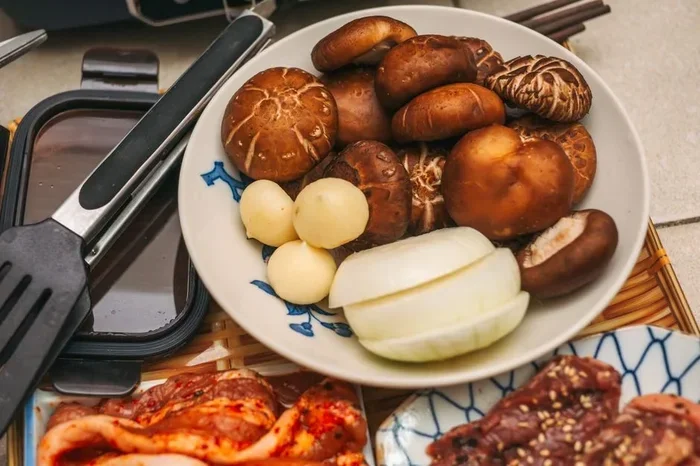
Some cultivated mushrooms contain compounds that are harmful in their raw state. These compounds break down when exposed to heat. Common examples include many Asian mushroom varieties. Shiitake mushrooms, for instance, are often cooked in stir-fries and soups. Eating them raw can cause skin irritation and digestive problems.
Oyster mushrooms are another variety that benefits greatly from cooking. They have a pleasant texture when prepared properly. Raw oyster mushrooms can be tough to digest and may cause stomach upset.
How to Safely Prepare and Store Mushrooms
Proper preparation makes all the difference when it comes to mushrooms. Whether you cook them or store them, the right method ensures safety and flavor.
Cleaning Mushrooms Before Use
Always clean your mushrooms before cooking or eating them. Use a damp cloth or soft brush to remove dirt. Avoid soaking mushrooms in water. They absorb moisture quickly, which affects their texture and flavor. A quick wipe is all you need.
After handling raw mushrooms, wash your hands thoroughly. This prevents any potential cross-contamination. If you have been handling raw chicken or other proteins, make sure to clean your sink and surfaces properly. Cleaning your sink after handling raw chicken is an important food safety step that many people overlook.
Storing Mushrooms for Freshness
Proper storage keeps mushrooms fresh longer. Store them in a paper bag in the refrigerator. The paper absorbs excess moisture. This prevents slimy growth and extends shelf life. Avoid storing mushrooms in plastic bags. Trapped moisture speeds up spoilage.
If you have extra mushrooms you want to keep longer, consider drying them. Drying mushrooms in the oven is an easy and effective method. Dried mushrooms can last for months. They also concentrate flavor, making them perfect for soups and sauces.
Cooking Methods That Destroy Toxins
Heat is your best friend when it comes to mushroom safety. Sautéing, grilling, roasting, and boiling all effectively break down harmful compounds. Cooking at high temperatures for at least a few minutes ensures toxins are neutralized.
Some mushrooms need more thorough cooking than others. Always research the specific variety you are preparing. Following proper cooking guidelines keeps you safe and lets you enjoy the full flavor of the mushroom.
Nutritional Benefits: Raw vs Cooked Mushrooms
People often choose raw mushrooms for their nutritional profile. The idea is that cooking destroys nutrients. But with mushrooms, the opposite is true in many ways.
Cooking mushrooms actually increases the availability of certain nutrients. B vitamins, for example, become more bioavailable after heating. Minerals like selenium and potassium are also better absorbed from cooked mushrooms.
Raw mushrooms do contain some beneficial compounds that heat can degrade. These include certain enzymes and antioxidants. However, the overall nutritional benefit of cooked mushrooms outweighs the loss of these heat-sensitive compounds. The improved digestibility and toxin reduction make cooking the clear winner.
If you are following a raw food diet and want to include mushrooms, stick to safe varieties in small amounts. White button mushrooms are your best option. Just remember that moderation is key.
Common Mistakes People Make with Raw Mushrooms
Even experienced cooks make mistakes when it comes to mushrooms. Being aware of these errors helps you stay safe and enjoy your meals.
- Assuming all mushrooms are safe raw: This is the biggest mistake. Many varieties contain harmful compounds that only heat can destroy.
- Eating wild mushrooms without expert identification: Even experienced foragers can mistake toxic species for safe ones. Always consult a local expert.
- Not washing hands after handling raw mushrooms: Mushrooms absorb whatever they touch. Always practice good hygiene.
- Overconsuming raw mushrooms: Even safe varieties can cause digestive issues in large quantities. Keep portions small.
- Ignoring expiration dates: Old mushrooms can harbor harmful bacteria. Always check freshness before eating, whether raw or cooked.
Expert Tips for Safe Mushroom Consumption
Food safety experts have clear advice when it comes to mushrooms. Follow these guidelines to enjoy mushrooms without worry.
- Always cook mushrooms before eating them, especially if they are not a known safe raw variety.
- Buy mushrooms from reputable sources. Grocery stores and trusted farmers markets are your best options.
- Never eat wild mushrooms unless identified by a mycology expert.
- Store mushrooms properly to prevent bacterial growth and spoilage.
- When in doubt, cook it out. Heat is the safest way to prepare any mushroom.
- If you are growing mushrooms at home, follow safe handling practices from start to finish.
Some medicinal mushrooms like lion’s mane are gaining popularity for their health benefits. If you are growing or storing lion’s mane mushrooms at home, make sure you follow proper storage guidelines. Learning how to store lions mane mushrooms correctly helps preserve their beneficial compounds and keeps them safe for consumption.
Remember, the goal is to enjoy mushrooms as part of a healthy diet. Taking simple precautions goes a long way toward keeping you and your family safe.
The Bottom Line on Eating Raw Mushrooms
So, can you eat raw mushrooms? The answer is nuanced. Some store-bought varieties like white buttons are generally safe in small amounts. But for most mushrooms, cooking is the safest and most nutritious choice. Heat destroys harmful toxins, breaks down tough cell walls, and unlocks valuable nutrients.
Do not take chances with wild mushrooms. Never eat them raw. The risks far outweigh any perceived benefits. Stick to trusted sources and proper preparation methods. Your health is worth the extra effort.
Next time you reach for mushrooms, think about how you are preparing them. A few minutes of cooking can make all the difference. Enjoy your mushrooms safely and confidently. The surprising truth is that cooking them is not just a preference. It is a smart health choice.
Frequently Asked Questions
Can you eat raw mushrooms from the grocery store?
Some store-bought mushrooms like white button mushrooms are considered safe to eat raw in small amounts. However, cooking them is always the safer choice. Heat breaks down harmful compounds and makes nutrients more available to your body.
What happens if you eat raw mushrooms by mistake?
Eating a small amount of raw mushroom by mistake is unlikely to cause serious harm. You may experience mild stomach discomfort, nausea, or digestive issues. If symptoms persist or worsen, contact a healthcare professional immediately.
Are wild mushrooms safe to eat raw?
No, wild mushrooms should never be eaten raw. Many wild species contain toxins that can cause serious illness or even death. Always have wild mushrooms identified by a professional before consuming them, and always cook them thoroughly.
Which mushrooms are the safest to eat raw?
White button mushrooms, cremini mushrooms, and portobello mushrooms are generally considered the safest for raw consumption. Even so, these should be eaten in moderation. Cooking these varieties is still the recommended approach for optimal safety and nutrition.
Do cooked mushrooms have more nutrients than raw mushrooms?
Yes, in many cases. Cooking breaks down the chitin in fungal cell walls, making nutrients like B vitamins and minerals more bioavailable. While some heat-sensitive compounds may be lost, the overall nutritional benefit of cooked mushrooms is greater.
Can mushrooms cause food poisoning if eaten raw?
Yes, raw mushrooms can cause food poisoning. They may contain bacteria, toxins, or compounds that irritate the digestive system. Proper cooking eliminates most of these risks and makes mushrooms safe for regular consumption.
=== CONCLUSION ===
The question of whether you can eat raw mushrooms does not have a simple yes or no answer. Some varieties are safe in small amounts, while others are dangerous. The safest approach is to cook your mushrooms thoroughly before eating them. Cooking destroys harmful toxins, improves digestibility, and enhances nutritional value.
Always buy mushrooms from trusted sources. Never eat wild mushrooms raw. Follow proper storage and handling practices to keep your mushrooms fresh and safe. By taking these simple steps, you can enjoy the wonderful world of mushrooms with confidence and peace of mind.