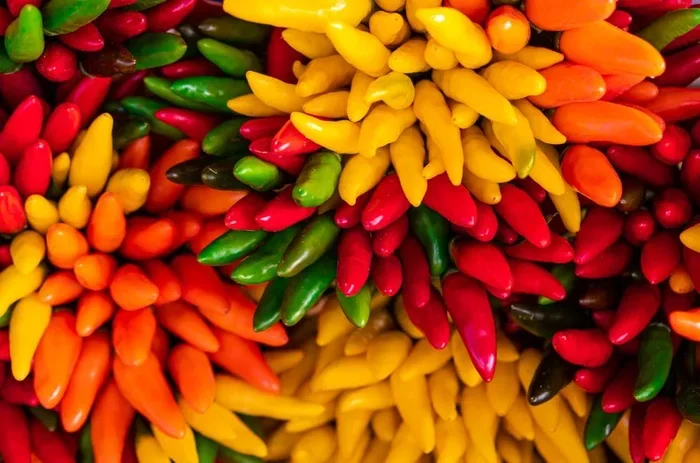
The Scoville scale measures how hot peppers are by detecting capsaicin levels. Whether you love mild scoville scale peppers or seek extreme heat, understanding this spice scale helps you choose the right peppers for cooking, preserving, and eating.
The world of peppers is vast. Some make your tongue tingle gently. Others bring tears to your eyes and sweat to your brow. The scoville scale peppers system gives us a way to measure and compare all of that heat. If you have ever wondered why some peppers taste sweet while others feel like fire, you are in the right place. This guide breaks down everything you need to know about the Scoville scale, how it works, and why it matters for cooks, gardeners, and chili heads alike.
Created by a pharmacist named Wilbur Scoville in 1912, this scale has stood the test of time. It remains the most widely used method for rating pepper heat today. Let us dive into what makes each pepper unique and how you can use this knowledge in your kitchen.
Key Takeaways
- What the Scoville Scale Is: A measurement system that rates pepper heat from zero to over two million Scoville Heat Units.
- Capsaicin Is the Key: The compound capsaicin creates the burning sensation and determines each pepper’s rating.
- Pepper Heat Varies Wildly: Bell peppers sit at zero, while peppers like the Carolina Reaper reach over two million SHU.
- Uses Beyond Eating: Knowing pepper heat helps in cooking, gardening, and even drying and preserving peppers.
- Handling Hot Peppers Safely: Understanding scoville scale peppers helps you protect your skin and eyes when working with superhots.
- Drying Preserves Heat: You can dry your peppers using an air fryer or oven to extend their shelf life and heat intensity.
📑 Table of Contents
What Is the Scoville Scale?
The Scoville scale is a measurement system for pepper heat. It was invented by Wilbur Scoville, a chemist working for Parke-Davis pharmaceutical company. He wanted a reliable way to compare the spiciness of different chili peppers. His method became known as the Scoville Organoleptic Test.
Here is how it works. Scoville extracted capsaicin oil from a pepper. Then he mixed it with a sugar water solution. Tasters would sip the mixture and note when the heat disappeared. The more dilution needed, the higher the pepper’s rating. Today we measure this in Scoville Heat Units, or SHU.
Understanding Scoville Heat Units
Scoville Heat Units, often shortened to SHU, represent the amount of capsaicin present in a pepper. Capsaicin is the natural compound that triggers the burning sensation in your mouth. The more capsaicin a pepper contains, the higher its SHU rating will be.
The scale starts at zero for peppers with no heat at all. It climbs to hundreds of thousands and even millions for the hottest varieties on earth. A bell pepper sits at zero SHU. A jalapeño ranges from 2,000 to 8,000 SHU. And the Carolina Reaper, one of the hottest peppers in the world, can exceed 2,000,000 SHU.
How the Original Test Worked
Wilbur Scoville’s original method relied on human taste buds. A panel of trained tasters would taste diluted pepper extracts. They would keep adding sugar water until the heat was no longer detectable. The number of dilutions needed became the pepper’s Scoville rating.
While this method was groundbreaking for its time, it had limitations. Human taste buds differ from person to person. What feels extremely hot to one taster might feel mild to another. Today, scientists use high-performance liquid chromatography, or HPLC, to measure capsaicinoids more precisely. This modern method gives more consistent results.
The Capsaicin Connection
Capsaicin is the star player in the world of scoville scale peppers. It is a natural chemical compound found in chili peppers. When it touches your tongue, it binds to pain receptors. Your brain interprets this as a burning sensation. This is why spicy food feels hot even though it is not actually burning you.
Capsaicin does more than just create heat. It also offers health benefits. Studies suggest it may boost metabolism, reduce inflammation, and even help with pain relief. This is why capsaicin appears in many topical creams and patches.
What Are Capsaicinoids?
Capsaicinoids are a family of compounds found in chili peppers. Capsaicin is the most well-known, but it is not the only one. Other capsaicinoids include dihydrocapsaicin, nordihydrocapsaicin, and homocapsaicin. Each contributes to the overall heat and flavor profile of a pepper.
HPLC testing measures the total capsaicinoid content. This gives a more accurate picture of a pepper’s true heat level. The results are then converted to Scoville Heat Units for easy comparison.
The Scoville Scale Pepper Chart
Not all peppers are created equal. The pepper heat chart shows a wide range of intensities. Let us break down some of the most common peppers and where they fall on the scale.
| Pepper | Scoville Heat Units | Heat Level |
|---|---|---|
| Bell Pepper | 0 SHU | No heat |
| Pimento | 100-500 SHU | Very mild |
| Banana Pepper | 0-500 SHU | Mild |
| Pepperoncini | 100-500 SHU | Mild |
| Jalapeño | 2,000-8,000 SHU | Medium |
| Serrano | 10,000-23,000 SHU | Medium-Hot |
| Cayenne | 30,000-50,000 SHU | Hot |
| Thai Chili | 50,000-100,000 SHU | Very Hot |
| Habanero | 100,000-350,000 SHU | Extra Hot |
| Ghost Pepper | 800,000-1,041,427 SHU | Extremely Hot |
| Carolina Reaper | 1,400,000-2,200,000 SHU | Extreme |
As you can see, the range is enormous. A sweet bell pepper and a Carolina Reaper are both peppers, but they could not be more different. Understanding where your favorite pepper falls on this spicy food scale helps you cook with confidence.
Mild Peppers for Everyday Cooking
Mild peppers are perfect for beginners. They add flavor and color without overwhelming heat. Bell peppers, banana peppers, and pepperoncini all fall in the low or zero SHU range. These peppers work beautifully in salads, sandwiches, stir-fries, and stuffed pepper recipes.
If you are new to cooking with chilies, start with these gentle options. You can always increase the heat as your tolerance grows. Many people enjoy the fresh, sweet flavor of mild peppers without the intense burn.
Medium-Hot Peppers for Bold Flavor
Jalapeños and serranos are the workhorses of the chili pepper heat world. They bring a noticeable kick that enhances salsas, nachos, and Mexican dishes. Jalapeños are probably the most recognizable medium-hot pepper in America.
These peppers are versatile. You can eat them raw, roasted, pickled, or smoked. Smoked jalapeños, known as chipotles, add a rich, deep flavor to sauces and marinades. Their moderate heat makes them accessible to most home cooks.
Hot Peppers for the Brave
Once you graduate to habaneros and cayennes, you enter a new realm of flavor. These hot pepper varieties bring serious heat and complex fruity or smoky notes. Habaneros are a staple in Caribbean and West African cuisine.
Be careful when handling these peppers. Their capsaicin content is high enough to irritate skin and eyes. Always wear gloves when cutting superhot peppers. Wash your hands thoroughly afterward, and avoid touching your face.
Why Knowing Pepper Heat Matters
Understanding scoville scale peppers is not just for fun. It has real practical value in the kitchen and beyond.
Cooking with Confidence
When you know a pepper’s SHU rating, you can predict its impact on a dish. A recipe calling for jalapeños will deliver medium heat. Swap in habaneros, and the dish becomes dramatically spicier. This knowledge helps you adjust recipes to your personal preference or to suit your guests.
Cooking with the right pepper heat level also prevents ruined meals. Imagine adding a ghost pepper to a soup when you meant to use a mild pepper. The result would be inedible for most people. A basic understanding of the pepper scoville units system helps you avoid costly mistakes.
Gardening and Growing
Gardeners benefit from knowing the Scoville scale too. Different pepper varieties thrive in different conditions. Hot peppers generally need more warmth and longer growing seasons than sweet peppers. When you choose seeds, the SHU rating tells you what to expect from your harvest.
Many gardeners start with jalapeños or banana peppers. These are forgiving and productive. As you gain experience, you might venture into growing your own habaneros or even ghost peppers. The Scoville heat index helps you plan your garden with realistic expectations.
Preserving and Drying Peppers
Drying peppers is one of the best ways to preserve their flavor and heat. When you dry peppers, the capsaicin becomes more concentrated. This means dried hot peppers can be significantly spicier than their fresh counterparts.
If you grow your own chilies or buy them in bulk, drying is a smart move. You can easily dry peppers in an oven using a low temperature setting. Alternatively, many people prefer the speed and convenience of using an air fryer. Drying peppers in an air fryer takes less time and produces excellent results. For those looking to master the technique, dehydrating peppers in an air fryer like a pro offers advanced tips and tricks for consistent, high-quality dried peppers every time.
Common Mistakes When Dealing with Hot Peppers
Even experienced cooks make mistakes with hot peppers. Learning from others’ errors saves you pain and frustration.
Underestimating the Heat
The most common mistake is underestimating how hot a pepper really is. Always check the Scoville rating before using an unfamiliar pepper. A pepper that looks mild can still pack a surprising punch. When in doubt, start with less and add more gradually.
Touching Your Face
Capsaicin oil transfers easily from your hands to your eyes, nose, and mouth. Even washing your hands may not remove all the oil. Always wear gloves when handling hot peppers. If you do touch a hot pepper without gloves, wash your hands immediately with soap and oil, not just water. Oil helps dissolve capsaicin more effectively than water alone.
Confusing Fresh and Dried Heat Levels
Dried peppers are hotter than fresh ones because the moisture evaporates and the capsaicin concentrates. If a recipe calls for one dried cayenne pepper, do not substitute it with a fresh one using a one-to-one ratio. Adjust accordingly, and taste as you go.
Quick Tips for Working with Scoville Scale Peppers
- Start mild: Begin with bell peppers or banana peppers if you are new to spicy food.
- Wear gloves: Protect your hands when cutting any pepper rated above 50,000 SHU.
- Taste carefully: Dip a small piece in a dish before adding a whole pepper.
- Dairy helps: Milk, yogurt, and cheese can neutralize capsaicin heat better than water.
- Label your peppers: Write the Scoville rating on any homegrown or purchased peppers you store.
- Dry for storage: Use an oven or air fryer to dry extra peppers for long-term storage.
- Respect the heat: Even experienced chili lovers should handle superhot peppers with caution.
Expert Insights on the Scoville Scale
Food scientists and chili growers agree that the Scoville scale remains the gold standard for measuring pepper heat. While modern HPLC testing provides more precise data, the Scoville scale gives consumers an easy-to-understand framework. The ratings help people make informed choices about the peppers they buy and cook with.
Chili breeders continue to push the boundaries of heat. New pepper varieties are developed every year, often exceeding the heat levels of previous champions. The Scoville rating of a pepper can also vary based on growing conditions, soil quality, and climate. A habanero grown in ideal conditions may test higher than the same variety grown in less favorable environments.
Understanding these nuances makes you a more knowledgeable cook and pepper enthusiast. The scale is not just a number. It is a tool that connects growers, cooks, and food lovers around the world.
Conclusion
The Scoville scale gives us a clear, reliable way to understand scoville scale peppers. From zero-heat bell peppers to million-unit superhots, this system helps everyone from home cooks to professional chefs make better choices in the kitchen. Knowing a pepper’s SHU rating means you can cook with confidence, grow peppers successfully, and handle them safely.
Whether you prefer the gentle sweetness of a mild pepper or the fiery punch of a ghost pepper, the Scoville scale has something for you. Use this guide as your reference point. Explore different heat levels. Experiment with new varieties. And remember, the best pepper is the one that brings you joy. So go ahead, embrace the heat, and let the Scoville scale guide your spicy culinary journey.
Frequently Asked Questions
What is the Scoville scale used for?
The Scoville scale measures the heat level of chili peppers. It quantifies capsaicin content in Scoville Heat Units. This helps cooks, gardeners, and food lovers choose the right pepper for their needs.
What is the hottest pepper on the Scoville scale?
The Carolina Reaper currently holds the record as one of the hottest peppers, with ratings exceeding 2,000,000 SHU. New varieties are tested regularly, so the title can change as breeders develop even hotter peppers.
Can you compare fresh and dried peppers on the Scoville scale?
Yes, but dried peppers typically rate higher because the moisture loss concentrates capsaicin. When substituting dried for fresh peppers in recipes, use less to avoid overwhelming heat.
Is the Scoville scale still used today?
Absolutely. While HPLC testing provides more precise measurements, the Scoville scale remains the most recognized and widely used method for communicating pepper heat levels to consumers worldwide.
How can I reduce the heat of a pepper in cooking?
Remove the seeds and inner membranes, where most capsaicin concentrates. Adding dairy, sugar, or acid like lime juice can also help balance the heat in a finished dish.
What is the difference between SHU and Scoville Heat Units?
SHU stands for Scoville Heat Units. They are the same thing. SHU is simply the abbreviated form of the measurement created by Wilbur Scoville in 1912.
=== INTERNAL LINKS ===
- How to Dry Peppers in an Oven
- How to Dry Peppers in Air Fryer
- Dehydrate Peppers in Air Fryer Like a Pro