
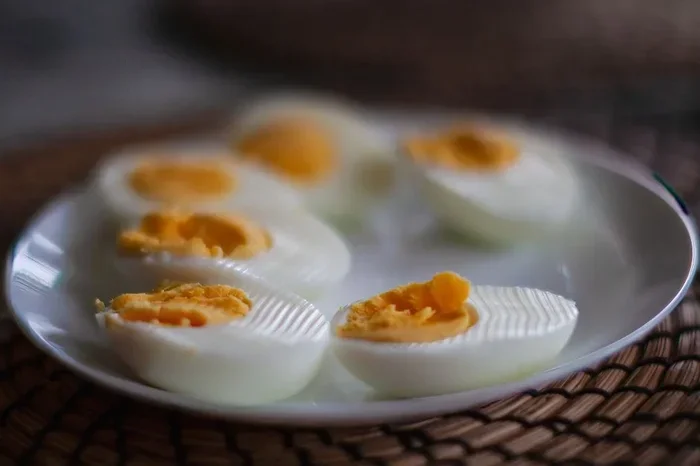
Learning how long to cook hard boiled eggs is simpler than you think. This guide walks you through exact timings for soft, medium, and hard boiled eggs on the stove. You will also discover pro tips for easy peeling, perfect storage, and fixing common mistakes every time.
There is something deeply satisfying about a perfectly cooked hard boiled egg. The white is firm. The yolk is smooth and bright yellow. No green ring around the edge. No chalky texture. Just pure egg perfection.
Yet so many people struggle with this simple staple. You set a timer, walk away, and come back to rubbery or undercooked results. The truth is, how long to cook hard boiled eggs depends on a few simple factors. Altitude, egg size, and whether you start in hot or cold water all matter. But once you know the basics, you will nail it every single time.
This guide gives you clear, exact timings for every level of doneness. We also cover peeling tricks, storage advice, and common mistakes. Whether you meal prep for the week or just want a quick snack, you are in the right place.
Key Takeaways
- Soft boiled eggs take about 4-6 minutes for a runny yolk.
- Medium boiled eggs need 7-9 minutes for a jammy center.
- Hard boiled eggs require 10-12 minutes for a fully set yolk.
- Starting eggs in cold water and using an ice bath prevents overcooking.
- Older eggs peel easier than fresh ones when boiling.
- Proper storage keeps boiled eggs fresh for up to one week.
📑 Table of Contents
- Why Cooking Time Matters for Hard Boiled Eggs
- How Long to Cook Hard Boiled Eggs: The Exact Timings
- The Best Method for Perfect Hard Boiled Eggs
- Tips for Easy Peeling Every Time
- How to Store Cooked Eggs Safely
- Common Mistakes to Avoid When Boiling Eggs
- Creative Ways to Use Hard Boiled Eggs
- Final Thoughts on Perfect Hard Boiled Eggs
Why Cooking Time Matters for Hard Boiled Eggs
The difference between a great boiled egg and a bad one comes down to minutes. Even sixty seconds can change everything. Understanding why timing matters helps you take control of your results.
When you cook an egg too long, the proteins in the white tighten too much. The yolk turns gray-green and develops a sulfurous smell. Too little time, and the white never fully sets. The yolk stays completely liquid.
The sweet spot is all about precision. A good egg timer or simple kitchen clock makes a huge difference. You want the white fully cooked but still tender. And the yolk should match your preference, whether that is runny or fully firm.
How Altitude Affects Boiling Eggs
If you live at a high altitude, water boils at a lower temperature. This means your eggs take slightly longer to cook. At sea level, water boils at 212°F (100°C). At 5,000 feet, it boils around 203°F (95°C).
Add one to two extra minutes to your cook time if you are at a higher elevation. This small adjustment makes a big difference in the final result.
How Long to Cook Hard Boiled Eggs: The Exact Timings
Here is what most people want to know. The answer depends on how you like your yolk. Below are the standard timings for large eggs starting in cold water.
| Doneness Level | Cook Time | Yolk Texture | Best For |
|---|---|---|---|
| Soft Boiled | 4-6 minutes | Runny, liquid center | Dipping toast, ramen topping |
| Medium Boiled | 7-9 minutes | Jammy, slightly thick | Salads, snacking |
| Hard Boiled | 10-12 minutes | Fully set, firm | Meal prep, deviled eggs |
These times assume you start with room temperature large eggs in cold water. If your eggs come straight from the refrigerator, add 30 seconds to each time. And if you are cooking more than four eggs at once, add another minute to account for the temperature drop.
Soft Boiled Eggs: 4 to 6 Minutes
Soft boiled eggs are a breakfast favorite around the world. The white is fully set but the yolk flows like silk. You eat them by cracking the top off and scooping with a spoon.
For a very runny yolk, go with 4 minutes. For a slightly thicker but still liquid yolk, aim for 5 to 6 minutes. Serve immediately with a pinch of salt and pepper. Many people enjoy soft boiled eggs on toast soldiers for a quick brunch or light meal.
Medium Boiled Eggs: 7 to 9 Minutes
Medium boiled eggs hit the sweet spot for many people. The yolk is thick and creamy but not fully hard. It has a beautiful jammy texture that works wonderfully in salads and bowls.
Seven minutes gives you a yolk that is mostly set with a slightly gooey center. Nine minutes brings it closer to fully hard but still with a rich, creamy quality. This level of doneness is perfect for chopping into a grain bowl or egg salad.
Hard Boiled Eggs: 10 to 12 Minutes
Hard boiled eggs are the most common style. The white is completely firm. The yolk is fully cooked through and pale yellow. These are ideal for meal prep, snacking, and making deviled eggs.
Ten minutes gives you a fully cooked egg with a tender yolk. Twelve minutes ensures no trace of runniness remains. Be careful not to go beyond 12 minutes, as the yolk can develop that unappealing green ring and dry texture.
The Best Method for Perfect Hard Boiled Eggs
Now that you know the timings, let us talk about method. How you cook the eggs matters just as much as how long you cook them. A few simple steps make a dramatic difference.
Step-by-Step Stovetop Method
Follow these steps for consistent results every time:
- Place your eggs in a single layer at the bottom of a saucepan.
- Cover the eggs with cold water by about one inch.
- Add a pinch of salt to the water. This helps the whites set faster.
- Bring the water to a full rolling boil over medium-high heat.
- Once boiling, remove the pan from the heat and cover with a lid.
- Set your timer based on the doneness level you want.
- When the timer goes off, immediately transfer the eggs to an ice bath.
Using the off-heat method is a game changer. Instead of keeping the eggs at a rolling boil, you let the residual heat do the work. This prevents overcooking and gives you much more control. It is the same approach recommended by professional chefs and the type of technique you would find when learning how to cook on a rice cooker where gentle, consistent heat matters.
Why the Ice Bath Is Essential
The ice bath stops the cooking process instantly. Without it, the eggs continue to cook from residual heat even after you remove them from the water. This is the number one reason people end up with overcooked yolks.
Prepare your ice bath before you start cooking. Use a bowl filled with ice and cold water. Transfer the eggs right when the timer goes off. Let them sit for at least 10 minutes. This also makes them easier to peel.
Tips for Easy Peeling Every Time
Struggling to peel hard boiled eggs is incredibly frustrating. You end up with chunks of white stuck to the shell. Here are some proven tips that make peeling a breeze.
Use Older Eggs
Fresh eggs are harder to peel. As eggs age, the pH of the white increases. This causes the membrane to pull away from the shell more easily. If you can, use eggs that are at least 7 to 10 days old.
If you only have fresh eggs, try adding a teaspoon of baking soda to the cooking water. This raises the pH and helps with peeling. You can also test egg freshness by placing an egg in a bowl of water. Fresh eggs sink and lay flat. Older eggs stand upright. Very old eggs float, which means it is time to toss them.
Crack and Roll Method
After the ice bath, gently tap the egg on a hard surface to create small cracks all over. Then roll the egg between your palms. This breaks the shell into tiny pieces that peel off easily. It sounds simple, but it works remarkably well.
Peel Under Running Water
Peeling eggs under a thin stream of cool water helps separate the shell from the white. The water gets under the membrane and lifts the shell away cleanly. It also prevents bits of egg white from sticking to your fingers.
How to Store Cooked Eggs Safely
Once you have cooked your eggs, proper storage keeps them fresh and safe to eat. Nobody wants a spoiled egg after all that effort.
Store boiled eggs in an airtight container in the refrigerator. They stay fresh for up to seven days. If you have peeled eggs, keep them in a container with a damp paper towel to prevent them from drying out.
For longer-term storage, you can freeze whole eggs, though the texture changes. The whites become rubbery when frozen. It is better to freeze the yolks separately if you plan to use them later. Always label your container with the date so you know when to use them by.
Proper egg storage is just as important as cooking them correctly. If you want to learn more about keeping eggs fresh for extended periods, check out our guide on how to store eggs for long term.
Common Mistakes to Avoid When Boiling Eggs
Even experienced cooks make mistakes with boiled eggs. Here are the most common errors and how to fix them.
- Starting with hot water: This makes the eggs cook unevenly. The bottom cooks faster than the top. Always start in cold water for consistent results.
- Overcrowding the pot: Too many eggs in one pot means uneven cooking. Cook in batches if needed to give each egg room.
- Skipping the ice bath: This is the biggest mistake. Residual heat continues cooking the egg long after you take it off the stove.
- Cooking too long: More time does not mean better eggs. Stick to the recommended times and use a timer.
- Using eggs straight from the fridge: Cold eggs are more likely to crack in hot water. Let them sit at room temperature for 5 minutes before cooking if possible.
Avoiding these simple mistakes will elevate your boiled eggs from mediocre to restaurant quality. You will notice the difference in texture, flavor, and ease of peeling right away.
Creative Ways to Use Hard Boiled Eggs
Once you master the perfect hard boiled egg, the fun really begins. There are so many delicious ways to enjoy them beyond the basic snack.
- Deviled eggs: A classic party favorite. Mix the yolks with mayo, mustard, and a dash of paprika.
- Egg salad sandwiches: Chop the eggs, mix with mayo and seasoning, and serve on your favorite bread.
- Ramen topping: Slice a soft boiled egg in half and place it on top of your ramen bowl.
- Grain bowls: Add halved hard boiled eggs to rice bowls with vegetables and a drizzle of soy sauce.
- Pickled eggs: Preserve boiled eggs in a vinegar brine for a tangy snack that lasts weeks.
If you love experimenting with egg recipes, you might also enjoy learning how to fry an egg without oil for a healthier cooking alternative. And if you are curious about different egg tools, our guide on the best egg cooker for hard boiled eggs reviews appliances that can simplify your routine even further.
For a fun twist on serving, try using a best egg cutter for soft boiled eggs to create clean, even slices for salads and garnishes. These small tools make a big visual difference on your plate.
Final Thoughts on Perfect Hard Boiled Eggs
Cooking hard boiled eggs perfectly is a skill anyone can learn. It all comes down to understanding the right timing, using the proper method, and avoiding common pitfalls. With the timings in this guide, you have everything you need to get consistent, beautiful results.
Start with cold water. Use a timer. Transfer to an ice bath immediately. These three simple habits will transform your boiled eggs. No more gray yolks. No more rubbery whites. Just perfectly cooked eggs every time.
Whether you are a beginner or a seasoned cook, revisiting these fundamentals never hurts. Print this guide, pin it to your fridge, or save it for your next meal prep session. Once you get the timing down, you will never second-guess yourself again.
Remember, great eggs come from great technique. Take your time, follow the steps, and enjoy the process. Your perfectly cooked hard boiled eggs are just minutes away.
Frequently Asked Questions
Can I cook hard boiled eggs in an air fryer?
Yes, you can cook eggs in an air fryer at 270°F for about 15 to 17 minutes for hard boiled eggs. The result is similar to stovetop boiling. However, the stovetop method gives you more precise control over timing and is the most widely recommended approach.
How do I know if an egg is done boiling?
The easiest way is to use a timer based on the doneness level you want. For hard boiled eggs, 10 to 12 minutes is the standard range. You can also spin the egg on a flat surface. A fully cooked egg spins smoothly and quickly, while an undercooked egg wobbles.
Why does my hard boiled egg have a green ring around the yolk?
The green ring forms when eggs are overcooked or left in the hot water too long. It is caused by a reaction between the iron in the yolk and the sulfur in the white. It is harmless but can affect the taste and appearance. Using the off-heat method and an ice bath prevents this completely.
Can I freeze hard boiled eggs?
You can freeze whole hard boiled eggs, but the texture changes significantly. The whites become rubbery and tough. It is better to freeze raw eggs if you want to store them long term. Cooked eggs are best eaten within one week of refrigeration.
How long do hard boiled eggs last in the fridge?
Hard boiled eggs stay fresh in the refrigerator for up to seven days. Keep them in their shells until you are ready to eat or use them. Once peeled, consume them within two days for the best quality and freshness.
What is the difference between soft boiled and hard boiled eggs?
The main difference is cooking time and yolk texture. Soft boiled eggs cook for 4 to 6 minutes and have a completely runny yolk. Hard boiled eggs cook for 10 to 12 minutes and have a fully set yolk. Medium boiled eggs fall in between at 7 to 9 minutes with a jammy center.



