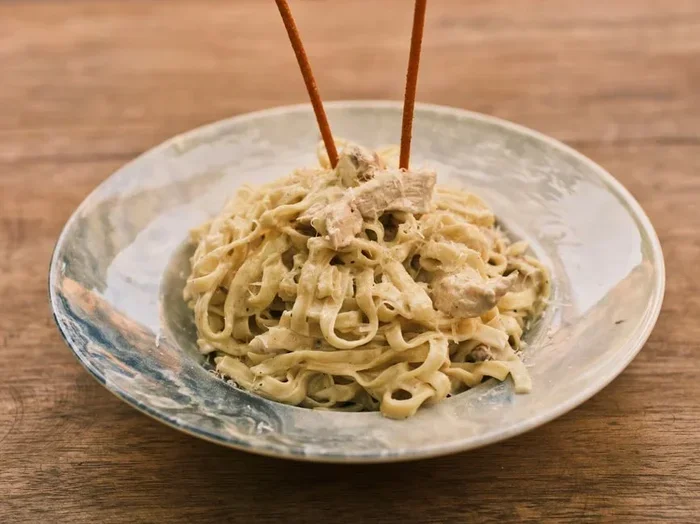
Discover how to make a true traditional Italian alfredo sauce recipe right in your own kitchen. This classic homemade alfredo sauce uses just butter, parmesan cheese, and pasta water for a rich and creamy result. You will learn the secrets behind authentic alfredo that tastes better than any restaurant version.
Key Takeaways
- Authentic Italian alfredo sauce requires only a handful of simple ingredients: butter, parmesan cheese, and starchy pasta water.
- Making homemade alfredo sauce from scratch gives you full control over flavor, texture, and quality.
- The key technique is emulsifying butter and cheese with pasta water to create a smooth, creamy pasta sauce that clings to every noodle.
- Avoid common mistakes like adding cream or overheating the cheese, which can ruin the sauce.
- This classic Italian recipe pairs perfectly with fettuccine, chicken, and vegetables for a complete meal.
- You can store and reheat leftover sauce properly to enjoy it for days after cooking.
📑 Table of Contents
- Authentic Traditional Italian Alfredo Sauce Recipe at Home
- What Makes Alfredo Sauce Authentic
- Ingredients You Will Need
- Step-by-Step Cooking Instructions
- Common Mistakes to Avoid
- Pairing Your Alfredo Sauce
- Storing and Reheating Leftover Alfredo
- Why You Should Make Alfredo from Scratch
- Final Thoughts on Your Traditional Italian Alfredo Sauce Recipe
Authentic Traditional Italian Alfredo Sauce Recipe at Home
There is something magical about a traditional Italian alfredo sauce recipe made from scratch. It is simple, elegant, and incredibly satisfying. Unlike heavy, cream-laden versions found in many American restaurants, the real deal comes from Rome and relies on just a few quality ingredients.
If you have ever wondered how to make authentic alfredo that tastes like it came straight from a trattoria in Italy, you are in the right place. This guide walks you through every step with clear instructions and helpful tips. By the end, you will be whipping up homemade alfredo sauce like a pro.
The beauty of this dish lies in its simplicity. You do not need a long list of ingredients or fancy equipment. Just butter, parmesan cheese, pasta, and a little bit of elbow grease. That is all it takes to create a rich and creamy Italian cream sauce that will impress everyone at your table.
What Makes Alfredo Sauce Authentic
Many people think alfredo sauce is just butter and cream. That is far from the truth. The original traditional Italian alfredo sauce recipe was created by Alfredo di Lelio in Rome in the early 1900s. He wanted to make a comforting dish for his wife using ingredients she could tolerate during pregnancy.
The Original Roman Recipe
The authentic version, known as fettuccine alfredo in Italy, uses only three core ingredients:
- Butter — preferably high-quality unsalted butter
- Parmesan cheese — freshly grated Parmigiano-Reggiano
- Pasta cooking water — the starchy liquid that helps create the emulsion
That is it. No cream. No garlic. No parsley in the original version. The magic happens when you combine hot pasta, melted butter, and grated cheese while tossing everything together with a splash of pasta water. The starch in the water helps bind the butter and cheese into a smooth, silky sauce that coats every strand of pasta perfectly.
Why Fresh Ingredients Matter
Using fresh, high-quality ingredients makes a huge difference in your homemade alfredo sauce. Pre-grated cheese contains anti-caking agents that prevent it from melting smoothly. Freshly grated parmesan melts beautifully and creates that signature creamy pasta sauce texture.
Similarly, good butter contributes a rich, buttery flavor that store-bought sauces simply cannot match. When you use real Italian ingredients, the result is a classic Italian recipe that feels completely different from boxed or jarred alternatives.
Ingredients You Will Need
Making a traditional Italian alfredo sauce recipe at home is easy because you need so few ingredients. Here is everything you will need for about four servings:
- Fettuccine pasta — fresh or dried, about 400 grams
- Unsalted butter — 4 tablespoons, cut into small pieces
- Parmigiano-Reggiano cheese — about 1 cup, finely grated
- Pasta cooking water — reserve about 1 cup before draining
- Salt — for the pasta water and to taste
- Black pepper — freshly ground, optional
These simple simple ingredients come together to create something extraordinary. The quality of your parmesan and butter directly impacts the final flavor, so choose the best you can afford.
Substitutions and Variations
While the original recipe is perfect as-is, you can make small adjustments to suit your preferences:
- Gluten-free pasta works well if you need a gluten-free option
- Vegetarian parmesan is available if you avoid animal rennet
- Add grilled chicken for a protein boost — try the 13 Marry Me Chicken Thigh Recipe for a delicious Italian-inspired protein pairing
- Toss in steamed broccoli or peas for extra vegetables and color
Remember that adding too many ingredients can mask the delicate balance of the original Italian cream sauce. Keep it simple for the best results.
Step-by-Step Cooking Instructions
Now for the fun part — actually making the sauce. Follow these steps carefully, and you will have authentic alfredo on your plate in under 30 minutes.
Step 1: Cook the Pasta
Bring a large pot of generously salted water to a rolling boil. Add your fettuccine and cook according to the package directions until just al dente. This means the pasta should still have a slight bite to it. Do not overcook — underdone pasta finishes cooking in the sauce.
Before you drain the pasta, scoop out at least one cup of the starchy cooking water. This liquid is liquid gold for your creamy pasta sauce. Set it aside in a heat-safe bowl or measuring cup.
Step 2: Melt the Butter
While the pasta cooks, place a large skillet or saucepan over low heat. Add the butter and let it melt slowly. Do not let it brown or sizzle. You want gentle, melted butter that will serve as the base for your Italian cream sauce.
Low heat is key here. High heat can cause the cheese to clump and separate later, which is the last thing you want for a smooth, creamy pasta sauce.
Step 3: Combine Pasta and Butter
Transfer the hot, drained pasta directly into the skillet with the melted butter. Toss gently to coat every strand. The heat from the pasta will help the butter melt further and create a light coating on the noodles.
Step 4: Add the Cheese and Pasta Water
Remove the skillet from the heat. Add about one-third of the grated parmesan and toss thoroughly. Then add a splash of the reserved pasta water — just a tablespoon or two at first. Toss vigorously.
The starch in the water combines with the butter and cheese to create an emulsion. This is the technique that separates a great homemade alfredo sauce from a broken, greasy mess. Keep adding cheese and pasta water in small increments, tossing constantly, until the sauce reaches your desired consistency.
Step 5: Serve Immediately
Alfredo sauce waits for no one. Serve it right away while it is hot and creamy. Top with extra freshly grated parmesan and a crack of black pepper if desired. Your traditional Italian alfredo sauce recipe is ready to enjoy.
Common Mistakes to Avoid
Even with a simple recipe like this, mistakes can happen. Here are the most common ones and how to avoid them:
Adding Cream
This is the biggest sin of Italian cream sauce preparation. Cream is not part of the original authentic alfredo recipe. It makes the sauce heavy and masks the delicate balance of butter and cheese. Stick to the traditional method for the real deal.
Using Pre-Grated Cheese
Pre-grated parmesan contains cellulose and anti-caking agents that prevent smooth melting. Always grate your cheese fresh. The difference in texture and flavor is night and day when you are making a homemade alfredo sauce.
Overheating the Cheese
Remove the pan from the heat before adding cheese. Too much heat causes the proteins in parmesan to seize up and become grainy. Gentle heat and constant tossing create the rich and creamy texture you are looking for.
Skipping the Pasta Water
Pasta water is not optional. The starch it contains is essential for creating the emulsion that gives fettuccine alfredo its signature cling and silkiness. Never drain all of it before making the sauce.
Overcooking the Pasta
Remember that the pasta continues to cook slightly in the sauce. Pull it off the heat when it is just shy of al dente. This ensures the perfect texture in your final pasta dish.
Pairing Your Alfredo Sauce
A traditional Italian alfredo sauce recipe is incredibly versatile. While fettuccine is the classic pairing, you can use it in many creative ways.
Best Pasta Shapes for Alfredo
Wide, flat noodles like fettuccine are the traditional choice because they provide maximum surface area for the sauce to cling to. However, other shapes work well too:
- Fettuccine — the classic choice for fettuccine alfredo
- Linguine — a slightly thinner alternative
- Penne — the ridges help trap the creamy pasta sauce
- Rigatoni — large tubes hold plenty of sauce inside
Adding Protein and Vegetables
Turn your Italian cream sauce into a full meal by adding grilled chicken, shrimp, or roasted vegetables. A butter sauce recipe like this pairs beautifully with almost any protein.
For a complete Italian-inspired dinner, try pairing your alfredo with the 15 Marry Me Chicken Pasta Recipe for a flavorful twist on Italian pasta night.
Side Dish Ideas
Round out your meal with simple sides that complement the richness of the traditional Italian alfredo sauce recipe:
- Garlic bread or crusty Italian loaf
- Simple green salad with homemade Caesar dressing
- Roasted vegetables like asparagus or zucchini
- Bruschetta with fresh tomatoes and basil
Storing and Reheating Leftover Alfredo
Got leftovers? Good news — homemade alfredo sauce stores well when handled properly.
Store leftover sauce in an airtight container in the refrigerator for up to three days. When reheating, add a splash of pasta water or a little milk to restore the creamy consistency. Warm it gently over low heat while stirring frequently.
Avoid boiling the sauce, as this can cause the cheese to separate. Gentle, low heat is your best friend when reheating any butter sauce recipe.
For more Italian pasta inspiration, check out the 19 Classic Alfredo Pasta Recipes Everyone Loves for creative variations on this timeless dish.
Why You Should Make Alfredo from Scratch
Store-bought alfredo sauce and jarred versions simply cannot compete with homemade alfredo sauce. When you make it yourself, you control every aspect of the final product.
You decide how much butter to use. You choose the quality of your parmesan. You adjust the salt and pepper to your liking. There are no preservatives, no hidden ingredients, and no artificial flavors in your Italian cream sauce.
Beyond the health benefits, scratch-made alfredo tastes noticeably better. The buttery flavor is brighter, the texture is silkier, and the cheese taste is more pronounced. Once you make the real thing, you will never go back to the jar.
Making a traditional Italian alfredo sauce recipe also connects you to culinary history. You are recreating a dish that has been enjoyed in Rome for over a century. There is something deeply satisfying about preparing such a simple yet perfect Italian cuisine classic in your own kitchen.
Final Thoughts on Your Traditional Italian Alfredo Sauce Recipe
Mastering a traditional Italian alfredo sauce recipe is one of the most rewarding skills you can build in the kitchen. It requires patience, attention to technique, and quality ingredients — but the results are absolutely worth it.
Remember that the secret to authentic alfredo is simplicity. Resist the urge to add cream or too many extras. Trust the butter, the parmesan, and the pasta water to work their magic together.
With practice, making this homemade alfredo sauce will become second nature. You will be able to whip up a rich and creamy pasta dish on busy weeknights without reaching for anything from a jar.
So grab some good butter, a wedge of Parmigiano-Reggiano, and your favorite pasta. Give this classic Italian recipe a try tonight. Your taste buds will thank you.
For more delicious Italian-inspired meals, explore the 14 Boursin Cheese Pasta Recipe That’s Creamy Rich for another incredible Italian pasta creation that uses a similar philosophy of simple, quality ingredients coming together to create something extraordinary.
Frequently Asked Questions
What is the difference between American and Italian alfredo sauce?
American alfredo often includes heavy cream, garlic, and parsley, making it richer and heavier. The traditional Italian alfredo sauce recipe uses only butter, parmesan cheese, and pasta water. This creates a lighter, more balanced Italian cream sauce that lets the quality of the ingredients shine through.
Can I use a different type of cheese instead of parmesan?
Parmigiano-Reggiano is essential for authentic flavor and smooth melting. You can substitute Pecorino Romano for a sharper, saltier taste, but avoid pre-shredded cheeses. Freshly grated cheese melts into a smooth, creamy pasta sauce much better than packaged alternatives.
Why does my alfredo sauce get grainy?
Grainy sauce usually happens when the cheese is added at too high a temperature or when pre-grated cheese is used. Remove the pan from heat before adding cheese, and always grate it fresh. Low heat and constant tossing create a rich and creamy butter sauce recipe with a silky texture.
Can I make alfredo sauce ahead of time?
You can make the sauce ahead, but it is best to combine it with the pasta just before serving. Store the sauce separately in the fridge for up to three days. Reheat gently on low heat with a splash of milk or pasta water to restore its creamy consistency for your pasta dish.
Is alfredo sauce healthy?
In moderation, authentic alfredo can be part of a balanced diet. The original recipe uses real butter and parmesan, which provide protein and calcium. Because the sauce is made with simple ingredients and no additives, you know exactly what goes into your homemade alfredo sauce.
What pasta goes best with alfredo sauce?
Fettuccine is the classic pairing for fettuccine alfredo because its wide, flat shape holds the sauce beautifully. Penne, linguine, and rigatoni also work well. The key is choosing a shape with enough surface area or ridges to capture the creamy pasta sauce and deliver flavor in every bite.