
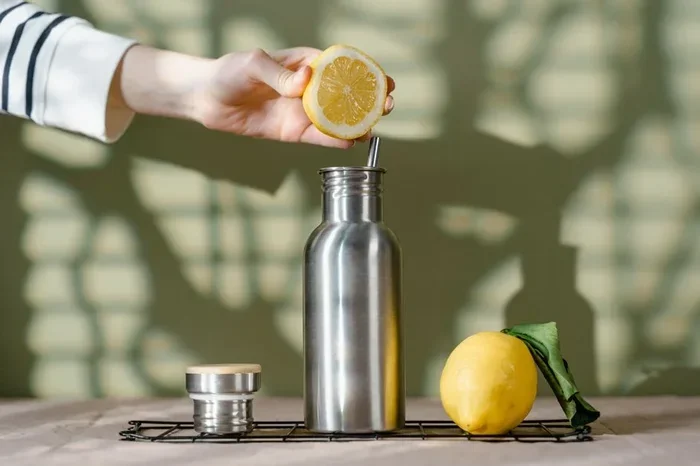
Keeping your stainless steel water bottle clean is simple when you know the right methods. You can use baking soda, vinegar, and dish soap to remove stains, kill bacteria, and eliminate odors. This guide walks you through every step so your bottle stays fresh and safe for daily use.
You rely on your stainless steel water bottle every single day. It keeps your drinks cold, your coffee hot, and your hydration on track. But over time, grime, stains, and odors can build up inside. The good news is that cleaning it the right way is easy and affordable.
In this guide, you will learn how to clean stainless steel water bottle using simple household items. We will cover daily routines, deep cleaning methods, and common mistakes to avoid. Whether you use a single wall stainless steel water bottle for boiling or a sleek insulated model, these tips will work for you.
Let us be real for a second. A dirty water bottle is more than just ugly. It can harbor bacteria and affect the taste of your drinks. That is why daily bottle cleaning matters so much. You deserve a fresh, clean sip every time.
Key Takeaways
- Daily cleaning prevents buildup: A quick rinse and wash with mild soap after every use keeps your bottle in great shape.
- Baking soda and vinegar are your best friends: These natural cleaners tackle tough stains and odors without harsh chemicals.
- Deep cleaning once a week is essential: It removes hidden bacteria and mineral deposits that regular washing misses.
- Avoid abrasive scrubbers: They can scratch the interior and damage the finish of your stainless steel water bottle.
- Dry your bottle completely: Proper drying prevents mold growth and lingering odors between uses.
- Use the right tools: A bottle brush and microfiber cloth make cleaning faster and more effective.
📑 Table of Contents
- Why Cleaning Your Stainless Steel Water Bottle Matters
- What You Need to Clean a Stainless Steel Water Bottle
- How to Clean Stainless Steel Water Bottle: Step by Step
- How to Clean the Exterior of Your Bottle
- Common Mistakes That Damage Your Bottle
- Pro Tips for Keeping Your Bottle Fresh Between Washes
- When to Replace Your Stainless Steel Water Bottle
- Final Thoughts
Why Cleaning Your Stainless Steel Water Bottle Matters
You might think a quick rinse is enough. But water residue, saliva, and minerals from your drink can stick to the walls. Over days and weeks, this buildup creates a breeding ground for bacteria. It can also cause a musty smell that no amount of water rinsing will fix.
Stainless steel is durable, but it is not invincible. The interior can develop stains from coffee, tea, or fruit-infused water. Hard water leaves mineral deposits that look like a cloudy film. And if you have ever taken a sip from a bottle that smelled like yesterday’s smoothie, you know the problem is real.
The best part? You do not need fancy cleaners or expensive tools. Most of what you need is already in your kitchen. Baking soda, white vinegar, and warm water can do wonders for your bottle.
Health Benefits of a Clean Bottle
Drinking from a clean bottle supports your overall health. Bacteria from old drinks can cause stomach issues and bad breath. Regular cleaning reduces the risk of mold and harmful germs. It also ensures that every sip tastes fresh and pure.
What You Need to Clean a Stainless Steel Water Bottle
Before you start, gather your supplies. You do not need anything special. Here is a simple list of what works best:
- Warm water — the base for most cleaning solutions
- Mild dish soap — cuts through grease and grime
- Baking soda — a natural abrasive that removes stains
- White vinegar — dissolves mineral deposits and kills bacteria
- Bottle brush — reaches the bottom and sides easily
- Microfiber cloth — for drying and polishing the exterior
- Rice or uncooked quinoa — great for shaking out stubborn residue
With these items on hand, you are ready to tackle any cleaning job. The bottle brush is especially important for bottles with narrow openings. It gets into all the corners that your hand cannot reach.
How to Clean Stainless Steel Water Bottle: Step by Step
Now let us get into the actual cleaning process. I will walk you through three methods. Each one works great for different levels of dirt and buildup.
Method 1: The Daily Quick Wash
This is what you should do after every use. It takes less than two minutes and keeps your bottle in top shape.
- Empty any remaining liquid from the bottle.
- Add a few drops of mild dish soap and warm water.
- Swirl the mixture around for 30 seconds.
- Use your bottle brush to scrub the interior gently.
- Rinse thoroughly with clean warm water.
- Let the bottle air dry upside down on a drying rack.
This simple routine prevents most stains and odors from setting in. Make it a habit, and your bottle will always smell fresh.
Method 2: The Baking Soda Deep Clean
For tough stains and lingering odors, baking soda is a powerhouse cleaner. It is natural, safe, and incredibly effective.
- Fill the bottle halfway with warm water.
- Add two tablespoons of baking soda.
- Shake the bottle vigorously for one minute.
- Let the mixture sit for 15 to 30 minutes.
- Use the bottle brush to scrub the interior.
- Rinse thoroughly with clean water.
The baking soda will lift stains and neutralize odors. For extra stubborn spots, make a paste with baking soda and a little water. Apply it directly to the stain and let it sit before scrubbing.
Method 3: The Vinegar Soak
White vinegar is excellent for removing mineral deposits and hard water stains. It also kills bacteria naturally. This method works wonders if your bottle has a cloudy film or strange taste.
- Mix equal parts white vinegar and warm water.
- Fill the bottle to the top with the solution.
- Let it soak for at least one hour or overnight for tough buildup.
- Add a teaspoon of baking soda and shake gently.
- Scrub the interior with your bottle brush.
- Rinse very well with clean water until the vinegar smell is gone.
The vinegar and baking soda reaction helps loosen grime. Do not worry if it fizzes — that is the cleaning power at work. Just make sure you rinse thoroughly afterward.
How to Clean the Exterior of Your Bottle
The interior gets most of the attention, but the exterior matters too. Your bottle touches your hands, your bag, and your desk every day. It picks up fingerprints, smudges, and grime along the way.
To clean the outside, simply wipe it down with a damp microfiber cloth and a drop of dish soap. For stainless steel bottles, a quick polish with a dry cloth restores the shine. If you have a stainless steel fridge freezer with water dispenser or other stainless steel appliances nearby, the same cleaning approach works well.
For stubborn exterior stains, make a paste of baking soda and water. Gently rub it in with a soft cloth. Rinse and dry immediately. This keeps your bottle looking as good as new.
Common Mistakes That Damage Your Bottle
Even with the best intentions, some cleaning habits can hurt your bottle. Here are mistakes you should avoid:
- Using steel wool or harsh scrubbers: They scratch the stainless steel and create tiny grooves where bacteria hide.
- Soaking for too long: Extended exposure to vinegar or lemon juice can dull the finish over time.
- Putting it in the dishwasher: The high heat and harsh detergents can damage the insulation and exterior coating.
- Leaving water sitting inside: Stagnant water promotes mold growth and mineral buildup.
- Using bleach or abrasive cleaners: These chemicals can leave residues that contaminate your drinks.
Avoiding these mistakes will extend the life of your bottle significantly. A little care goes a long way in keeping your stainless steel bottle care routine effective and safe.
Pro Tips for Keeping Your Bottle Fresh Between Washes
Cleaning is only half the battle. Prevention plays a big role too. Here are some expert tips that make a real difference:
- Never leave drinks sitting overnight: Empty and rinse your bottle before bed every night.
- Store the bottle with the cap off: This allows air to circulate and prevents mold.
- Use a bottle with a wide mouth: It is much easier to reach inside and clean thoroughly.
- Add a small amount of rice when shaking: The rice acts as a gentle scrubber for hard-to-reach spots.
- Clean your cap and seal separately: The rubber gasket in the lid traps moisture and bacteria. Remove it and wash it by hand.
If you want to compare bottle types, check out our guide on the best water bottle to keep water cold for options that are easier to maintain.
When to Replace Your Stainless Steel Water Bottle
Even with the best care, bottles do not last forever. Here are signs that it is time for a new one:
- The interior has permanent staining that no cleaning method removes.
- The bottle develops a persistent odor even after deep cleaning.
- The insulation fails and your drinks no longer stay hot or cold.
- There are visible dents or damage that affect the seal.
- The interior surface starts to flake or peel.
Most quality stainless steel bottles last for years with proper care. If you are shopping for a new one, consider a single wall stainless steel water bottle for boiling if you plan to use it for hot beverages. These bottles are designed to handle high temperatures without damage.
For those who need a bottle for outdoor activities or camping, proper cleaning becomes even more important. If you have ever wondered how to clean dishes while camping without water, you know that portable cleaning solutions are essential. The same principles apply to your water bottle on the trail.
Final Thoughts
Cleaning your stainless steel water bottle does not have to be a chore. With the right tools and a simple routine, you can keep your bottle fresh, safe, and looking great. The key is consistency. A few minutes of cleaning each day saves you from tough deep cleans later.
Remember to use gentle, natural cleaners like baking soda and vinegar. Avoid harsh chemicals and abrasive tools. And always dry your bottle completely before storing it. These small habits make a huge difference in the long run.
Your water bottle is an investment in your health and hydration. Treat it well, and it will serve you faithfully for years to come. Start with the daily quick wash tonight, and your bottle will thank you tomorrow.
For more tips on maintaining your stainless steel gear, you might also enjoy learning about how to clean a Hydro Flask using similar methods. And if you are curious about maintaining other stainless steel items in your kitchen, understanding the basics of stainless steel water dispenser hot and cold maintenance can help you extend the life of all your stainless steel products.
Frequently Asked Questions
How often should I clean my stainless steel water bottle?
You should clean your bottle at least once a day with a quick wash after each use. A deeper clean with baking soda or vinegar once a week helps remove buildup. If you use the bottle for sugary drinks or smoothies, clean it immediately after every use.
Can I use vinegar to clean my stainless steel water bottle?
Yes, white vinegar is safe and effective for cleaning stainless steel. It removes mineral deposits, kills bacteria, and eliminates odors. Just make sure to rinse the bottle thoroughly after soaking so no vinegar taste remains.
What is the best way to remove stains from a stainless steel water bottle?
Baking soda paste is the best natural stain remover. Make a thick paste with baking soda and water, apply it to the stain, and let it sit for 15 minutes. Then scrub gently with a bottle brush and rinse well.
Is it safe to put a stainless steel water bottle in the dishwasher?
It is best to avoid the dishwasher. The high heat and harsh detergents can damage the insulation and exterior finish. Hand washing with mild soap and warm water is the safest and most effective method.
Why does my stainless steel water bottle smell bad even after cleaning?
A persistent odor usually means bacteria are trapped in hard-to-reach spots. Try a vinegar and baking soda soak overnight. Also, make sure to clean the cap, seal, and any removable parts separately. Always dry the bottle completely before storing.
Can I use lemon juice instead of vinegar to clean my bottle?
Yes, lemon juice works similarly to vinegar for cleaning. It is acidic and helps dissolve stains and mineral deposits. Mix lemon juice with warm water, let it soak for 30 minutes, then scrub and rinse thoroughly.



