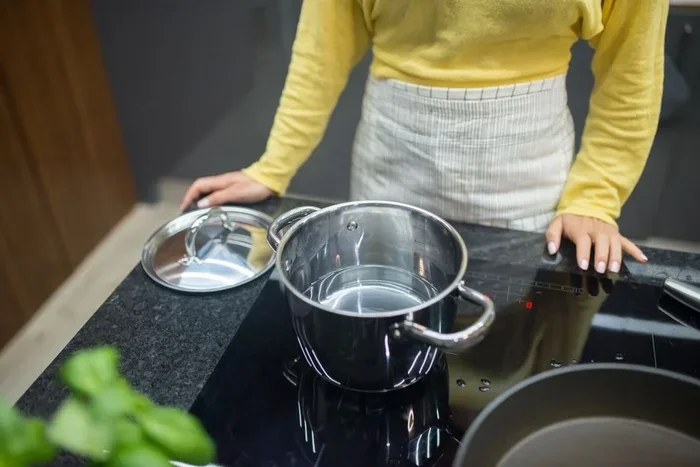
Heat stains on a stainless steel cooktop are frustrating but completely removable. You can use baking soda, vinegar, and a few gentle techniques to get rid of discoloration without harsh chemicals. This guide walks you through every fast, effective method so your cooktop looks brand new again.
Nothing ruins a beautiful kitchen faster than heat stains on a stainless steel cooktop. Those ugly brown or discolored marks seem to appear out of nowhere. Whether you are a busy home cook or someone who just forgot a pot on the burner a little too long, heat stains happen to everyone.
The good news is that you do not need expensive products or a professional to fix the problem. With a few simple household items and the right technique, you can remove heat stains from stainless steel cooktop surfaces quickly and easily. This guide covers every method you need, from gentle home remedies to stronger cleaning solutions.
Let us be honest — cleaning a stainless steel cooktop can feel like a never-ending chore. Food spills, splatters, and heat marks build up fast. But with the right approach, you can keep your cooktop looking shiny and new. Below, you will find step-by-step instructions, practical tips, and common mistakes to avoid. By the end, you will know exactly how to tackle those stubborn heat stains with confidence.
Key Takeaways
- Baking soda paste is the #1 household fix for removing heat stains from stainless steel cooktops safely and affordably.
- White vinegar and water make a powerful natural cleaner that tackles light heat discoloration in minutes.
- Avoid abrasive scrubbers and steel wool because they scratch the surface and make stains worse over time.
- Prevention is easier than cleaning — use cookware with flat bottoms and clean spills promptly to avoid buildup.
- Commercial stainless steel cleaners work best for stubborn heat marks that home remedies can’t fully remove.
- Always dry your cooktop after cleaning to prevent water spots and maintain the polished finish.
📑 Table of Contents
- Why Heat Stains Appear on Stainless Steel Cooktops
- What You Need Before You Start Cleaning
- Best Methods to Remove Heat Stains From Stainless Steel Cooktop
- How to Prevent Heat Stains on Your Cooktop
- Common Mistakes That Make Heat Stains Worse
- When to Call a Professional for Cooktop Cleaning
- Final Thoughts on Restoring Your Stainless Steel Cooktop
Why Heat Stains Appear on Stainless Steel Cooktops
Understanding what causes heat stains helps you prevent them in the future. Stainless steel is durable, but it is not immune to damage. Heat discoloration occurs when the metal surface gets too hot or when food spills burn onto the surface.
The Science Behind Heat Discoloration
Stainless steel contains chromium, which creates a protective oxide layer. When you expose the surface to high heat, this layer changes. The discoloration you see is actually a thin layer of chromium oxide that forms at different temperatures. Different colors mean different levels of heat exposure:
- Light yellow or straw color — low heat exposure
- Blue or purple tint — moderate heat buildup
- Brown or dark rainbow hues — high heat damage
- Black or gray marks — burned food residue combined with heat
These stains are not permanent, even though they look alarming. The oxide layer is very thin, and gentle cleaning can remove it. The key is to act before the stains set in deeply. Regular cooktop cleaning prevents buildup and keeps your surface looking great.
Common Causes of Heat Stains
Several everyday habits lead to heat stains on your cooktop:
- Leaving pots and pans on a hot burner after cooking
- Using cookware with warped or uneven bottoms
- Cooking at high heat without liquid in the pan
- Spilling sugary or starchy foods that burn onto the surface
- Not cleaning spills right away
- Using the wrong cleaning tools that scratch and trap grime
Once you know the causes, you can take steps to reduce heat stains. But if you already have them, do not worry. The next sections show you exactly how to handle them.
What You Need Before You Start Cleaning
Before you dive into cleaning, gather your supplies. Having everything ready makes the process faster and smoother. Most of these items you probably already have in your kitchen.
Essential Cleaning Supplies
- Baking soda — a gentle, natural abrasive that lifts stains without scratching
- White vinegar — cuts through grease and light discoloration naturally
- Dish soap — helps break down grease and food residue
- Microfiber cloths — soft and safe for stainless steel surfaces
- Spray bottle — for mixing and applying cleaning solutions
- Plastic scraper or old credit card — for lifting stubborn residue gently
- Stainless steel polish — restores shine after cleaning
For tougher stains, you may also want to pick up a commercial stainless steel cleaner. A quality fingerprint-resistant stainless steel cleaner works well because it is designed for cooktop surfaces and leaves a protective finish.
What to Avoid
Not all cleaning tools are safe for stainless steel. Here is what you should never use:
- Steel wool or metal scrubbers — these create deep scratches
- Abrasive powder cleaners — they damage the protective coating
- Bleach or chlorine-based cleaners — they cause pitting and discoloration
- Ammonia-heavy sprays — they strip the finish over time
- Paper towels — they can leave tiny fibers and scratches
Stick to soft cloths and gentle cleaners. Your stainless steel cooktop will thank you for it.
Best Methods to Remove Heat Stains From Stainless Steel Cooktop
Now for the part you have been waiting for — actually removing those stains. Below are the most effective methods, ranked from easiest to most powerful. Each one works on different levels of heat staining.
Method 1: Baking Soda Paste (Best for Light to Moderate Stains)
This is the go-to method for most home cooks. Baking soda is a mild abrasive that lifts stains without damaging the surface. Here is how to do it:
- Mix three parts baking soda with one part water to form a thick paste.
- Spread the paste evenly over the heat-stained areas.
- Let it sit for 15 to 20 minutes.
- Gently scrub in a circular motion using a soft microfiber cloth.
- Wipe clean with a damp cloth and dry thoroughly.
For stubborn spots, let the paste sit for up to 30 minutes. You can repeat this process two or three times for really bad stains. This method is so gentle that you can use it every week as part of your stainless steel cooktop care routine.
Quick Tip: Add a few drops of dish soap to the baking soda paste for extra cleaning power. The soap helps break down grease that often accompanies heat stains.
Method 2: Vinegar and Water Solution (Best for Light Discoloration)
White vinegar is a natural acid that dissolves mineral deposits and light heat marks. It is perfect for fresh or light stains that have not set in yet.
- Mix equal parts white vinegar and water in a spray bottle.
- Spray the solution generously over the stained areas.
- Let it sit for 5 to 10 minutes.
- Wipe with a soft microfiber cloth using gentle circular motions.
- Rinse with clean water and dry with a separate cloth.
For extra effectiveness, sprinkle baking soda over the surface first, then spray the vinegar. The fizzing reaction helps lift dirt and grime. This combination is one of the best stainless steel cleaning hacks out there.
If you want a ready-made option that works great, a high-quality microfiber cloth paired with a quality stainless steel cleaner makes a noticeable difference on light to moderate stains.
Method 3: The Boiling Water Trick (Best for Burnt-On Residue)
When food has burned onto the cooktop and created dark, crusty heat stains, the boiling water method softens the residue so you can remove it easily.
- Place a clean cloth or paper towel over the stained area.
- Dampen the cloth with hot water.
- Let it sit for 10 to 15 minutes to soften the burnt residue.
- Gently scrape the softened residue with a plastic scraper.
- Clean the area with baking soda paste or vinegar solution.
- Dry thoroughly with a microfiber cloth.
This method works wonders on burnt food on cooktop surfaces. It saves you from scrubbing aggressively, which is the number one cause of scratches on stainless steel.
Method 4: Commercial Stainless Steel Cleaner (Best for Stubborn Stains)
When home remedies are not enough, a dedicated stainless steel cooktop cleaner is your best friend. Commercial products are formulated specifically for cooktop surfaces and contain gentle abrasives that remove deep heat marks.
Look for products that are:
– pH-balanced for stainless steel
– Non-abrasive or mildly abrasive
– Free of chlorine and ammonia
– Designed for cooktop use specifically
Apply the cleaner according to the product instructions. Most require you to spray, wait a few minutes, and wipe with a soft cloth. For heavy heat staining, you may need to apply the cleaner twice.
Using a quality sponge holder near your cooktop area keeps your cleaning tools organized and within reach, making regular maintenance much easier.
Comparison: Which Method Works Best?
| Method | Best For | Time Required | Difficulty Level |
|---|---|---|---|
| Baking Soda Paste | Light to moderate heat stains | 15–30 minutes | Easy |
| Vinegar and Water | Fresh, light discoloration | 5–10 minutes | Very Easy |
| Boiling Water Trick | Burnt-on food residue | 15–20 minutes | Easy |
| Commercial Cleaner | Stubborn, deep heat stains | 10–20 minutes | Very Easy |
You can also combine methods for tough stains. Start with the boiling water trick to soften residue, follow up with a baking soda paste, and finish with a vinegar wipe-down. This three-step approach handles even the worst heat stains on cooktop surfaces.
How to Prevent Heat Stains on Your Cooktop
Once you have removed the stains, you want to keep them from coming back. Prevention is always easier than cleaning. A few simple habits make a huge difference.
Use the Right Cookware
The cookware you use directly affects your cooktop surface. Always choose pots and pans with flat, smooth bottoms. Warped cookware creates uneven heat distribution, which leads to more staining. Using a stainless steel cookware set that does not stick also reduces the chance of food burning onto the surface.
Clean Spills Immediately
The longer food sits on your cooktop, the harder it is to remove. Make it a habit to wipe up spills right after cooking while the surface is still warm. You do not need a full cleaning session — just a quick wipe with a damp cloth.
Control Your Heat Settings
High heat is the enemy of stainless steel cooktops. Use the lowest heat setting that gets the job done. If you are boiling water, start on high and then reduce the heat once the water reaches a rolling boil. This simple change reduces heat exposure significantly.
Use a Cooktop Protector
If you frequently cook at high temperatures or use cast iron pans, consider a heat-resistant cooktop mat. These mats protect the surface from direct contact with hot cookware and catch spills before they burn on.
Establish a Cleaning Routine
Consistency is the key to prevention. A quick daily wipe-down and a deeper clean once a week keeps heat stains from building up. Spending five minutes after each cooking session saves you from hour-long cleaning sessions later.
Common Mistakes That Make Heat Stains Worse
Even with the best intentions, people often make mistakes that worsen heat stains. Here is what to watch out for:
- Scrubbing too hard — aggressive scrubbing does not remove heat stains faster. It only scratches the surface and makes future staining worse.
- Using the wrong cleaner — harsh chemical cleaners strip the protective layer of stainless steel, making it more vulnerable to stains.
- Ignoring small stains — small heat marks become big problems when left untreated. Address them early.
- Letting water sit on the surface — standing water causes water spots and can react with the stainless steel finish.
- Skipping the dry step — always dry your cooktop after cleaning. Leaving it wet invites new stains and streaks.
Avoiding these mistakes keeps your stainless steel cooktop looking great between deep cleaning sessions. A little care goes a long way.
When to Call a Professional for Cooktop Cleaning
Most heat stains respond well to home treatment. However, there are times when professional help makes sense. If you have tried multiple methods and the stains persist, a professional can assess the damage.
Also, if your cooktop has deep pitting or permanent damage from extreme heat, a professional restoration service may be your only option. These specialists have access to industrial-grade tools and compounds that can restore severely damaged surfaces.
For everyday heat staining, though, you do not need to spend money on professional cleaning. The methods in this guide handle 95 percent of heat stain problems. Save your money for good cookware instead.
Final Thoughts on Restoring Your Stainless Steel Cooktop
Removing heat stains from a stainless steel cooktop is simpler than most people think. You do not need fancy products or hours of effort. A few household items and the right technique bring your cooktop back to life.
Start with the gentlest method and work your way up only if needed. Baking soda paste and vinegar solution handle most stains effectively. The boiling water trick saves you from scrubbing burnt residue. And commercial cleaners are there as a backup for the toughest cases.
Remember that prevention matters just as much as cleaning. Use flat-bottomed cookware, control your heat settings, and wipe up spills promptly. These small habits keep your stainless steel cooktop looking pristine for years to come.
Your cooktop is the centerpiece of your kitchen. It deserves to look its best. With the tips and methods in this guide, you now have everything you need to remove heat stains fast and keep them from returning. Start today, and you will see the difference immediately.
Frequently Asked Questions
Can heat stains damage a stainless steel cooktop permanently?
No, heat stains are not permanent. They are surface-level discoloration caused by heat exposure and burnt food residue. With the right cleaning method, you can fully remove them and restore the original finish of your cooktop.
How often should I clean my stainless steel cooktop to prevent heat stains?
A quick wipe-down after every cooking session works best. Doing a deeper clean once a week with baking soda or vinegar prevents buildup. Consistent cleaning is the easiest way to avoid stubborn heat stains over time.
Is baking soda safe for all stainless steel cooktop brands?
Yes, baking soda is safe for all stainless steel surfaces. It is a gentle, non-abrasive cleaner that does not scratch or damage the finish. However, always test in a small hidden area first if you are unsure about a specific brand or coating.
What causes rainbow-colored stains on a stainless steel cooktop?
Rainbow or iridescent stains happen when stainless steel is exposed to high heat repeatedly. The chromium oxide layer changes thickness at different temperatures, creating colorful reflections. These are purely cosmetic and easily removable with baking soda or vinegar.
Can I use a magic eraser on my stainless steel cooktop?
It is best to avoid magic erasers on stainless steel cooktops. They contain melamine foam, which acts as a fine abrasive. Over time, they can create micro-scratches that trap grease and make future staining worse. Stick to microfiber cloths instead.
Will a cooktop protector prevent all heat stains?
A cooktop protector significantly reduces heat stains by creating a barrier between hot cookware and the surface. However, it does not eliminate all staining. Spills can still seep under the protector, and you still need to clean regularly for the best results.