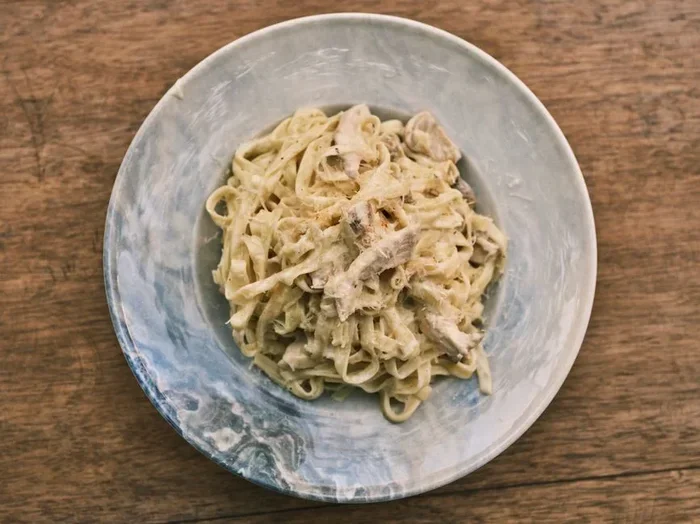
Learn how to make a delicious alfredo sauce with milk no heavy cream required. This simple homemade recipe uses butter, flour, milk, and parmesan cheese to create a rich and creamy pasta sauce that is lighter than the traditional version. You will get all the classic alfredo flavor with fewer calories and less fat, making it a perfect comfort food recipe for any night of the week.
There is nothing quite like a warm bowl of pasta coated in a silky, rich alfredo sauce. For years, the classic recipe has relied on heavy cream to get that luxurious, velvety texture. But what if you want to enjoy the same creamy pasta sauce without all the heaviness? The good news is that you can make an amazing alfredo sauce with milk no heavy cream at all. This version is lighter, simpler, and just as satisfying.
Whether you are watching your calorie intake, running low on heavy cream, or just looking for a healthier twist on a favorite dish, this homemade alfredo sauce delivers. It uses basic pantry staples and comes together in minutes. You will learn how to build a perfect butter and flour roux, why milk works so well, and how to get that rich and creamy consistency every single time.
This easy dinner recipe is perfect for busy weeknights when you want something comforting and delicious without a lot of fuss. It is also a great option for families who want a lighter meal without sacrificing flavor. Once you try this milk-based alfredo, you may never go back to the heavy cream version again.
Key Takeaways
- No heavy cream needed: You can make a silky, creamy alfredo sauce using whole milk and a butter-flour roux instead of heavy cream.
- Fewer calories and less fat: The milk-based version cuts down on calories significantly while keeping the rich flavor you love.
- Simple ingredients: Butter, flour, milk, and parmesan cheese are all you need to make this stovetop sauce.
- Quick to prepare: This recipe comes together in about 15 minutes, making it perfect for busy weeknights.
- Customizable: Add garlic, herbs, or spices to personalize your sauce to your taste preferences.
- Great for meal prep: Store leftovers in airtight containers and reheat easily for a fast homemade meal.
📑 Table of Contents
- Why Make Alfredo Sauce with Milk Instead of Heavy Cream
- What You Need to Make Milk-Based Alfredo Sauce
- Step-by-Step Instructions for Making Alfredo Sauce with Milk
- Tips for Getting the Perfect Creamy Texture
- Serving Ideas and Pairings for Your Alfredo Sauce
- Storing and Reheating Your Homemade Alfredo Sauce
- Common Mistakes to Avoid When Making Milk-Based Alfredo
- Conclusion
Why Make Alfredo Sauce with Milk Instead of Heavy Cream
The traditional alfredo sauce uses heavy cream as its base. While that makes for a decadent dish, it also adds a lot of fat and calories. Switching to whole milk gives you a light alfredo recipe that is much easier on the waistline. You still get the creamy texture and the savory parmesan flavor that makes alfredo so irresistible.
Here are some reasons why a milk-based sauce is a smart choice:
- Lower in calories: Whole milk has significantly fewer calories than heavy cream, making your dish lighter.
- Less saturated fat: Reducing heavy cream cuts down on saturated fat, which is better for heart health.
- Easier to find ingredients: Milk is something most people already have in their fridge.
- Faster to prepare: Milk-based sauces thicken quickly and do not require as much stirring as cream-based ones.
- More versatile: A lighter sauce pairs well with vegetables, lean proteins, and whole grain pasta.
The key to success is using the right technique. A proper roux made from butter and flour helps the milk thicken into a smooth, rich pasta sauce that coats every noodle perfectly. You are not losing flavor by skipping the heavy cream. You are just making a smarter choice.
The Science Behind a Milk-Based Roux
A roux is simply a mixture of fat and flour that acts as a thickening agent. When you cook butter and flour together, the flour loses its raw taste and the starch granules swell. Then, when you add milk slowly while whisking, the starch absorbs the liquid and creates a thick, smooth base. This is the same technique used in many cheese sauce recipes and cream soups. It is a classic Italian white sauce foundation that works beautifully for alfredo.
What You Need to Make Milk-Based Alfredo Sauce
One of the best things about this recipe is how few ingredients you need. You probably already have most of them in your kitchen. Here is what you will need to make a creamy pasta sauce with milk:
- Butter: Use unsalted butter for better flavor control. About 3 tablespoons will do the job.
- All-purpose flour: This creates the roux that thickens the sauce. You need about 3 tablespoons.
- Whole milk: Whole milk gives you the best rich and creamy texture. You will need about 2 cups.
- Parmesan cheese: Freshly grated parmesan is essential for authentic flavor. Pre-shredded cheese contains anti-caking agents that can make your sauce grainy.
- Garlic: Minced garlic adds a wonderful depth of flavor. Two to three cloves work well.
- Salt and pepper: Season to taste. Start with a small amount and adjust as needed.
- Nutmeg: A pinch of nutmeg is a traditional alfredo secret that adds warmth and complexity.
Using fresh grated cheese makes a noticeable difference in the final texture. It melts smoothly and creates that glossy, velvety finish that makes alfredo so special. If you want to save time, grate a block of parmesan instead of buying the pre-shredded version.
Step-by-Step Instructions for Making Alfredo Sauce with Milk
Making this homemade alfredo sauce is easier than you might think. Follow these simple steps and you will have a beautiful, creamy white sauce ready to toss with your favorite pasta.
Step 1: Melt the Butter
Start by melting butter in a medium saucepan over medium-low heat. You want the butter to melt completely and begin to foam, but not brown. Whisk constantly during this step to prevent the flour from burning later.
Step 2: Add the Flour to Make a Roux
Once the butter is melted, add the flour all at once. Stir continuously with a whisk for about one to two minutes. The mixture should turn a light golden color and smell slightly nutty. This is your roux, and it is the foundation of a great milk-based sauce.
Step 3: Slowly Add the Milk
This is the most important step. Pour the milk in slowly, about one-quarter cup at a time, whisking constantly after each addition. Adding the milk too fast can cause lumps, and nobody wants a lumpy alfredo sauce. Keep whisking until each addition is fully incorporated before adding more.
Step 4: Simmer and Thicken
Once all the milk is added, increase the heat to medium and let the sauce simmer. Continue to whisk constantly for about five to seven minutes. The sauce will gradually thicken and coat the back of a spoon. This is how you know it is ready.
Step 5: Add the Parmesan and Seasonings
Remove the saucepan from the heat and add the freshly grated parmesan cheese. Stir until the cheese is completely melted and the sauce is smooth. Add minced garlic, salt, pepper, and a pinch of nutmeg. Stir well and let it sit for a minute to allow the flavors to meld together.
The sauce will continue to thicken as it cools slightly, so do not worry if it seems a bit thin right off the heat. It will reach the perfect consistency as it sits.
Tips for Getting the Perfect Creamy Texture
Getting the right texture is the key to a great alfredo sauce with milk no heavy cream. Here are some expert tips that will help you nail it every time:
- Use whole milk: Skim or low-fat milk will not give you the same creamy body. Whole milk has enough fat to create a rich, smooth sauce.
- Whisk without stopping: Lumps are the enemy of a good alfredo sauce. Keep that whisk moving from the very beginning.
- Do not rush the roux: Cook the butter and flour mixture long enough to remove the raw flour taste. One to two minutes is the sweet spot.
- Add cheese off the heat: Adding parmesan while the pan is still very hot can cause the sauce to break and become oily. Remove from heat first.
- Warm the milk slightly: Adding cold milk to a hot roux can cause lumps. Warming the milk in a separate pot first makes the process smoother.
- Stir in a figure-eight motion: This helps incorporate the cheese evenly and prevents clumping.
One common mistake is adding too much cheese too quickly. Add it gradually and stir well between each addition. This gives you full control over the thickness and richness of your sauce.
Quick Tips for Success
- If your sauce is too thick, simply stir in a splash of warm milk until you reach the desired consistency.
- If your sauce is too thin, let it simmer for a few more minutes to reduce and thicken.
- A splash of pasta water works wonders for loosening the sauce and helping it cling to noodles.
- For extra flavor, sauté minced garlic in the butter before adding the flour.
- Fresh herbs like parsley or basil make a wonderful finishing touch.
Serving Ideas and Pairings for Your Alfredo Sauce
Now that you have made your light alfredo recipe, it is time to put it to good use. This versatile sauce pairs beautifully with many different dishes. Here are some ideas to get you started:
- Fettuccine: The classic pairing. Wide fettuccine noodles hold the sauce perfectly and create an authentic fettuccine alfredo experience.
- Chicken alfredo: Add grilled or sautéed chicken strips for a protein-packed comfort food recipe that the whole family will love.
- Vegetable alfredo: Toss in steamed broccoli, roasted sun-dried tomatoes, or sautéed spinach for a lighter, veggie-packed meal.
- Baked alfredo pasta: Mix the sauce with pasta, top with more cheese, and bake until bubbly for a casserole-style dish.
- Alfredo pizza: Use the sauce as a pizza base instead of traditional tomato sauce for a creamy, indulgent twist.
For more inspiration on pairing your homemade alfredo with different pasta shapes and recipes, check out these 19 classic alfredo pasta recipes everyone loves. They offer great ideas for serving your milk-based sauce in creative and delicious ways.
This alfredo sauce with milk no heavy cream also works beautifully as a base for casseroles or as a dip for breadsticks. The possibilities are endless. Once you master this basic recipe, you can experiment with different add-ins and variations to make it your own.
Make It Your Own
One of the best things about homemade alfredo is that you can customize it to suit your taste. Here are some fun variations:
- Garlic alfredo: Add extra minced garlic or garlic powder for a bolder flavor.
- Herb alfredo: Stir in fresh basil, oregano, or thyme for an aromatic twist.
- Spicy alfredo: Add a pinch of red pepper flakes for a little heat.
- Sun-dried tomato alfredo: Fold in chopped sun-dried tomatoes for a burst of flavor.
Storing and Reheating Your Homemade Alfredo Sauce
Leftover sauce is always a welcome treat, and this milk-based version stores beautifully. Here is how to handle leftovers properly:
Let the sauce cool to room temperature before storing. Transfer it to an airtight container. For the best results, use a best glass container with lid for liquids to keep the sauce fresh and prevent any plastic flavors from absorbing into your sauce. Glass containers are non-reactive and keep your creamy pasta sauce tasting fresh for longer.
You can store the sauce in the refrigerator for up to three to four days. When you are ready to enjoy it again, reheat it gently on the stovetop over low heat. Stir frequently to prevent the sauce from separating. If the sauce thickens too much during reheating, add a splash of milk and whisk until smooth.
Avoid reheating the sauce in the microwave if possible, as it can cause uneven heating and separation. The stovetop method gives you the most control and keeps the smooth, creamy texture intact.
Can You Freeze Alfredo Sauce?
Yes, you can freeze this milk-based alfredo sauce for up to two months. However, the texture may change slightly after freezing and thawing. The sauce might become a bit thinner or slightly grainy. To minimize texture changes, freeze the sauce in small portions and reheat it slowly over low heat with a whisk. Adding a splash of milk while reheating helps restore the creamy consistency.
Common Mistakes to Avoid When Making Milk-Based Alfredo
Even with a simple recipe, a few missteps can affect the final result. Here are common mistakes and how to avoid them:
- Using low-fat milk: This is the number one reason milk-based alfredo sauces turn out thin and watery. Whole milk is essential for a rich and creamy result.
- Adding cheese too fast: Pouring all the cheese in at once can cause it to clump and not melt evenly. Add it gradually.
- Cooking the roux too long: Overcooking the butter and flour mixture can make the sauce taste pasty. Keep it to just one to two minutes.
- Not whisking enough: Skipping the whisking leads to lumps and an uneven texture. Commit to whisking constantly.
- Using pre-shredded cheese: The anti-caking agents in pre-shredded parmesan prevent smooth melting. Always grate your own.
By avoiding these pitfalls, you will be well on your way to making a perfect milk-based alfredo sauce every single time. Practice makes perfect, and after a few tries, this recipe will become second nature.
Conclusion
Making an alfredo sauce with milk no heavy cream is one of the best comfort food recipes you can add to your cooking repertoire. It is lighter, simpler, and just as delicious as the traditional version. With just a few basic ingredients and a little patience, you can create a creamy pasta sauce that rivals any restaurant-quality dish.
This homemade alfredo sauce proves that you do not need heavy cream to enjoy rich, flavorful pasta. The butter and flour roux combined with whole milk and fresh parmesan creates a smooth, velvety sauce that coats every noodle beautifully. It is a light alfredo recipe that does not compromise on taste.
Give this recipe a try tonight. Once you taste the difference that a milk-based alfredo can make, you will wonder why you ever relied on heavy cream in the first place. Your taste buds and your waistline will both thank you.
Frequently Asked Questions
Can I use skim milk instead of whole milk for this alfredo sauce?
You can use skim milk, but the sauce will be thinner and less creamy. Whole milk gives you the best rich and creamy texture because it has more fat to help thicken the sauce. If you must use skim milk, try adding a tablespoon of cream cheese to compensate for the lost richness.
How long does it take to make alfredo sauce with milk?
From start to finish, this homemade alfredo sauce takes about 15 to 20 minutes. The roux comes together quickly, and the milk thickens within a few minutes of simmering. It is one of the fastest comfort food recipes you can make from scratch.
Can I add other cheeses besides parmesan to this sauce?
Absolutely. While parmesan is the traditional choice, you can blend in small amounts of mozzarella or gruyere for extra creaminess. Just be sure the cheese you add melts smoothly and does not overpower the classic alfredo flavor.
Is this alfredo sauce healthier than the traditional version?
Yes, using milk instead of heavy cream significantly reduces the calories and saturated fat in your sauce. A milk-based alfredo typically has about half the calories of a cream-based version while still delivering a creamy, satisfying taste.
Can I make this alfredo sauce ahead of time?
Yes, you can make the sauce a day ahead and store it in the refrigerator. Reheat it gently on the stovetop with a splash of milk to restore the smooth consistency. This makes it a great option for meal prep and easy weeknight dinners.
What is the best pasta to use with this milk-based alfredo sauce?
Fettuccine is the classic choice because its wide, flat shape holds the sauce beautifully. However, penne, rigatoni, or even spaghetti work well too. The key is to cook your pasta al dente and toss it with the sauce while both are still hot for the best creamy pasta sauce coating.