
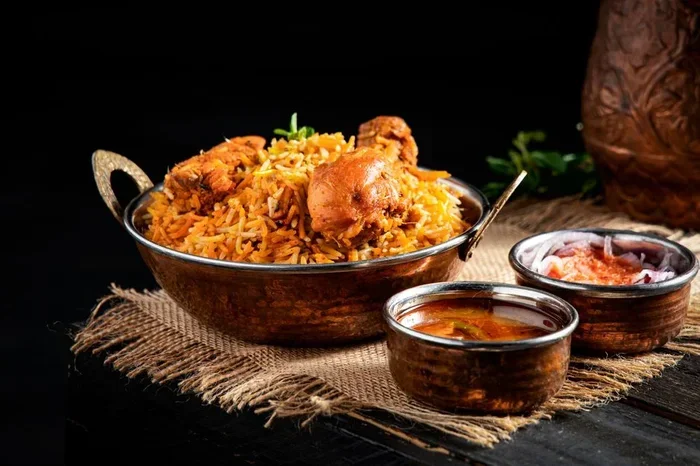
Biryani is a fragrant, layered rice dish that originated in the Indian subcontinent during the Mughal era. This article explores the region of origin, key ingredients, regional styles, and how to make it at home. You’ll discover the history and secrets behind this beloved dish.
Biryani is more than just a meal. It is a fragrant, layered rice dish that has won hearts all over the world. But where did biryani actually come from? The story traces back to the kitchens of the Indian subcontinent, specifically during the Mughal era. Understanding the origin of biryani helps you appreciate the care and tradition behind every pot.
The dish began as a practical way to cook rice and meat together with spices. Over time, it became a symbol of celebration and hospitality. Every region added its own twist, creating a rich tapestry of flavors. In this article, you will learn about the history, the key ingredients, the famous regional styles, and how to make biryani at home.
Key Takeaways
- Biryani originated in the Indian subcontinent: The dish evolved in the Mughal royal kitchens and spread across the region.
- It is a layered rice and meat preparation: Aromatic spices, saffron, and fried onions create its signature flavor.
- Regional variations are vast: Hyderabadi, Lucknowi, and Kolkata biryani each have distinct styles.
- Dum cooking is essential: This slow steam method locks in moisture and depth.
- Proper storage matters: Leftover biryani can be kept safely if you follow rice storage guidelines.
- You can simplify cooking: An Instant Pot or rice cooker can produce excellent results.
- Saffron and fried onions elevate the dish: These finishing touches make biryani truly special.
📑 Table of Contents
The Origins of Biryani
The word biryani comes from the Persian word birian, which means “fried before cooking.” The dish likely traveled to the Indian subcontinent with Persian traders and Mughal rulers. The Mughal empire brought rich culinary traditions that blended with local spices and ingredients. This fusion created what we now know as biryani.
Historians believe the dish was perfected in the royal kitchens of the Mughal court. Cooks experimented with layering rice, meat, and aromatics. The goal was to create a dish that was both luxurious and deeply flavorful. The slow cooking process, known as dum, became the hallmark of authentic biryani.
The Persian Connection
Persia had a long tradition of rice dishes. The concept of cooking rice with meat and spices was already popular. When the Mughals ruled India, they brought these techniques with them. The Indian subcontinent added new spices like cardamom, cinnamon, and bay leaves. This gave biryani its unique aroma and depth.
The Indian Subcontinent’s Role
The Indian subcontinent made biryani its own. Local cooks used ingredients like saffron, yogurt, and fried onions. They developed distinct regional styles that are still popular today. The dish became a staple at weddings, festivals, and family gatherings.
Key Ingredients That Define Biryani
Every biryani needs a few core ingredients. The rice, meat, and spices must work together in harmony. Without the right balance, the dish loses its magic. Here are the elements that make biryani special.
Rice and Meat Pairings
Biryani is traditionally made with long-grain basmati rice. The rice should be aged and polished for the best texture. Meat options include chicken, lamb, goat, or beef. Some versions use seafood or vegetables. The meat is marinated in yogurt and spices before cooking.
If you are cooking rice for biryani, you want perfectly separate grains. You can use an Instant Pot to boil the rice. Learn how to boil in Instant Pot for fluffy, non-sticky grains that layer beautifully.
The Spice Blend
The spice blend is what makes biryani aromatic. Common spices include cumin, coriander, turmeric, and garam masala. Saffron strands soaked in warm milk give the rice a golden color and floral scent. Whole spices like cloves, cardamom, and cinnamon are often tied in a muslin cloth.
The marinade often includes ginger-garlic paste, green chilies, and fried onions. These ingredients tenderize the meat and add layers of flavor. The balance between heat and aroma is what sets a great biryani apart.
Regional Variations Across India
India is home to many famous biryani styles. Each region uses local ingredients and cooking methods. The result is a diverse range of flavors and textures. Here are the most beloved regional versions.
Hyderabadi Biryani
Hyderabadi biryani comes from Hyderabad in the south. It is known for its rich, spicy flavor and the dum cooking method. The rice and meat are layered in a heavy pot and sealed with dough. The dish cooks slowly over low heat, letting the flavors meld together. Hyderabadi biryani often uses goat meat and a generous amount of saffron.
Lucknowi Biryani
Lucknowi biryani, also called Awadhi biryani, is from Lucknow in the north. It is milder and more aromatic than Hyderabadi versions. The meat is cooked with spices first, then layered with rice. The use of yogurt and subtle spices like mace and nutmeg gives it a delicate taste. Lucknowi biryani is all about refined flavors.
Kolkata Biryani
Kolkata biryani has a unique twist. It includes boiled eggs and potatoes, which are not common in other styles. The meat is often goat or chicken, and the rice is lighter. The dish has a slightly sweet note from the use of nutmeg and mace. Kolkata biryani reflects the city’s blend of Mughal and Bengali influences.
| Region | Key Feature | Typical Meat | Rice Style | Cooking Method |
|---|---|---|---|---|
| Hyderabad | Rich, spicy, dum cooking | Goat or chicken | Basmati, aged | Dum (slow steam) |
| Lucknow | Mild, aromatic, refined | Goat or chicken | Basmati, long-grained | Layering and slow cook |
| Kolkata | Adds eggs and potatoes | Goat or chicken | Basmati, lighter | Dum with pre-boiled rice |
How Biryani Spread Around the World
Biryani traveled far beyond the Indian subcontinent. Traders and migrants carried the dish to the Middle East, Southeast Asia, and Africa. Today, you can find biryani in almost every major city. Each place adapted the dish to local tastes.
Biryani in the Middle East and Beyond
In the Middle East, similar rice dishes like kabsa and mandi share roots with biryani. The use of saffron, cardamom, and slow cooking is common. In Southeast Asia, countries like Malaysia and Singapore have their own biryanis. These versions often include coconut milk and local spices. The global love for biryani shows how versatile this dish truly is.
If you have leftover biryani, proper storage matters. Many people ask, how long can rice stay good in a rice cooker? how long rice stays good in a rice cooker is a common concern. Storing biryani in the fridge within two hours keeps it safe for up to three days.
Quick Tips for Making Authentic Biryani at Home
Making biryani at home is easier than you think. You do not need a professional kitchen. A few simple tips can help you achieve restaurant-quality results.
Layering Technique
Start by spreading a layer of marinated meat at the bottom of the pot. Add a layer of partially cooked rice on top. Sprinkle saffron milk, fried onions, and fresh herbs. Repeat the layers until the pot is full. The top layer should be rice, not meat. This ensures the rice absorbs all the flavors.
Dum Cooking Method
Dum is a slow steam cooking method. Seal the pot with dough or a tight-fitting lid. Cook on very low heat for 25 to 30 minutes. The steam circulates inside, cooking the meat and rice evenly. Do not open the lid during this time. The aroma that escapes when you finally open it is worth the wait.
Steaming vegetables as a side dish is a great way to use your rice cooker. Check how to steam vegetables in a rice cooker without a basket for a quick, healthy accompaniment to your biryani.
Common Mistakes to Avoid
Even experienced cooks can make mistakes with biryani. Avoiding these pitfalls will help you achieve the perfect pot every time.
Overcooking the Rice
Overcooked rice turns mushy and ruins the layers. You should parboil the rice until it is 70% cooked. The rice will finish cooking in the steam during the dum process. Test a grain before layering. It should still have a slight bite.
Skimping on Spices
Biryani relies on a generous amount of whole spices. Using too little results in a flat, boring dish. Toast whole spices before adding them to release their oils. The aroma of the spices is the soul of biryani.
Not Using Enough Fat
Ghee or oil is essential for layering. It prevents the rice from sticking and adds richness. Do not be shy with the ghee. It carries the flavors and creates that signature melt-in-your-mouth texture.
Expert Insights: The Soul of Biryani
Chefs and home cooks agree that biryani is about patience. The dish cannot be rushed. Each layer must be built with care. The dum cooking process is a labor of love that rewards you with deep, complex flavors.
Many experts say the secret is in the marinade. Letting the meat rest in yogurt and spices overnight makes a huge difference. The acidity tenderizes the meat and infuses it with flavor. When you serve biryani, the aroma should fill the room before you even lift the lid.
Conclusion
Biryani is a classic dish that originated in the Indian subcontinent, shaped by Mughal traditions and regional creativity. From the spicy Hyderabadi pot to the delicate Lucknowi version, every style tells a story. The dish brings people together with its layers of rice, meat, and aromatic spices.
Now you know the history, the key ingredients, and the common regional variations. You can experiment with your own biryani at home. Remember to take your time, layer with care, and let the dum do its magic. Whether you are a beginner or a seasoned cook, biryani will always reward you with its rich, comforting flavors.
Frequently Asked Questions
Is biryani the same as pulao?
No, biryani and pulao are different. Biryani is a layered dish cooked with dum, while pulao is a one-pot rice dish where meat and rice are cooked together. Biryani has a more intense flavor and aroma.
What makes Hyderabadi biryani unique?
Hyderabadi biryani is known for its rich, spicy flavor and the dum cooking method. The rice and meat are layered and slow-cooked together, creating a deep, complex taste. Saffron and fried onions are key ingredients.
Can I make biryani with vegetables?
Yes, vegetable biryani is a popular and delicious option. You can use paneer, mushrooms, potatoes, or mixed vegetables. The same layering and dum techniques apply, giving you a flavorful meat-free dish.
How do you get the perfect dum?
Seal the pot tightly with dough or a heavy lid. Cook on the lowest possible heat for 25 to 30 minutes. Do not open the lid until the time is up. The trapped steam does all the work, creating tender meat and perfectly cooked rice.
Is biryani healthy?
Biryani can be part of a balanced diet. It provides protein from meat and carbohydrates from rice. Using less oil and choosing lean cuts can make it lighter. The spices also offer anti-inflammatory and digestive benefits.
What is the best rice for biryani?
Aged basmati rice is the best choice. It has a long grain that stays separate after cooking. Aged rice has lower moisture content, which helps achieve the perfect fluffy texture. Rinse the rice several times before soaking it for 30 minutes.



