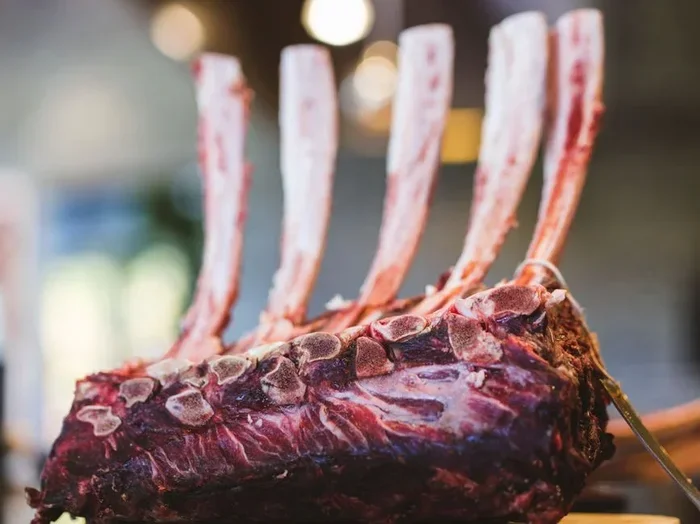
Bone in prime rib cooking time depends on roast size, oven temperature, and your preferred doneness. A bone in prime rib roast typically takes 15 to 20 minutes per pound at 325°F for a medium-rare result. Understanding prime rib roast time and using a meat thermometer ensures a perfect bone in rib roast every single time.
Key Takeaways
- Plan for 15–20 minutes per pound at 325°F for a bone in prime rib roast to reach medium-rare.
- Always use a meat thermometer to check internal temperature, aiming for 130–135°F for medium-rare.
- Let the roast rest for 20–30 minutes after cooking to lock in juices.
- Bone-in roasts cook slower than boneless cuts but deliver more flavor and moisture.
- Season early with a dry rub or simple salt and pepper for the best crust.
- Bring the roast to room temperature before cooking for even results.
- Use a roasting pan with a rack to promote airflow and even browning.
📑 Table of Contents
- Why Bone In Prime Rib Cooking Time Matters
- How Long Does It Take To Cook Bone In Prime Rib
- Best Oven Temperature for Bone In Prime Rib
- Step-by-Step Guide for Perfect Bone In Prime Rib
- Common Mistakes to Avoid
- Pro Tips for the Best Bone In Prime Rib
- How to Slice and Serve Bone In Prime Rib
- Final Thoughts on Bone In Prime Rib Cooking Time
Why Bone In Prime Rib Cooking Time Matters
Cooking a bone in prime rib is one of the most rewarding things you can do in the kitchen. The bone adds incredible flavor, keeps the meat juicy, and creates a stunning presentation. But getting the prime rib cooking time right is the difference between a showstopper and a disappointing meal.
Many home cooks guess at timing. They pull the roast too early or leave it in too long. Both mistakes lead to dry, tough meat. That is why understanding bone in prime rib cooking time is so important. A few simple rules and a reliable thermometer will change everything.
The bone acts as a natural insulator. It slows down heat transfer to the surrounding meat. This means a bone in rib roast takes a bit longer than a boneless cut. But the trade-off is worth it. You get richer flavor and a more tender result.
In this guide, we will walk through everything you need to know. From choosing the right size roast to setting the oven temperature, we have you covered. You will learn how long to cook prime rib, what temperature to aim for, and how to rest the meat properly.
How Long Does It Take To Cook Bone In Prime Rib
The short answer is about 15 to 20 minutes per pound at 325°F. But the full bone in prime rib cooking time varies based on several factors. Let us break them down.
Cooking Time by Roast Size
Here is a general guide for prime rib roast time based on weight. These times assume a starting oven temperature of 325°F and a target of medium-rare.
- 3–4 pounds: About 1 hour to 1 hour 20 minutes total cook time.
- 5–6 pounds: About 1 hour 30 minutes to 2 hours total cook time.
- 7–8 pounds: About 2 hours to 2 hours 30 minutes total cook time.
- 9–10 pounds: About 2 hours 30 minutes to 3 hours total cook time.
These numbers are estimates. Your actual bone in rib roast cooking time will depend on your oven, the shape of the roast, and how thick the meat is. Always rely on internal temperature rather than the clock alone.
The Role of the Bone in Cooking Time
You might wonder why bone-in cuts take longer. The bone works like a shield. It absorbs heat and releases it slowly into the meat around it. This is great for flavor but adds time to the cook.
If you compare a bone in prime rib to a boneless ribeye roast of the same weight, the bone-in version will need about 10 to 15 extra minutes. That extra time pays off in juiciness and depth of flavor.
Some cooks prefer to sear the roast first at a higher temperature. This adds about 15 minutes to the total bone in prime rib cooking time but creates a beautiful brown crust. We will cover that method below.
Best Oven Temperature for Bone In Prime Rib
Temperature control is the backbone of a great bone in prime rib roast. Most experts agree that 325°F is the sweet spot. It cooks the meat evenly without drying it out.
Low and Slow vs. High Heat
There are two main approaches to cooking bone in prime rib. The first is low and slow at 325°F. The second is a high-heat sear followed by a lower temperature.
The low-and-slow method is simpler. You set the oven to 325°F and let the roast cook undisturbed. This works well for roasts under 8 pounds. The heat penetrates evenly, and you get a consistent pink center.
The high-heat method starts at 450°F for the first 15 minutes. This creates a sear on the outside. Then you drop the temperature to 325°F for the rest of the cook. This method adds a few minutes to the total prime rib cooking time but gives you a deeper crust.
Temperature and Doneness Guide
Your target internal temperature determines how done the roast will be after resting. Here is a quick reference for bone in rib roast doneness:
- Rare: 120–125°F internal temperature
- Medium Rare: 130–135°F internal temperature
- Medium: 140–145°F internal temperature
- Medium Well: 150–155°F internal temperature
- Well Done: 160°F and above
Remember that the temperature will rise 5 to 10 degrees during resting. This is called carryover cooking. Pull the roast off the heat early to account for this rise.
Step-by-Step Guide for Perfect Bone In Prime Rib
Follow these steps for a flawless bone in prime rib cooking time and a roast that will impress everyone at the table.
Step 1: Choose the Right Roast
Look for a bone in prime rib with good marbling. The fat should be white and evenly distributed. A USDA Choice or Prime grade roast will give you the best flavor and texture. Plan for about 1 pound per person if you are serving a bone-in cut.
Step 2: Season Generously
Salt the roast at least 2 hours before cooking, or even overnight. A simple mix of kosher salt, black pepper, garlic powder, and dried rosemary works beautifully. The salt draws out moisture, then the meat reabsorbs it, creating a seasoned, tender result.
Step 3: Bring to Room Temperature
Take the roast out of the fridge 1 to 2 hours before cooking. A bone in prime rib roast that starts at room temperature cooks more evenly. The center will not be cold when the outside is done.
Step 4: Sear and Roast
Preheat your oven to 325°F (or 450°F if using the high-heat sear method). Place the roast on a rack in a roasting pan. If you are searing, cook at 450°F for 15 minutes first. Then reduce to 325°F and continue roasting until the thermometer hits your target temperature.
Basting the roast with its own juices every 30 minutes helps keep the surface moist. This is especially helpful for larger roasts where the bone in prime rib cooking time is longer.
Step 5: Rest the Roast
Once the roast reaches temperature, pull it out and tent it loosely with aluminum foil. Let it rest for 20 to 30 minutes. This allows the juices to redistribute throughout the meat. Cutting too early will cause the juices to run out, leaving you with a drier roast.
Many cooks keep the resting roast warm by placing it in a turned-off oven with the door closed. This is a great way to hold the meat without overcooking it. If you need to keep ribs warm for a longer period, you can apply similar principles used for how to keep ribs warm in the oven.
Common Mistakes to Avoid
Even experienced cooks make mistakes with bone in prime rib. Here are the most common ones and how to avoid them.
- Skipping the thermometer: Relying on time alone is risky. Every oven is different. A digital instant-read thermometer is your best friend.
- Not resting the roast: Cutting into the meat right away wastes all those juices. Be patient and let it rest.
- Starting with a cold roast: A cold center means the outside overcooks before the inside is done. Always bring the roast to room temperature first.
- Over-seasoning: A little salt and pepper goes a long way. Heavy spice blends can mask the natural beef flavor.
- Opening the oven too often: Every time you open the door, heat escapes. This extends the prime rib roast time and can lead to uneven cooking.
Pro Tips for the Best Bone In Prime Rib
Want to take your bone in prime rib cooking time game to the next level? Try these expert tips.
- Use a Dutch oven: A heavy Dutch oven traps moisture and creates a beautiful crust. It also reduces the overall cook time slightly.
- Add aromatics to the pan: Toss onion wedges, garlic cloves, and celery into the roasting pan. They steam and infuse the meat with extra flavor.
- Let the roast sit at room temperature for 1 hour: This small step makes a big difference in even cooking.
- Score the fat cap: Make shallow cuts in the fat layer. This helps the seasoning penetrate and renders the fat during cooking.
- Plan for leftovers: A properly cooked bone in rib roast makes incredible sandwiches the next day. Slice leftovers thin and serve on crusty bread.
After your roast is done and resting, you can use the drippings from the pan to make a quick gravy. Simply deglaze the roasting pan with beef broth, whisk in a little flour or cornstarch, and simmer until thickened. It pairs perfectly with the roast and any roasted vegetables on the side.
How to Slice and Serve Bone In Prime Rib
Slicing is the final step, and it matters more than most people think. Start by removing the bone if you want clean slices. Then cut against the grain for the most tender pieces.
Slice each piece about 1/2 inch thick. Thinner slices can dry out quickly. Thicker slices may be harder to chew. Aim for that sweet spot that lets the juicy interior shine through.
Serve the slices on warm plates. Prime rib tastes best when it is served hot. If you need to hold slices for a short time, you can place them on a warm platter and cover loosely with foil.
Final Thoughts on Bone In Prime Rib Cooking Time
Mastering bone in prime rib cooking time is easier than most people think. The key is patience, a good thermometer, and attention to detail. A bone in prime rib roast rewards you with incredible flavor and a show-stopping presentation.
Remember the basics: plan for 15 to 20 minutes per pound at 325°F, aim for an internal temperature of 130–135°F for medium-rare, and always rest the roast before slicing. Follow these guidelines, and you will serve a bone in rib roast that rivals any steakhouse.
Cooking a prime rib roast is one of those meals that brings people together. The aroma fills the house, the presentation turns heads, and the taste speaks for itself. Once you nail the prime rib cooking time, you will make this roast again and again.
So go ahead. Pull out that roast from the freezer, season it well, and let the oven do the work. Your family and guests will thank you.
Frequently Asked Questions
How long does it take to cook a bone in prime rib at 325°F?
At 325°F, a bone in prime rib roast takes about 15 to 20 minutes per pound. A 5-pound roast will need roughly 1 hour 30 minutes to 2 hours. Always use a meat thermometer to check for doneness rather than relying solely on time.
What is the best internal temperature for bone in prime rib?
For medium-rare, pull the roast at 130–135°F internal temperature. The temperature will rise 5 to 10 degrees during resting. For rare, aim for 120–125°F before resting. For medium, target 140–145°F before resting.
Should I sear bone in prime rib before roasting?
Searing is optional but recommended. A quick sear at 450°F for 15 minutes creates a flavorful crust. After searing, reduce the oven to 325°F and continue roasting. This adds about 15 minutes to the total bone in prime rib cooking time.
How long should bone in prime rib rest after cooking?
Let the roast rest for 20 to 30 minutes after removing it from the oven. Tent it loosely with foil to keep it warm. Resting allows the juices to redistribute, resulting in a much juicier and more tender slice.
Can I cook bone in prime rib in a convection oven?
Yes, you can. Convection ovens cook faster and more evenly. Reduce the temperature by 25°F and check the roast about 10 to 15 minutes earlier than the standard timing. The bone in prime rib cooking time will be slightly shorter.
How much bone in prime rib do I need per person?
Plan for about 1 pound of bone-in prime rib per person. If you are serving a crowd with sides, you can stretch it to 3/4 pound per person. A larger roast may need slightly less time per pound due to better heat distribution.