
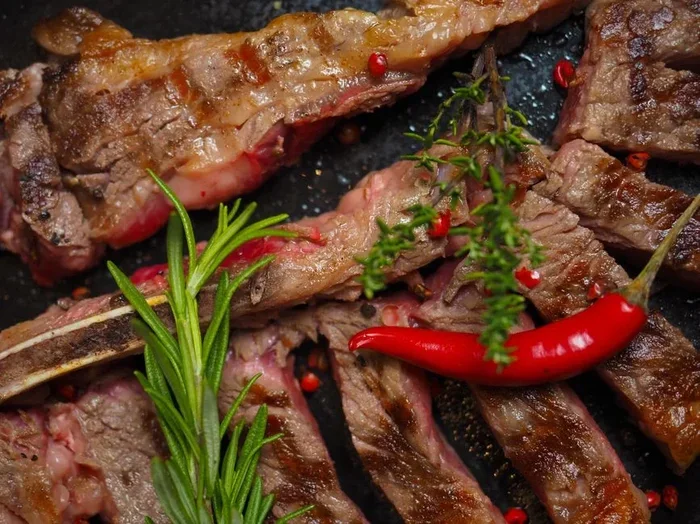
Bone in rib roast cooking time depends on size, oven temperature, and desired doneness. A typical bone in rib roast takes about 15 to 20 minutes per pound at 325°F to reach a perfect medium-rare internal temperature. Following the right steps ensures a juicy, tender roast that will impress your family and guests.
Cooking a bone in rib roast can feel intimidating, but it does not have to be. Whether you are preparing a holiday dinner or a weekend family meal, knowing the right bone in rib roast cooking time makes all the difference. A perfectly cooked roast is juicy, tender, and full of flavor when you follow a few simple steps.
The beauty of a bone in rib roast is that the bone does double duty. It adds rich flavor to the meat and acts as a natural insulator. This means your roast stays moist even if you slightly underestimate the cooking time. In this guide, we will walk you through everything you need to know about roast beef cooking time, temperatures, and techniques for the best results.
Many home cooks worry about serving a dry roast at the dinner table. The good news is that with the right approach, a bone in rib roast turns out beautifully every time. You will learn how to calculate cooking time, what temperature to use, and how to tell when your roast is perfectly done. Let us dive in and make your next roast a showstopper.
Key Takeaways
- Plan for 15 to 20 minutes per pound when cooking a bone in rib roast at 325°F for juicy results.
- Use a meat thermometer to check internal temperature and avoid overcooking your roast.
- Let the roast rest for 15 to 20 minutes after cooking to lock in the juices.
- Sear the roast first at high heat to build a flavorful crust before slow roasting.
- Season generously with herbs, salt, and garlic for maximum flavor depth.
- Bone-in roasts stay juicier than boneless cuts because the bone insulates the meat.
- Brining or dry-brining overnight can significantly improve moisture and tenderness.
📑 Table of Contents
- Understanding Bone In Rib Roast Cooking Time
- How To Prepare Your Bone In Rib Roast
- Best Oven Temperature for Bone In Rib Roast
- How To Tell When Your Bone In Rib Roast Is Done
- Common Mistakes To Avoid When Cooking Bone In Rib Roast
- Serving and Storing Your Bone In Rib Roast
- Expert Tips for the Perfect Bone In Rib Roast
- Conclusion
Understanding Bone In Rib Roast Cooking Time
The bone in rib roast cooking time varies based on a few key factors. The size of your roast is the biggest one. A smaller roast around 3 pounds will cook faster than a larger 7-pound roast. Your oven temperature and desired level of doneness also play a big role.
Factors That Affect Cooking Time
Several things influence how long your roast takes. Here are the main factors to keep in mind:
- Weight of the roast: Larger roasts need more time. Plan for about 15 to 20 minutes per pound at 325°F.
- Oven temperature: Higher temperatures cook faster but may dry out the outer edges. Lower temperatures give you a more even cook.
- Bone versus boneless: Bone-in roasts take a bit longer because the bone slows heat transfer to the center.
- Starting temperature: A roast taken straight from the fridge takes longer than one brought to room temperature first.
- Desired doneness: Medium-rare reaches faster than well-done. Each level adds several minutes per pound.
Understanding these factors helps you plan your meal better. You will know exactly when to put the roast in the oven so it is ready at dinner time.
Bone In Rib Roast Cooking Time Chart
Here is a general guide for bone in rib roast cooking time at 325°F. Use this as a starting point and always rely on a meat thermometer for accuracy.
- 3 to 4 pounds: About 1 hour to 1 hour 20 minutes for medium-rare.
- 4 to 5 pounds: About 1 hour 20 minutes to 1 hour 45 minutes for medium-rare.
- 5 to 6 pounds: About 1 hour 45 minutes to 2 hours 15 minutes for medium-rare.
- 7 to 8 pounds: About 2 hours to 2 hours 40 minutes for medium-rare.
These times are estimates. The only way to be sure is to check the internal temperature with a reliable meat thermometer. Insert it into the thickest part of the meat, avoiding the bone, for the most accurate reading.
How To Prepare Your Bone In Rib Roast
Preparation is just as important as cooking time. Taking the right steps before your roast goes in the oven sets you up for success. A little effort upfront pays off with a much better final result.
Bring the Roast to Room Temperature
Take your bone in rib roast out of the refrigerator about 1 to 2 hours before cooking. This lets the meat cook more evenly. A cold roast going straight into a hot oven creates uneven cooking, with the outside overdone and the center still cold.
Pat the roast dry with paper towels before seasoning. Dry surface meat browns better and develops a nicer crust. This step is often overlooked but makes a real difference in the final flavor and texture.
Seasoning Your Roast for Maximum Flavor
Seasoning is where you can get creative. A simple roast seasoning of salt, pepper, garlic powder, and fresh herbs works beautifully. Here are some ideas for great flavor combinations:
- Classic herb blend: Rosemary, thyme, garlic, salt, and black pepper.
- Garlic butter rub: Softened butter mixed with minced garlic and herbs rubbed under the skin.
- Smoky BBQ style: Paprika, cumin, brown sugar, salt, and pepper for a sweet and smoky crust.
- Mediterranean twist: Oregano, lemon zest, garlic, olive oil, and black pepper.
Rub your seasoning all over the roast, including the sides. For even more flavor, you can make small incisions in the meat and insert slivers of garlic or rosemary. This pushes flavor deeper into the roast as it cooks.
Should You Sear Your Roast First?
Searing your bone in rib roast before slow roasting is a popular technique. It creates a flavorful brown crust on the outside that adds depth to the final dish. To sear, heat a large skillet or Dutch oven over high heat with a bit of oil.
Place the roast in the hot pan and let it brown on all sides. This usually takes about 2 to 3 minutes per side. After searing, transfer the roast to your roasting pan and continue with your oven cooking. Searing does not cook the roast through. It just adds a delicious flavor layer.
Best Oven Temperature for Bone In Rib Roast
Temperature is the second most important factor after cooking time. Getting it right means the difference between a perfect roast and a disappointing one. Most experts recommend a moderate oven temperature for bone in rib roast cooking.
Why 325°F Is the Sweet Spot
325°F is widely considered the best temperature for roasting beef. Here is why it works so well:
- Even cooking: The moderate heat allows the roast to cook through evenly without burning the outside.
- Juicy results: Slower cooking at a lower temperature helps the meat retain moisture.
- Better crust: The roast still develops a nice brown crust without needing extreme heat.
- Easier to control: There is less risk of overcooking compared to higher temperatures.
Some cooks prefer starting at a higher temperature, like 425°F, for the first 15 minutes. This technique, called a high-heat start, helps jumpstart the browning process. After the initial sear phase, you reduce the temperature to 325°F for the rest of the cook.
If you are using a convection oven, reduce the temperature by about 25°F. Convection fans circulate hot air more efficiently, so your roast will cook a bit faster. Keep a closer eye on it and check the internal temperature earlier than you normally would.
How To Tell When Your Bone In Rib Roast Is Done
Knowing when your bone in rib roast is done is the key to serving it at peak perfection. Time estimates are helpful, but they are just that estimates. The real answer lies in checking the internal temperature.
Internal Temperature Guide for Roast Beef
Use a meat thermometer inserted into the thickest part of the meat, away from the bone. Here are the temperature targets for different levels of doneness:
- Rare: 120°F to 125°F internal temperature.
- Medium-Rare: 130°F to 135°F internal temperature. This is the most recommended level for rib roast.
- Medium: 140°F to 145°F internal temperature.
- Medium-Well: 150°F to 155°F internal temperature.
- Well-Done: 160°F and above.
Remember that the bone in rib roast cooking time continues even after you pull it from the oven. The internal temperature will rise by about 5 to 10 degrees during resting. This is called carryover cooking. So if you want medium-rare at 135°F, pull the roast at about 125°F to 130°F.
The Importance of Resting Your Roast
Resting is one of the most important steps people skip. After your roast comes out of the oven, let it sit for at least 15 to 20 minutes before cutting. During this time, the juices redistribute throughout the meat. If you cut too early, those juices run out onto the cutting board instead of staying in the roast.
Tent the roast loosely with aluminum foil while it rests. This keeps it warm without trapping too much steam, which could soften the crust. Use this resting time to prepare your sides or make a simple pan gravy from the drippings.
Common Mistakes To Avoid When Cooking Bone In Rib Roast
Even experienced cooks sometimes make mistakes with bone in rib roast. Knowing what to avoid saves you from a dry or overcooked roast. Here are the most common pitfalls:
Skipping the Meat Thermometer
Relying only on time estimates is risky. Every oven is different, and every roast is a unique size. A meat thermometer takes the guesswork out entirely. It is an inexpensive tool that pays for itself in perfectly cooked roasts every single time.
Cooking at Too High a Temperature
Some cooks crank the oven up to 400°F or higher thinking it will be faster. The problem is that high heat dries out the outer layers before the center is cooked through. Stick with 325°F for the best balance of flavor and moisture.
Not Letting the Roast Rest
Cutting into your roast right after it comes out of the oven is tempting. But this releases all those hard-earned juices. Give it at least 15 minutes to rest, and you will notice a big difference in juiciness and ease of slicing.
Overseasoning or Underseasoning
Too little seasoning leaves your roast bland. Too much can overpower the natural flavor of the beef. A generous amount of salt and pepper is usually the right approach. You can always add more, but you cannot take it away once it is on the meat.
Serving and Storing Your Bone In Rib Roast
Once your roast is cooked and rested, it is time to serve. Slice against the grain for the most tender bites. A sharp carving knife makes this job much easier. Serve with your favorite sides like roasted vegetables, mashed potatoes, or a fresh green salad.
Leftover bone in rib roast keeps well in the refrigerator for up to 4 days. Store it in an airtight container. You can also slice the leftovers and freeze them for up to 3 months. Reheat gently in the oven or microwave to keep the meat from drying out. For more tips on reheating meats, check out our guide on reheating rice in a rice cooker for general reheating best practices.
If you enjoy cooking bone-in meats, you might also like our collection of bone in pork chop recipes for flavorful meals that use similar techniques. And for oven-based beef recipes, our braised ribs in oven guide offers great tips for low-and-slow oven cooking.
Expert Tips for the Perfect Bone In Rib Roast
Here are some bonus tips from experienced cooks and chefs that take your roast to the next level:
- Dry brine overnight: Salt your roast and leave it uncovered in the fridge overnight. This dries the surface and seasons the meat deeply, resulting in a better crust.
- Use a roasting rack: Elevating the roast on a rack allows hot air to circulate around it. This promotes even cooking and a crispier exterior.
- Add liquid to the pan: Pour a cup of beef broth or red wine into the bottom of your roasting pan. This creates steam and prevents drippings from burning.
- Make pan gravy: After resting your roast, use the pan drippings to make a quick and delicious gravy. Add a bit of flour, broth, and herbs for a restaurant-quality sauce.
- Let the bone do its work: The bone transfers heat slowly and evenly. Trust the process and resist the urge to cut into the roast too early.
Following these tips consistently will improve your bone in rib roast results every time. Cooking is a skill that gets better with practice. Each roast you make teaches you something new about your oven, your cut of meat, and your personal taste preferences.
Conclusion
Bone in rib roast cooking time comes down to understanding a few simple principles. Weigh your roast, preheat your oven to 325°F, and plan for about 15 to 20 minutes per pound. Use a meat thermometer to check for your desired internal temperature, and always let your roast rest before serving. These steps guarantee juicy, flavorful results that will have everyone coming back for seconds.
Do not be afraid of cooking a bone in rib roast at home. With the right knowledge and a little patience, you can create a showstopping main course that rivals any restaurant. The bone adds incredible flavor and keeps the meat moist throughout the cook. So the next time you are planning a special meal, give your bone in rib roast the attention it deserves. Your family and guests will thank you.
Frequently Asked Questions
How long does it take to cook a bone in rib roast per pound?
At 325°F, a bone in rib roast takes about 15 to 20 minutes per pound for medium-rare doneness. This estimate works well for most standard-sized roasts. Always use a meat thermometer to confirm the internal temperature reaches your desired level.
What is the best temperature to cook a bone in rib roast?
The best temperature for cooking a bone in rib roast is 325°F. This moderate heat allows the meat to cook evenly while staying juicy and tender. Some cooks start at a higher temperature for the first 15 minutes to develop a better crust, then reduce to 325°F.
Should I cover my bone in rib roast with foil while cooking?
No, you should not cover your roast while it cooks in the oven. Leaving it uncovered allows the heat to circulate freely around the meat. This promotes even browning and helps create a delicious crispy crust on the outside of the roast.
How long should I let my bone in rib roast rest after cooking?
Let your bone in rib roast rest for at least 15 to 20 minutes after removing it from the oven. Tent it loosely with aluminum foil to keep it warm. Resting allows the juices to redistribute, making each slice much juicier and more flavorful.
Can I cook a bone in rib roast in a slow cooker instead of the oven?
Yes, you can cook a bone in rib roast in a slow cooker, but the results will be different. A slow cooker produces more tender, braised-style meat with less crust development. For oven-roasted flavor and texture, the oven method is recommended.
What internal temperature should a bone in rib roast reach for medium-rare?
A bone in rib roast should reach an internal temperature of 130°F to 135°F for medium-rare doneness. Remember that the temperature will rise by 5 to 10 degrees during resting, so pull the roast at 125°F to 130°F for the best results.



