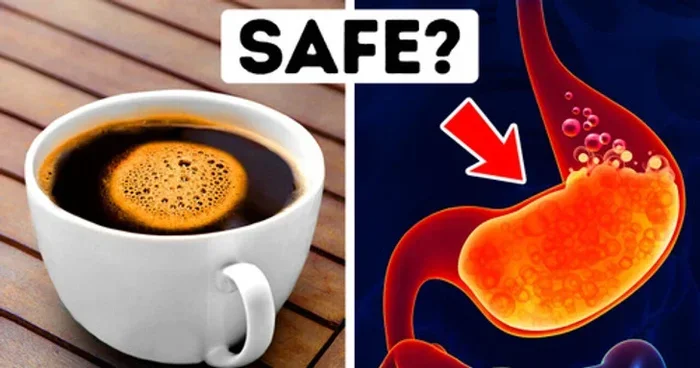
Many people worry that their daily cup of joe might damage their stomach lining. The truth is more nuanced than a simple yes or no answer. Coffee does not directly create ulcers, but it can irritate existing conditions and increase acid production. Understanding the real causes of ulcers helps you make smarter choices about your diet and caffeine habits.
This is a comprehensive guide about Can Coffee Cause Ulcers.
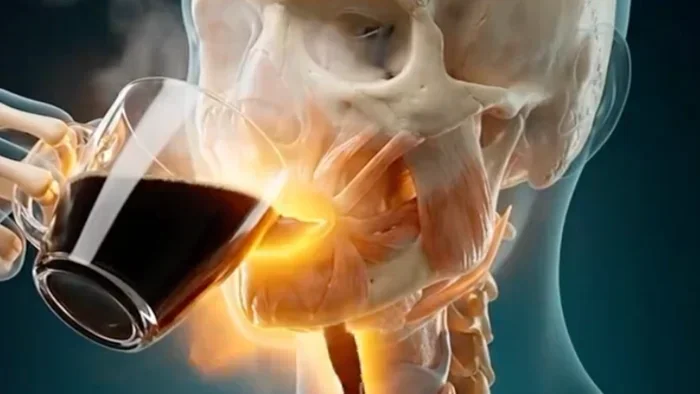
Visual guide about coffee cup stomach ulcer concept
Image source: static.postize.com
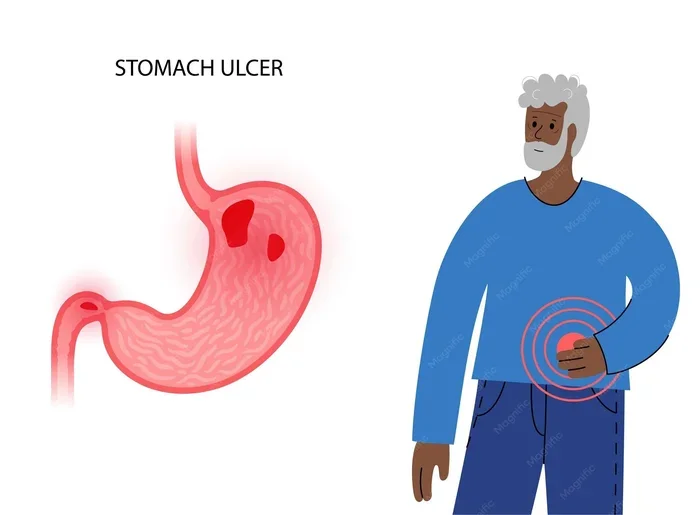
Visual guide about coffee cup stomach ulcer concept
Image source: img.freepik.com

Visual guide about coffee cup stomach ulcer concept
Image source: coffeexplore.com
Key Takeaways
- Primary Cause: Most ulcers stem from H. pylori bacteria or NSAID use, not coffee itself.
- Acid Stimulation: Caffeine can boost stomach acid, which may worsen symptoms for sensitive individuals.
- Symptom Relief: Cutting back on coffee often helps reduce heartburn and stomach pain.
- Decaf Option: Decaffeinated coffee may be gentler on the stomach for those with acid sensitivity.
- Timing Matters: Drinking coffee on an empty stomach can intensify irritation and discomfort.
- Individual Response: Every digestive system reacts differently to caffeine and acidic beverages.
- Medical Guidance: Persistent stomach pain requires professional diagnosis and treatment.
[FEATURED_IMAGE_PLACEHOLDER]
Can coffee cause ulcers? This question pops up in kitchens and cafes everywhere. Millions of people start their day with a hot mug of coffee. Many of them also deal with stomach discomfort or digestive worries. It makes sense to wonder if your favorite drink plays a role in those problems.
The good news is that science has given us clear answers. Coffee alone does not create ulcers in healthy stomachs. But it can still affect your digestion in ways that matter. If you already have a sensitive stomach, your morning brew might make things feel worse. Knowing how coffee interacts with your body helps you enjoy it without fear.
In this guide, we will break down the real causes of ulcers. We will look at how coffee affects stomach acid. We will also share simple tips to protect your gut while still savoring your daily cup. Let us dive into the facts and clear up the confusion once and for all.
The Real Causes of Stomach Ulcers
Before we blame coffee, we need to understand what actually creates ulcers. An ulcer is an open sore that forms on the lining of your stomach or small intestine. These sores develop when the protective mucus layer gets damaged. Once that barrier weakens, acid can irritate the tissue and cause pain.
The two most common causes are well documented by medical research. The first is a bacterial infection called H. pylori. This microbe lives in the stomach lining and can trigger inflammation. Over time, that inflammation breaks down the protective layer and leads to sores. The second major cause is the long-term use of pain relievers known as NSAIDs. Drugs like ibuprofen and aspirin can wear down stomach defenses when taken too often.
Stress, spicy food, and coffee often get blamed for ulcers. Yet these factors do not create ulcers on their own. They can irritate an existing sore or make symptoms feel stronger. Think of them as aggravators rather than root causes. This distinction matters because it changes how you should manage your diet and habits.
If you suspect an ulcer, you should look at your medication use and get tested for bacteria. Blaming coffee alone might cause you to miss the real issue. A proper diagnosis leads to faster healing and better long-term results.
How Coffee Affects Your Stomach
Coffee has a complex relationship with digestion. It contains caffeine, acids, and natural compounds that stimulate your gut. When you take a sip, your stomach responds in several ways. The most noticeable effect is an increase in acid production. Your stomach ramps up hydrochloric acid to help break down food and beverages.
Caffeine plays a big role in this process. It signals special cells in the stomach to release more acid. This extra acid helps digestion but can also feel harsh if you have a sensitive lining. People with existing irritation often notice a burning sensation or mild pain after drinking coffee. The effect is usually temporary, but it can be uncomfortable.
Coffee also relaxes the valve between your stomach and esophagus. This valve normally keeps acid where it belongs. When it loosens, acid can travel upward and cause heartburn. That is why many people link coffee with reflux symptoms. The drink does not create ulcers here, but it can trigger acid-related discomfort.
The acidity of coffee itself also matters. Even without caffeine, coffee contains natural acids that give it a bright, tangy flavor. These acids add to the overall load in your stomach. If your digestive system handles acid well, you may feel nothing at all. If your system is sensitive, you might notice bloating or mild upset.
Caffeine and Acid Production
Caffeine acts like a wake-up call for your stomach. It boosts acid secretion and speeds up muscle contractions in the digestive tract. This is why some people feel the urge to use the bathroom shortly after their morning brew. The effect varies from person to person based on genetics, tolerance, and overall gut health.
Regular coffee drinkers often build up a tolerance to caffeine. Their stomachs may produce less extra acid over time. New drinkers or those who take a break from coffee might notice a stronger reaction when they return. This pattern shows that your body adapts, but it does not mean coffee is harmless for everyone.
If you experience stomach pain after coffee, the caffeine content could be a factor. Switching to a lower-caffeine option or drinking smaller amounts might reduce the irritation. Paying attention to your body’s signals helps you find a comfortable balance.
Decaf Coffee and Stomach Sensitivity
Many people assume decaf coffee is completely gentle on the stomach. That is not always true. Decaf still contains some caffeine, though much less than regular coffee. It also retains the natural acids that give coffee its flavor. So it can still stimulate acid production, just to a smaller degree.
For people with mild sensitivity, decaf can be a helpful middle ground. It offers the taste and ritual of coffee without the full caffeine punch. Some studies suggest that decaf causes less acid secretion than regular coffee. That makes it a reasonable choice for those who want to cut back without quitting entirely.
If decaf still bothers your stomach, the issue might be the coffee’s acidity rather than caffeine. In that case, low-acid coffee blends or cold brew options may work better. Cold brew tends to be smoother and less acidic because of the brewing method. It is worth experimenting to see what your stomach tolerates best.
Coffee Ulcer Myths vs. Facts
There is no shortage of old wives’ tales about coffee and digestive health. Some people say coffee eats holes in your stomach. Others claim it heals ulcers by stimulating blood flow. Most of these ideas come from personal anecdotes rather than solid research. Let us sort through the noise and focus on what studies actually show.
The biggest myth is that coffee directly causes ulcers. Research does not support this claim. Coffee does not infect the stomach lining, and it does not damage tissue the way H. pylori or NSAIDs can. People who drink coffee and develop ulcers usually have other risk factors at play. The coffee may make symptoms more noticeable, but it is not the root cause.
Another common belief is that spicy food and coffee together create ulcers. This combination can certainly feel harsh on a sensitive stomach. It may trigger pain, bloating, or reflux. But feeling uncomfortable is not the same as forming a sore in the lining. The stomach is built to handle strong flavors and acids. It only breaks down when the protective layer is already compromised.
A third myth says that quitting coffee will cure an ulcer. Stopping coffee can ease symptoms and reduce irritation. It will not, however, heal an ulcer caused by bacteria or medication. Treating the underlying cause is what leads to recovery. Coffee reduction can support that process, but it is not a cure on its own.
What Research Actually Shows
Clinical studies have looked at coffee consumption and stomach health for decades. The overall picture is reassuring for moderate drinkers. Most healthy people can enjoy coffee without raising their ulcer risk. The stomach adapts to daily acid stimulation, and the lining stays intact when no other damage is present.
Some research notes that coffee can worsen symptoms in people who already have gastritis or ulcers. This makes sense because extra acid and relaxation of the stomach valve can amplify discomfort. The key word is symptoms. Coffee can make an existing problem feel louder, but it does not create the problem from scratch.
Researchers also point out that lifestyle matters. People who drink a lot of coffee may also skip meals, eat irregularly, or consume other irritants. These habits can stress the digestive system. When you look at the whole picture, coffee is just one piece of a larger puzzle. Blaming it alone misses the broader context of gut health.
Signs Your Coffee Is Irritating Your Gut
Your body usually tells you when something is off. If coffee is bothering your stomach, you may notice a pattern of symptoms after drinking it. These signs do not mean you have an ulcer. They do mean your digestive system is asking for a little more care. Paying attention early can prevent bigger problems later.
One common sign is a burning feeling in the upper stomach or chest. This can happen shortly after your cup or a few hours later. It often feels like heartburn or mild indigestion. Another sign is bloating or a heavy sensation in the belly. Some people feel unusually full or gassy after coffee, especially on an empty stomach.
Nausea is also possible, particularly with strong or highly acidic brews. You might feel queasy or lose your appetite after drinking coffee. In some cases, people notice changes in bowel habits, such as loose stools or urgency. These reactions usually point to sensitivity rather than a serious disease.
If you have ongoing pain, black stools, vomiting, or weight loss, you should see a doctor right away. Those symptoms can signal a more serious issue that needs medical attention. Coffee might be part of the picture, but a professional evaluation is the safest next step.
When to See a Doctor
Mild discomfort after coffee often improves with small changes to your routine. But some warning signs should never be ignored. Persistent pain that does not go away with rest or diet changes deserves a closer look. A healthcare provider can test for H. pylori, review your medications, and check for other causes.
You should also seek help if you notice vomiting, difficulty swallowing, or stools that look dark or tarry. These signs can indicate bleeding or other complications. Early care leads to better outcomes and peace of mind. It is always better to ask than to guess when stomach pain lingers.
A doctor can also help you figure out whether coffee is a trigger for you. They may suggest a temporary elimination period or recommend tests to assess your stomach lining. This personalized guidance is far more useful than generic advice. Your gut is unique, and your plan should be too.
Smart Ways to Enjoy Coffee With a Sensitive Stomach
If you love coffee but worry about your stomach, you do not have to give it up completely. Small adjustments can make a big difference. The goal is to reduce irritation while keeping the joy of your daily ritual. Most people find a comfortable middle ground with a few simple tweaks.
Start by paying attention to timing. Drinking coffee right after a meal is usually easier on the stomach than drinking it on an empty belly. Food acts as a buffer and slows the absorption of acid and caffeine. Even a small snack can help soften the impact. Try pairing your cup with breakfast or a light bite before you sip.
Portion size matters too. A massive mug of strong coffee hits your system harder than a modest cup. Consider smaller servings or splitting your daily intake into lighter rounds. This approach gives your stomach less to process at once. You still get your coffee fix without overwhelming your digestion.
Choose your brew wisely. Dark roasts often taste smoother and can be less irritating for some people. Cold brew is another option because it typically has lower acidity. Low-acid coffee brands also exist for those who want a gentler cup. If caffeine is the main issue, decaf or half-caff blends may be your best friend.
Brewing Tips for Less Irritation
How you make coffee can change how your stomach reacts. Paper filters remove some oils and compounds that can stimulate acid. Using a filtered method may create a cleaner, lighter cup. Avoid boiling coffee for too long, since over-extraction can increase bitterness and acidity. A balanced brew tends to be easier to tolerate.
Water temperature also plays a role. Very hot water can pull out more acidic compounds. Brewing at a slightly lower temperature within the safe range can produce a smoother result. Small changes in your routine can add up to a more comfortable experience. Experiment one variable at a time so you can see what helps.
Cleaning your equipment matters too. Old coffee oils and residue can make your brew taste harsher and potentially upset your stomach more. A clean coffee maker or French press gives you a fresher cup every time. It is a simple habit that supports both flavor and comfort.
Pairing Coffee With Food
Food is your stomach’s best ally when it comes to coffee. A meal or snack with some protein and healthy fat can slow digestion and reduce acid spikes. Think of options like eggs, yogurt, oatmeal, or whole-grain toast. These foods create a gentler environment for your coffee to enter.
Avoid combining coffee with other strong irritants if you are sensitive. Very spicy dishes, heavy fried foods, and large amounts of sugar can compound discomfort. A balanced breakfast keeps your stomach calm and makes your coffee feel more friendly. This simple pairing strategy works well for many people.
Hydration also helps. Drinking water alongside coffee supports digestion and dilutes the acid load. You do not need to overdo it, but a glass of water with your cup is a smart habit. It keeps your system happy and helps you enjoy your drink more mindfully.
Lifestyle Habits That Support Stomach Health
Coffee is only one part of your digestive picture. Your overall habits shape how your stomach handles acid and irritation. Building a gut-friendly routine can make coffee feel less troublesome and improve your general well-being. Small, steady changes often work better than drastic overhauls.
Eat regular meals instead of skipping breakfast or grazing all day. A steady schedule helps your stomach prepare for food and manage acid more smoothly. Stress management matters too. High stress can amplify stomach discomfort and make you more sensitive to triggers like coffee. Simple practices like walking, breathing exercises, or short breaks can calm your system.
Watch your use of pain relievers. If you take NSAIDs often, talk to a healthcare provider about safer options or protective strategies. These medications are a known cause of stomach lining damage. Reducing unnecessary use can lower your risk of irritation and ulcers.
Sleep and movement also support digestion. Poor sleep can disrupt gut function, while regular activity helps keep things moving comfortably. You do not need intense workouts to benefit. A daily walk and a consistent bedtime routine can make a noticeable difference over time.
Building a Gut-Friendly Routine
A gut-friendly routine is really about consistency. Choose a coffee style that suits your body. Pair it with food. Keep your meals regular. Manage stress in small, realistic ways. These habits work together to create a calmer stomach environment.
Track how you feel for a couple of weeks. Note what you drink, what you eat, and how your stomach responds. Patterns will emerge, and you can adjust from there. This personal data is more useful than guessing or following generic rules. Your body gives you feedback every day if you listen closely.
Remember that balance is the goal. You do not need a perfect diet or a flawless routine. You just need enough care to keep your stomach comfortable and your coffee enjoyable. Most people can find that sweet spot with a little observation and patience.
Conclusion
So, can coffee cause ulcers? The short answer is no, not on its own. The real culprits are usually H. pylori infection and long-term NSAID use. Coffee can increase stomach acid and irritate a sensitive lining, but it does not create ulcers from scratch. That distinction matters because it helps you focus on what truly protects your gut.
If coffee makes your stomach feel worse, you have plenty of options. Try smaller cups, drink after meals, explore decaf or cold brew, and pay attention to timing. Pair your coffee with food, manage stress, and keep your meals regular. These simple steps can reduce irritation while letting you keep the habits you love.
Most importantly, listen to your body and seek help if pain persists. Ongoing discomfort, bleeding, or unexplained weight loss should be evaluated by a professional. With the right care and a few smart adjustments, you can enjoy coffee and support a healthy stomach at the same time.
Frequently Asked Questions
Can coffee cause ulcers directly?
No, coffee does not directly cause ulcers. Most ulcers come from H. pylori infection or frequent use of pain relievers like ibuprofen. Coffee can irritate the stomach and increase acid, but it is not the root cause of ulcer formation.
Why does coffee hurt my stomach even if I do not have an ulcer?
Coffee can stimulate acid production and relax the valve between your stomach and esophagus. That may cause heartburn, bloating, or mild pain, especially on an empty stomach. These symptoms usually mean sensitivity rather than an ulcer.
Is decaf coffee better for stomach ulcers?
Decaf may be gentler because it has less caffeine and can trigger less acid production. However, it still contains natural acids, so it can still irritate some sensitive stomachs. If you react to decaf too, low-acid or cold brew options might help more.
Should I stop drinking coffee if I have stomach pain?
You do not always need to quit completely. Try smaller servings, drink after meals, or switch to a milder brew first. If pain continues or gets worse, reduce your intake and talk to a doctor to find the real cause.
Can coffee make an existing ulcer worse?
Yes, coffee can worsen symptoms if you already have an ulcer or gastritis. Extra acid and irritation can make pain feel stronger. Cutting back on coffee can help you feel more comfortable while the underlying issue gets treated.
What is the safest way to drink coffee with a sensitive stomach?
The safest approach is to drink coffee after food, keep portions modest, and choose a smoother brew like decaf or cold brew. Avoid drinking it on an empty stomach if you are prone to discomfort. Pay attention to your body and adjust based on what you notice.