You might be wondering if your daily cup of joe is safe during treatment. Can I drink coffee while taking antibiotics depends on the specific medication you are using. Some drugs mix poorly with caffeine, while others cause no issues at all. Always check with your doctor to be sure.
Taking medicine often means changing your daily habits. You might look at your favorite mug and wonder if it is safe to use. Can I drink coffee while taking antibiotics is a very common question. Many people rely on caffeine to feel normal during sickness. But mixing stimulants with medicine requires care.
Your body works hard to fight infection. Antibiotics help kill bacteria causing the illness. Coffee contains caffeine and acids. These can change how your body absorbs medicine. Some combinations are fine. Others might cause problems. We will explore what you need to know.
Key Takeaways
- Antibiotic Type Matters: Some antibiotics interact with caffeine, while others do not.
- Caffeine Buildup: Certain medications can slow caffeine breakdown, causing jitters.
- Stomach Upset: Both coffee and antibiotics can irritate your stomach lining.
- Hydration is Key: Water helps your body process medication better than coffee.
- Timing Helps: Spacing out coffee and doses may reduce potential side effects.
- Listen to Your Body: If you feel anxious or sick, cut back on caffeine.
- Ask Your Doctor: Always confirm with your healthcare provider for personal advice.
📑 Table of Contents
Understanding the Interaction Between Coffee and Medication
Medicine works in specific ways inside your body. Antibiotics target bacteria to stop infections. Caffeine stimulates your central nervous system. When you mix them, things can change. Your liver processes both substances. Sometimes, one drug slows down the breakdown of the other.
This slowdown means caffeine stays in your system longer. You might feel more jittery than usual. Your heart rate could increase. Sleep might become difficult. On the other hand, coffee might reduce how well the drug works. It is not always a dangerous mix, but it is not always harmless either.
How Your Liver Processes Both
Your liver uses enzymes to break down chemicals. Antibiotics can inhibit these enzymes. Caffeine relies on these same enzymes. If the enzymes are busy, caffeine builds up. This leads to side effects like anxiety. You might feel shaky or nervous. This is why drinking coffee on antibiotics requires attention.
Not All Antibiotics Are the Same
There are many types of antibiotics. Some affect caffeine strongly. Others have little effect. Penicillin-based drugs often have fewer issues. Quinolones are known to interact more. You need to know which one you are taking. Reading the label helps. Asking your pharmacist is even better.
Specific Antibiotics That May Cause Issues
Some medications have stronger warnings. Quinolones are a common class. Ciprofloxacin is a well-known example. This drug can increase caffeine effects. You might feel heart palpitations. You could experience trouble sleeping. It is best to limit intake during treatment.
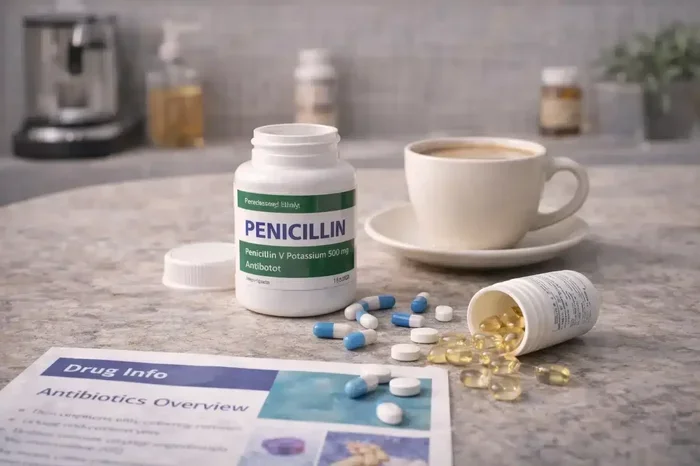
Visual guide about coffee cup with antibiotics
Image source: onehundredcoffee.b-cdn.net
Another group includes certain macrolides. These can also affect metabolism. The risk is lower than with quinolones. But sensitivity varies by person. Some people feel fine. Others feel very sick. Coffee and medication interactions depend on your unique chemistry.
Quinolones and Caffeine Sensitivity
Quinolones block the enzyme responsible for caffeine clearance. This means one cup feels like three. You might get headaches. You might feel restless. If you take this medicine, consider switching to decaf. Or simply wait until you finish the course. Your health is more important than the buzz.
Common Medications to Watch
Here are some drugs that often cause concerns:
- Ciprofloxacin
- Levofloxacin
- Erythromycin
- Some sulfonamides
If you are on these, be careful. Monitor how you feel. If you feel overly stimulated, stop drinking coffee. Water is a safer choice during this time.
Does Coffee Affect Antibiotic Absorption
Absorption is how your body takes in the drug. Food and drink can change this process. Coffee is acidic. Stomach acid helps break down some medicines. But too much acid might irritate your gut. This can lead to nausea. Nausea is already a side effect of many antibiotics.
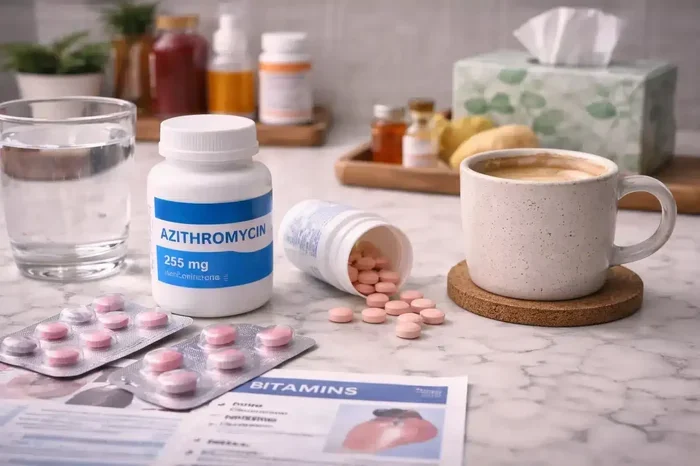
Visual guide about coffee cup with antibiotics
Image source: onehundredcoffee.b-cdn.net
Drinking coffee might make nausea worse. You want to keep the medicine down. Vomiting means you lose the dose. This slows down your recovery. It is better to be safe. Take your pills with water unless told otherwise.
Stomach Irritation Risks
Both coffee and antibiotics can upset your stomach. Coffee increases acid production. Antibiotics kill good bacteria in your gut. This combination can cause discomfort. You might experience heartburn. You might feel bloated. Taking antibiotics with coffee could amplify these feelings.
Timing Your Doses
Spacing things out helps. Take your medicine first. Wait a bit before having coffee. This gives the drug time to absorb. It also reduces immediate stomach shock. Try waiting at least one hour. This simple step protects your stomach.
The Role of Caffeine in Healing and Recovery
Rest is vital for healing. Your body needs energy to fight bugs. Caffeine can disrupt sleep patterns. Poor sleep slows down recovery. You might feel tired but wired. This prevents deep rest. Your immune system works best when you sleep well.
Visual guide about coffee cup with antibiotics
Image source: onehundredcoffee.b-cdn.net
Hydration is also crucial. Water helps flush toxins. Coffee is a diuretic. It makes you urinate more. This can lead to mild dehydration. Dehydration makes you feel worse. When sick, you need fluids. Water is the best fluid for recovery.
Sleep and Immune Function
Sleep boosts your immune response. Cytokines are proteins that fight infection. They are produced during sleep. Caffeine blocks adenosine. Adenosine makes you feel sleepy. If you block it, you stay awake. This is good for work, but bad for healing. Prioritize rest over caffeine.
Hydration Tips During Treatment
Drink plenty of water. Aim for eight glasses a day. Herbal tea is also good. It is warm and soothing. Avoid sugary drinks. Sugar can cause inflammation. Stick to clear fluids. Your body will thank you.
Practical Tips for Coffee Lovers on Medication
Giving up coffee is hard. Many people need it to function. If you must have it, do it wisely. Reduce your portion size. Drink half a cup instead of a full one. Switch to decaf temporarily. Decaf has less caffeine. It still tastes like coffee.
Listen to your body. If you feel anxious, stop. If you feel nauseous, stop. There is no shame in taking a break. Your health comes first. You can return to your habit later.
Switching to Decaf or Herbal Tea
Decaf is a great alternative. It keeps your routine intact. You still get the warm mug feeling. Herbal teas offer variety. Peppermint tea soothes the stomach. Ginger tea helps with nausea. These are better choices during illness.
Monitoring Your Body’s Response
Pay attention to signals. Heart racing means slow down. Shaky hands means slow down. Trouble sleeping means stop. Keep a simple log. Note when you drink coffee. Note how you feel later. This helps you find your limit.
Best Practices for Timing Your Coffee Intake
Timing matters a lot. Take your medicine with water. Wait before having coffee. This reduces interaction risks. Morning is usually best for coffee. Your body handles caffeine better then. Avoid coffee late in the day. Sleep is too important to risk.
Consistency helps too. Do not vary your intake wildly. If you usually have one cup, stick to one. Do not jump to three cups because you feel tired. Your body is under stress. Keep things stable.
Spacing Out Meals and Meds
Food affects absorption too. Some antibiotics need food. Others need an empty stomach. Coffee adds complexity. Check the instructions on your bottle. Follow them strictly. If it says take with food, eat first. Then wait before coffee.
When to Avoid Coffee Completely
Sometimes you should stop entirely. If you have severe side effects, quit. If your doctor says no, listen. Some conditions require strict avoidance. Heart conditions might worsen with caffeine. Anxiety disorders might flare up. Safety is the priority.
You can find more advice on measuring coffee portions to keep intake low. Controlling the dose helps manage side effects.
Conclusion
So, can I drink coffee while taking antibiotics? The answer is maybe. It depends on your specific medicine. It depends on your health. Some drugs mix well with caffeine. Others do not. Always check the label. Always ask your doctor.
Your recovery is the goal. Coffee might hinder that goal. Sleep and water are better friends during sickness. If you must drink coffee, do it in moderation. Watch for side effects. Be kind to your body. It is working hard to heal you.
Make smart choices. Prioritize your health. You can enjoy coffee again soon. For now, focus on getting better.
Frequently Asked Questions
Can coffee make antibiotics less effective?
In most cases, coffee does not stop antibiotics from working. However, it can irritate your stomach, making you feel sicker. Some specific drugs may interact with caffeine, so check your prescription label.
Why do I feel jittery when drinking coffee on meds?
Certain antibiotics slow down how your liver breaks down caffeine. This causes caffeine to build up in your system. You may feel more anxious or shaky than usual.
Is decaf coffee safer during antibiotic treatment?
Decaf is generally safer because it has much less caffeine. It still contains some caffeine, so monitor how you feel. It is a good option if you miss the taste of coffee.
Should I take my antibiotics with coffee or water?
Water is always the best choice for taking medication. Coffee acids can irritate your stomach lining. This might increase nausea or reduce absorption for some drugs.
How long should I wait after taking antibiotics to drink coffee?
Waiting at least one hour is a good rule of thumb. This gives the medicine time to absorb properly. It also reduces the chance of immediate stomach upset.
Can coffee worsen the side effects of antibiotics?
Yes, it can. Both coffee and antibiotics can cause stomach issues. Combining them might increase nausea or heartburn. If you feel worse, try switching to water.