
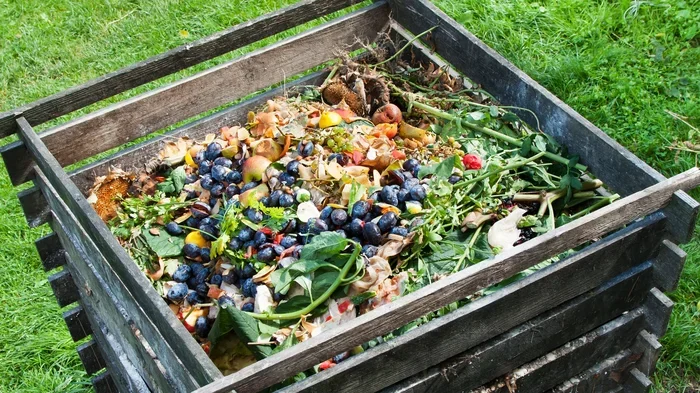
Yes, you can absolutely compost coffee grounds, and it is one of the best ways to reduce kitchen waste. These grounds add essential nitrogen to your pile and help create rich, healthy soil for your garden. Many people worry about acidity, but used grounds are nearly neutral and safe for most plants. With the right balance of browns and greens, your compost will thrive. This guide covers everything you need to know to start composting your morning brew today.
Key Takeaways
- Coffee grounds are nitrogen-rich: They act as a green material that fuels decomposition.
- Used grounds are nearly neutral: The brewing process removes most of the acidity.
- Balance is key: Mix grounds with brown materials like leaves or cardboard.
- Avoid thick layers: Clumps can prevent airflow and slow down the process.
- Worms love grounds: Vermicomposting is a great option for coffee waste.
- Use as mulch: Grounds can protect soil moisture when applied thinly.
- Avoid excessive amounts: Too much nitrogen can harm your compost balance.
📑 Table of Contents
- Can You Compost Coffee Grounds Safely
- Understanding the Nutrients in Coffee Grounds
- The Acidity Myth: Are Grounds Too Acidic?
- How to Add Coffee Grounds to Your Compost
- Using Coffee Grounds as Mulch or Fertilizer
- Common Mistakes to Avoid When Composting Grounds
- Frequently Asked Questions About Coffee Grounds
Can You Compost Coffee Grounds Safely
Can you compost coffee grounds without worrying about your garden? The short answer is a resounding yes. Millions of people brew coffee every morning. Most of them throw the used grounds into the trash. This creates unnecessary waste. Landfills fill up faster when we toss organic matter. Composting offers a better path. It turns waste into black gold for your plants.
Many gardeners hesitate because they hear coffee is acidic. They worry it will hurt their soil. This is a common myth. Used coffee grounds are actually close to neutral on the pH scale. The brewing process washes away most of the acids. This makes them safe for most compost piles. You just need to use them correctly.
Adding grounds to your compost is simple. It requires little extra effort. You simply toss them in with your other scraps. The microbes in your pile will break them down. They turn the waste into nutrients. Your plants will love the result. It is a win for your garden and the planet.
Understanding the Nutrients in Coffee Grounds
Coffee grounds are more than just waste. They are a nutrient powerhouse. When you look at the composition, you see why gardeners love them. They are rich in nitrogen. This is a key element for plant growth. Nitrogen helps leaves grow green and strong.
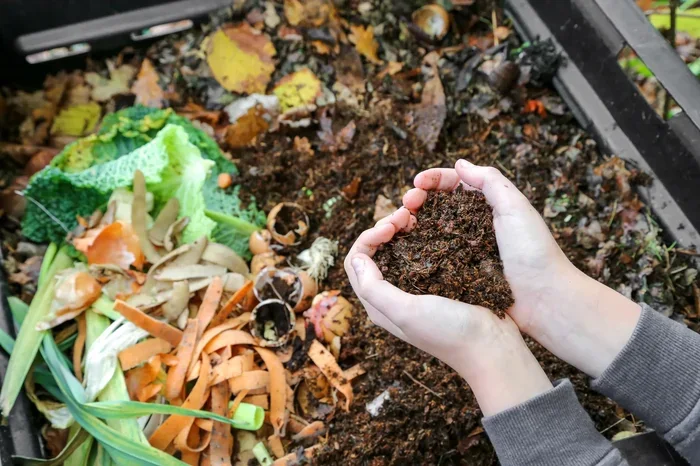
Visual guide about Composting coffee grounds at home
Image source: base-prod.rspb-prod.magnolia-platform.com
In composting terms, coffee grounds are a green material. Greens provide nitrogen. Browns provide carbon. You need both for a healthy pile. Coffee grounds fit perfectly into the green category. They help heat up the compost. This heat kills bad pathogens. It also speeds up decomposition.
Here is a quick look at what grounds offer:
- Nitrogen: Essential for leafy growth.
- Magnesium: Helps with photosynthesis.
- Potassium: Supports overall plant health.
- Trace Minerals: Includes copper and calcium.
These nutrients remain in the grounds after brewing. The water takes some out, but plenty stays. When you compost them, these minerals return to the earth. Your soil becomes richer over time. This reduces the need for chemical fertilizers. It is a natural way to feed your garden.
The Acidity Myth: Are Grounds Too Acidic?
This is the biggest concern for beginners. People ask, can you compost coffee grounds if they are sour? The truth is surprising. Fresh coffee beans are acidic. But used grounds are different. Brewing extracts the flavor and the acid. What remains in the filter is much less acidic.
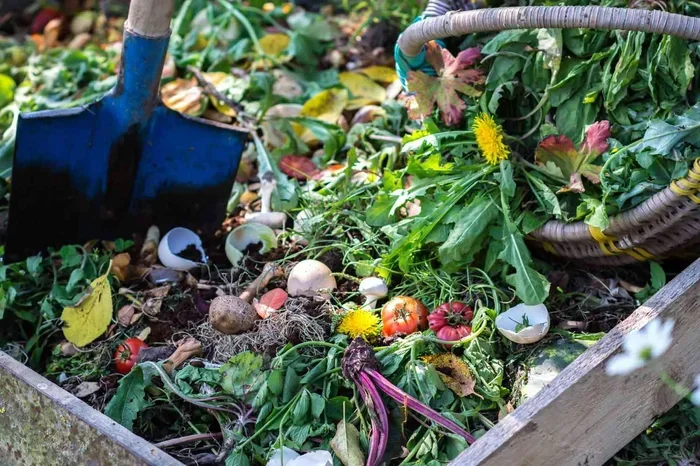
Visual guide about Composting coffee grounds at home
Image source: gardenandhome.co.za
Studies show used grounds hover around a neutral pH. They sit between 6.5 and 6.8 usually. This is safe for most plants. Acid-loving plants like blueberries enjoy them. But even standard vegetables tolerate them well. You do not need to worry about burning your plants.
However, balance still matters. If you add only grounds, the pile might get dense. It could become too wet. This slows down the breakdown. You want a mix of materials. Think of grounds as a supplement. They are not the whole meal. Mix them with dry leaves or straw. This keeps the pH balanced and the airflow moving.
Expert Insight: If you are growing acid-loving plants, you can use grounds directly as mulch. For other plants, stick to composting them first. This ensures the decomposition process stabilizes the nutrients.
How to Add Coffee Grounds to Your Compost
Knowing can you compost coffee grounds is the first step. Now you need to know how. The method matters for success. You do not want to dump a bucket in one spot. This creates clumps. Clumps stop air from reaching the center. Without air, the pile smells bad. It also slows down the work.
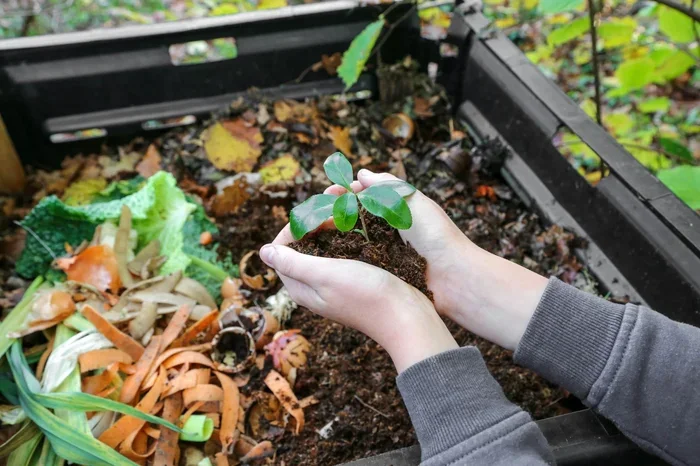
Visual guide about Composting coffee grounds at home
Image source: irp.cdn-website.com
Follow these simple steps for best results:
- Collect your grounds: Keep a small container in the kitchen. Fill it throughout the week.
- Mix with browns: Add dry leaves, cardboard, or paper. Aim for a ratio of 1 part greens to 3 parts browns.
- Turn the pile: Mix everything well. This adds oxygen. It helps microbes work faster.
- Monitor moisture: Grounds hold water. If the pile is soggy, add more browns.
- Wait for maturity: Let the compost cure before using it.
You can also add filters. Paper filters are compostable. They break down easily. Just tear them into smaller pieces. This helps them decompose faster. If you use a reusable mesh filter, just rinse it. Do not put the metal or plastic in the compost.
If you have a worm bin, grounds are a treat. Worms love coffee grounds. They eat them readily. This is called vermicomposting. It is great for apartment dwellers. You can keep a small bin under the sink. The worms turn the grounds into castings. These castings are amazing plant food.
Using Coffee Grounds as Mulch or Fertilizer
Sometimes you do not want to wait for compost. You might want to use grounds directly. You can use them as mulch. This helps keep soil moisture in. It also stops weeds from growing. But you must be careful. Thick layers of grounds can crust over. This blocks water and air.
Spread a thin layer instead. No more than half an inch is best. Mix it into the topsoil. This prevents crusting. It also helps the grounds break down faster. Earthworms will come to the surface. They help mix the material into the soil.
You can also use grounds as a side dressing. Sprinkle them around the base of plants. This releases nitrogen slowly. It is great for heavy feeders like tomatoes. Just do not pile them against the stem. Keep some space around the plant base. This prevents rot and pests.
Some people brew a compost tea. They soak grounds in water. Then they use the liquid to water plants. This gives a quick nutrient boost. It is easy to make at home. Just let it sit for a few days. Strain the liquid before using. This method is fast and effective.
Common Mistakes to Avoid When Composting Grounds
Even though can you compost coffee grounds is a simple yes, mistakes happen. Avoiding these errors saves you time. It also keeps your compost healthy. Here are the most common pitfalls gardeners face.
1. Adding too much at once: A huge pile of grounds smothers the pile. It creates anaerobic conditions. This leads to bad smells. Add them in small batches. Mix them in immediately.
2. Ignoring the carbon balance: Grounds are high in nitrogen. Too much nitrogen makes ammonia smells. You need carbon to balance it. Add shredded paper or dry leaves. This absorbs excess moisture and odor.
3. Using moldy grounds: If your kitchen bin smells, check it. Moldy grounds can introduce bad fungi. It is better to freeze grounds if you collect them for weeks. This stops mold growth.
4. Expecting instant results: Compost takes time. Grounds do not vanish overnight. They need heat and microbes. Be patient. Turn your pile regularly.
5. Putting them on seedlings: Fresh grounds can be too strong for tiny plants. The caffeine residue might inhibit growth. Always compost grounds first for seedlings. Or use them sparingly around mature plants.
Quick Tip: If your compost smells like rotten eggs, add more browns. This usually fixes the nitrogen imbalance caused by too many grounds.
Frequently Asked Questions About Coffee Grounds
Can you compost coffee grounds with paper filters?
Yes, you can compost coffee grounds with paper filters. Paper filters are carbon-rich brown materials. They break down quickly in the pile. Just tear them into smaller pieces. This helps them mix better with the grounds. Avoid bleached filters if you prefer organic compost.
Do coffee grounds attract pests to the compost?
Coffee grounds generally do not attract pests. The caffeine can actually repel some insects. However, food scraps mixed with grounds might attract rodents. Bury the grounds deep in the pile. Cover them with brown materials. This hides the scent from animals.
Can you compost coffee grounds for indoor plants?
You can compost coffee grounds for indoor plants, but indirect is best. Do not put thick layers of grounds in potting soil. It can compact and suffocate roots. Use finished compost mixed into the soil. Or brew a weak tea to water them with.
How long does it take for grounds to decompose?
Coffee grounds decompose relatively fast. In a hot compost pile, they break down in a few months. In a cold pile, it might take longer. Grinding them finer helps speed up the process. Regular turning also accelerates decomposition.
Are coffee grounds good for acid-loving plants?
Yes, coffee grounds are good for acid-loving plants. Plants like azaleas, rhododendrons, and blueberries enjoy them. Even though used grounds are near neutral, they still offer benefits. They improve soil structure and add nutrients. They are a great mulch for these specific species.
Can you compost coffee grounds from a French press?
You can compost coffee grounds from a French press easily. The metal mesh filter does not go in the compost. Just scoop the wet grounds out. They are the same as drip coffee grounds. They are rich in nitrogen. Treat them the same way in your pile.



