
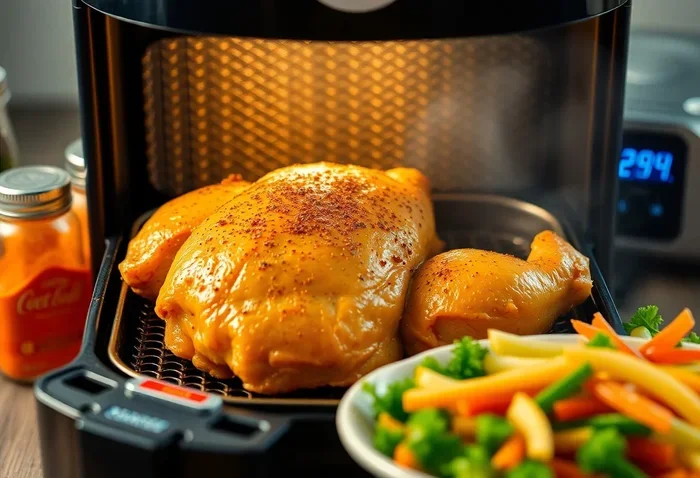
Yes, you can cook frozen chicken in the air fryer safely and quickly. Just adjust time and temperature for even cooking. Always check internal temperature to avoid foodborne illness. This method saves time and delivers crispy results.
Key Takeaways
- Safety First: Always cook frozen chicken to an internal temperature of 165°F to ensure it is safe to eat.
- Time Adjustment: Expect to add 50% more cooking time compared to thawed chicken pieces.
- Crispy Skin: Air frying frozen chicken often yields crispy skin without the need for deep frying.
- No Thawing Needed: Skip the thawing process to save time and reduce planning stress.
- Even Cooking: Arrange pieces in a single layer to ensure hot air circulates properly around the food.
- Seasoning Tips: Apply oil and spices halfway through cooking for better adhesion on frozen surfaces.
- Breaded vs. Plain: Breaded frozen chicken cooks well, while plain frozen chicken may need extra oil for texture.
📑 Table of Contents
Can You Cook Frozen Chicken in the Air Fryer Safely
Many people ask, can you cook frozen chicken in the air fryer? The short answer is yes. You can safely cook chicken straight from the freezer. This method is convenient for busy weeknights. You do not need to plan ahead for thawing. However, safety is the most important factor. You must ensure the meat reaches the right temperature.
Cooking frozen poultry requires care. The air fryer circulates hot air rapidly. This helps cook the outside quickly. But the inside needs enough time to heat through. If you rush the process, the outside might burn. Meanwhile, the inside stays cold. This creates a risk for bacteria growth. Always use a meat thermometer to check doneness.
This cooking method is great for quick meals. It reduces cleanup since you use one basket. It also saves energy compared to heating a large oven. Many families love this hack for dinner. It turns a frozen block into a ready meal. You just need to know the right settings.
Understanding Cooking Times for Frozen Chicken
Time is the biggest variable when cooking from frozen. Thawed chicken cooks faster than frozen blocks. You need to adjust your expectations. A standard piece of chicken might take 15 minutes thawed. Frozen, it could take 25 minutes or more. The size and cut matter greatly.
Visual guide about Frozen chicken air fryer cooking
Image source: fryerhouse.com
Small pieces like nuggets cook quickly. Large breasts take much longer. Wings fall somewhere in the middle. You should always check halfway through. Flip the pieces to ensure even browning. This helps the hot air reach all sides.
Here is a general guide for common cuts:
- Chicken Nuggets: 10 to 12 minutes at 400°F.
- Chicken Wings: 20 to 25 minutes at 380°F.
- Chicken Breasts: 20 to 25 minutes at 360°F.
- Chicken Thighs: 25 to 30 minutes at 360°F.
These times are estimates. Your specific air fryer model varies. Some run hotter than others. Always verify with a thermometer. The goal is 165°F internally.
Preparing Frozen Chicken for Best Results
Preparation makes a big difference in texture. Frozen chicken can come out dry if ignored. You want juicy meat with a nice exterior. Seasoning is tricky on frozen surfaces. Spices often slide off ice. You need a strategy to make flavors stick.
Visual guide about Frozen chicken air fryer cooking
Image source: airfryanytime.com
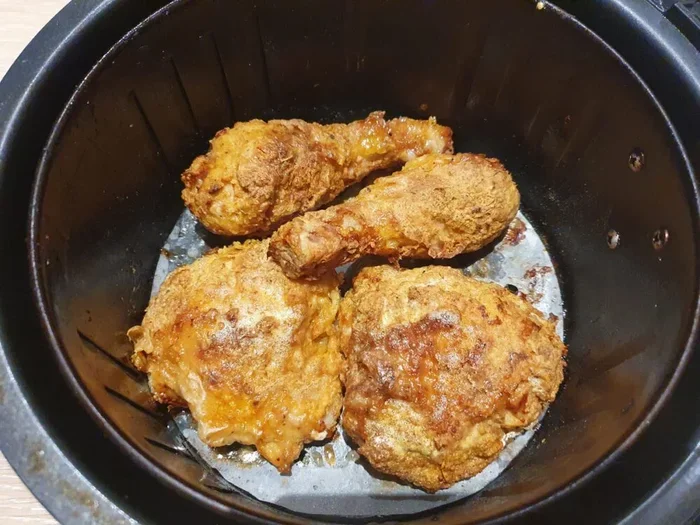
One trick is to add oil halfway through. Wait until the ice melts. Then spray some oil on the surface. This helps spices adhere better. You can also use a spice rub mixed with oil. Apply it after the first few minutes of cooking.
Arrangement is another key factor. Do not overcrowd the basket. Air needs to flow around each piece. If you stack them, they steam instead of fry. Steaming makes the skin soggy. Lay them in a single layer for the best crisp.
If you have breaded frozen chicken, handle it gently. The breading can fall off if flipped too hard. Use a spatula to turn them carefully. Breaded items often cook faster than plain frozen meat. Keep an eye on them to prevent burning.
Using Oil and Seasonings Effectively
Adding fat helps with browning. Frozen chicken lacks surface oil initially. A light spray of cooking oil works wonders. It promotes the Maillard reaction. This creates that golden brown color. You can use olive oil or avocado oil.
Seasonings like paprika, garlic powder, and salt work well. Apply them after the surface is no longer icy. If you apply too early, the salt draws out moisture. This can make the chicken soggy. Wait until the exterior is dry enough to hold the spice.
Temperature Settings for Different Cuts
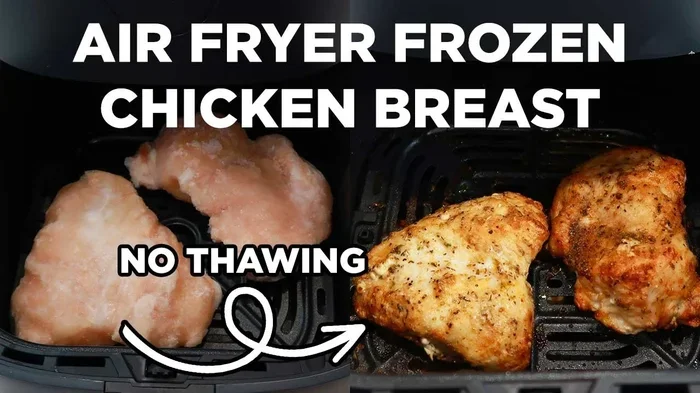
Temperature control is vital for safety and texture. High heat cooks faster but risks burning. Low heat cooks evenly but takes longer. You need a balance for frozen meat. Most recipes suggest starting around 360°F. This allows the heat to penetrate slowly.
Visual guide about Frozen chicken air fryer cooking
Image source: i.ytimg.com
For crispy skin, you can increase heat at the end. Raise the temperature to 400°F for the last few minutes. This crisps the exterior without overcooking the inside. This two-stage method works well for thighs and wings.
Breasts are leaner and dry out easily. Keep the temperature moderate. Around 360°F to 370°F is ideal. This gentle heat keeps moisture inside. Check them early to avoid toughness.
Here is a comparison of settings for different types:
- Breaded Frozen Pieces: 400°F for crispiness.
- Plain Frozen Breasts: 360°F for juiciness.
- Skin-on Thighs: 380°F then 400°F to finish.
- Small Nuggets: 400°F for quick cooking.
Adjust based on your preference. Some like well-done chicken. Others prefer just safe to eat. The thermometer is your best tool.
Tips for Crispy and Juicy Results
Everyone wants crispy skin and juicy meat. Achieving both with frozen chicken is possible. The air fryer excels at crisping. But moisture retention is the challenge. Here are some expert tips to help you succeed.
Pat Dry If Possible: If the surface is icy, let it sit for 5 minutes. Some ice will melt. You can pat it lightly. This helps browning.
Use Cooking Spray: A light coat of oil prevents sticking. It also aids in crisping the exterior.
Flip Halfway: Turn the pieces at the midway mark. This ensures both sides get crisp.
Don’t Overcrowd: Give each piece space. Air circulation is the key to frying.
Rest the Meat: Let the chicken rest for 5 minutes after cooking. This keeps juices inside.
These small steps improve the final dish. You get a texture closer to fried chicken. It is much healthier than deep frying. You use less oil overall.
Common Mistakes to Avoid
Even experienced cooks make mistakes with frozen meat. Avoid these pitfalls for better meals.
- Ignoring Temperature: Guessing doneness leads to unsafe food. Always measure.
- Stacking Pieces: Stacking blocks air flow. Cook in batches if needed.
- Skipping the Flip: One side stays pale and soggy. Flip for even color.
- Overcooking Lean Cuts: Breasts dry out fast. Check them early.
- Using Wet Marinades: Liquid slides off frozen ice. Use dry rubs or oil sprays.
Avoiding these errors saves your dinner. You prevent waste and disappointment. Practice makes perfect with your specific appliance.
Safety Guidelines for Cooking Poultry
Food safety is non-negotiable with poultry. Chicken carries risks if undercooked. Bacteria like Salmonella survive in cold spots. You must eliminate these risks completely. The USDA recommends 165°F as the safe minimum.
Insert the thermometer into the thickest part. Avoid touching the bone. Bone conducts heat differently. You want the reading from the meat itself. If the reading is low, keep cooking. Add 5-minute increments until done.
Never partially cook frozen chicken to finish later. This encourages bacterial growth. Cook it fully in one session. If you need to store it, cool it quickly. Refrigerate within two hours of cooking.
Cleaning your air fryer is also important. Raw juices can splatter during cooking. Wipe the basket after it cools. Use warm soapy water for the removable parts. This prevents cross-contamination for next time.
Expert Insights on Frozen Meat
Chefs often recommend thawing for best quality. However, they acknowledge the convenience of frozen cooking. The texture might differ slightly. Thawed chicken absorbs marinades better. Frozen chicken relies on surface seasoning.
For the best quality, thaw in the fridge overnight. But for speed, the air fryer is a great tool. It bridges the gap between safety and convenience. Just respect the cooking time differences.
Some experts suggest brining thawed chicken for juiciness. You cannot brine frozen chicken effectively. Instead, focus on post-cook resting. Resting allows juices to redistribute. This mimics some benefits of brining.
Frequently Asked Questions
Can you put frozen chicken breasts directly in the air fryer?
Yes, you can place frozen chicken breasts directly in the basket. No need to thaw them first. Just increase the cooking time significantly. Ensure they reach 165°F internally.
How long does it take to cook frozen chicken wings?
Frozen chicken wings usually take 20 to 25 minutes. Cook at 380°F for best results. Flip them halfway through for even crisping. Check the internal temperature before eating.
Do I need to add oil to frozen chicken?
Adding a little oil helps with browning and crispiness. It is not strictly required for safety. But it improves the texture significantly. Spray lightly after the ice melts.
Can you cook breaded frozen chicken in an air fryer?
Yes, breaded frozen chicken works very well. The air fryer crisps the breading nicely. Cook at 400°F for a shorter time. Watch closely to prevent burning the coating.
What temperature should frozen chicken reach?
The safe internal temperature is 165°F. Use a meat thermometer to check. Insert it into the thickest part of the meat. Do not rely on time alone for safety.
Is it safe to cook frozen chicken without thawing?
Yes, it is safe if cooked thoroughly. The USDA confirms cooking from frozen is okay. You must ensure the heat penetrates fully. Do not leave it partially cooked.



