

Can you drink decaf coffee while pregnant? Yes, most health experts agree that small amounts are safe. Decaf coffee still contains trace caffeine, so tracking your total daily intake is key. This guide breaks down the facts, safety limits, and smart habits for expecting moms.
This is a comprehensive guide about Can You Drink Decaf Coffee While Pregnant.

Visual guide about pregnant woman drinking decaf coffee
Image source: cdn.shopify.com
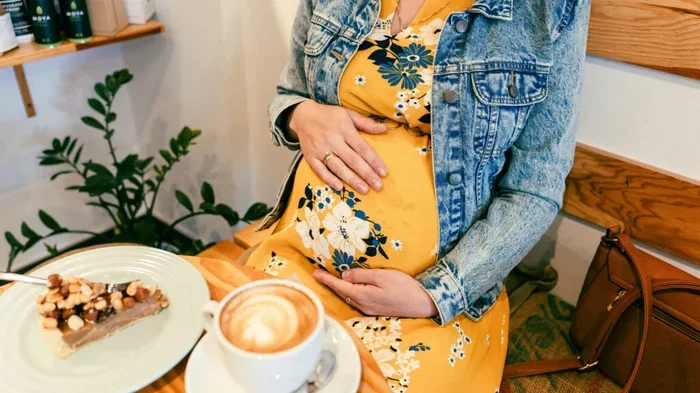
Visual guide about pregnant woman drinking decaf coffee
Image source: parentingpatch.com

Visual guide about pregnant woman drinking decaf coffee
Image source: coffeehunger.com
Key Takeaways
- Decaf coffee is generally safe: Most doctors say a cup or two of decaf coffee is fine during pregnancy.
- Trace caffeine remains: Even decaf has a small amount of caffeine, so count it toward your daily limit.
- Daily caffeine cap: Aim to stay under 200 milligrams of caffeine per day, including all sources.
- Check the brand: Decaffeination methods vary, and some use chemical solvents while others use water or CO2.
- Watch for acidity: Decaf coffee can still trigger heartburn or stomach upset, common issues in pregnancy.
- Consult your provider: Always talk to your doctor or midwife if you have high-risk factors or concerns.
- Stay hydrated: Balance your coffee habit with plenty of water and nutrient-rich drinks.
[FIRST_IMAGE_PLACEHOLDER]
Can You Drink Decaf Coffee While Pregnant?
Expecting a baby brings a lot of questions about what you can and cannot consume. One of the most common questions is about coffee. Many people love their morning cup, and quitting cold turkey feels hard. That is where decaf coffee comes in. It tastes like regular coffee but has far less caffeine. Still, you may wonder if it is truly safe.
The short answer is yes. Most health experts say that decaf coffee while pregnant is generally safe when you keep portions small. The key is to understand that decaf is not completely caffeine-free. It still has a small amount left after the decaffeination process. This means you need to count it as part of your total daily caffeine intake. In this article, we will walk through the facts, the limits, and the simple habits that help you enjoy your brew with confidence.
Understanding Decaf Coffee and Caffeine Content
Decaf coffee starts as regular coffee beans. Then, a process removes most of the caffeine. The goal is to keep the flavor while cutting the stimulant. However, no method removes 100 percent of the caffeine. A typical cup of decaf coffee may contain about 2 to 5 milligrams of caffeine. Compare that to a regular cup, which can have 70 to 140 milligrams. The difference is big, but the small amount still matters when you track your total intake.
The decaffeination process affects the final caffeine level. Some methods use water, some use carbon dioxide, and some use solvents. Water-based and CO2 methods are popular because they avoid harsh chemicals. Solvent-based methods are also safe when done properly, but some people prefer to avoid them during pregnancy. The choice often comes down to personal comfort and brand transparency. If you want to know more, check the package or the brand website for details.
Quick Tips:
– Read the label to see the caffeine content per serving.
– Choose brands that share their decaffeination method.
– Measure your cup size, since a large mug can double the caffeine you consume.
Common Mistakes:
– Assuming decaf coffee has zero caffeine.
– Ignoring other caffeine sources like tea, soda, or chocolate.
– Drinking large portions and losing track of the daily total.
Is Decaf Coffee Safe During Pregnancy?
Safety is the top concern for every expecting parent. The good news is that decaf coffee while pregnant is widely considered safe in moderate amounts. Major health groups often suggest a caffeine limit of around 200 milligrams per day for pregnant people. Since a cup of decaf has only a few milligrams, it fits well within that limit. The real risk comes from going over the daily cap, not from a single cup of decaf.
That said, every pregnancy is different. Some people are more sensitive to caffeine. Some may deal with nausea, heartburn, or sleep issues. Decaf coffee can still be acidic, which may bother a sensitive stomach. If you notice discomfort, try a smaller cup, a darker roast, or a low-acid blend. You can also have it with food to reduce stomach irritation. Listening to your body is just as important as following general guidelines.
Practical examples:
– One small cup in the morning, then water or herbal tea later.
– A half-caf blend that mixes regular and decaf for a gentler boost.
– Switching to a low-acid decaf if you deal with heartburn.
Expert Insights:
– Keep a simple log of all caffeine sources for a few days.
– If you feel jittery, anxious, or have trouble sleeping, cut back.
– Ask your care provider about your personal limit, especially if you have complications.
How Much Decaf Coffee Is Safe to Drink?
Moderation is the main rule. A common approach is to treat decaf coffee as a low-caffeine drink and count it toward your daily total. If your limit is 200 milligrams, a cup of decaf uses only a tiny slice of that budget. This leaves room for other foods and drinks that may contain caffeine. The key is to stay aware and avoid stacking multiple caffeinated items throughout the day.
Portion size matters a lot. A small 6-ounce cup is very different from a 16-ounce café drink. Even if the drink is decaf, the larger size may still add a few extra milligrams. Also, some flavored or blended drinks may include other ingredients that contain caffeine. Always ask or check the menu if you are unsure. Simple habits like these help you stay in control.
Quick Tips:
– Stick to a standard cup size at home.
– Order the smallest size when buying out.
– Track your weekly average, not just one day.
Common Mistakes:
– Mixing up decaf coffee with caffeine-free herbal tea.
– Forgetting that some plant-based milks or syrups may have additives.
– Drinking decaf late in the day and affecting sleep quality.
Choosing the Best Decaf Coffee for Pregnancy
Not all decaf is the same. The flavor, acidity, and processing method can vary a lot. If you want the best experience during pregnancy, look for a few simple things. First, pick a decaffeination method you feel good about. Water-processed and CO2-processed options are popular choices. Second, consider the roast level. Darker roasts often taste smoother and can be less acidic for some people. Third, check for quality beans and clear labeling.
If you enjoy brewing at home, you have more control over strength and portion size. You can use less coffee per cup to keep the flavor mild. You can also try different grind sizes to adjust taste. If you prefer café drinks, ask about the bean type and the decaf process. Many shops can tell you whether they use water-processed decaf. Small questions like these help you make a choice that fits your comfort level.
Practical examples:
– Try a water-processed decaf for a clean taste.
– Choose a medium or dark roast if light roasts feel too sharp.
– Use a simple brew method like a drip maker or French press for consistent results.
Quick Tips:
– Taste a small batch before buying a full bag.
– Store beans in an airtight container to keep flavor fresh.
– Grind only what you need for the week to preserve aroma.
Managing Caffeine Intake While Pregnant
Managing caffeine is about the whole day, not just one drink. Decaf coffee while pregnant can be part of a balanced routine. The goal is to stay under your personal caffeine ceiling and still enjoy your favorite flavors. Start by listing all the things you consume that may have caffeine. This includes coffee, tea, soda, energy drinks, chocolate, and some medications. Then, add up the amounts so you can see the full picture.
A simple plan works best. You might have one cup of decaf in the morning and a caffeine-free herbal tea in the afternoon. Or you might split your allowance across the week. Some days you may want a small regular coffee, and other days you may prefer decaf. Flexibility helps you avoid feeling deprived. The important part is to keep the total moderate and steady.
Quick Tips:
– Use a notes app or a small notebook to track caffeine.
– Choose caffeine-free drinks after lunch to protect sleep.
– Read labels on packaged snacks and drinks for hidden caffeine.
Common Mistakes:
– Counting only coffee and missing tea or soda.
– Assuming all herbal teas are caffeine-free, since some are not.
– Changing your routine too often and losing track of totals.
Common Concerns and Myths About Decaf Coffee
There are a few myths that can cause unnecessary worry. One common myth is that decaf coffee is completely harmless because it has no caffeine. The truth is that it has a small amount, and it can still affect sensitive people. Another myth is that decaf automatically causes problems in pregnancy. There is no strong evidence that moderate decaf causes harm. The main focus should be on total caffeine and your own comfort.
Some people also worry about the processing chemicals. Reputable brands follow strict standards. Any solvent used is removed during processing, and the beans are rinsed and dried. Water and CO2 methods avoid solvents altogether. If this matters to you, look for clear labeling. You can also ask the roaster directly. Good information helps you feel calm and confident.
Quick Tips:
– Focus on the total caffeine number, not fear-based claims.
– Pick brands that explain their process clearly.
– Notice how your body reacts and adjust as needed.
Common Mistakes:
– Believing that all decaf is the same.
– Ignoring acidity or reflux symptoms.
– Overthinking small amounts instead of looking at the full day.
Expert Insights and Practical Tips
Health professionals usually suggest a balanced approach. They often say that decaf coffee while pregnant is fine when you keep portions small and stay within your caffeine budget. They also remind you to think about hydration, nutrition, and sleep. Coffee can be part of a healthy routine, but it should not replace water or nutrient-rich drinks. A steady routine helps you feel better day to day.
You can also make simple swaps to keep things enjoyable. If you want a warm drink with less acidity, try a low-acid blend. If you want a creamy texture, add a small amount of milk or a plant-based alternative that you tolerate well. If you want a sweet note, a little cinnamon or vanilla can add flavor without much sugar. These small changes make your cup more comfortable and more pleasant.
Practical examples:
– Pair your morning cup with breakfast to reduce stomach upset.
– Keep a second option ready, like caffeine-free chicory or roasted grain drinks.
– Use a smaller mug to naturally limit portion size.
Expert Insights:
– Consistency matters more than perfection.
– Small adjustments can make a big difference in comfort.
– Your care team can help you set a limit that fits your health history.
Key Takeaways
Key Takeaways
- Decaf coffee is generally safe: Most doctors say a cup or two of decaf coffee is fine during pregnancy.
- Trace caffeine remains: Even decaf has a small amount of caffeine, so count it toward your daily limit.
- Daily caffeine cap: Aim to stay under 200 milligrams of caffeine per day, including all sources.
- Check the brand: Decaffeination methods vary, and some use chemical solvents while others use water or CO2.
- Watch for acidity: Decaf coffee can still trigger heartburn or stomach upset, common issues in pregnancy.
- Consult your provider: Always talk to your doctor or midwife if you have high-risk factors or concerns.
- Stay hydrated: Balance your coffee habit with plenty of water and nutrient-rich drinks.
Conclusion
So, can you drink decaf coffee while pregnant? For most people, the answer is yes, as long as you keep it moderate and stay aware of the small amount of caffeine it still contains. The best approach is simple: know your daily limit, track all caffeine sources, and choose a decaf option that feels right for your body. A small cup in the morning can fit nicely into a healthy routine. If you notice discomfort, adjust the portion, the roast, or the timing. And when in doubt, ask your care provider for guidance that matches your personal health needs. With a little planning, you can keep enjoying your favorite warm drink while taking good care of yourself and your baby.
Can I drink decaf coffee every day during pregnancy?
Yes, many people do, as long as the total caffeine from all sources stays within a moderate daily limit. Keep your cup size small and pay attention to how your body feels.
Does decaf coffee still contain caffeine?
Yes, decaf coffee usually has a small amount left, often around 2 to 5 milligrams per cup. It is much less than regular coffee, but it is not completely caffeine-free.
What decaffeination method is best for pregnancy?
Many people prefer water-processed or CO2-processed decaf because they avoid chemical solvents. Both are common and considered safe, so choose the one that makes you most comfortable.
Can decaf coffee cause heartburn in pregnancy?
It can, since coffee is naturally acidic and pregnancy can make reflux more likely. If that happens, try a smaller cup, a darker roast, or a low-acid blend with food.
How do I track my caffeine intake safely?
Write down every caffeinated item you consume, including coffee, tea, soda, chocolate, and some medications. Add the amounts so you can see whether you stay within your daily limit.
Should I talk to my doctor about drinking decaf coffee?
It is a good idea, especially if you have complications or high sensitivity to caffeine. Your provider can help you set a limit that fits your health history and your pregnancy.
Frequently Asked Questions
What is Can You Drink Decaf Coffee While Pregnant?
Can You Drink Decaf Coffee While Pregnant is an important topic with many practical applications.



