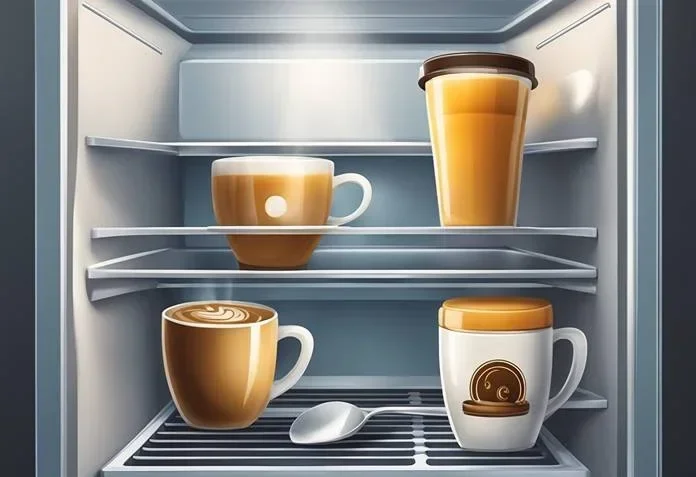
Can you put hot coffee in the fridge? Yes, you can, but it is not always the best idea for flavor or safety. Putting a steaming pot directly inside may warm up your fridge and affect nearby foods. Let the brew cool first, then store it in a sealed container for the best results.
Key Takeaways
- Cool it first: Let your brew sit at room temperature before placing it in the refrigerator to protect the appliance and other foods.
- Use airtight containers: Store cooled brew in a sealed jar or bottle to keep moisture out and prevent flavor loss.
- Drink within a few days: For the best taste, consume refrigerated coffee within three to four days.
- Avoid reheating too many times: Repeated heating and cooling can make the drink taste bitter and flat.
- Freeze for later: Pour extra cups into ice cube trays to save flavor for future iced drinks.
- Watch the fridge temperature: Adding very warm items can briefly raise the internal temperature and affect nearby foods.
- Label and date: Write the date on the container so you know when it was stored and when to toss it.
📑 Table of Contents
- Can You Put Hot Coffee in the Fridge Safely?
- Why Cooling Coffee Before Refrigeration Matters
- Best Containers for Storing Brewed Coffee
- How Long Can You Keep Coffee in the Fridge?
- Reheating Refrigerated Coffee Without Ruining Flavor
- Creative Ways to Use Leftover Coffee
- Common Mistakes When Storing Coffee
- Expert Tips for Better Coffee Storage
- Final Thoughts on Can You Put Hot Coffee in the Fridge
Can You Put Hot Coffee in the Fridge Safely?
Many coffee lovers ask the same question after a big morning brew. Can you put hot coffee in the fridge? The short answer is yes, but there are a few smart steps to follow. You do not want to toss a boiling pot straight into the cold shelf. That move can warm the air inside, affect nearby items, and change the taste of your drink. A little patience goes a long way here. Let the pot sit out until it reaches room temperature. Then pour it into a clean, sealed container. This simple habit keeps your fridge steady and your brew tasting fresh.
You might wonder why the cooling step matters so much. Think about the fridge as a busy little ecosystem. It works hard to keep everything crisp and safe. When you place a very warm item inside, the appliance has to work harder to bring the temperature back down. That extra work can strain the motor over time. It can also create a warm spot near the container. Other foods nearby may feel that heat. For the best results, let your coffee cool on the counter for a bit. You can speed things up by pouring it into a wide bowl or several smaller cups. More surface area means faster cooling.
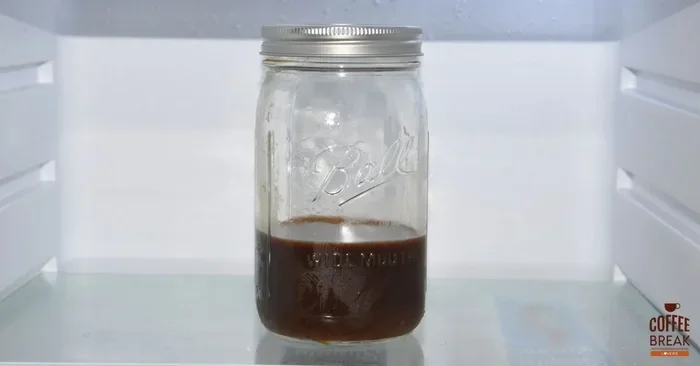
Once the brew is no longer steaming, move it to the fridge. Use a glass jar, a stainless steel bottle, or a food-safe plastic container with a tight lid. Glass is a great choice because it does not hold onto odors or flavors. It also cleans up easily. A sealed container keeps moisture out and stops the coffee from absorbing smells from other foods. Nobody wants a vanilla-scented brew unless they planned for it. Keep the container on a middle shelf where the temperature stays steady. The door is the warmest spot, so skip that area for long-term storage.
Why Cooling Coffee Before Refrigeration Matters
Visual guide about hot coffee in refrigerator
Image source: coffeebreaklovers.com
Temperature control is the big reason to cool your drink first. Putting hot coffee in the fridge can create a small heat wave inside the appliance. That heat wave may raise the internal temperature for a short time. Most fridges are built to handle small temperature swings, but repeated warm additions can add up. Over time, that extra strain may shorten the life of the compressor. It is not a disaster for one cup, but it is a habit worth avoiding if you brew in bulk.
Flavor is another major factor. Coffee contains delicate oils and aromatic compounds. Heat changes those compounds quickly. When you store a very warm brew, condensation can form on the lid and drip back into the liquid. That extra water dilutes the taste. It can also create a soggy lid or a sticky rim. Cool the brew first, and you keep the flavor profile closer to what you enjoyed at pour time. You also reduce the chance of a watery, weak cup later.
Safety matters too. Coffee is mostly water, and water can harbor bacteria when left in the danger zone for too long. The danger zone sits between 40°F and 140°F. If you leave a pot out all day, the liquid may linger in that range. The fridge helps bring the temperature down faster once the brew is cooled. That is why the cooling step plus prompt storage works so well. You move the drink through the warm zone quickly and then keep it cold. That simple routine supports better food safety.
Best Containers for Storing Brewed Coffee

Visual guide about hot coffee in refrigerator
Image source: pinch-of-health.com
The container you choose makes a real difference. A good container keeps air out, locks moisture in, and protects the flavor. Glass jars are a top pick. They are non-reactive, easy to wash, and do not hold onto old smells. A mason jar with a tight lid works well for small batches. Stainless steel bottles are another solid option. They are durable and often keep drinks cold for hours. Just make sure the seal is clean and tight.
Plastic containers can work if they are food-grade and BPA-free. Wash them well between uses. Plastic can pick up odors over time, so rinse it thoroughly. If you store coffee often, dedicate one container just for that purpose. That keeps cross-flavor issues low. Avoid containers with cracked seals or loose lids. A bad seal lets air in and speeds up staleness. It can also let fridge odors drift into your brew.
Here is a quick look at common options:
How Long Can You Keep Coffee in the Fridge?

Visual guide about hot coffee in refrigerator
Image source: coffeegeek.tv
Most people want to know the safe window for storage. Coffee storage is fairly straightforward. For the best flavor, drink refrigerated brew within three to four days. After that, the taste can turn flat or sour. The liquid may still be safe for a bit longer if it was stored properly, but the quality drops. Smell and sight are your friends. If it smells off or looks cloudy, toss it. When in doubt, throw it out.
The type of brew matters too. Black coffee usually holds up better than coffee with milk or cream. Dairy adds another layer of risk because milk spoils faster than black brew. If you add milk before storage, treat it like a dairy product and keep the timeline short. Some people prefer to store the black base and add fresh milk later. That approach often gives a brighter, cleaner taste. It also keeps the storage window a bit more flexible.
Temperature consistency helps extend quality. Keep the fridge at the right setting and avoid opening the door too often. Every time the door opens, warm air sneaks in. That small change can affect stored drinks over time. Place your container away from the door and away from strong-smelling foods. Coffee can pick up odors from onions, cheese, or spices. A sealed jar helps, but location still matters.
Reheating Refrigerated Coffee Without Ruining Flavor
Cold brew from the fridge is great for iced drinks, but sometimes you want it warm. Reheating is possible, but you need a gentle hand. High heat can burn the edges of the flavor and make the drink taste harsh. Use low to medium heat on the stove or a short burst in the microwave. Stir often to spread the heat evenly. Stop when the cup is warm, not boiling. You want comfort, not a scorched taste.
A small splash of fresh water can help if the brew feels too strong after storage. Some of the water evaporates over time, so the flavor can concentrate. A little fresh water brings the balance back. If you stored the coffee with milk, reheat gently and do not let it boil. Boiling dairy can curdle and change the texture. For the best results, add fresh milk after warming the black base. That keeps the texture smooth and the taste clean.
Some people use a thermos for the next day instead of reheating. That is a smart move if you want a warm cup without extra heat. Preheat the thermos with hot water, empty it, then pour in the fresh brew. That keeps the temperature steady for hours. If you already have chilled coffee, you can warm just the amount you need. That avoids reheating the whole batch and losing quality over time.
Creative Ways to Use Leftover Coffee
Leftover brew does not have to sit in the back of the fridge waiting to be tossed. There are many handy uses for it. You can turn it into iced coffee by pouring it over fresh ice. You can blend it into a smoothie for a caffeine kick. You can use it in baking for a deeper, richer flavor. Coffee cakes, brownies, and chocolate desserts often benefit from a small amount of brew. It adds a roasted note that pairs well with cocoa and vanilla.
You can also freeze the leftover liquid for later. Pour it into an ice cube tray and freeze it. Once frozen, move the cubes into a bag. Then drop a few cubes into future iced drinks. This trick keeps the drink strong as the ice melts. It is a clever way to save flavor without watering things down. If you like cold drinks, this is a simple habit that pays off.
Another option is to use the brew as a marinade base for certain dishes. The acidity and bitterness can help tenderize and add depth. Mix it with spices, a little oil, and salt for a simple glaze. Always taste first and keep food safety in mind. If the stored brew smells off, do not use it in cooking. Freshness matters in the kitchen, whether you drink it or cook with it.
Common Mistakes When Storing Coffee
A few simple errors can ruin the taste or create safety issues. Here are the most common ones:
- Storing while still hot: This warms the fridge and can affect nearby foods. Let the brew cool first.
- Leaving the lid loose: Air gets in and speeds up staleness. Use a tight seal.
- Storing in the door: The door is the warmest spot. Use a middle shelf instead.
- Keeping it too long: Flavor drops after a few days. Aim for three to four days for best quality.
- Adding milk before storage: Dairy spoils faster. Store black brew and add fresh milk later.
- Reheating too aggressively: High heat makes the drink taste bitter. Warm it gently.
- Ignoring odd smells or cloudiness: If it seems off, toss it. Freshness and safety come first.
Expert Tips for Better Coffee Storage
A few small habits can make a big difference. Start with a clean container every time. Wash it with warm water and mild soap, then rinse well. Residue from old brew or other foods can change the taste. Dry the container fully before filling it. Moisture on the lid or rim can lead to drip-back and dilution.
Label the container with the date. A small piece of tape or a marker on the lid works well. That way, you know exactly when you stored it. If you brew in bulk, write the batch time too. That helps you track quality and avoid guessing. It is a tiny step that saves waste and confusion.
If you often have extra brew, think about your batch size. Make smaller pots that match your daily habit. That reduces waste and keeps flavor fresh. If you like cold drinks, brew a little extra and chill it on purpose. Planned chilling works better than rushing a hot pot into the fridge. A little planning keeps the taste bright and the appliance happy.
Another helpful habit is to keep your fridge organized. Give your coffee container a regular spot. That makes it easy to find and easy to monitor. It also helps you avoid pushing it behind other items where it might sit too long. Good organization supports better food habits across the board. Your brew gets the attention it deserves.
Final Thoughts on Can You Put Hot Coffee in the Fridge
So, can you put hot coffee in the fridge? Yes, you can, and it is safe when you follow a few simple steps. Let the brew cool first. Use a clean, sealed container. Store it on a steady shelf and drink it within a few days. These habits protect your appliance, your other foods, and the flavor you love. A little care goes a long way with everyday coffee routines.
If you want the best taste, treat storage as part of the brewing process. The pot is only the first step. How you handle the leftover liquid decides how it tastes later. Cool it down, seal it up, and keep it cold. When you are ready for a warm cup, reheat gently. When you want a cold drink, pour it over ice or use frozen coffee cubes. Those small choices keep your daily cup enjoyable.
Remember that freshness has a window. Black brew holds up better than dairy-added drinks. Smell, sight, and date labels help you stay on track. If anything seems off, it is better to start fresh. Coffee is a simple pleasure, and good storage keeps that pleasure intact. With a few smart habits, you can save extra brew without losing the flavor you expect.
Frequently Asked Questions
Can you put hot coffee in the fridge right after brewing?
Yes, but it is better to let it cool first. Putting very hot liquid directly inside can warm the fridge and affect nearby foods. Letting it reach room temperature first gives better results.
How long does brewed coffee last in the refrigerator?
For the best flavor, drink it within three to four days. After that, the taste can turn flat or sour. Always check the smell and appearance before using it.
Should I store coffee with milk in the fridge?
It is better to store black coffee and add fresh milk later. Dairy spoils faster than black brew, so the safe window is shorter. If you already mixed it, keep it cold and use it quickly.
Does putting hot coffee in the fridge damage the appliance?
One time is usually fine, but doing it often can strain the fridge. Warm items make the appliance work harder to cool the air again. Cooling the brew first helps reduce that extra work.
What is the best container for storing coffee?
A glass jar or stainless steel bottle with a tight lid works well. Glass does not hold onto odors and cleans easily. A good seal keeps air out and protects the flavor.
Can I freeze leftover coffee for later use?
Yes, freezing is a great option. Pour the cooled brew into an ice cube tray, then store the cubes in a bag. You can use them later for iced drinks without watering them down.