Ceramic and aluminum cookware each bring unique benefits to your kitchen, but which one is right for you depends on how you cook and what matters most—like health, durability, or ease of cleaning. While ceramic offers non-stick convenience and a sleek look, aluminum provides superior heat conductivity and is often more budget-friendly. Understanding their differences helps you pick the perfect cookware for your daily meals.
Key Takeaways
- Heat Conductivity: Aluminum heats up quickly and evenly, making it great for searing and browning, while ceramic distributes heat more slowly but maintains steady temperatures.
- Non-Stick Performance: Ceramic-coated pans reduce sticking and require less oil, ideal for delicate foods like eggs and fish, whereas aluminum pans need proper seasoning or oil to prevent sticking.
- Health & Safety: High-quality ceramic coatings are PFOA-free and non-toxic, while aluminum can leach into food when overheated or damaged—though this is rare with intact anodized aluminum.
- Durability & Longevity: Anodized aluminum resists scratches and lasts longer under heavy use; ceramic coatings can chip or peel if scratched or used with metal utensils.
- Cleaning & Maintenance: Ceramic surfaces are easier to clean and dishwasher-safe, while aluminum requires hand washing to preserve non-stick layers and avoid warping.
- Cost Comparison: Aluminum cookware is generally more affordable upfront, especially for high-end brands offering hard-anodized finishes, while ceramic sets can be pricier but offer long-term convenience.
- Best Use Cases: Choose ceramic for everyday low-heat cooking and health-conscious users; opt for aluminum (especially anodized) for high-heat tasks like stir-frying or grilling.
📑 Table of Contents
- Ceramic vs. Aluminum Cookware: Which Is Right for Your Kitchen?
- The Basics: What Are Ceramic and Aluminum Cookware Made Of?
- Heat Conductivity: Speed Meets Stability
- Non-Stick Performance: Less Oil, Less Mess
- Health & Safety: What’s Really in Your Food?
- Durability and Longevity: Will It Last?
- Ease of Cleaning and Maintenance
- Cost and Value: Is It Worth the Investment?
- Which Should You Choose?
- Conclusion: It’s Not About Perfection—It’s About Fit
Ceramic vs. Aluminum Cookware: Which Is Right for Your Kitchen?
Choosing between ceramic and aluminum cookware might seem simple at first glance—after all, they both sit on your stovetop, heat up, and cook your meals. But beneath their similar appearances lies a world of differences in performance, safety, durability, and cost. If you’ve ever stood in the kitchen aisle staring at two seemingly identical pans, wondering which one to buy, you’re not alone. The truth is, neither option is universally “better”—it all comes down to how you cook, what you value most, and how much time you want to spend maintaining your cookware.
Ceramic-coated pans have surged in popularity thanks to their non-stick surface and modern, eco-friendly appeal. They promise easy cleanup, reduced oil usage, and a sleek aesthetic that fits right into contemporary kitchens. On the other hand, aluminum—especially in its hard-anodized form—has been the backbone of professional and home kitchens for decades. It heats quickly, responds fast to temperature changes, and is incredibly durable when properly cared for. So, which one deserves a spot in your kitchen? Let’s break it down.
The Basics: What Are Ceramic and Aluminum Cookware Made Of?
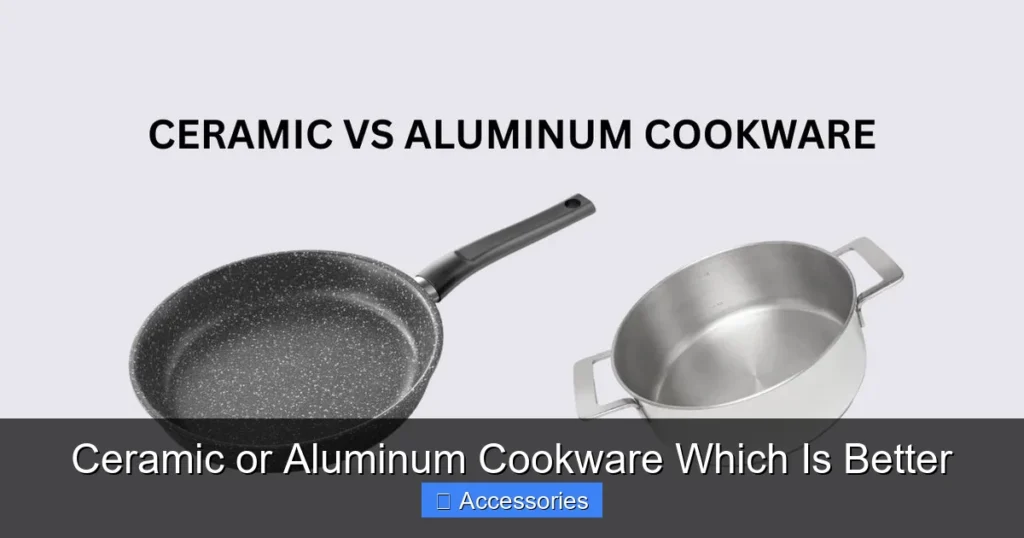
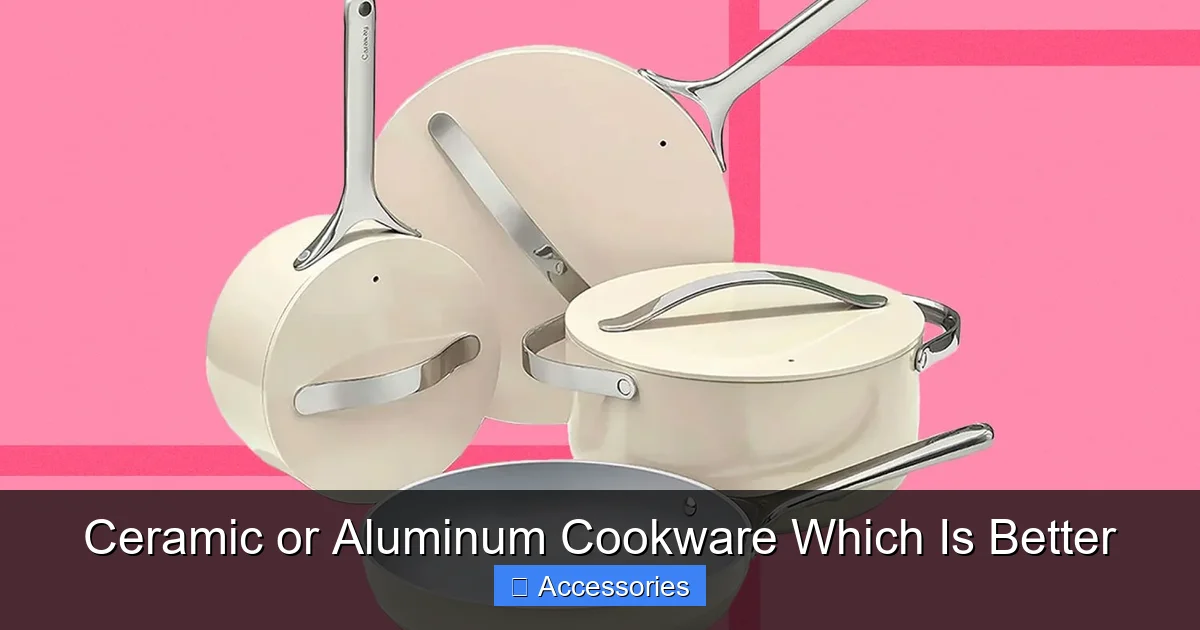
Before comparing performance, let’s clarify what we mean by “ceramic” and “aluminum” cookware. True ceramic cookware is made from fired clay or porcelain, but in modern kitchenware, the term usually refers to pans with a ceramic-based non-stick coating applied over a metal base—most commonly aluminum. This coating is typically made from silica (sand) mixed with other minerals, then baked onto the pan at high temperatures.
Visual guide about Ceramic or Aluminum Cookware Which Is Better
Image source: realsimple.com
Aluminum cookware, meanwhile, is usually made from pure aluminum or anodized aluminum. Pure aluminum is lightweight, heats rapidly, and is highly conductive—but also soft and prone to scratching. To fix this, many manufacturers apply anodizing, a process that turns the outer layer of aluminum into a hard, corrosion-resistant oxide. Some also add non-stick coatings like Teflon or ceramic on top. So when you see “anodized aluminum,” think of it as a fortified version of regular aluminum designed for kitchen use.
Understanding the Coating: Ceramic vs. Traditional Non-Stick
Not all non-stick surfaces are created equal. Traditional non-stick coatings like PTFE (Teflon) release fumes when overheated, prompting the rise of safer alternatives such as ceramic. Modern ceramic coatings are PFOA-free and often marketed as “eco-friendly” because they don’t contain perfluorooctanoic acid—a chemical linked to environmental and health concerns. However, just because something is labeled “ceramic” doesn’t automatically mean it’s healthier or longer-lasting.
Some budget ceramic pans use low-quality coatings that degrade quickly, while premium brands invest in thicker, reinforced layers that last years. Similarly, anodized aluminum without a coating may require more oil to prevent sticking, but it’s far more forgiving than cheap ceramic if dropped or scrubbed too hard.
Heat Conductivity: Speed Meets Stability
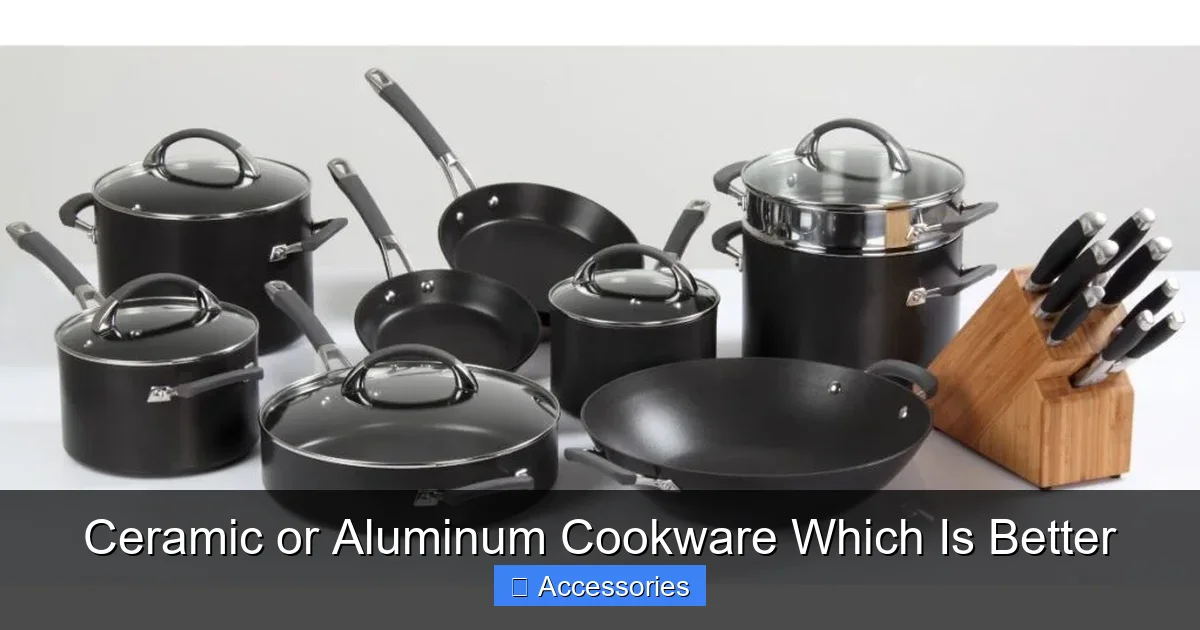
One of the biggest advantages of aluminum cookware is its unmatched ability to conduct heat. Aluminum is one of the best metals for transferring thermal energy, meaning your pan heats up fast and responds immediately to stove adjustments. This makes it ideal for tasks like sautéing, searing steaks, or making caramel—where precise control matters.
Visual guide about Ceramic or Aluminum Cookware Which Is Better
Image source: housevivid.com
Ceramic-coated pans, however, tend to retain heat longer once warmed. While this can help maintain consistent temperatures for simmering or baking, it also means they take longer to heat up initially. That said, many modern ceramic pans feature multi-layered bases (often aluminum or stainless steel) to improve evenness. Still, even the best ceramic designs can’t match the lightning-fast response of bare aluminum.
Practical Example: Cooking an Egg
Imagine scrambling eggs for breakfast. With aluminum, you preheat the pan for 90 seconds, add a splash of butter, and within seconds, the butter sizzles and the egg whites begin to set evenly. With ceramic, it might take two minutes to reach the same temperature—but once it does, the eggs won’t burn as easily, and you likely won’t need extra oil.
This difference becomes more noticeable during high-heat cooking. Stir-fries, roasted vegetables, or grilled meats benefit from aluminum’s quick heating. But if you’re whipping up delicate sauces or reheating leftovers, ceramic’s steady heat distribution wins out.
Non-Stick Performance: Less Oil, Less Mess
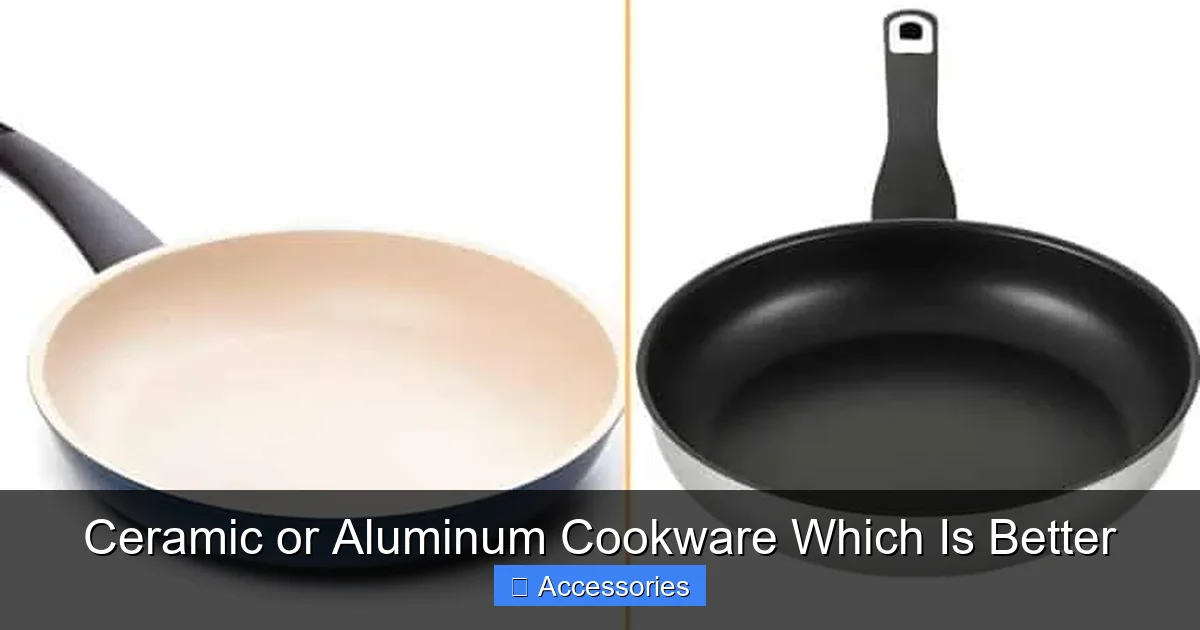
A major selling point for ceramic cookware is its slick surface that prevents food from sticking. This means you can cook with minimal oil, clean up faster, and enjoy healthier meals. For home cooks who want to avoid gummy scrambled eggs or burnt pancakes, ceramic is a game-changer.
Visual guide about Ceramic or Aluminum Cookware Which Is Better
Image source: homemotivate.com
That said, aluminum pans don’t have to be sticky if you use them correctly. Seasoning cast iron or using a well-made non-stick aluminum pan with proper oil application can yield excellent results. But if you’re someone who hates scrubbing stuck-on cheese or fried rice residue, ceramic’s superior non-stick properties are hard to beat.
Tip: Avoid Metal Utensils with Ceramic
Even the best ceramic coatings can be damaged by metal spatulas, whisks, or forks. Always use silicone, wood, or nylon tools to preserve the surface. A scratched ceramic pan isn’t necessarily unsafe, but the non-stick layer may degrade faster, increasing the risk of food sticking over time.
Health & Safety: What’s Really in Your Food?
Safety is a top concern for many home cooks. When it comes to aluminum, there’s a common myth that it causes Alzheimer’s disease. Scientific consensus strongly refutes this—no credible evidence links dietary aluminum exposure to neurological disorders. However, leaching can occur if the pan is scratched, overheated, or used with acidic foods like tomatoes or vinegar.
Anodized aluminum is considered safe because the oxidation process creates a barrier that prevents metal transfer. But if the coating wears off, aluminum ions may migrate into your food. That’s why many experts recommend avoiding aluminum pots for long-cooked acidic dishes unless they’re fully enameled or stainless-lined.
Ceramic coatings, especially those labeled “PFOA-free” and “lead-free,” are generally safer in this regard. However, low-quality ceramics may contain trace metals like lead or cadmium, particularly if chipped. Always choose reputable brands and inspect your pans regularly for damage.
When to Worry About Metal Leaching
If your aluminum pan develops scratches, discoloration, or starts reacting with acidic ingredients, consider replacing it. Similarly, if your ceramic pan shows peeling, bubbling, or dark spots after heating, it’s time for an upgrade. Damaged cookware compromises both safety and performance.
Durability and Longevity: Will It Last?
Here’s where aluminum has a clear edge in raw durability. Anodized aluminum pans can withstand years of heavy use, including oven use (up to 500°F or so), aggressive scrubbing, and even dropping (though dropping still risks denting). Many professional chefs swear by hard-anodized aluminum for its resilience.
Ceramic, while stylish, is more fragile. The coating can chip, crack, or flake off if subjected to sudden temperature changes (like going from freezer to oven), impacted by metal utensils, or stored improperly. Over time, even gentle use can wear down cheaper ceramic layers. That said, premium ceramic pans with reinforced coatings (like those from brands such as GreenPan or Caraway) can last 5–7 years with careful handling.
Lifespan Comparison Table (Estimated)
Aluminum Cookware: 10+ years (with care)
Hard-Anodized Aluminum: 8–12 years
Premium Ceramic-Coated: 5–7 years
Budget Ceramic-Coated: 2–4 years
Keep in mind that these are averages—your experience will depend on maintenance habits, cooking frequency, and brand quality.
Ease of Cleaning and Maintenance
Ceramic surfaces are notoriously easy to clean. Most are dishwasher-safe (check labels!), and spills rarely stick. A quick soak and wipe usually do the trick. Just avoid abrasive scouring pads—they’ll scratch the surface.
Aluminum pans, especially those with non-stick coatings, should almost always be hand-washed. Dishwashers can accelerate coating degradation and warp thin aluminum bodies. Use warm water, mild soap, and a soft sponge. Never soak cast iron-style aluminum pans for long periods unless they’re enameled.
Pro Tip: Prevent Sticking Without Scrubbing
For aluminum pans, always preheat properly, use enough fat, and let food release naturally before scraping. For ceramic, avoid cooking below 350°F without oil—some coatings work poorly at low temps. Both types benefit from occasional seasoning (for aluminum) or deep cleans (for ceramic).
Cost and Value: Is It Worth the Investment?
Aluminum cookware tends to be more affordable upfront. You can find basic aluminum skillets starting around $20–$30, while hard-anodized sets range from $80–$150. Brands like Calphalon, All-Clad, and Cuisinart offer reliable options across price points.
Ceramic cookware usually costs more—expect to pay $40–$100+ per piece, depending on thickness and brand. However, you’re paying for convenience, aesthetics, and perceived health benefits. If you prioritize ease of use and don’t mind replacing pans every few years, ceramic may still offer better value.
Long-Term Cost Analysis
Over five years:
– Budget ceramic set ($200): Replace once → $400 total
– Mid-range ceramic set ($400): No replacement needed → $400 total
– Hard-anodized aluminum set ($300): No replacement needed → $300 total
While aluminum wins on pure cost, factor in your lifestyle. Do you hate cleaning? Do you cook high-heat meals often? These personal preferences influence real-world value.
Which Should You Choose?
There’s no one-size-fits-all answer. If you value speed, durability, and lower cost, go with aluminum—especially hard-anodized. If you prefer non-stick convenience, easy cleanup, and a modern look, ceramic is likely the better fit.
Many serious home cooks actually own both! Use aluminum for searing, frying, and heavy-duty tasks, and reserve ceramic for eggs, pancakes, and low-heat cooking. Mixing and matching allows you to leverage the strengths of each material.
Making the Switch: Tips for New Buyers
- Start with one high-quality ceramic skillet for breakfast foods.
- Invest in a hard-anodized aluminum fry pan for proteins and vegetables.
- Always read care instructions—even within the same category.
- Avoid extreme temperature swings (e.g., frozen food straight into hot oil).
- Store pans separately to prevent scratching.
Conclusion: It’s Not About Perfection—It’s About Fit
The debate over ceramic versus aluminum cookware isn’t about declaring a single winner. It’s about understanding your needs and choosing the tool that supports your cooking style. Aluminum excels in performance and economy; ceramic shines in convenience and appearance. Neither is flawless, but both can serve you well for years with proper care.
Rather than obsessing over which material is “better,” focus on quality, compatibility, and how the pan feels in your hands. After all, the best cookware is the one you’ll actually use—every day.
Frequently Asked Questions
Is ceramic cookware safer than aluminum?
Ceramic coatings are generally considered safer because they’re PFOA-free and less likely to leach metals when intact. However, damaged ceramic can expose underlying materials, and some low-quality versions may contain harmful additives. Anodized aluminum is also safe but shouldn’t be used for prolonged acidic cooking.
Can I put ceramic cookware in the dishwasher?
Many ceramic pans are dishwasher-safe, but always check the manufacturer’s guidelines. Repeated dishwasher cycles may shorten the lifespan of the non-stick coating, especially on lower-quality models.
Does aluminum cookware cause Alzheimer’s?
No scientific evidence supports this claim. Dietary aluminum exposure from cookware is minimal and well below levels linked to health issues. Anodized aluminum, in particular, has a protective oxide layer that prevents significant metal transfer.
How do I know if my ceramic pan is chipped or damaged?
Look for peeling, bubbling, dark spots, or areas that feel rough instead of smooth. These signs indicate coating failure. Even minor chips increase the risk of food sticking and potential chemical exposure.
Are ceramic pans good for high-heat cooking?
Most ceramic coatings aren’t rated for very high heat (above 400–500°F). Exceeding this can degrade the non-stick layer. For searing or frying, aluminum or stainless steel pans are better choices.
What’s the difference between ceramic and hard-anodized aluminum?
Hard-anodized aluminum is aluminum treated with an electrochemical process to create a dense, scratch-resistant surface. It’s more durable than regular aluminum and often used as a base for non-stick coatings. Ceramic refers specifically to the mineral-based non-stick layer on top.