
Cooking a ham in the oven is easier than you think. This guide walks you through everything from choosing the right ham to nailing the perfect glaze. You will learn the ideal oven temperature, cooking times, and simple tricks that keep your ham moist and juicy.
There is nothing quite like a perfectly cooked ham filling up the kitchen with a warm, savory aroma. Whether you are preparing a holiday centerpiece or a weekend family dinner, learning how to cook a ham in the oven is a skill that pays off every single time.
The good news? You do not need to be a professional chef. With the right temperature, a little patience, and a simple glaze, you can serve a juicy oven-baked ham that has everyone coming back for seconds. This guide breaks down every step so you get perfect results without the stress.
Key Takeaways
- Pick the right ham: Bone-in hams offer more flavor, while spiral hams are easier to slice.
- Low and slow wins: Baking at 325°F keeps the ham juicy and prevents drying out.
- Glaze matters: A brown sugar or honey glaze adds a beautiful caramelized finish.
- Use a meat thermometer: The ham is done at 145°F internal temperature.
- Rest before slicing: Letting the ham rest for 15 minutes keeps the juices locked in.
- Save the bone: The ham bone makes incredible stock for soups and stews later.
📑 Table of Contents
Choosing the Right Ham for Oven Baking
Not all hams are created equal. Before you even turn on the oven, picking the right cut makes a big difference. Your choice affects cooking time, flavor, and how easy it is to serve.
Bone-In vs. Spiral Ham
A bone-in ham tends to have more flavor and stays juicier during cooking. The bone acts as a natural insulator, distributing heat evenly through the meat. Many people prefer bone-in hams for special occasions because they look impressive on the table.
A spiral ham comes pre-sliced and is super convenient. You just pop it in the oven and let it cook. The downside is that spiral hams can dry out faster if you are not careful with timing and temperature.
Whole Ham vs. Half Ham
A whole ham feeds a large crowd and is ideal for holiday gatherings. A half ham works perfectly for smaller families or weeknight dinners. Keep in mind that a whole ham takes significantly longer to cook, usually around 20 to 25 minutes per pound at 325°F.
| Ham Type | Best For | Cooking Time (per pound) | Juiciness |
|---|---|---|---|
| Bone-In Whole Ham | Holiday dinners, entertaining | 20-25 min | Very juicy |
| Spiral Ham | Easy slicing, weeknight meals | 18-22 min | Good, can dry out |
| Half Ham | Small families, casual meals | 20-25 min | Juicy |
| Boneless Ham | Sandwiches, easy serving | 22-28 min | Can be dry |
Preparing Your Ham for the Oven
Proper ham prep sets the stage for a juicy result. Skipping this step is one of the most common mistakes home cooks make.
Trimming and Scoring
Start by removing any excess fat, leaving about a quarter-inch layer. This keeps the ham moist without making it greasy. Next, score the fat in a diamond pattern using a sharp knife. Cut about a quarter-inch deep into the fat, being careful not to cut into the meat itself.
Scoring does more than look pretty. It allows the ham glaze to seep into the meat, creating those beautiful caramelized edges. It also helps fat render during cooking, which keeps the ham tender.
Making a Simple Ham Glaze
A classic brown sugar ham glaze is hard to beat. Mix together brown sugar, honey, Dijon mustard, and a splash of apple cider vinegar. Spread this generously over the scored ham before it goes in the oven.
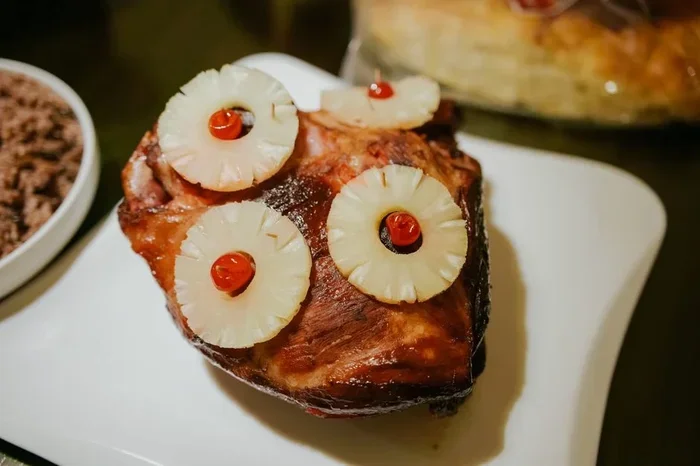
You can also add cloves or pineapple rings for a tropical twist. Some cooks like to pour a cup of pineapple juice into the bottom of the pan. This creates steam that keeps the ham moist while it bakes.
Setting the Right Oven Temperature and Time
The oven temperature for ham is the single most important factor in getting juicy results. Too hot and the outside dries out before the inside is fully cooked. Too low and you risk food safety issues.
Why 325°F Is the Sweet Spot
Most experts agree that 325°F is the ideal temperature for baking ham. At this heat, the meat cooks evenly and retains its moisture. The ham internal temperature should reach 145°F when measured at the thickest part with a meat thermometer.
Here is a simple guide for timing:
- Whole bone-in ham (8-10 lbs): About 3 to 4 hours at 325°F
- Half ham (4-5 lbs): About 2 to 2.5 hours at 325°F
- Spiral ham (6-8 lbs): About 2 to 2.5 hours at 325°F
- Boneless ham (3-4 lbs): About 1.5 to 2 hours at 325°F
When to Apply the Glaze
Apply your ham glaze during the last 30 minutes of cooking. Putting it on too early can cause the sugars to burn. For a thick, sticky glaze, apply it in two layers, adding the second layer about 15 minutes before the ham is done.
If you want a deep, caramelized finish, switch your oven to broil for the final 3 to 5 minutes. Watch it closely so it does not burn. This quick burst of high heat creates a beautiful glossy top.
Common Mistakes That Dry Out Your Ham
Even experienced cooks sometimes make mistakes that turn a juicy ham into a dry one. Here are the pitfalls to avoid.
Overcooking the Ham
The biggest enemy of a juicy ham is overcooking. Once the internal temperature hits 145°F, pull it out. Letting it go too long evaporates the natural juices and turns the meat tough. Always use a meat thermometer and check multiple spots.
If you are unsure, it is better to undercook slightly and let the carryover heat do the work. The temperature will rise about 5 to 10 degrees after you take the ham out of the oven.
Skipping the Resting Period
Just like a roast or braised ribs, a ham needs time to rest after cooking. Cover it loosely with foil and let it sit for 15 to 20 minutes. This allows the juices to redistribute throughout the meat, making every slice moist and flavorful.
Do not skip this step, even if you are eager to serve. That extra patience makes a noticeable difference in the final result.
Using Too Much Glaze Too Early
Pouring all your glaze on at the start can create a burnt, bitter exterior. The sugars in brown sugar and honey caramelize quickly, and they can go from golden to charred in minutes. Apply the glaze in stages for the best flavor and appearance.
Serving and Storing Your Oven-Baked Ham
Once your ham is cooked and rested, it is time to serve. Here are a few tips to make the most of your oven-baked ham.
Slicing Like a Pro
For bone-in hams, start by slicing along the bone. This gives you clean, even pieces. For spiral hams, the pre-sliced cuts are already done, but you can trim any pieces that look uneven.
Always slice against the grain for the most tender bite. If you are unsure which direction the grain runs, look for the lines of muscle fiber and cut perpendicular to them.
Storing Leftover Ham
Leftover ham keeps well in the refrigerator for up to 5 days. Wrap it tightly in plastic wrap or store it in an airtight container. You can also freeze ham for up to 3 months if you want to enjoy it later.
Ham makes fantastic sandwiches, omelets, and soups the next day. The flavor actually gets better as it soaks up the glaze overnight. If you want to keep your ham warm for a party, you can keep it warm in the oven at a low temperature of around 200°F.
For those who love using the oven for multiple tasks, check out how to sanitize wood in the oven or dehydrate vegetables in the oven for other great oven techniques.
Expert Tips for the Perfect Ham
Here are some extra tips from experienced cooks that will take your ham recipe to the next level.
- Soak the ham overnight: If your ham is very salty, soak it in cold water for 8 to 12 hours before cooking. This draws out excess salt and improves the flavor significantly.
- Use the pan drippings: The liquid at the bottom of the pan is liquid gold. Deglaze it with a little apple juice or broth and drizzle it over the sliced ham for extra moisture and flavor.
- Add fruit for moisture: Place apple rings, pineapple chunks, or orange slices around the ham in the pan. As they cook, they release steam and natural sugars that keep the ham moist.
- Let the oven preheat fully: Never put the ham in a cold oven. A fully preheated oven ensures even cooking from the start.
- Baste halfway through: Spoon some pan juices over the ham about halfway through cooking. This adds flavor and helps form a nice outer layer.
For more oven-based recipes and tips, you might enjoy learning how to reheat crab legs in the oven or explore keeping ribs warm in the oven for your next gathering.
Conclusion
Cooking a ham in the oven does not have to be intimidating. With the right temperature, a little preparation, and a simple glaze, you can serve a juicy, flavorful ham that will be the star of any meal. Remember to use a meat thermometer, let the ham rest, and apply your glaze in the final stages of baking.
Whether you are a beginner or a seasoned cook, these tips and tricks will help you achieve perfect juiciness every time. The next time you crave oven-baked ham, you will know exactly what to do. Happy cooking!
Frequently Asked Questions
How long does it take to cook a ham in the oven?
A whole ham typically takes 3 to 4 hours at 325°F, while a half ham takes about 2 to 2.5 hours. The exact time depends on the size and whether it is bone-in or boneless. Always use a meat thermometer to check for doneness.
What temperature should ham be cooked to in the oven?
The ham internal temperature should reach 145°F at the thickest part. This is the USDA-recommended safe temperature for cooked pork. Remember that the temperature will rise a few degrees as the ham rests after coming out of the oven.
Should I cover my ham with foil while baking?
Yes, covering the ham with foil for the first 2 to 3 hours helps retain moisture. Remove the foil for the last 30 minutes to allow the glaze to caramelize and the exterior to become slightly crispy and golden.
Can I use a spiral ham for oven baking?
Absolutely. Spiral hams are pre-sliced and designed for oven cooking. They are convenient and easy to serve. Just be careful not to overcook them, since the pre-sliced cuts can dry out faster than a whole bone-in ham.
What is the best glaze for oven-baked ham?
A classic brown sugar and honey glaze is the most popular choice. Mix brown sugar, honey, Dijon mustard, and a splash of apple cider vinegar for a sweet and tangy finish. You can also add pineapple juice or crushed pineapple for extra flavor.
How do I keep my ham moist while cooking?
To keep your ham moist, bake at 325°F, apply the glaze in the last 30 minutes, and baste with pan juices halfway through cooking. Adding fruit like pineapple or apple rings around the ham also helps create steam that keeps the meat tender and juicy.



