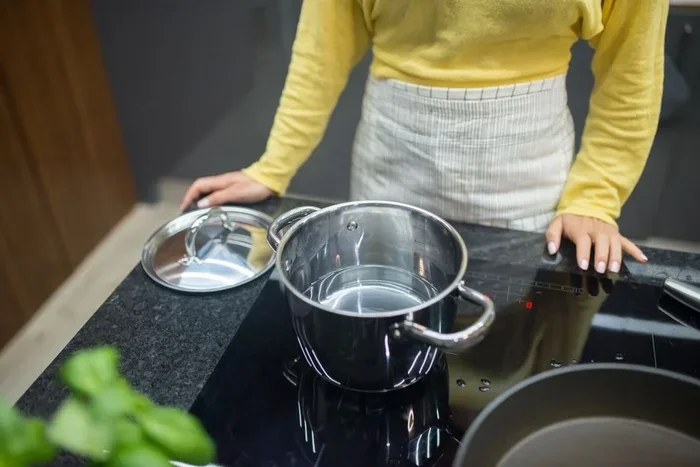
Aluminum pots alone do not work on an induction cooktop because induction relies on a magnetic field, and aluminum is non-magnetic. However, induction-compatible aluminum cookware with a ferromagnetic base can work perfectly. This guide explains how induction cooktops function, why standard aluminum fails, and what options you have for using aluminum-style cookware on your induction surface.
You just got a sleek new induction cooktop, and you are excited to cook. Then you look at your trusty aluminum pots and wonder — do they even work? This is a question many kitchen enthusiasts face. The short answer is not always. But don’t worry, we will walk you through everything you need to know about using aluminum pots on an induction cooktop.
Induction cooking has changed the way we prepare meals. It heats up fast, cools down quickly, and offers incredible control. But it also comes with specific cookware compatibility rules that can trip people up. Aluminum is one of the most common cookware materials in kitchens around the world. So it is only natural to ask whether your favorite aluminum pots and pans can join the induction party.
Key Takeaways
- Standard aluminum pots won’t work on induction cooktops because they lack magnetic properties needed to generate heat.
- Induction-ready aluminum cookware features a ferromagnetic disc bonded to the base, making it compatible with induction surfaces.
- Check for the induction symbol or use a magnet test to confirm if your aluminum pot is compatible.
- Stainless steel and cast iron are naturally induction-compatible alternatives if you want reliable performance.
- Using incompatible cookware on an induction cooktop will result in no heat generation and wasted energy.
- Aluminum cookware offers excellent heat conductivity, which is a major benefit when paired with the right base technology.
- Always verify compatibility before purchasing cookware to avoid frustration and unnecessary returns.
📑 Table of Contents
- How Induction Cooktops Actually Work
- Do Aluminum Pots Work On Induction Cooktops?
- How To Test If Your Aluminum Pot Is Induction-Compatible
- Benefits Of Using Aluminum Cookware On Induction
- Drawbacks And Things To Watch Out For
- Best Alternatives To Aluminum For Induction Cooking
- Tips For Using Aluminum Cookware On Induction
- Common Mistakes People Make With Aluminum And Induction
- Final Thoughts
How Induction Cooktops Actually Work
Understanding how induction cooktops function helps you see why not all cookware works. Unlike gas or electric stoves that generate heat directly, induction cooktops use electromagnetic fields to heat the cookware itself. Here is a simple breakdown of the process.
The Science Behind Induction Heating
An induction cooktop contains a coil of copper wire beneath the ceramic surface. When you turn it on and place a pot on it, electricity flows through the coil and creates a magnetic field. This magnetic field penetrates the bottom of the pot and induces small electrical currents inside the metal. These currents create resistance, which generates heat directly in the pot.
Here is the key part. The pot must be made of a ferromagnetic material. That means the metal must be magnetic. This is why standard aluminum fails on induction cooktops. Aluminum is not magnetic, so it cannot interact with the electromagnetic field.
Why Magnetism Matters
Think of it like a dance between the cooktop and the pot. The cooktop sends out a magnetic signal, and the pot needs to respond. If the pot is not magnetic, nothing happens. No heat. No cooking. You are just staring at a cold pot on a glowing surface.
This is why cast iron and magnetic stainless steel work so well on induction. They are naturally ferromagnetic. They respond to the magnetic field and convert it into heat almost instantly.
Do Aluminum Pots Work On Induction Cooktops?
The honest answer depends on the type of aluminum pot you have. Not all aluminum cookware is created equal when it comes to induction compatibility.
Standard Aluminum Cookware
Regular aluminum pots and pans are not compatible with induction cooktops. Pure aluminum does not contain enough magnetic properties to interact with the induction coil. If you place a standard aluminum pot on an induction burner, it will simply not heat up.
Some people think that if the induction surface glows or makes a humming sound, the pot is working. That is not the case. The cooktop may try to activate, but without a magnetic response, no heat transfers to the pot. You are wasting energy and getting nowhere.
Induction-Compatible Aluminum Cookware
Here is where things get interesting. Many manufacturers now make induction-ready aluminum cookware. These pots have a special layer bonded to the bottom. This layer is usually made of stainless steel or iron, which makes the pot magnetic.
So the pot still has all the benefits of aluminum — lightweight, excellent heat conductivity, and even heating — but it also works on induction. The base of these pots typically contains a ferromagnetic disc or a stainless steel plate that responds to the induction field.
When shopping for aluminum cookware sets, always look for the induction symbol on the packaging or the bottom of the pot. It usually looks like a coil of wire or a zigzag line with a circle around it.
How To Test If Your Aluminum Pot Is Induction-Compatible
Not sure if your existing aluminum pot will work? You do not need fancy equipment to find out. There are simple tests you can do at home.
The Magnet Test
This is the easiest and most reliable method. Grab a regular refrigerator magnet. Place it against the bottom of your aluminum pot. If the magnet sticks firmly, your pot is induction-compatible. If it does not stick or only sticks weakly, the pot will not work on an induction cooktop.
For pots with a bonded base, check the magnet on the very bottom. Sometimes the induction layer is only a thin disc inside the base, so make sure you test the center.
Check For The Induction Symbol
Most cookware brands include a symbol on the bottom of the pot or on the packaging. Look for the induction coil icon. If you see it, you are good to go. If the pot has no symbol and it is pure aluminum, assume it is not induction-compatible.
Contact The Manufacturer
If you are still unsure, check the brand website or contact customer service. They can tell you exactly which of their products are safe for induction cooking. This saves you from the hassle of buying the wrong pot.
Benefits Of Using Aluminum Cookware On Induction
If you find or buy induction-compatible aluminum pots, you get some great advantages. Aluminum is one of the best materials for heat response and distribution.
Excellent Heat Conductivity
Aluminum heats up very fast and spreads heat evenly across the cooking surface. This means fewer hot spots and more consistent cooking results. When paired with an induction cooktop, you get the best of both worlds — fast induction heating with even aluminum distribution.
Lightweight And Easy To Handle
Compared to cast iron or heavy stainless steel, aluminum pots are much lighter. This makes them easier to handle, especially when you are cooking for long periods or stirring heavy dishes. For people with wrist or arm issues, lightweight aluminum cookware can make a big difference in the kitchen.
Great Value For Money
Induction-compatible aluminum cookware is often more affordable than solid cast iron or high-end stainless steel sets. You get excellent performance without breaking the bank. Many quality pots and pans sets for induction are made with aluminum cores and induction-ready bases.
Fast Heating Response
Because aluminum conducts heat so efficiently, your pot reaches the desired temperature quickly. On an induction cooktop, this means you spend less time waiting and more time cooking. The combination of induction speed and aluminum responsiveness is truly impressive.
Drawbacks And Things To Watch Out For
While aluminum has many benefits, there are some downsides to consider too.
Reactive With Acidic Foods
Uncoated aluminum can react with acidic foods like tomatoes, lemon juice, and vinegar. This can affect the taste of your food and may cause discoloration. Look for non-stick aluminum cookware or anodized aluminum to avoid this problem.
Scratches And Wear Over Time
Aluminum is softer than other cookware materials. Over time, the surface can scratch and show wear. Using proper utensils and gentle cleaning methods helps extend the life of your aluminum pots.
Not All Aluminum Is Created Equal
Pure aluminum pots without any induction base will simply not work. Make sure any aluminum cookware you buy is specifically labeled as induction-compatible. If you are in the market for new pieces, consider checking out the best pots and pans set for induction cooktop to find top-rated options.
Best Alternatives To Aluminum For Induction Cooking
If your aluminum pots are not induction-compatible, you have several great alternatives. These materials work naturally with induction and deliver excellent cooking results.
Stainless Steel With An Induction Base
Stainless steel is one of the most popular choices for induction cooking. It is durable, non-reactive, and heats evenly when it has a thick base. Many quality stainless steel cookware sets are designed specifically for induction cooktops.
Cast Iron Cookware
Cast iron is naturally magnetic and works perfectly on induction. It retains heat beautifully and is ideal for searing, frying, and slow cooking. If you want a reliable option, check out the best cast iron skillet for induction cooktop for top recommendations.
Carbon Steel
Carbon steel is another great magnetic option. It is lighter than cast iron but still offers excellent heat retention. Many professional chefs prefer carbon steel for its versatility and performance on induction surfaces.
Enamel-Coated Cast Iron
This gives you the benefits of cast iron with a non-reactive, easy-to-clean surface. The enamel coating prevents rust and makes it suitable for cooking acidic foods without any metallic taste.
Tips For Using Aluminum Cookware On Induction
If you have induction-compatible aluminum pots, here are some tips to get the most out of them.
Use The Right Burner Size
Match the size of your pot to the induction burner. A small pot on a large burner wastes energy. A large pot on a small burner heats unevenly. Most induction cooktops have auto-size detection, but it still helps to use properly sized cookware.
Keep The Bottom Clean
The induction coil needs a clean, flat surface to work properly. Food residue or scratches on the bottom of your pot can reduce efficiency. Wipe the bottom of your pot before placing it on the cooktop.
Avoid Sliding The Pot
Sliding aluminum pots across the ceramic surface can cause scratches. Lift the pot when moving it. This protects both your cookware and the cooktop surface.
Use Low To Medium Heat
Because aluminum heats up so fast, you do not need high settings. Low to medium heat is usually enough for most cooking tasks. This also helps preserve the non-stick coating if your pot has one.
Hand Wash When Possible
While some aluminum cookware is dishwasher safe, hand washing extends the life of the pot. It prevents the finish from degrading and keeps the base in good condition for induction use.
Common Mistakes People Make With Aluminum And Induction
Avoid these common pitfalls to get the best results from your induction cooktop and aluminum cookware.
Assuming All Aluminum Works
This is the biggest mistake. Not all aluminum pots are induction-ready. Always verify before you buy or cook.
Ignoring The Flat Bottom Requirement
Induction cooktops need a flat bottom for proper contact with the surface. Warped pots will not heat evenly and may cause error messages on your cooktop. If your pot has a wobble, it is time to replace it.
Using Damaged Cookware
Pots with scratched or peeling bases may have compromised induction layers. If the base looks damaged, the pot may not work properly on induction.
Overheating Empty Pots
Never preheat an empty aluminum pot on high heat. Aluminum conducts heat so well that it can warp or damage the non-stick coating quickly. Always add oil or food before heating.
Final Thoughts
So, do aluminum pots work on an induction cooktop? The answer is it depends. Pure aluminum does not work because it lacks the magnetic properties induction requires. But induction-compatible aluminum cookware with a bonded ferromagnetic base works wonderfully. It gives you the lightweight, fast-heating benefits of aluminum with the convenience of induction cooking.
If you are ready to upgrade your cookware collection, make sure to check out the best non-stick cookware for induction cooktop for options that combine aluminum performance with induction compatibility. Also, take a look at the best pots and pans that don’t scratch to protect your induction cooktop surface for years to come.
Always test your pots before cooking. Use the magnet test, check for the induction symbol, and follow our tips for the best results. With the right cookware, your induction cooktop will deliver amazing meals every single time.
Aluminum cookware has a place in the induction kitchen. You just need to make sure it is the right kind. Now you know exactly what to look for, what to avoid, and how to get the most out of your setup. Happy cooking.
Frequently Asked Questions
Can I use pure aluminum pots on an induction cooktop?
No, pure aluminum pots will not work on an induction cooktop. Induction requires a ferromagnetic material to generate heat, and aluminum is not magnetic. You need induction-compatible aluminum cookware with a bonded ferromagnetic base.
How do I know if my aluminum pot is induction-ready?
Use the magnet test. Place a refrigerator magnet on the bottom of the pot. If it sticks firmly, the pot is induction-compatible. You can also look for the induction symbol on the packaging or the bottom of the pot.
Why does my induction cooktop not heat up when I place an aluminum pot on it?
This happens because standard aluminum is not magnetic. The induction cooktop generates a magnetic field that needs to interact with ferromagnetic material. Without that magnetic response, no heat is produced.
Is aluminum cookware safe for induction cooking?
Yes, as long as the aluminum cookware is specifically labeled as induction-compatible. These pots have a ferromagnetic layer bonded to the base that allows them to work with induction cooktops safely and effectively.
What is the best alternative to aluminum for induction cooking?
Cast iron and magnetic stainless steel are the most popular alternatives. They are naturally ferromagnetic and work perfectly on induction. Carbon steel and enamel-coated cast iron are also excellent options.
Can I use an induction converter disc with aluminum pots?
Yes, an induction converter disc can make standard aluminum pots work on an induction cooktop. The disc sits between the cooktop and the pot, converting the electromagnetic field into heat. However, this method is slower and less efficient than using purpose-built induction cookware.
=== CONCLUSION ===
Aluminum pots can work on your induction cooktop, but only if they are induction-compatible. Standard pure aluminum pots will not generate heat because they lack the magnetic properties induction demands. Always look for cookware with a ferromagnetic base or disc, and verify compatibility using the magnet test before cooking.
Induction-compatible aluminum cookware gives you the best of both worlds. You get the lightweight feel, fast heating, and even distribution that aluminum is known for, combined with the speed and efficiency of induction technology. Whether you are buying new pieces or testing what you already have, understanding compatibility makes all the difference.
Take the time to check your current pots, invest in quality induction-ready cookware, and enjoy the benefits of a modern, efficient kitchen. Your induction cooktop and your aluminum pots can work together beautifully — as long as you choose the right ones.