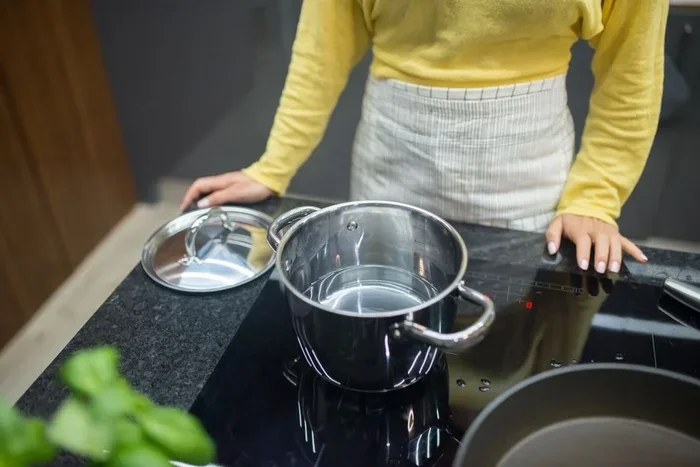
Getting marks off your induction cooktop is easier than you think. With the right tools and a few household items, you can restore your cooktop to a sparkling finish. This guide covers proven methods, prevention tips, and common mistakes to avoid.
Every cook knows the frustration of looking down at a stained induction cooktop after a meal. Those ugly marks seem to appear out of nowhere, whether from boiled-over pasta water or a pan that sat too long on high heat. The good news is that getting marks off your induction cooktop does not require expensive products or hours of scrubbing.
In this guide, we walk you through the simplest and most effective methods to remove stains from your induction hob. You will learn what causes these marks, which cleaning tools work best, and how to prevent them from coming back. Whether you deal with light residue or stubborn scorch marks, we have you covered.
If you also want to keep your cookware in top shape, check out our guide on the best non-stick cookware for induction cooktop to reduce future messes. And for general appliance care, see our tips on the best cloth to clean stainless steel appliances for maintaining a spotless kitchen.
Key Takeaways
- Daily cleaning prevents buildup: Wiping your cooktop after each use stops marks from setting in.
- Baking soda and vinegar work wonders: These safe, natural cleaners handle most stains without scratching.
- Avoid abrasive pads: Harsh scrubbers can damage the ceramic glass surface of your induction hob.
- Use the right tools: A microfiber cloth and non-abrasive cleaner are your best friends for cooktop care.
- Prevention is key: Using proper cookware and cleaning spills quickly keeps your cooktop looking new.
- Know when to call a pro: Stubborn burn marks may need a specialized induction cooktop cleaner.
📑 Table of Contents
Why Marks Appear on Induction Cooktops
Understanding what causes marks on your cooktop helps you prevent them in the first place. Induction cooktops use a ceramic glass surface that heats up through electromagnetic energy. This smooth surface is prone to showing marks more easily than traditional gas stovetops.
Common Causes of Marks
- Food boiling over: Sauces, starches, and sugars leave behind sticky residue that hardens into marks.
- High-heat cooking: Cooking at too high a temperature causes food to scorch and leave dark stains.
- Dirty pans: Pots and pans with oily bottoms transfer grease onto the cooktop surface.
- Lifting pans instead of sliding: Sliding heavy cookware across the glass surface creates scratches that trap dirt.
- Mineral deposits: Hard water and steam leave white marks that build up over time.
- Plastic or silicone mishaps: Accidentally melting plastic or silicone onto the surface creates stubborn bonded stains.
The ceramic glass on your induction hob is durable but not invincible. Knowing what damages it helps you treat it with care. Most marks are surface-level and come off with gentle cleaning. But if you let them sit for days or weeks, they bond more tightly to the glass.
What You Need to Clean Your Induction Cooktop
Before you start cleaning, gather your supplies. You do not need anything fancy. Most of the items you already have in your kitchen work perfectly for removing marks from your induction cooktop.
Essential Cleaning Supplies
- Microfiber cloth: This gentle fabric lifts dirt without scratching the glass surface.
- Baking soda: A natural mild abrasive that breaks down stains safely.
- White vinegar: Cuts through grease and dissolves mineral deposits with ease.
- Dish soap: A few drops in warm water handles everyday grime.
- Spray bottle: For mixing and applying your homemade cooktop cleaner.
- Plastic scraper: Helps lift dried, stuck-on food without scratching the surface.
- Non-abrasive sponge: Soft enough for daily use but tough enough to lift residue.
For tougher jobs, you might want a specialized induction cooktop cleaner. These products are designed specifically for ceramic glass surfaces and work better than general-purpose cleaners. Always check the label to make sure the product is safe for induction hobs.
If you are looking for a deep clean on other kitchen surfaces, our article on the best product to clean greasy kitchen cabinets might also come in handy for kitchen maintenance.
Step-by-Step Methods to Remove Marks
Here is where the real work happens. We share several methods ranked from easiest to most powerful. Start with the gentlest approach and move to stronger methods only if needed.
Method 1: The Quick Daily Wipe-Down
This is your go-to method for fresh, light marks. Do this after every cooking session while the cooktop is still warm but cool enough to touch.
- Dampen a microfiber cloth with warm water.
- Add one drop of dish soap and wring it out lightly.
- Wipe the entire cooktop surface in circular motions.
- Dry with a clean, dry microfiber cloth.
This simple routine takes less than two minutes and prevents most marks from ever becoming a problem. Think of it like brushing your teeth — a little effort every day saves you big trouble later.
Method 2: Baking Soda Paste for Stubborn Stains
When the quick wipe-down does not do the job, a baking soda paste works magic on stuck-on food and scorch marks.
- Mix three parts baking soda with one part water to form a thick paste.
- Spread the paste evenly over the stained areas.
- Let it sit for 10 to 15 minutes.
- Gently scrub in circular motions with a damp microfiber cloth.
- Rinse with clean water and dry thoroughly.
The mild abrasive in baking soda lifts marks without scratching the ceramic glass. This method works great on white marks from hard water and light burn stains. For best results, repeat the process if some marks remain after the first try.
Method 3: Vinegar and Baking Soda Combo
For tougher grease marks and baked-on residue, combine the power of vinegar and baking soda. The fizzing reaction helps lift dirt from the surface.
- Sprinkle a generous layer of baking soda over the cooktop.
- Spray white vinegar directly onto the baking soda.
- Let the mixture fizz and sit for 5 to 10 minutes.
- Wipe away the paste with a damp microfiber cloth.
- Rinse the surface with clean water and dry it completely.
This method is especially effective on grease buildup and oily residue from cooking. The vinegar cuts through the grease while the baking soda absorbs and lifts the stains. It is a powerful yet completely natural solution that costs almost nothing.
Method 4: Using a Cooktop Scraper for Heavy Burn Marks
For really tough burn marks that have baked on for days, a plastic scraper is your best tool. Never use metal scrapers or razor blades, as these will scratch and permanently damage the glass surface.
- Apply a thin layer of baking soda paste to the burnt area.
- Let it sit for 15 minutes to soften the stain.
- Hold the plastic scraper at a 30-degree angle to the surface.
- Gently scrape the mark away in slow, steady strokes.
- Wipe the area clean and repeat if needed.
This method takes a bit more patience, but it handles the worst marks effectively. The key is to let the paste soften the stain before scraping. Rushing the process can push the debris deeper into the surface.
To keep your induction cooktop running smoothly, also make sure your cookware is in good condition. Check out our guide on the best pots and pans set for induction cooktop to find cookware that distributes heat evenly and reduces mess.
Preventing Future Marks on Your Induction Cooktop
Cleaning is only half the battle. The real secret to a spotless induction cooktop is prevention. A few simple habits can save you from scrubbing stains ever again.
Daily Prevention Habits
- Wipe after every use: Even a quick dry wipe after cooking makes a huge difference.
- Use a drop of oil on the pan bottom: This reduces friction and prevents sliding marks.
- Lift pans, never slide them: Pick up your cookware when moving it across the surface.
- Clean spills immediately: The longer food sits, the harder it is to remove.
- Use properly sized cookware: Pans that match the burner size heat more evenly and reduce overflow.
Choosing the Right Cookware
Not all pots and pans work well on induction cooktops. Flat-bottomed cookware made of magnetic materials like cast iron or stainless steel works best. Warped or uneven pans create hot spots that cause food to burn and leave marks faster.
If you are unsure about your current cookware, look for the induction-compatible symbol on the bottom of each pan. Using the right cookware not only reduces marks but also improves cooking performance and energy efficiency.
Common Mistakes to Avoid When Cleaning
Even with the best intentions, people often make mistakes that damage their induction cooktops. Here are the top errors to steer clear of.
- Using steel wool or abrasive pads: These scratch the ceramic glass and make the surface look worse than before.
- Spraying cleaner directly on the cooktop: Liquid can seep into the edges and damage the electronics underneath.
- Cleaning a hot cooktop with cold water: The sudden temperature change can cause thermal shock and crack the glass.
- Using harsh chemical cleaners: Ammonia-based or bleach cleaners can dull and discolor the glass surface.
- Ignoring burnt plastic: Letting melted plastic sit makes it nearly impossible to remove without damaging the surface.
Always spray cleaner onto your cloth first, never directly on the cooktop. And if you are dealing with burnt plastic, let it cool completely before trying to remove it. Scraping hot plastic only pushes it deeper into the glass.
Expert Tips for a Spotless Induction Cooktop
Professional chefs and cleaning experts share a few extra tricks that take your cooktop cleaning to the next level.
Tip 1: Use Coffee Filters for Streak-Free Drying
After cleaning, dry your cooktop with a coffee filter instead of a cloth. Coffee filters are lint-free and leave behind a perfectly streak-free shine. They are cheap and available at any grocery store.
Tip 2: Try a Paste of Cream of Tartar
For white mineral marks, make a paste with cream of tartar and water. Apply it to the marks, let it sit for 10 minutes, and wipe clean. The mild acid in cream of tartar dissolves mineral deposits without any harsh chemicals.
Tip 3: Keep a Cooktop Cleaning Kit Handy
Store a small kit near your cooktop with a microfiber cloth, a spray bottle of vinegar-water solution, and a plastic scraper. Having everything in one place makes cleaning fast and effortless.
Tip 4: Deep Clean Monthly
Even with daily wiping, do a deep clean once a month. Apply a thick layer of baking soda paste, let it sit for 30 minutes, and wipe it away. This removes buildup that daily cleaning misses and keeps your cooktop looking brand new.
For long-lasting cookware that contributes to fewer messes on your cooktop, explore our guide on the best pots and pans to last a lifetime for investment pieces that perform well on induction surfaces.
Conclusion
Getting marks off your induction cooktop does not have to be a difficult chore. With the right methods and a little consistency, you can keep your cooktop looking like new every day. Start with the gentle daily wipe-down, move to baking soda paste for tougher stains, and use a plastic scraper for the most stubborn burn marks.
Remember that prevention is always easier than cleaning. Wipe your cooktop after each use, lift your pans instead of sliding them, and clean spills right away. These small habits save you from heavy cleaning sessions down the road.
Your induction cooktop is a valuable investment in your kitchen. Treat it well with the right cleaning routine, and it will serve you beautifully for years to come. Start today, and you will notice the difference immediately.
Frequently Asked Questions
Can I use a razor blade to clean marks off my induction cooktop?
No. Razor blades and metal scrapers will scratch and permanently damage the ceramic glass surface. Always use a plastic scraper designed for glass cooktops if you need to lift tough stains safely.
What is the best homemade cleaner for an induction cooktop?
A simple mixture of white vinegar and water in a spray bottle works great for everyday cleaning. For tougher marks, a baking soda paste provides gentle abrasion without scratching the surface.
How often should I deep clean my induction cooktop?
A monthly deep clean is ideal for most households. If you cook frequently or deal with a lot of spills, consider deep cleaning every two weeks to prevent buildup and keep your cooktop in top condition.
Why are there white marks on my induction cooktop?
White marks usually come from hard water mineral deposits or steam condensation. They are not permanent and respond well to a vinegar solution or a cream of tartar paste applied to the affected area.
Is it safe to use commercial cooktop cleaners on induction hobs?
Yes, as long as the product is specifically labeled safe for ceramic glass and induction cooktops. Avoid cleaners that contain bleach or ammonia, as these can damage the surface over time.
Can burnt food damage my induction cooktop permanently?
Generally no. Even heavy burn marks can be removed with patience and the right method. The ceramic glass is durable, but letting burnt residue sit for weeks without cleaning can make removal harder and potentially cause surface discoloration.