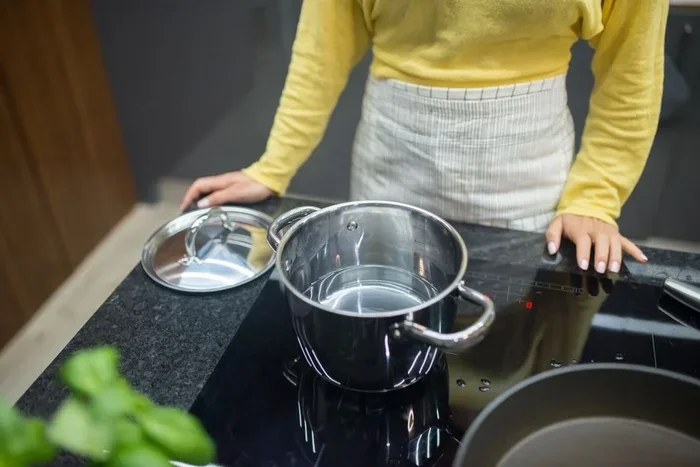
A dirty glass cooktop can make your kitchen look messy and feel overwhelming. Polishing your glass cooktop is easier than you think and brings back the original shine in minutes. You only need a few simple supplies like baking soda, white vinegar, and a soft cloth. This guide walks you through every step safely so your stovetop looks brand new again.
A glass cooktop can look stunning when it is clean and shiny. But over time, cooking spills, grease splatter, and burn marks can dull the surface fast. Many people think they need expensive products to fix this. The truth is, you can bring back the shine with items you already have at home.
Polishing a glass cooktop is not hard. It just takes a little patience and the right technique. Whether you have a glass ceramic cooktop or an electric glass stove, the steps are almost the same. This guide shows you exactly how to polish glass cooktop surfaces safely and effectively. You will learn simple methods that work every time.
Taking care of your cooktop also extends its life. A well-maintained glass surface heats evenly and looks beautiful. Plus, a clean stovetop makes cooking more enjoyable. Let us dive into the best ways to restore that factory-new shine.
Key Takeaways
- Baking soda and vinegar are your best friends: These two household items remove most cooktop grime without harsh chemicals.
- Always use a soft microfiber cloth: Rough materials can scratch the glass surface and cause permanent damage.
- Clean spills right after cooking: Quick cleanup prevents stubborn stains and burn marks from setting in.
- Avoid abrasive scrubbers: Steel wool and harsh pads ruin the smooth finish of your glass cooktop.
- Regular maintenance keeps shine longer: A quick wipe-down after each use makes deep cleaning much easier.
- Choose cookware wisely: The right pots and pans prevent scratches and keep your glass surface looking great.
📑 Table of Contents
Why Your Glass Cooktop Loses Its Shine
Understanding why your cooktop gets dull helps you prevent future damage. Several everyday cooking habits cause buildup on glass surfaces. Once you know the culprits, you can keep your stovetop looking great longer.
Common Causes of Dullness
Food spills that sit too long harden into stubborn stains. Sugar and starch-based spills are the worst offenders. They caramelize and bond to the glass surface. Grease and oil splatter also leave a filmy residue that dulls the shine.
Using the wrong cookware is another big factor. Rough-bottomed pots and pans create tiny scratches over time. These scratches scatter light and make the surface look cloudy. Burnt-on food from high-heat cooking adds dark marks that are hard to remove.
Even everyday cleaning mistakes can cause damage. Using abrasive scrubbers or harsh chemical cleaners strips the protective layer. This leaves the glass looking faded and worn. The good news is that most of these issues are fixable with the right approach.
What You Need Before You Start
Gathering your supplies first makes the polishing process smooth. You do not need anything fancy. Most items are already in your kitchen pantry.
Essential Supplies for Glass Cooktop Polish
- Baking soda – a gentle abrasive that lifts stains without scratching.
- White vinegar – cuts through grease and dissolves mineral deposits.
- Dish soap – breaks down food residue and oily buildup.
- Microfiber cloths – soft and lint-free, perfect for buffing without scratches.
- Spray bottle – for mixing and applying your cleaning solution.
- Razor scraper (cooktop-safe) – removes hardened burnt-on spots gently.
- Soft sponge – for gentle scrubbing without damaging the surface.
When choosing tools, always go for soft materials. A best cloth to clean stainless steel appliances works great on glass too because it is gentle and effective. Avoid paper towels for the final buffing step. They can leave tiny fibers behind and do not polish as well as microfiber.
Step-by-Step Guide to Polish Your Glass Cooktop
Now let us get into the actual process. Follow these steps in order for the best results. Each step builds on the one before it to bring back the shine.
Step 1: Cool Down the Cooktop Completely
Never polish a hot cooktop. Wait at least 30 minutes after your last use. The glass needs to be completely cool to the touch. Cleaning a warm surface can cause the cleaning solution to evaporate too fast. It also increases the risk of burns.
Once cool, remove any cookware and debris from the surface. A quick sweep with a dry cloth picks up loose crumbs and food particles. This prepares the surface for the deep cleaning step.
Step 2: Make a Simple Cleaning Paste
Mix three parts baking soda with one part water. Stir until you get a thick paste, similar to toothpaste consistency. The baking soda acts as a mild abrasive. It breaks down grime without scratching the glass.
For tough stains, you can add a small amount of white vinegar to the paste. The vinegar fizzes and helps lift baked-on food. This homemade cooktop cleaning solution works just as well as store-bought products. It is also safer for your family and the environment.
Step 3: Apply the Paste and Let It Sit
Spread the paste evenly across the cooktop surface. Focus on areas with heavy staining or burn marks. Use your fingers or a soft sponge to apply it in circular motions.
Let the paste sit for 10 to 15 minutes. This gives the baking soda time to break down the grime. For really stubborn spots, you can let it sit up to 30 minutes. The paste should not dry out completely. If it does, spritz a little water on top.
Step 4: Scrub Gently with a Microfiber Cloth
After the paste has sat, use a damp microfiber cloth to scrub the surface. Use gentle circular motions. Do not press too hard. Let the baking soda do the work for you.
For burnt-on spots that will not budge, use a cooktop-safe razor scraper. Hold the scraper at a 30-degree angle to the glass. Scrape slowly and steadily. This removes hardened residue without scratching the surface. Daily cooktop cleaning with this method prevents buildup from becoming a problem in the first place.
Step 5: Wipe Clean and Rinse
Wipe away all the paste with a clean damp cloth. Rinse the cloth frequently to avoid spreading grime back onto the surface. Go over the entire cooktop until no paste residue remains.
For a final rinse, spray a mix of equal parts water and white vinegar across the glass. This removes any remaining film and adds a streak-free shine. The vinegar also cuts through any lingering grease. Wipe dry with a fresh microfiber cloth.
Step 6: Buff to a High Shine
This is the step that makes the real difference. Take a dry microfiber cloth and buff the entire surface in circular motions. Apply light pressure and work in sections. You will see the glass start to reflect light again.
Keep buffing until the surface feels smooth and looks mirror-like. This polishing step removes any remaining haze or streaks. A well-buffed glass cooktop looks almost brand new. It also resists future sticking and staining better than an unpolished surface.
How to Remove Specific Stains and Marks
Some stains need extra attention. Here are quick fixes for the most common cooktop problems.
Burn Marks and Carbon Deposits
Burn marks look dark and crusty. They form when food overheats and sticks to the glass. Apply the baking soda paste directly to the burn marks. Let it sit for 20 minutes before scrubbing. For really tough carbon deposits, the razor scraper works wonders. Hold it flat against the glass and scrape gently.
Another option is to place a damp cloth soaked in vinegar over the burn mark. Let it sit for 15 minutes. The vinegar softens the burnt residue. Then apply the baking soda paste and scrub. This two-step approach handles even the worst burn marks.
Grease Film and Oily Streaks
Grease film makes the cooktop look cloudy and slick. White vinegar alone handles this well. Spray undiluted vinegar on the affected area. Let it sit for 5 minutes. Wipe with a microfiber cloth and buff dry.
For heavy grease buildup, add a drop of dish soap to the vinegar solution. This cuts through the oil more effectively. Rinse and dry thoroughly to avoid leaving a soapy film. Regular glass cooktop cleaning after each use prevents grease film from building up in the first place.
Water Spots and Mineral Deposits
Hard water leaves white spots on glass surfaces. These mineral deposits look chalky and dull. A mix of vinegar and water dissolves them quickly. Spray the solution on the spots and let it sit for 10 minutes.
Wipe clean and buff dry. For persistent mineral buildup, make a paste of baking soda and vinegar. Apply it to the spots and let it fizz. The fizzing action lifts the minerals from the glass. Rinse well and buff to a shine.
Prevention Tips to Keep Your Cooktop Shiny
Polishing is great, but prevention saves you time and effort. A few simple habits keep your glass cooktop looking great between deep cleans.
Clean After Every Use
Wipe down the cooktop after each cooking session. A quick pass with a damp microfiber cloth removes fresh spills before they harden. This takes less than two minutes and makes a huge difference. Glass cooktop maintenance is much easier than deep cleaning baked-on grime.
Use the Right Cookware
The cookware you choose matters more than you might think. Rough or warped pot bottoms scratch the glass surface. They also heat unevenly, causing more food to stick and burn. Choose pots and pans with smooth, flat bottoms made for glass surfaces.
If you are shopping for new cookware, check out a best pots and pans for glass cooktop guide. The right set protects your stovetop and cooks food better. Avoid cast iron with rough bottoms and cheap non-stick pans with damaged surfaces. These are the biggest culprits for glass cooktop scratches.
Use a Cooktop Protector
A silicone cooktop protector is a simple but effective tool. It sits between the cookware and the glass surface. It prevents scratches, absorbs heat evenly, and makes cleanup easier. These protectors are inexpensive and last for years.
You can also place a splatter guard while cooking. It catches oil splashes and food particles before they reach the glass. Less mess means less polishing work later. Small prevention steps add up to a big difference over time.
Avoid Harsh Chemicals
Many commercial cleaners contain abrasive chemicals that damage glass surfaces over time. Bleach, ammonia, and abrasive powders strip the protective coating. They leave the glass looking cloudy and faded. Stick to gentle, natural cleaners like baking soda and vinegar. They clean effectively without causing harm.
If you do use a store-bought product, look for one specifically designed for glass cooktops. Avoid all-purpose cleaners that are not formulated for glass surfaces. They often contain ingredients that leave residue or cause etching over time.
When to Call a Professional
Most cooktop issues are fixable at home. But some situations need professional help. Deep scratches that go through the glass cannot be polished out. Cracks or chips in the surface also require expert repair. If your cooktop has electrical problems, do not attempt to fix it yourself.
A professional can assess whether your cooktop needs resurfacing or replacement. They have access to industrial-grade polishing tools that can handle severe damage. For most households, though, the home methods in this guide work perfectly. Regular care and maintenance keep your cooktop in great shape for years.
Common Mistakes to Avoid When Polishing Glass Cooktops
Even with the best intentions, people make mistakes that cause more harm than good. Here are the pitfalls to watch out for.
- Using steel wool or rough scrubbers: These create permanent scratches that no amount of polishing can fix.
- Cleaning a hot cooktop: This causes rapid evaporation of cleaning solutions and can lead to streaking.
- Skipping the buffing step: Without buffing, your cooktop will still look hazy even after cleaning.
- Using too much water: Excess moisture can seep under the glass and damage the heating elements.
- Ignoring small spills: Small spills that harden into stains become much harder to remove later.
Avoiding these mistakes keeps your glass cooktop in excellent condition. Slow and steady wins the race when it comes to polishing.
Final Thoughts
Polishing your glass cooktop is a simple process that anyone can do at home. With just baking soda, vinegar, and a microfiber cloth, you can restore the shine and make your cooktop look like new again. The key is consistency. Regular cleaning and proper maintenance prevent buildup and keep the surface looking beautiful.
Remember to use the right cookware, clean up spills quickly, and avoid harsh chemicals. These small habits go a long way in preserving your glass surface. A little effort each week saves you from tough deep-cleaning sessions later. Your cooktop deserves the care, and the results will speak for themselves.
Now that you know exactly how to polish glass cooktop surfaces, it is time to put these tips into action. Grab your supplies and give your cooktop the shine it deserves. You will be amazed at how great it looks with just a little bit of effort.
Frequently Asked Questions
Can I use a commercial glass cleaner on my glass cooktop?
Yes, but only if the product is specifically designed for glass cooktops. Many regular glass cleaners contain ammonia or other chemicals that can damage the surface. Always check the label and avoid anything abrasive or harsh.
How often should I deep clean and polish my glass cooktop?
A deep clean and polish every two to four weeks works well for most households. If you cook frequently or make messy meals, you may need to do it more often. Daily quick wipes between deep cleans keep buildup under control.
Is it safe to use a razor scraper on a glass cooktop?
Yes, as long as you use a cooktop-safe razor scraper and hold it at the correct angle. Hold the scraper flat against the glass at about 30 degrees. This removes hardened residue without scratching the surface. Always use a gentle, steady motion.
What causes white spots on a glass cooktop?
White spots are usually mineral deposits from hard water or residue from cleaning products. They are not permanent and can be removed with a vinegar and water solution. Regular cleaning prevents these spots from building up over time.
Can I use lemon juice instead of vinegar to polish my cooktop?
Yes, lemon juice works as a natural alternative to vinegar. It contains citric acid that cuts through grease and dissolves mineral deposits. However, vinegar is more acidic and tends to work faster on tough stains. Both are effective for daily maintenance.
Will polishing remove scratches from my glass cooktop?
Polishing can reduce the appearance of light surface scratches. However, deep scratches that have cut through the glass cannot be removed by polishing alone. For deep damage, you may need professional repair or a cooktop replacement. Always use gentle methods to prevent new scratches from forming.