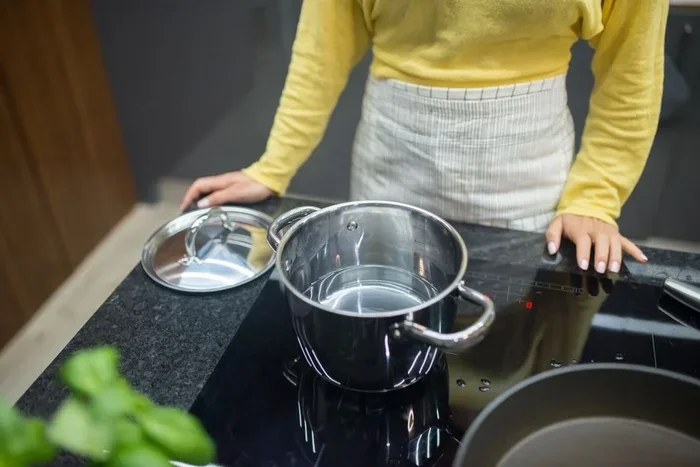
Learning how to care for induction cooktop surfaces is simple and fast. With the right cleaning routine, you can keep your cooktop looking brand new for years. This guide covers daily care, stain removal, scratch prevention, and expert tips that make maintenance a breeze.
You just spent good money on a sleek induction cooktop. It looks amazing, heats up fast, and makes cooking a joy. But here is the thing: induction cooktops need proper care to stay that way. Without the right induction cooktop cleaning routine, grease, stains, and scratches can build up fast. This guide shows you exactly how to care for induction cooktop surfaces and keep them looking brand new. You will learn simple daily habits, effective cleaning methods, and expert tricks that save you time and money.
Whether you just bought your first induction cooktop or have been using one for years, these tips will help. The glass surface of an induction cooktop is smooth and beautiful, but it shows every smudge and spill. The good news? Keeping it clean is easier than you think. A few minutes of care each day goes a long way. Let us dive into everything you need to know about induction cooktop maintenance.
Key Takeaways
- Daily cleaning keeps your cooktop pristine: Wipe it after every use with a soft cloth and mild cleaner.
- Use the right tools: Avoid abrasive pads that scratch the glass surface.
- Tackle stubborn stains early: Baking soda and vinegar work wonders on burnt-on residue.
- Prevent scratches before they happen: Lift pots instead of sliding them across the surface.
- Follow manufacturer guidelines: Always check care instructions for your specific model.
- Choose compatible cookware: Using the right pots and pans reduces damage and improves performance.
- Regular deep cleaning extends lifespan: A monthly maintenance routine prevents buildup and keeps heating elements working efficiently.
📑 Table of Contents
Why Induction Cooktops Need Special Care
Induction cooktops work differently from gas or electric stoves. They use magnetic fields to heat the cookware directly. The cooktop surface itself stays relatively cool, but it still gets dirty fast. Spills, splatters, and residue land on the glass-ceramic surface every time you cook. Without regular cooktop cleaning, these messes can harden and become much harder to remove.
The Glass Surface Is Sensitive
The smooth glass surface on an induction cooktop looks tough, but it can scratch easily. Fine particles, rough cookware bottoms, and harsh cleaning tools all cause damage over time. The surface also shows fingerprints, water spots, and grease streaks more than traditional stovetops. This is why a gentle but consistent clean induction cooktop routine matters so much.
Heat Distribution Affects Residue
Because induction cooktops heat cookware so efficiently, food spills can bake onto the surface quickly. Even though the cooktop does not get as hot as a gas burner, residual heat still cooks spills into stubborn stains. This makes cooktop maintenance essential right after you finish cooking.
Daily Cleaning Routine For Your Induction Cooktop
Building a simple daily habit is the best thing you can do for your cooktop. A few minutes of care after each meal keeps the surface sparkling and prevents buildup. Here is exactly what to do every time you finish cooking.
Step-by-Step Daily Cleaning
- Wait for the cooktop to cool down. Never wipe a hot surface. Let it cool to room temperature first. This prevents burns and protects the glass.
- Wipe with a damp microfiber cloth. A soft, damp cloth removes most fresh spills easily. Microfiber is gentle and does not leave scratches.
- Spray with a cooktop-safe cleaner. Use a cleaner designed specifically for glass cooktops. Spray it lightly onto the surface or onto the cloth first.
- Wipe in circular motions. Circular cleaning motions lift grease and grime without spreading it around. This is the best technique for a smooth cooktop finish.
- Dry with a clean, soft cloth. This prevents water spots and streaks. A dry cloth also gives the surface a nice shine.
Quick Tips For Everyday Care
- Keep a spray bottle of cooktop cleaner handy near your stove for quick access.
- Store a microfiber cloth right next to the cooktop so you always have one nearby.
- Wipe up spills immediately if they happen while cooking. Fresh spills are much easier to remove.
- Never use paper towels on a dirty cooktop. The tiny paper fibers can scratch the surface.
- Do a quick wipe-down even if you did not cook anything. Cooking grease and steam can settle on the surface throughout the day.
Following this simple routine takes less than five minutes. It is the single most effective way to maintain a clean induction cooktop every single day.
How To Remove Stubborn Stains And Residue
Sometimes, despite your best efforts, tough stains appear on your induction cooktop. Burnt sugar, hardened grease, and crusted food residue can feel impossible to remove. But do not worry. You do not need harsh chemicals or abrasive scrubbers. There are safe and effective methods that work beautifully.
Use Baking Soda Paste
Baking soda is a gentle but powerful cleaning agent. Mix three parts baking soda with one part water to form a thick paste. Spread it over the stubborn stain and let it sit for 15 to 20 minutes. The paste softens the residue without damaging the glass. Then wipe it away with a damp microfiber cloth using gentle circular motions.
Try White Vinegar For Grease
White vinegar cuts through grease naturally. Spray undiluted vinegar onto the greasy spot and let it sit for a few minutes. Then wipe it clean with a soft cloth. The acidity in vinegar breaks down grease without leaving any harmful residue. This method works great for cooktop residue removal on a weekly basis.
The Razor Blade Trick
For really stubborn, baked-on stains, a razor blade scraper can work wonders. Hold the blade at a 30-degree angle and gently scrape the stain off. This sounds scary, but when done correctly, it removes hardened residue without scratching the glass. Induction cooktop manufacturers actually recommend this method for tough spots.
Expert Insight: Always spray the cooktop with cleaner or dampen the area before scraping. A dry blade can create friction that leads to micro-scratches over time.
What Not To Use
- Steel wool or metal scrubbers. These will scratch the glass surface badly.
- Abrasive powdered cleaners. They contain harsh particles that damage the finish.
- Bleach or ammonia-based cleaners. These can discolor and weaken the glass over time.
- Paper towels on dry stains. The friction can grind food particles into the surface.
Preventing Scratches And Damage
Prevention is always better than cure. Taking a few simple steps protects your induction cooktop from scratches and long-term damage. These habits keep the surface smooth and beautiful for years.
Lift Pots And Pans Instead Of Sliding
This is the golden rule of induction cooktop care. Never drag cookware across the glass surface. The bottom of pots and pans can trap tiny food particles and grit. When you slide them, these particles act like sandpaper and create fine scratches. Always lift your cookware when moving it on the cooktop.
Choose The Right Cookware
Not all pots and pans work well on induction cooktops. Using the wrong cookware can cause damage and poor heating performance. Look for cookware labeled induction-compatible. Flat-bottomed pots and pans distribute heat evenly and prevent hot spots that can stress the cooktop surface.
For example, non-stick cookware for induction is an excellent choice because the smooth bottom glides easily and prevents scratching. Similarly, pots and pans sets designed for induction ensure you have the right cookware for every cooking task.
Use Cooktop Protectors When Needed
If you place items directly on the cooktop surface, use a protective mat or trivet. This is especially helpful when setting down hot pots or placing small kitchen tools. A protector prevents scratches and thermal shock that can crack the glass.
Handle Cookware With Care
- Check pot bottoms before cooking. Make sure there are no food particles or debris stuck to the bottom.
- Avoid dragging heavy pots. The weight combined with movement creates pressure points on the glass.
- Use cookware with smooth bottoms. Rough or warped bottoms scratch the surface more easily.
- Never place cast iron directly without checking for burrs or rough spots. Cast iron skillets for induction can work great, but their bottoms must be smooth and flat.
Troubleshooting Common Induction Cooktop Issues
Even with great care, induction cooktops can develop minor issues. Most problems are easy to fix at home without professional help. Here is how to handle the most common issues.
Cooktop Shows Error Codes
Error codes usually mean the cooktop detected a problem. A pot that is too small, a pan with a warped bottom, or an overheated surface can trigger error messages. Try removing the cookware, letting the cooktop cool, and restarting it. If the error persists, check your induction cooktop manual for specific troubleshooting steps.
Uneven Heating
If your cooktop heats unevenly, the problem is often the cookware. Make sure your pot or pan has a flat bottom that makes full contact with the surface. Also, check for food residue on the cooktop surface that might be blocking the magnetic field. A quick cooktop cleaning session usually fixes this issue.
Surface Stays Sticky After Cleaning
Sticky residue after cleaning usually means you left cleaner or grease behind. Wipe the surface again with a clean damp cloth, then dry it thoroughly. For stubborn stickiness, a paste of baking soda and water applied for 10 minutes usually does the trick.
Long-Term Maintenance Tips For Induction Cooktops
Daily care handles most of the work, but a deeper maintenance routine keeps your induction cooktop running at its best over the long haul. Think of this as a monthly or bi-weekly ritual.
Deep Clean The Burner Zones
Every few weeks, give each burner zone a thorough deep clean. Remove any cookware, spray the cooktop-safe cleaner generously, and let it sit for several minutes. Use a soft cloth or sponge to wipe away grime. For the edges and corners where grease builds up, a cotton swab dipped in vinegar works perfectly.
Check And Clean The Ventilation Areas
Induction cooktops have ventilation areas that can collect dust and grease over time. Use a dry, soft brush or a damp cloth to clean these areas gently. Good ventilation keeps the cooktop running cool and efficient.
Inspect The Power Cord And Plug
Safety matters. Periodically check the power cord for fraying, cracks, or damage. A damaged cord is a fire hazard and should be replaced immediately. Also make sure the plug fits snugly in the outlet without wiggling.
When To Call A Professional
Most induction cooktop maintenance tasks are simple and safe to do yourself. However, if you notice cracks in the glass, persistent error codes, or heating problems that do not go away, it is time to call a professional. Attempting to repair a cracked glass surface yourself can make things worse and void your warranty.
Expert Insight: Always register your cooktop warranty and keep your receipt. Many manufacturers cover glass surface damage within the first year or two of purchase.
Comparison: Daily Care Vs Deep Maintenance
| Task | Frequency | Time Required | Tools Needed |
|---|---|---|---|
| Wipe surface after cooking | After every use | 2-3 minutes | Microfiber cloth, cooktop cleaner |
| Remove stubborn stains | As needed | 10-15 minutes | Baking soda, vinegar, razor scraper |
| Deep clean burner zones | Every 2 weeks | 15-20 minutes | Cooktop cleaner, soft sponge, cotton swabs |
| Inspect cord and ventilation | Monthly | 5 minutes | Dry brush, damp cloth |
| Check cookware compatibility | When buying new pans | 2 minutes | Magnet test |
This simple table shows how little time induction cooktop maintenance really takes. A few minutes here and there keeps your cooktop in excellent condition.
Common Mistakes To Avoid
Even the best intentions can lead to mistakes. Here are the most common errors people make when caring for their induction cooktop and how to avoid them.
- Using the wrong cleaner. Always choose a cleaner made for glass cooktops. General-purpose cleaners may contain chemicals that damage the surface.
- Scrubbing too hard. Gentle pressure is all you need. Aggressive scrubbing creates micro-scratches that dull the surface over time.
- Ignoring small spills. Small spills that bake on become big problems. Wipe them up as soon as they cool.
- Using abrasive pads. Green scouring pads and rough sponges scratch the glass. Stick with soft microfiber cloths.
- Placing hot items on a wet surface. This can cause thermal shock, which may crack the glass. Always make sure the surface is dry before placing hot cookware on it.
Conclusion
Caring for your induction cooktop does not have to be complicated. A few simple habits make all the difference. Wipe it down after every use, use gentle cleaners, lift your cookware instead of sliding it, and do a deeper clean every couple of weeks. These small efforts keep your cooktop looking and performing like new for years to come.
The induction cooktop cleaning routine outlined in this guide is easy to follow and fits into any busy kitchen schedule. You do not need special tools or expensive products. A soft cloth, a cooktop-safe cleaner, and a little bit of consistency are all you need.
Remember, your cooktop is an investment. Taking care of it protects that investment and ensures you enjoy smooth, efficient cooking for a long time. Start today with the daily routine, and your induction cooktop will reward you with years of beautiful, reliable performance. A little care goes a long way, and your cooktop will stay looking amazing.
Frequently Asked Questions
How often should I clean my induction cooktop?
You should wipe your induction cooktop after every single use. A quick daily cleaning takes just a few minutes and prevents stains from building up. For a deeper clean, aim for every two weeks to keep the surface in top condition.
Can I use vinegar to clean my induction cooktop?
Yes, white vinegar is safe and effective for induction cooktop cleaning. It cuts through grease naturally and leaves no harmful residue. Just spray it on, let it sit for a few minutes, and wipe it clean with a soft cloth.
What type of cloth should I use to clean my cooktop?
Always use a soft microfiber cloth for cleaning your induction cooktop. Microfiber is gentle on the glass surface and does not leave scratches. Avoid paper towels, rough sponges, and any abrasive materials.
Will a razor blade scratch my induction cooktop?
When used correctly, a razor blade scraper does not scratch the glass. Hold it at a 30-degree angle and apply gentle pressure. Always dampen the surface first and use a scraper designed for glass cooktops. This is a safe and effective method for removing hardened residue.
Can I use regular dish soap to clean my induction cooktop?
Mild dish soap works for light cleaning on a smooth cooktop. However, for best results, use a cleaner specifically designed for glass cooktops. These cleaners are formulated to cut grease without leaving streaks or residue on the surface.
How do I know if my cookware is induction-compatible?
Place a magnet on the bottom of your pot or pan. If it sticks firmly, the cookware is induction-compatible. You can also check for an induction symbol on the bottom of the cookware. Using the right induction cookers and pots ensures efficient heating and protects your cooktop surface.
=== INTERNAL LINKS ===
- Best Non Stick Cookware For Induction Cooktop
- Best Pots And Pans Set For Induction Cooktop
- Best Cast Iron Skillet For Induction Cooktop 2
- Best Induction Cookers And Pots For Fast Heating