

Does coffee affect testosterone is a question many men ask. Research shows moderate caffeine intake may slightly boost testosterone, but too much can raise cortisol. Balance is key for optimal hormone health. Always consult a doctor for personalized advice.
Many people wonder about the link between their morning brew and their hormones. You might be asking yourself, does coffee affect testosterone? This is a common concern for men who want to stay healthy and strong. Coffee is one of the most popular drinks in the world. Millions of people start their day with a hot cup. But what does it do to your body?
Testosterone is a vital hormone for men. It helps build muscle and bone. It also affects your mood and energy levels. So, it makes sense to worry about what you eat and drink. Caffeine is the main active ingredient in coffee. It wakes you up and makes you feel alert. But it also interacts with your endocrine system. This system controls your hormones.
Some studies suggest caffeine might help testosterone. Other studies show it could hurt it. The truth is somewhere in the middle. It depends on how much you drink. It also depends on your own body. Let’s dig deeper into the science. We will look at what happens inside you. We will also talk about how to drink coffee wisely.
Key Takeaways
- Moderate coffee consumption may support healthy testosterone levels in men.
- Excessive caffeine can increase cortisol, which may negatively impact testosterone production.
- Timing matters when drinking coffee for hormone optimization.
- Individual genetics play a significant role in how coffee affects your hormones.
- Decaf coffee offers similar antioxidants without the caffeine-related hormone effects.
- Overall diet and lifestyle matter more than coffee alone for testosterone health.
- Consult a healthcare provider before making major dietary changes for hormone concerns.
📑 Table of Contents
- Understanding the Link Between Coffee and Testosterone
- What Research Says About Caffeine and Male Hormones
- Potential Benefits of Moderate Coffee Consumption
- Risks of Excessive Intake on Hormonal Balance
- Individual Factors That Influence the Outcome
- Practical Tips for Coffee Lovers Concerned About Testosterone
- Common Mistakes to Avoid
- Key Takeaways for Healthy Hormone Balance
Understanding the Link Between Coffee and Testosterone
Scientists have studied caffeine for many years. They want to know how it changes hormone levels. Testosterone is the main male sex hormone. It is also important for women, but in smaller amounts. When people ask does coffee affect testosterone, they usually mean men. Men want to keep their levels high. Low testosterone can cause fatigue and low libido.
Caffeine stimulates the central nervous system. This gives you energy. But it also triggers stress responses. Your body releases cortisol when you are stressed. Cortisol is known as the stress hormone. High cortisol levels can lower testosterone. This is the main worry for coffee drinkers. If you drink too much, your cortisol might go up.
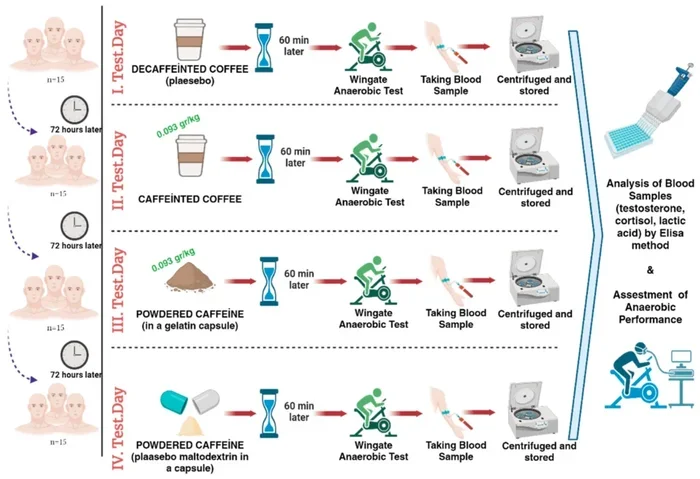
However, moderate amounts might be okay. Some research shows a small boost in testosterone. This happens during exercise. Caffeine can improve physical performance. Better workouts can lead to better hormone balance. So, the context matters a lot. Are you drinking coffee to relax? Or are you drinking it to train harder?
The Role of Caffeine in Hormone Regulation
Caffeine blocks adenosine receptors in the brain. Adenosine makes you feel tired. By blocking it, caffeine keeps you awake. This stimulation also affects other systems. It can increase adrenaline. Adrenaline is another stress hormone. This chain reaction is why people feel jittery. Too much jitteriness means too much stress.
Your adrenal glands produce these hormones. They sit on top of your kidneys. When they work too hard, it is called adrenal fatigue. Some experts believe this can lower testosterone. But this theory is still debated. What is clear is that balance is crucial. You do not want to overstimulate your glands.
Antioxidants in coffee also play a role. Coffee beans contain polyphenols. These are good for your health. They fight oxidative stress. Oxidative stress can damage cells. This includes the cells that make testosterone. So, coffee might actually protect your hormone production. It depends on the type of coffee too.
What Research Says About Caffeine and Male Hormones
Many studies have looked at this topic. Some show no change in testosterone. Others show a slight increase. A study might look at athletes. They often use caffeine for performance. Their testosterone levels might rise after a workout. But was it the coffee or the exercise? It is hard to tell sometimes.

Visual guide about coffee beans and testosterone
Image source: i.ytimg.com
Other studies look at sedentary men. They drink coffee without exercising. The results are mixed here. Some men see no change. Others see a slight drop in free testosterone. Free testosterone is the kind your body can use. Total testosterone includes what is bound to proteins. Both matter for your health.
Age is another factor. Younger men might react differently than older men. Metabolism slows down as we age. This changes how you process caffeine. Older men might feel the effects more strongly. They might also have lower baseline testosterone. So, the impact of coffee could be different.
Acute vs. Chronic Consumption Effects
There is a difference between one cup and many cups. Acute consumption means drinking it once. Chronic consumption means drinking it every day. One cup might give a temporary boost. This is due to the adrenaline rush. But daily heavy drinking might lead to tolerance. Your body gets used to the caffeine.
When you build tolerance, you need more to feel the same. This can lead to drinking more coffee. More coffee means more cortisol risk. This is where the problem starts. Chronic high intake is the real concern. Moderate daily intake is usually safe. Most experts say one to three cups is fine.
Timing is also part of chronic use. Drinking coffee late in the day affects sleep. Poor sleep lowers testosterone. So, even if coffee helps during the day, it might hurt at night. You need to protect your sleep quality. Good sleep is essential for hormone production. Most testosterone is made while you sleep.
Potential Benefits of Moderate Coffee Consumption
There are good reasons to drink coffee. It is not just about testosterone. Coffee has many health benefits. It is rich in antioxidants. These protect your cells from damage. This supports overall health. Healthy bodies make better hormones.

Visual guide about coffee beans and testosterone
Image source: climatechange2013.org
Coffee can also help with fat loss. Caffeine boosts your metabolism. It helps you burn more calories. Lower body fat is linked to higher testosterone. Excess fat can convert testosterone into estrogen. So, keeping weight in check is important. Coffee can be a tool for weight management.
Mental focus is another benefit. Caffeine improves concentration. This helps you work better. Less stress at work means lower cortisol. So, coffee might help indirectly. It helps you manage your day. Better stress management supports hormone health.
Exercise Performance and Hormone Support
Many athletes drink coffee before training. It gives them energy and focus. This leads to harder workouts. Harder workouts stimulate testosterone production. This is a positive cycle. You drink coffee, you train hard, you build muscle. Muscle mass supports healthy testosterone levels.
However, you should not rely on coffee alone. Training and diet are more important. Coffee is just a helper. It should not replace good habits. If you use coffee to push through exhaustion, that is bad. Rest is when your body grows. Do not skip rest just because you had caffeine.
Hydration is key when drinking coffee. Caffeine is a mild diuretic. It makes you pee more. Dehydration can hurt performance. It can also stress your body. Make sure you drink water too. Water is essential for all bodily functions. This includes making hormones.
Risks of Excessive Intake on Hormonal Balance
Too much of anything is bad. This applies to coffee too. High caffeine intake raises cortisol levels. As we said, cortisol competes with testosterone. When cortisol is high, testosterone often drops. This is the main risk for men. You want to keep cortisol in check.
Visual guide about coffee beans and testosterone
Image source: brinkzone.com
Sleep disruption is a major risk. Caffeine stays in your system for hours. If you drink it late, you might not sleep well. Poor sleep reduces testosterone production. You need deep sleep for hormone release. Even one bad night can affect your levels. Chronic sleep loss is very harmful.
Anxiety is another side effect. Too much caffeine makes some people anxious. Anxiety is a form of stress. Stress raises cortisol. So, if coffee makes you anxious, it might hurt your hormones. Listen to your body. If you feel jittery, cut back.
Impact on Sleep and Cortisol Levels
Your cortisol follows a daily rhythm. It is high in the morning. It should be low at night. Coffee can disrupt this rhythm. If you drink it late, cortisol stays high. This prevents you from relaxing. It also prevents you from sleeping deeply.
Sleep is when your body repairs itself. This includes hormone production. Testosterone is produced mostly during REM sleep. If coffee cuts your REM sleep, you lose out. You might feel tired the next day. Then you drink more coffee. This creates a vicious cycle.
To avoid this, stop drinking coffee early. Try to stop by 2 PM. This gives your body time to clear the caffeine. Everyone metabolizes caffeine differently. Some people need to stop even earlier. Pay attention to how you sleep. If you wake up tired, adjust your timing.
Individual Factors That Influence the Outcome
Not everyone reacts the same way. Genetics play a huge role. Some people break down caffeine fast. Others break it down slowly. Slow metabolizers feel effects longer. They are at higher risk for sleep issues. This affects their testosterone more.
Overall health matters too. If you have high stress already, coffee might add to it. If you are relaxed, coffee might be fine. Your diet also matters. Eating well supports hormone health. Coffee cannot fix a bad diet. You need enough vitamins and minerals.
Age and weight are factors as well. Heavier people might need more caffeine to feel effects. But they also have more volume to distribute it. Older adults are more sensitive. They should be more careful with intake.
Lifestyle and Stress Management
Your lifestyle determines how coffee affects you. If you are sedentary, coffee might just make you anxious. If you are active, it might help you perform. Stress management is key. If you are stressed, limit caffeine. If you are calm, moderate caffeine is likely safe.
Exercise is a great way to manage stress. It lowers cortisol naturally. It also boosts testosterone. Combining exercise with moderate coffee can be powerful. But do not overtrain. Overtraining raises cortisol too. Balance is everything in life.
Diet plays a big role too. Eat plenty of healthy fats. Fats are needed to make testosterone. Eat enough protein. Protein supports muscle growth. Avoid too much sugar. Sugar spikes insulin and can lower testosterone. Coffee is just one part of the puzzle.
Practical Tips for Coffee Lovers Concerned About Testosterone
You do not need to quit coffee. You just need to be smart about it. Here are some tips to help you. These steps can protect your hormone health. You can still enjoy your morning cup. Just follow some guidelines.
First, limit your daily intake. Stick to one or two cups. This is usually safe for most men. Avoid drinking large amounts in one go. Sip your coffee slowly. This prevents big spikes in caffeine.
Second, watch the timing. Do not drink coffee after lunch. This protects your sleep. Good sleep is crucial for testosterone. If you need energy later, try water or a walk. Do not use caffeine to fix fatigue.
- Limit intake to 1-2 cups per day.
- Stop drinking coffee by early afternoon.
- Choose black coffee or low-sugar options.
- Stay hydrated with water throughout the day.
- Monitor how you feel and sleep.
Choosing the Right Type of Coffee
Not all coffee is the same. Organic coffee is better for you. It has fewer pesticides. Pesticides can disrupt hormones. So, buying organic is a good choice. It costs more but is worth it.
Avoid loading your coffee with sugar. Sugar is bad for hormones. It causes insulin spikes. Insulin can lower testosterone. Use a little milk if you need creaminess. Or try unsweetened almond milk. Keep it simple and clean.
Decaf is an option too. If you love the taste but worry about caffeine, try decaf. It still has antioxidants. It does not have the caffeine effects. This is a good compromise. You get the ritual without the stimulation.
Common Mistakes to Avoid
Many people make mistakes with coffee. One mistake is drinking too much. They think more is better. It is not. More caffeine means more stress. This can hurt your hormones. Stick to moderate amounts.
Another mistake is drinking it too late. This ruins sleep. Sleep is when testosterone is made. If you ruin sleep, you ruin hormone production. Set a cutoff time for yourself. Stick to it every day.
Ignoring other lifestyle factors is a big mistake. You cannot out-coffee a bad diet. You cannot out-coffee bad sleep. Focus on the basics first. Eat well, sleep well, and exercise. Then use coffee as a tool.
Expert Insights on Hormone Health
Experts agree that balance is key. They do not say coffee is evil. They say moderation is safe. Most men do not need to worry. If you have healthy habits, coffee is fine. If you have hormone issues, talk to a doctor.
Doctors can test your levels. They can tell you if coffee is a problem. They might suggest changes. Always listen to professional advice. Do not rely on internet rumors. Your health is unique to you.
Stress management is often overlooked. Experts say lowering stress helps testosterone. Coffee can be part of stress if overused. But it can also help you manage work. It depends on how you use it. Use it to enhance life, not cope with stress.
Key Takeaways for Healthy Hormone Balance
To sum it up, does coffee affect testosterone? Yes, but it depends. Moderate drinking is likely safe. It might even help with exercise. But too much can raise cortisol. This can lower testosterone. Sleep is also a major factor.
Focus on your overall lifestyle. Eat good food and sleep well. Exercise regularly. These things matter more than coffee. Coffee is just a small piece. Enjoy your cup without worry. Just keep it reasonable.
Listen to your body. If you feel stressed or tired, cut back. If you feel good, keep going. Everyone is different. Find what works for you. Your health is worth the effort. Make smart choices for your hormones.
Frequently Asked Questions
Does caffeine increase testosterone levels?
Some studies suggest moderate caffeine may slightly boost testosterone during exercise. However, excessive intake can raise cortisol, which may lower testosterone levels over time.
How many cups of coffee are safe for hormone health?
Most experts recommend limiting coffee to one or two cups per day. This amount is generally safe for testosterone levels. Avoid drinking more than this to prevent high cortisol.
Can coffee consumption lower testosterone in men?
High amounts of caffeine might lower testosterone by increasing stress hormones. Poor sleep from late coffee consumption also reduces testosterone production. Moderation is key to avoiding this.
Does decaf coffee affect testosterone differently?
Decaf coffee has minimal caffeine, so it does not trigger the same stress response. It still offers antioxidants without the risk of raising cortisol. It is a safer choice for sensitive individuals.
What is the best time to drink coffee for hormone balance?
The best time is early in the morning or before a workout. Avoid drinking coffee after 2 PM to protect your sleep quality. Good sleep is essential for healthy testosterone levels.
Should I stop drinking coffee if I have low testosterone?
You do not need to stop completely unless advised by a doctor. Focus on reducing stress and improving sleep first. Moderate coffee intake is usually acceptable for men with low testosterone.



