
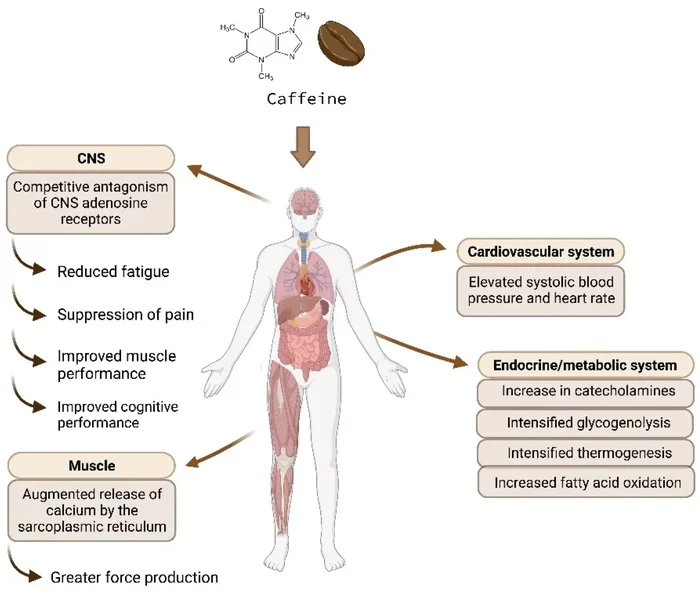
Coffee is one of the most popular drinks in the world. Many people wonder if coffee boost your metabolism and help with weight loss. The answer is yes, but the effects are modest. Caffeine can increase metabolic rate and help burn fat. However, it is not a magic solution for weight management.
Many people start their day with a hot cup of joe. It wakes you up and tastes great. But does it help your body burn energy? This is a common question for anyone trying to lose weight. We all want easy ways to manage our health. Coffee is a popular choice for this reason.
The truth is a bit complex. Caffeine is the main active ingredient. It stimulates your nervous system. This sends signals to your fat cells. They break down body fat. This process releases fatty acids into your blood. Your body then uses this fat for fuel. This can give your metabolism a small bump.
However, the effect is not huge. You cannot rely on coffee alone. It works best as part of a healthy lifestyle. In this article, we will explore the science. We will look at how it affects weight loss. We will also discuss the best ways to drink it. Let us dive into the details.
Key Takeaways
- Caffeine increases metabolic rate: Drinking coffee can temporarily raise your metabolism by 3-11%.
- Fat burning is enhanced: Caffeine helps release fatty acids from fat tissues for energy.
- Effects vary by person: Genetics and tolerance play a big role in how your body responds.
- Not a magic solution: Coffee works best alongside a healthy diet and exercise.
- Timing matters: Drinking coffee before workouts may improve performance and calorie burn.
- Avoid high-calorie add-ins: Sugar and cream can negate the weight loss benefits.
- Moderation is key: Too much caffeine can cause jitters and sleep issues.
📑 Table of Contents
How Caffeine Affects Your Metabolic Rate
Your metabolic rate is the speed at which you burn calories. Even when you rest, your body uses energy. This is called resting metabolic rate. Caffeine can influence this number. Studies show it can increase it by 3 to 11 percent. This sounds good, but context matters.
Short-Term Boost
The boost is usually short-term. It happens shortly after you drink coffee. The effect fades as your body processes the caffeine. Regular drinkers might feel less of a boost. Your body builds a tolerance over time. This means you need more to get the same result.
Long-Term Impact
Long-term effects are less clear. Some people maintain the benefit. Others see it disappear. Your genetics play a role here. Some bodies process caffeine faster than others. This changes how long the metabolic boost lasts. It is not a permanent change to your biology.
Coffee and Fat Burning Potential
Burning calories is one thing. Burning fat is another. Coffee helps with both. It increases thermogenesis. This is the production of heat in your body. Heat production requires energy. That energy comes from calories and fat stores.
Visual guide about fresh coffee beans metabolism
Image source: miro.medium.com
Mobilizing Fatty Acids
Caffeine stimulates the central nervous system. It signals fat cells to break down fat. This releases fatty acids into your bloodstream. Your muscles can then use these acids for fuel. This is especially true during exercise. It makes your workout more effective.
Appetite Suppression
Some people feel less hungry after drinking coffee. This can help reduce calorie intake. Less hunger means fewer snacks. Fewer snacks mean a lower calorie count. This supports your weight loss goals. However, this effect varies widely. Some people feel more hungry instead.
The Role of Exercise and Performance
Exercise is crucial for weight management. Coffee can make exercise better. It improves physical performance. You might lift heavier weights. You might run longer distances. This leads to more calories burned overall.
Visual guide about fresh coffee beans metabolism
Image source: helenacoffee.vn
Pre-Workout Benefits
Drinking coffee before a workout is common. It increases adrenaline levels. Adrenaline prepares your body for action. It gives you more energy. You feel less tired during the session. This allows you to push harder.
Endurance and Strength
Studies show caffeine helps endurance. It reduces the perception of effort. A hard run feels easier. This helps you train longer. It also helps with strength training. You may complete more reps. More work means more calorie burn.
Potential Downsides and Side Effects
Coffee is not perfect for everyone. There are downsides to consider. Too much caffeine causes problems. You might feel anxious or jittery. Your heart rate might increase. These side effects can be uncomfortable.
Visual guide about fresh coffee beans metabolism
Image source: cdn.shopify.com
Sleep Disruption
Sleep is vital for metabolism. Poor sleep hurts weight loss efforts. Caffeine can keep you awake. If you drink coffee late in the day, it affects sleep quality. Less sleep means more hunger hormones. This can lead to weight gain.
Stress and Cortisol
Stress affects your body. Caffeine can increase cortisol levels. Cortisol is the stress hormone. High cortisol can lead to fat storage. This is especially true around the belly. Balance is important here. Do not overdo your caffeine intake.
How to Drink Coffee for Metabolism Benefits
You want the benefits without the downsides. How do you do this? It starts with what you put in the cup. Black coffee is best for weight loss. Adding sugar adds calories. Adding cream adds fat. These can cancel out the benefits.
Choose the Right Type
Regular coffee works well. Decaf has less caffeine. It offers fewer metabolic benefits. Espresso is concentrated. It has more caffeine per ounce. Cold brew is also popular. It often has high caffeine content too.
Timing Your Intake
Morning is a good time. It aligns with your natural rhythm. Avoid drinking it too late. Stop by early afternoon. This protects your sleep. Drink it before exercise for performance. This maximizes the calorie burn.
Watch Your Tolerance
Listen to your body. If you feel anxious, cut back. If you sleep poorly, drink less. Your tolerance changes. Take breaks from caffeine sometimes. This resets your sensitivity. You get better results when you restart.
Coffee vs. Other Metabolism Boosters
Coffee is not the only option. There are other ways to boost metabolism. Some supplements claim to do this. Many are not proven. Coffee is natural and safe for most. But it is not the strongest tool.
Comparison with Green Tea
Green tea also contains caffeine. It has catechins too. Catechins may help burn fat. Some studies say green tea is better. Others say coffee is similar. Both are good choices. It depends on your taste preference.
Food and Activity
Protein-rich foods boost metabolism. Your body uses more energy to digest protein. Building muscle helps too. Muscle burns more calories at rest. Exercise is the most effective booster. Coffee is just a helper. It supports your hard work.
Expert Insights on Caffeine and Weight Management
Experts agree on a few things. Coffee is not a magic pill. It helps slightly. It should not replace healthy habits. A balanced diet is more important. Exercise is more important. Coffee is just a small edge.
Realistic Expectations
Do not expect huge weight loss. The effect is modest. Maybe a few extra calories burned. Over time, this adds up. But it is not dramatic. Patience is required. Consistency matters more than speed.
Individual Differences
Everyone is different. Some people burn more fat. Others see no change. Your genetics matter. Your lifestyle matters. Do not compare yourself to others. Focus on your own progress. Use coffee as a tool, not a solution.
Conclusion
So, does coffee boost your metabolism? Yes, it does. But the effect is temporary and modest. Caffeine helps release fatty acids. It increases your metabolic rate slightly. It can improve exercise performance too. These factors support weight loss.
However, coffee is not a miracle cure. You must combine it with healthy habits. Eat well and move your body. Avoid high-calorie additives. Watch your caffeine intake to protect sleep. Use coffee wisely to support your goals. It is a helpful friend on your journey.
Frequently Asked Questions
Does decaf coffee boost metabolism?
Decaf coffee has much less caffeine. Since caffeine drives the metabolic boost, decaf offers less benefit. It still contains antioxidants though. It is a good option if you are sensitive to caffeine.
How much coffee should I drink for weight loss?
Moderation is key. One to three cups a day is usually safe. Too much caffeine causes side effects. Listen to your body. More is not always better for weight management.
Does coffee burn belly fat specifically?
No drink targets belly fat specifically. Coffee helps overall fat burning. Spot reduction is a myth. You need overall calorie burn and a healthy diet to lose belly fat.
Can coffee suppress appetite effectively?
It can for some people. The effect is usually short-term. It might reduce hunger for an hour or two. Do not rely on it solely for appetite control.
Is it better to drink coffee before or after exercise?
Before exercise is generally better. It improves performance and energy. This leads to a higher calorie burn. After exercise, focus on hydration and protein instead.
What are the risks of too much caffeine?
Too much caffeine causes anxiety and jitters. It can disrupt sleep patterns. Poor sleep hurts metabolism. It may also increase cortisol levels. Stick to moderate amounts for safety.



