Does coffee cause gastritis? The answer is not a simple yes or no. For many people, coffee can irritate the stomach lining and worsen existing inflammation. However, it rarely causes the condition on its own. If you suffer from stomach pain, understanding your personal triggers is key. You do not always need to quit your favorite drink. Small changes in how you brew and drink coffee can make a big difference.
This is a comprehensive guide about Does Coffee Cause Gastritis.

Visual guide about coffee and stomach gastritis
Image source: i.ytimg.com
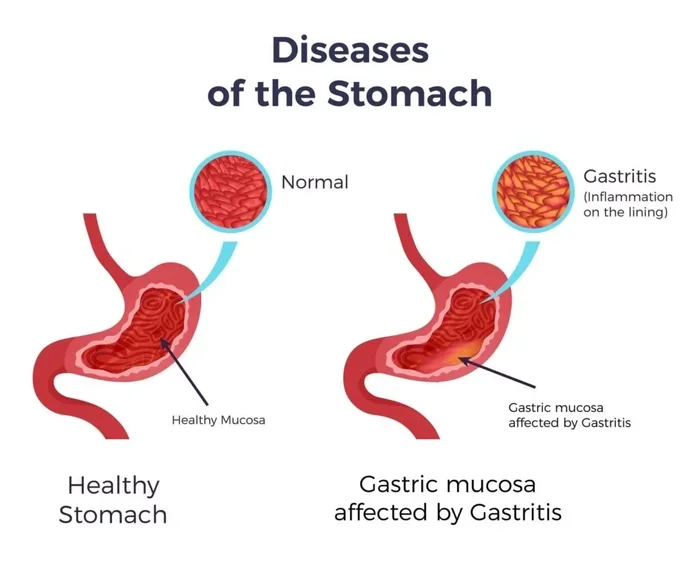
Visual guide about coffee and stomach gastritis
Image source: ibsguthealthclinic.co.uk
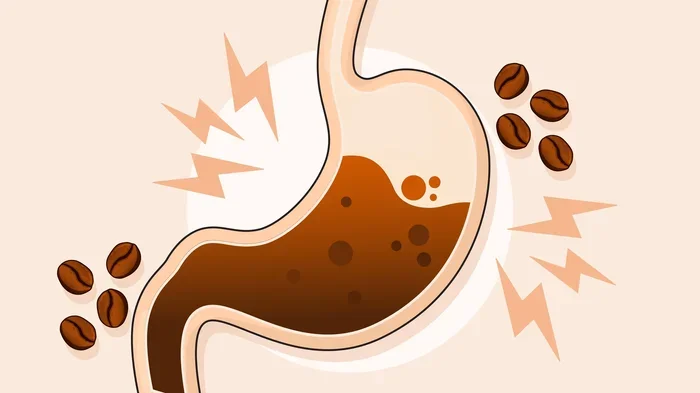
Visual guide about coffee and stomach gastritis
Image source: cdn.shopify.com
Key Takeaways
- Coffee can irritate the stomach: It increases acid production, which may worsen gastritis symptoms.
- It is rarely the sole cause: H. pylori bacteria and painkillers are more common causes of gastritis.
- Brewing method matters: Cold brew is less acidic and often easier on the stomach than hot coffee.
- Empty stomach risks: Drinking coffee without food can increase irritation for sensitive individuals.
- Decaf is not risk-free: Decaffeinated coffee still contains acids that may bother some people.
- Listen to your body: If you feel pain after drinking coffee, reduce intake or try different beans.
- Consult a doctor: Persistent stomach pain needs professional medical advice, not just diet changes.
[FEATURED_IMAGE_PLACEHOLDER]
Does Coffee Cause Gastritis? Understanding the Link
Many people love starting their day with a hot cup of coffee. It wakes you up and tastes great. But some people feel pain or burning in their stomach after drinking it. This leads to a common question. Does coffee cause gastritis? Gastritis is when the lining of your stomach gets inflamed. It can be painful and uncomfortable.
The relationship between coffee and stomach health is complex. Coffee contains several compounds. Some of these compounds stimulate acid. Others might irritate the lining. But irritation is not the same as causing a disease. Most experts agree that coffee alone does not create gastritis. However, it can make an existing condition much worse. If your stomach is already sensitive, coffee might be a trigger.
It is important to look at your whole lifestyle. Do you take painkillers often? Have you been stressed lately? Do you drink alcohol? These factors matter too. Coffee is often just one piece of the puzzle. If you worry about your stomach, you should look at all your habits. This article will help you understand the risks. We will also look at how to drink coffee safely.
How Coffee Affects Your Stomach Lining
Coffee is a complex drink. It has caffeine, acids, and oils. Each of these affects your digestive system differently. When you drink coffee, your stomach responds. It might produce more gastric acid. This acid helps digest food. But too much acid can hurt the lining.
The main culprit is often acidity. Coffee is naturally acidic. This means it has a low pH level. For some people, this acidity is fine. For others, it feels like burning. The acid can weaken the protective mucus layer in your stomach. When this layer gets weak, the acid touches the sensitive tissue. This causes inflammation and pain.
Caffeine also plays a role. It stimulates the muscles in your digestive tract. This can speed up digestion. Some people like this effect. Others find it causes cramping or urgency. Caffeine also signals the stomach to release more acid. So, a strong caffeinated brew might be harder to handle than a mild one.
There are other compounds too. Coffee contains N-alkanoyl-5-hydroxytryptamides. These substances can irritate the stomach lining. They contribute to the secretion of acid. So, it is not just the caffeine causing issues. The blend of chemicals in coffee creates the reaction.
However, your stomach is tough. It handles acid every day to digest food. The problem arises when the balance is off. If you have a healthy stomach, coffee is usually safe. If you have damage or sensitivity, coffee acts like fuel on a fire. It does not start the fire, but it makes the flames grow.
The Role of Acidity in Coffee
Not all coffee has the same acidity. Some beans are naturally more acidic. The region where the bean grows matters. Beans from Africa often taste brighter and more acidic. Beans from Brazil might taste nuttier and less acidic. The roast level changes things too. Dark roasts often have less acid than light roasts. The roasting process breaks down some of the acidic compounds.
Brewing method changes acidity as well. Hot water extracts more acid from the grounds. Cold water extracts less acid. This is why cold brew coffee is popular for sensitive stomachs. It tastes smoother and feels gentler. If you love coffee but hate the burn, try changing your brew.
Common Causes of Gastritis You Should Know
While does coffee cause gastritis is a common search, it is not the top cause. Doctors look for other reasons first. Understanding the real causes helps you manage your health better. You might blame coffee when something else is the problem.
One of the most common causes is bacteria. A bug called Helicobacter pylori lives in the stomach. It is very common worldwide. For many, it causes no issues. For others, it causes ulcers and inflammation. This bacteria weakens the protective coating of the stomach. Then acid damages the wall. You usually need antibiotics to kill this bacteria.
Medications are another big cause. Pain relievers like ibuprofen or aspirin can hurt the stomach. These are called NSAIDs. They block the body from making protective chemicals. Without protection, acid hurts the lining. Many people take these meds for headaches or joint pain. If you take them often with coffee, your risk goes up.
Stress is also a major factor. High stress changes how your body works. It can increase acid production. It can also slow down healing. People under heavy stress often report stomach pain. Alcohol is another irritant. Drinking too much alcohol wears down the stomach lining. Smoking does the same thing.
Autoimmune issues can cause gastritis too. This is when your body attacks its own stomach cells. This is less common but serious. It often leads to vitamin deficiencies. Age is a factor as well. The stomach lining gets thinner as we get older. This makes older adults more sensitive to irritants like coffee.
Risk Factors to Consider
You need to look at your personal risk profile. Do you have a family history of stomach issues? Do you smoke? Do you drink alcohol daily? These lifestyle factors add up. Coffee might be the straw that breaks the camel’s back. It is rarely the only straw.
If you take medication for pain, talk to your doctor. They might suggest a stomach protector. If you feel stressed, find ways to relax. Your stomach health is connected to your mental health. Treating the root cause is better than just quitting coffee.
Symptoms to Watch For After Drinking Coffee
How do you know if coffee is bothering you? You need to pay attention to your body. Symptoms can happen right after drinking. They can also happen hours later. Keep a mental note of when you feel pain.
The most common symptom is a burning sensation. People often call this heartburn. It feels like fire in your chest or upper stomach. You might feel full too quickly after eating. Bloating is another sign. Your stomach might feel tight or swollen. Some people feel nauseous after a strong brew.
Vomiting can happen in severe cases. You might see blood in your vomit. This is a serious sign. Do not ignore this. Black or tarry stools are also dangerous. This means bleeding in the stomach. These are emergency symptoms. You need a doctor immediately.
For mild cases, the pain is dull. It might come and go. You might feel better after eating food. Food buffers the acid. If your pain goes away after breakfast, coffee on an empty stomach might be the issue. Some people burp a lot after drinking coffee. This is gas escaping from the stomach.
Listen to these signals. Your body tells you when something is wrong. Ignoring pain can lead to ulcers. Ulcers are sores in the lining. They take longer to heal than simple inflammation. Catching the problem early helps you avoid serious damage.
Differentiating Gastritis from Acid Reflux
People often confuse gastritis with acid reflux. They are similar but different. Gastritis is inflammation inside the stomach. Acid reflux is acid moving up into the throat. Both involve acid and pain. But the location changes. Reflux usually feels like burning in the chest. Gastritis feels more like pain in the belly.
Coffee can cause both. The caffeine relaxes the valve between the stomach and throat. This lets acid escape upward. This causes reflux. The acid in the coffee irritates the stomach wall directly. This causes gastritis. You can have both conditions at the same time. Treatment might differ slightly. Reflux often needs lifestyle changes like sleeping elevated. Gastritis needs lining protection.
Tips for Drinking Coffee with a Sensitive Stomach
You do not have to give up coffee forever. Many people with gastritis still enjoy their brew. You just need to be smart about it. Small changes can reduce irritation significantly. Here are practical tips to help you.
First, never drink coffee on an empty stomach. Food acts as a buffer. It soaks up some of the acid. Eat a piece of toast or some eggs with your coffee. This slows down digestion and reduces the acid spike. It is one of the easiest changes you can make.
Second, switch to low-acid beans. Look for beans labeled as low acid. Some brands specialize in stomach-friendly coffee. Dark roasts are generally better than light roasts. The longer roasting time reduces acidity. It also changes the flavor to be smoother.
Third, try cold brew. Cold brew is made with cold water over a long time. It extracts fewer acidic compounds. The result is a coffee that is up to 70 percent less acidic. It tastes different but is often easier to digest. You can heat it up if you prefer hot drinks.
Fourth, watch your portion size. A large mug might be too much. Try a smaller cup. Sip it slowly instead of gulping it down. This gives your stomach time to adjust. You can also dilute your coffee with some hot water or milk.
Fifth, consider decaf or half-caff. Caffeine stimulates acid production. Reducing caffeine can lower the acid response. Decaf still has some acid, but less stimulation. You get the taste without the full caffeine hit. There are many good decaf options available now.
Best Brewing Methods for Sensitivity
How you make your coffee matters. Paper filters remove some oils. These oils can irritate the stomach. A drip coffee maker with a paper filter is often better than a French press. French press coffee keeps all the oils in the cup. This makes it richer but potentially more irritating.
Espresso is concentrated. It has a lot of acid in a small volume. A small shot might be okay. But a large latte might be too much milk or volume. Some people tolerate milk well. Others find dairy triggers mucus or bloating. Try plant-based milks like almond or oat. They are often gentler on the stomach.
When to See a Doctor About Your Symptoms
Home remedies are great for mild issues. But sometimes you need professional help. If your pain is severe, see a doctor. If you have symptoms for more than a week, get checked. Persistent pain is not normal. It could signal an ulcer or an infection.
Do not self-diagnose too much. You might think does coffee cause gastritis is the only question. But you might have H. pylori. You might need medication to reduce acid. Doctors can prescribe proton pump inhibitors. These drugs lower stomach acid significantly. They help the lining heal.
Blood tests can check for anemia. Stool tests can check for blood or bacteria. Endoscopy is another option. A camera looks inside your stomach. This gives a clear picture of the damage. It is safe and common. Knowing the exact cause saves time. You do not want to quit coffee if the real problem is bacteria.
Keep a symptom diary before your visit. Write down what you eat and drink. Note when the pain starts. This helps the doctor make a diagnosis. Be honest about your coffee intake. Tell them how many cups you drink daily. This information is vital for treatment.
Treatment Options for Gastritis
Treatment depends on the cause. If it is bacteria, you get antibiotics. If it is NSAIDs, you stop the meds. If it is stress, you manage stress. Acid reducers help most cases. They give the stomach a break. Lifestyle changes are part of the cure. Eating smaller meals helps. Avoiding spicy food helps. Quitting smoking helps. Reducing alcohol helps.
Coffee reduction is often part of the plan. But it is not always a total ban. Your doctor might say limit to one cup a day. Or drink it only with food. Follow their advice for the best results. Healing takes time. Be patient with your body.
Conclusion: Finding Balance with Your Brew
So, does coffee cause gastritis? The answer is nuanced. Coffee can irritate an inflamed stomach. It can make symptoms worse. But it is rarely the only cause. Bacteria, meds, and stress are bigger culprits. If you love coffee, you can usually keep drinking it. You just need to adjust how you drink it.
Choose low-acid beans. Try cold brew. Eat food with your coffee. Watch your portion sizes. Listen to your body. If you feel pain, take a break. Your health comes first. Coffee should be enjoyable, not painful. With the right habits, you can protect your stomach. You can still enjoy your morning ritual. Stay mindful and stay healthy.
Frequently Asked Questions
Can I drink coffee if I have gastritis?
Yes, many people can drink coffee in moderation. You should avoid drinking it on an empty stomach. Choose low-acid or dark roast options to reduce irritation.
Is decaf coffee better for gastritis?
Decaf coffee is often better because it has less caffeine. Caffeine stimulates acid production. However, decaf still contains acids that might bother some people.
What kind of coffee is easiest on the stomach?
Cold brew coffee is usually the easiest on the stomach. It has lower acidity than hot brewed coffee. Dark roasts are also generally gentler than light roasts.
How long does gastritis take to heal?
Acute gastritis can heal in a few days to a week. Chronic gastritis takes longer and needs ongoing management. Following your doctor’s treatment plan speeds up healing.
Does milk in coffee help gastritis?
Milk can buffer the acid and provide temporary relief. But dairy might cause bloating in some people. Plant-based milks are a good alternative to try.
What are the warning signs of stomach bleeding?
Vomiting blood or material that looks like coffee grounds is a warning sign. Black or tarry stools also indicate bleeding. Seek immediate medical attention if you see these signs.
Frequently Asked Questions
What is Does Coffee Cause Gastritis?
Does Coffee Cause Gastritis is an important topic with many practical applications.