Does coffee extract have caffeine? In most cases, yes. Coffee extract is made from real coffee beans, so it often carries some caffeine unless the label says it is decaffeinated or caffeine-free. The exact amount depends on how the extract is made, how concentrated it is, and how much you use. If you are sensitive to caffeine or want to avoid it, always read the ingredient list and look for clear caffeine information. When in doubt, a small test amount can help you see how your body reacts before using more.
If you have ever looked at a bottle of coffee extract and wondered, does coffee extract have caffeine, you are not alone. This is a very common question, especially for people who love the taste of coffee but want to avoid the buzz. The short answer is that many coffee extracts do contain caffeine, but not every product is the same. Some are made from regular coffee beans, while others use decaf beans or are processed in a way that lowers the caffeine content.
Coffee extract can show up in many places, from kitchen recipes to supplements and flavored products. That makes it tricky to know what you are getting. One bottle may give you a strong coffee taste with a noticeable caffeine kick. Another may offer the flavor you want with very little caffeine at all. In this guide, we will break it down in a simple, friendly way so you can make a smart choice without the confusion.
Key Takeaways
- Most coffee extracts contain caffeine: Since they come from coffee beans, they usually carry some caffeine unless marked decaf or caffeine-free.
- The caffeine amount varies a lot: Concentration, serving size, and extraction method all change how much caffeine ends up in the final product.
- Read the label carefully: Look for words like “caffeine-free,” “decaffeinated,” or “contains caffeine” before buying or using it.
- Flavor extracts may still have caffeine: Even when the main goal is flavor, some coffee extracts keep caffeine from the beans.
- Supplements and tinctures can be stronger: These forms may deliver more caffeine per drop, so dosing matters.
- Sensitive users should start small: If you avoid caffeine, test a tiny amount first or choose a product made for low-caffeine use.
- When unsure, ask the maker: If the label is unclear, contact the brand to confirm whether the extract contains caffeine and how much.
📑 Table of Contents
- What Is Coffee Extract, and How Is It Made?
- Does Coffee Extract Have Caffeine in Every Product?
- How Much Caffeine Is in Coffee Extract?
- Coffee Extract vs. Other Coffee Products: What’s the Difference?
- How to Tell If Your Coffee Extract Contains Caffeine
- Who Should Be Careful With Coffee Extract and Caffeine
- Practical Tips for Using Coffee Extract Safely
- Common Mistakes People Make With Coffee Extract
- Expert Insights: What to Look For Before You Buy
- Key Takeaways
What Is Coffee Extract, and How Is It Made?
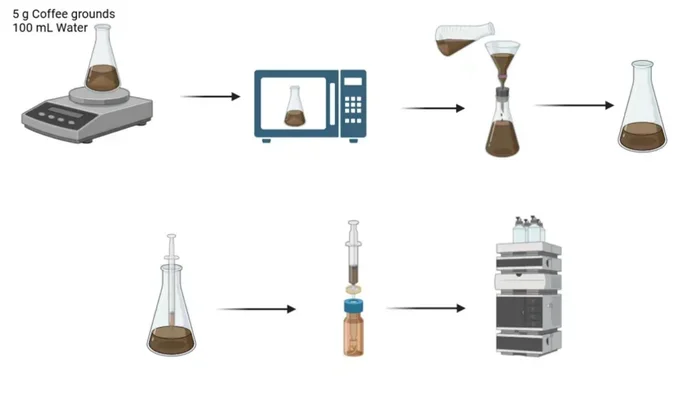
Coffee extract is usually made by pulling flavor, oils, and other compounds out of coffee beans using a liquid. The exact method can vary, but the basic idea is simple. Coffee beans are ground or crushed, then mixed with a solvent or carrier so the useful parts move into the liquid. After that, the mixture may be filtered, concentrated, or processed further depending on the final product.
The result can be very different from one brand to another. Some extracts are made for flavor only. Others are made for aroma, supplements, or culinary use. Because the starting material is still coffee beans, the extract may keep several natural compounds from the bean, including caffeine. That is why the question does coffee extract have caffeine matters so much when you are choosing a product.
Common ways coffee extract is produced
Here are a few common production styles you may see:
- Solvent-based extraction: A liquid helps pull compounds from the beans. This can create a concentrated extract with a strong flavor profile.
- Alcohol-based tinctures: Some extracts use alcohol to carry the coffee compounds. These are often used in supplements or specialty products.
- Water-based or steam-assisted methods: These methods may focus more on flavor and aroma, but they can still leave caffeine in the final liquid.
- Decaffeinated bean extracts: Some products start with decaf beans, which can greatly reduce the caffeine content.
Because each method works a little differently, the caffeine level can change a lot. A product made from regular beans may have more caffeine than one made from decaf beans. A highly concentrated extract may also deliver more caffeine per drop than a lighter flavoring extract.
Does Coffee Extract Have Caffeine in Every Product?
Not always. The most honest answer is that it depends on the product and the label. If the extract is made from standard coffee beans, there is a good chance it contains some caffeine. If it is made from decaffeinated beans, the caffeine level may be very low or close to zero. Some manufacturers also remove or reduce caffeine during processing, while others leave it in because it is part of the natural coffee profile.
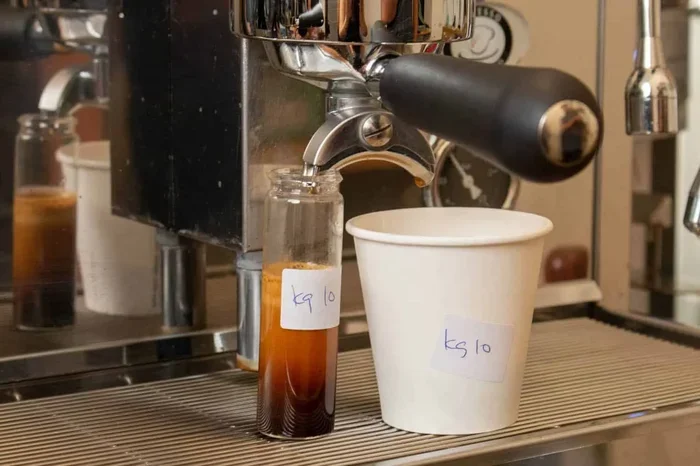
Visual guide about coffee extract bottle caffeine test
Image source: static.igem.wiki
This is why you should not guess based only on the word “coffee.” The name tells you the source, but not the final caffeine content. A coffee extract used for baking might be different from a coffee extract sold for supplement use. One may be designed to keep the flavor strong and the caffeine low. Another may keep more of the natural compounds from the bean.
When coffee extract is more likely to contain caffeine
You should pay extra attention if:
- The product says it is made from regular coffee beans
- The label mentions concentration or potency
- It is sold as a supplement, tincture, or active ingredient
- The flavor is bold and the ingredient list is short
- There is no “caffeine-free” or “decaffeinated” statement
In these cases, it is wise to assume there may be caffeine unless the brand says otherwise. That is especially important if you are avoiding caffeine for sleep, anxiety, pregnancy, blood pressure, or personal preference.
When caffeine may be lower or absent
Coffee extract may have less caffeine if:
- It is made from decaf coffee beans
- The product is labeled caffeine-free
- The extract is mainly for flavor and the caffeine has been reduced or removed
- The manufacturer states that the final product contains little to no caffeine
Even then, “low caffeine” is not always the same as “no caffeine.” Small amounts can still matter if you are highly sensitive. So if you are asking does coffee extract have caffeine because you want to avoid it completely, look for clear claims and ingredient details rather than assumptions.
How Much Caffeine Is in Coffee Extract?
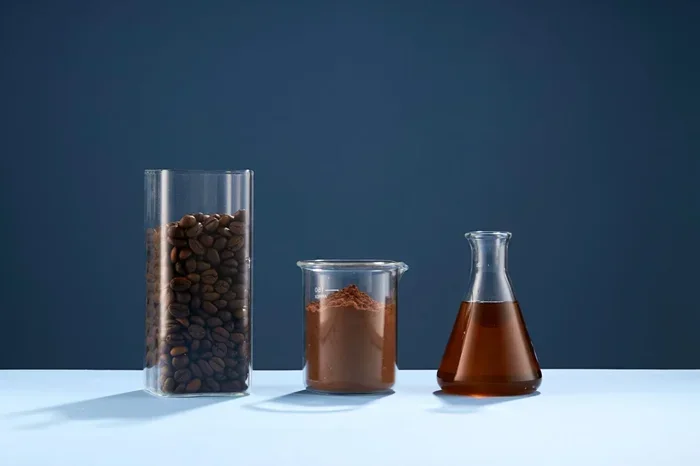
This is where things get a little tricky. There is no single caffeine number for all coffee extracts. The amount depends on several factors, including the bean type, the extraction method, the concentration, and the serving size. A few drops of one extract may contain very little caffeine. The same number of drops of a stronger extract may contain more.
Visual guide about coffee extract bottle caffeine test
Image source: tastylicious.com
Another challenge is that many products do not list caffeine content on the front label. Some brands are very clear. Others leave it out because the amount is small, variable, or not the main focus of the product. If you need a precise answer, the best move is to check the nutrition or supplement facts panel, the ingredient list, and any disclaimer on the bottle.
What affects the caffeine level?
Several things can change how much caffeine ends up in the extract:
- Bean choice: Regular beans usually contain more caffeine than decaf beans.
- Extract strength: A concentrated extract may carry more caffeine per volume.
- Amount used: A recipe that calls for a small amount may add only a little caffeine, while a larger amount may add more.
- Processing choices: Some methods may keep more caffeine, while others may reduce it.
- Blend composition: If the extract is mixed with other ingredients, the caffeine may be diluted.
If you are using coffee extract in food or drinks, the total caffeine in your final recipe matters more than the extract alone. For example, a small amount in a dessert may not be a big deal for many people. But if you use several servings throughout the day, the caffeine can add up.
A practical way to think about it
Instead of trying to guess the exact number, think in terms of risk and comfort. Ask yourself:
- Do I want any caffeine at all?
- Am I sensitive to small amounts?
- Will I use a little or a lot?
- Is this product clearly labeled for caffeine content?
If the answer suggests you should be careful, choose a product with clear labeling or contact the brand. That is the safest way to know whether a specific coffee extract fits your needs.
Coffee Extract vs. Other Coffee Products: What’s the Difference?
People often compare coffee extract with other coffee-based items, but they are not all the same. Regular brewed coffee, instant coffee, coffee flavoring, and coffee extract can all behave differently. Some are meant to be drinks. Others are meant to add taste or function in recipes and supplements.
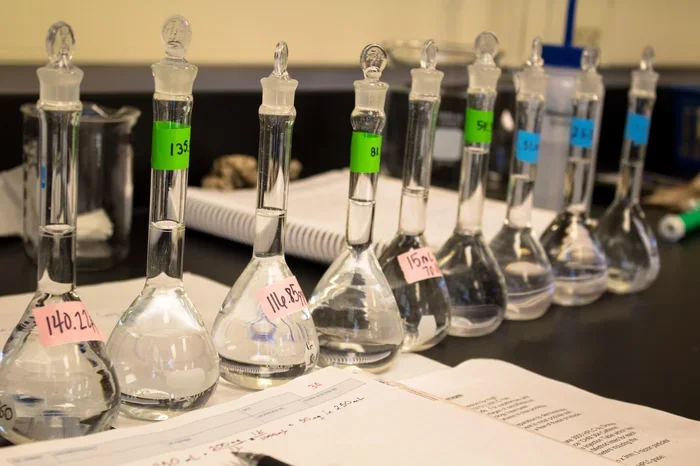
Visual guide about coffee extract bottle caffeine test
Image source: cedarwrites.com
Brewed coffee usually has a more predictable caffeine range because it is made in a fairly standard way. Instant coffee also comes from coffee beans, but it is processed and dried, so the caffeine content can still vary by brand and serving size. Coffee extract, on the other hand, is often more concentrated and may be used in much smaller amounts. That means the caffeine per serving can be harder to estimate without label information.
Flavoring extracts and coffee taste
Some products are made mainly to give food or drinks a coffee-like flavor. In those cases, the manufacturer may care more about aroma and taste than caffeine. Still, if the flavor comes from real coffee beans, caffeine may remain in the background. If the flavor is built from other ingredients or a caffeine-free process, the caffeine may be minimal or missing.
This is a good reminder that “coffee flavor” and “coffee extract” are not always identical. One may be designed to keep the coffee experience strong. The other may be designed to deliver a specific flavor note with less impact from caffeine.
Supplements, tinctures, and concentrated forms
Some coffee extracts are sold in more concentrated forms. These may be used in small doses, but the concentration can make the caffeine content more important. If you are using a supplement or tincture, read the directions carefully. A little can go a long way, and the caffeine may be more noticeable than you expect.
If you are comparing products, it helps to look at the purpose of the extract. A culinary extract may be used for taste. A supplement extract may be used for a specific effect. A flavoring extract may sit somewhere in between. Each one can have a different caffeine profile.
How to Tell If Your Coffee Extract Contains Caffeine
The easiest way to know is to check the label. But labels can be confusing, so it helps to know what to look for. Start with the ingredient list. If it mentions coffee beans, coffee bean extract, or a similar coffee source, there is a chance caffeine is present unless the product says otherwise.
Next, look for direct statements. Words like “caffeine-free,” “decaffeinated,” or “contains caffeine” can be very helpful. If the bottle includes nutrition or supplement facts, check whether caffeine is listed there. If the label is vague, do not assume one way or the other. When the information is missing, contacting the manufacturer is often the best next step.
Quick label-checking checklist
- Check the ingredient source: Look for coffee beans, coffee extract, or related coffee terms.
- Look for caffeine claims: Search for “caffeine-free,” “decaf,” or “contains caffeine.”
- Read the facts panel: Some products list caffeine directly.
- Notice serving size: A small serving may change how much caffeine you get.
- Contact the brand if needed: If the label is unclear, ask for clarification.
If you are using the extract for baking, beverages, or supplements, this step is especially useful. You do not want to discover too late that a product had more caffeine than you expected. A quick label check can save you from surprises later.
When the label is not enough
Sometimes the label gives only a partial picture. That can happen if the product is part of a blend or if the caffeine content is not required to be listed in the way you hoped. In those cases, use caution. If you are avoiding caffeine, it may be better to choose a product that clearly states it is caffeine-free rather than one that simply does not mention caffeine.
It also helps to remember that “natural” does not automatically mean “caffeine-free.” Coffee is natural, and caffeine is a natural part of coffee beans. So if the extract comes from coffee, the caffeine question is still worth asking.
Who Should Be Careful With Coffee Extract and Caffeine
Some people need to pay closer attention to caffeine than others. That does not mean coffee extract is automatically a problem. It just means the caffeine question matters more for certain users. If you are sensitive to caffeine, pregnant, trying to limit stimulants, or managing a health condition, it is smart to be cautious.
Even small amounts can affect people differently. One person may feel fine with a little caffeine. Another may notice jitters, sleep changes, or a faster heartbeat from a much smaller amount. That is why the question does coffee extract have caffeine is not just about the product. It is also about your own tolerance and needs.
Good habits if you want to limit caffeine
- Choose products labeled caffeine-free or decaffeinated when possible
- Start with a very small amount if the label is unclear
- Keep track of how much you use across the day
- Watch for hidden caffeine in blends or multi-ingredient products
- Ask a healthcare professional if you have special concerns
If you are using coffee extract in recipes, remember that the total caffeine in the finished dish matters. A small amount in one serving may be fine for many people, but repeated servings or multiple caffeine sources can add up. Thinking about the whole day, not just one use, is a helpful habit.
A simple rule of thumb
If you do not want caffeine, do not guess. Pick a product with clear information, and if you are unsure, test carefully or choose a different option. It is much easier to avoid caffeine problems than to deal with them after the fact.
Practical Tips for Using Coffee Extract Safely
If you plan to use coffee extract in your kitchen or routine, a few simple habits can make things easier. First, treat it like any concentrated ingredient. A little often goes a long way, so start low and adjust as needed. That approach helps with flavor, and it also helps you keep track of caffeine if it is present.
Second, store the extract properly and use it only for its intended purpose. Some extracts are meant for cooking, while others are meant for supplements or specialized use. Using the wrong product in the wrong way can create problems, even apart from caffeine.
Helpful habits to follow
- Start small: Use a modest amount first, especially if you are unsure about caffeine.
- Read directions: Follow the product’s intended use and serving guidance.
- Track your intake: If you use it more than once, remember that caffeine can build up.
- Keep it labeled: Store it clearly so you do not mix it up with other extracts.
- Check compatibility: Make sure it fits the recipe or use you have in mind.
If you are making food or drinks for other people, it is also kind to mention that the item contains coffee extract. That way, anyone avoiding caffeine can make an informed choice. Small details like that make a big difference.
Common Mistakes People Make With Coffee Extract
One common mistake is assuming all coffee extracts are the same. They are not. Another mistake is assuming that a small amount has no caffeine just because the flavor seems mild. Caffeine is not always tied to how strong the flavor tastes. A product can taste smooth and still contain caffeine.
People also sometimes overlook serving size. A bottle may seem harmless, but if you use more than intended, the caffeine can become more relevant. And sometimes people forget to check blends. If the extract is part of a larger formula, other ingredients may affect the final caffeine experience too.
Mistakes to avoid
- Assuming “coffee flavor” means “no caffeine”
- Ignoring the ingredient list
- Using more than the recommended amount
- Forgetting that decaf is not always identical across brands
- Treating all extracts as interchangeable
Avoiding these mistakes is mostly about slowing down and checking the details. A careful look at the label and a clear understanding of your goal can prevent a lot of confusion.
Expert Insights: What to Look For Before You Buy
If you want to choose wisely, focus on clarity. A good product should make it easy to understand what it is made from and whether caffeine is part of the picture. When a brand is transparent, it is easier to decide whether the extract fits your needs. If the packaging is vague, that is a sign to slow down and investigate more.
It also helps to match the product to your purpose. If you want flavor for baking, you may care more about taste and caffeine level. If you want a supplement, you may care more about concentration and dosing. If you want a caffeine-free option, look for direct claims and consistent labeling rather than hints.
Buying checklist
- Clear ingredient source
- Caffeine statement, if relevant
- Serving size and usage directions
- Intended use that matches your goal
- Brand contact information, if you need to ask questions
A little homework goes a long way. The more clearly a product explains itself, the easier it is to answer the question does coffee extract have caffeine for that specific bottle or package.
Key Takeaways
Coffee extract can contain caffeine, but it depends on the product. The safest approach is to read the label, check the ingredient source, and look for clear caffeine claims. If you are sensitive to caffeine or want to avoid it, choose products that state they are caffeine-free or decaffeinated, and start with a small amount if you are unsure. When the label is unclear, contact the brand before using it. A few extra minutes of checking can help you avoid surprises and choose the right extract for your needs.
If you remember one thing, let it be this: the word “coffee” tells you where the extract comes from, but not exactly how much caffeine it has. That is why careful label reading matters so much. With a little attention, you can enjoy the flavor or function you want without guessing.
Frequently Asked Questions
Does coffee extract have caffeine if it is made from decaf beans?
It may still have a very small amount, but usually much less than an extract made from regular beans. The safest choice is to check the label for a caffeine-free or decaffeinated claim.
Can coffee extract be caffeine-free?
Yes, some coffee extracts are formulated or processed to be caffeine-free, especially if they are made from decaf beans or clearly labeled that way. Always confirm with the ingredient list and product claims.
How can I tell if a coffee extract contains caffeine?
Check the ingredient list, look for caffeine statements, and read any nutrition or supplement facts on the package. If the label is unclear, contact the manufacturer for confirmation.
Is coffee extract the same as brewed coffee?
No. Coffee extract is usually more concentrated and may be used in smaller amounts, while brewed coffee is a drink made by brewing ground coffee with water. Their caffeine content and uses can differ.
Could a small amount of coffee extract still affect sensitive people?
Yes, even a small amount may matter if someone is very sensitive to caffeine. If you want to avoid caffeine, start with a tiny amount or choose a product that clearly says it is caffeine-free.
Should I ask the brand before using coffee extract in recipes?
If you are serving people who avoid caffeine, it is a good idea to ask the brand or read the label carefully. That helps you know whether the extract is likely to add caffeine to the final recipe.