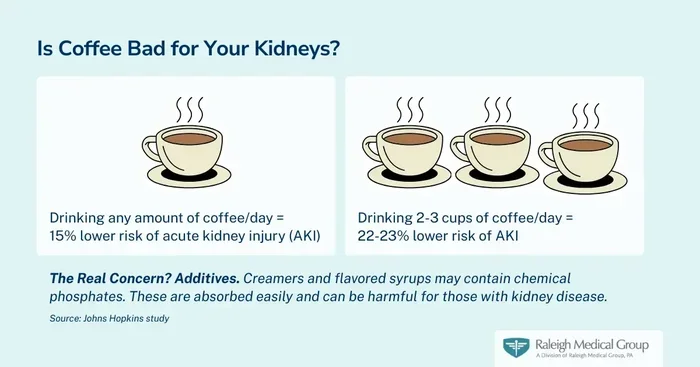
Many people ask, does coffee give you kidney stones? The answer is not a simple yes or no. Moderate coffee consumption may actually lower your risk, but too much caffeine can cause dehydration. Understanding your body and drinking enough water is key to staying safe.
Does coffee give you kidney stones? This is a common question for coffee lovers who worry about their health. Coffee is one of the most popular drinks in the world. Many people start their day with a hot cup. But if you have had kidney stones before, you might worry about your habit.
Kidney stones are hard deposits made of minerals and salts. They form inside your kidneys. They can be very painful when they pass through your urinary tract. Diet plays a big role in preventing these stones. Since coffee is a daily staple for many, it makes sense to ask if it is safe.
The good news is that research offers some hopeful answers. Coffee is not necessarily the enemy. In fact, it might help you stay hydrated and flush out your system. However, there are nuances to understand. Let’s dive deep into the science and practical tips.
Key Takeaways
- Coffee and Risk: Moderate coffee drinking may reduce kidney stone risk rather than increase it.
- Hydration Matters: Caffeine acts as a diuretic, so drinking extra water is crucial.
- Oxalate Content: Coffee contains some oxalates, but less than many other common foods.
- Calcium Intake: Getting enough calcium in your diet helps bind oxalates in the gut.
- Listen to Your Body: People prone to stones should monitor their caffeine intake closely.
- Additives Count: Sugar and cream in coffee can impact overall health and stone risk.
- Consult a Doctor: Always speak with a healthcare provider for personalized medical advice.
📑 Table of Contents
Understanding Kidney Stones and Causes
Before we look at coffee, we need to understand what causes stones. Kidney stones form when your urine becomes concentrated. This allows minerals to crystallize and stick together. There are different types of stones, but calcium oxalate stones are the most common.
Several factors increase your risk. Not drinking enough water is a major one. Diet also matters greatly. Foods high in oxalates can contribute to stone formation. Genetics and family history play a role too. Some medical conditions can also make you more susceptible.
The Role of Oxalates
Oxalates are natural substances found in many plants. When you eat them, they travel through your digestive system. If they reach your kidneys, they can bind with calcium. This binding creates crystals. Over time, these crystals grow into stones.
Many healthy foods contain oxalates. Spinach, nuts, and chocolate are high in them. This is why people often ask about dietary restrictions. You do not need to avoid all oxalates. Balance is the key to managing your risk.
Dehydration and Urine Concentration
Water is your best friend when it comes to kidney health. When you are dehydrated, your urine volume drops. This makes the minerals in your urine more concentrated. Concentrated urine is the perfect environment for stones to form.
Staying hydrated dilutes these minerals. It helps flush them out before they can crystallize. This is why doctors always recommend drinking plenty of water. It is the simplest and most effective prevention method available.
Does Coffee Give You Kidney Stones? The Science
So, does coffee give you kidney stones? The short answer is probably not. Some studies suggest coffee might actually protect you. Researchers have looked at large groups of people over many years. They compared coffee drinkers to non-coffee drinkers.

Visual guide about coffee cup and kidney stones
Image source: atlanticurologyclinics.com
Interestingly, coffee drinkers often had fewer stones. This could be due to the fluid content. Coffee counts toward your daily fluid intake. It helps you produce more urine, which flushes out the kidneys. This mechanical flushing action is beneficial.
However, caffeine is a mild diuretic. This means it makes you urinate more frequently. If you do not replace that fluid, you could become dehydrated. Dehydration is a risk factor for stones. So, the coffee itself is not the problem. The lack of water alongside it might be.
Caffeine and Calcium Excretion
Caffeine can affect how your body handles calcium. Some research shows caffeine increases calcium excretion in urine. Higher calcium in urine can contribute to stone formation. This is where the concern comes from. But the effect is usually small for moderate drinkers.
If you drink too much caffeine, the risk might go up. But a cup or two a day is generally considered safe. Your body adapts to regular caffeine intake over time. The impact on calcium levels may lessen with habituation.
Antioxidants and Benefits
Coffee is rich in antioxidants. These compounds help reduce inflammation in the body. Some studies suggest antioxidants might protect kidney function. They combat oxidative stress that can damage tissues. This is another potential benefit of your daily brew.
Choosing high-quality beans matters here. Freshly ground coffee often retains more beneficial compounds. If you want to optimize health, consider how you prepare your drink. How is coffee beans made can influence the final nutrient profile of your cup.
Oxalate Levels in Coffee
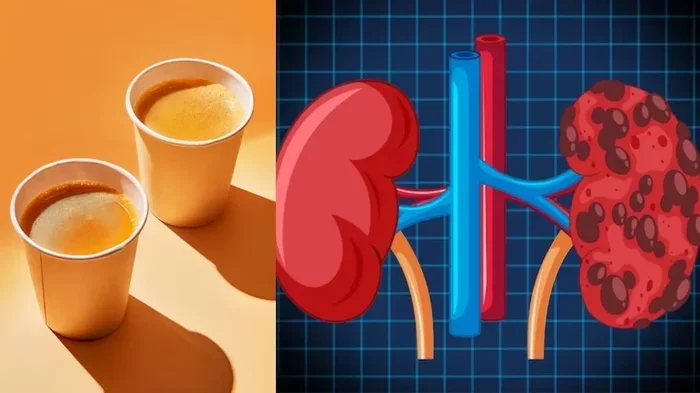
People often worry about oxalates in coffee. Coffee beans do contain some oxalates. But the amount is relatively low compared to other foods. A cup of coffee has much less oxalate than a serving of spinach. It is also lower than many teas.
Visual guide about coffee cup and kidney stones
Image source: resize.indiatvnews.com
If you are on a low-oxalate diet, you still have options. You do not necessarily need to quit coffee. You just need to be mindful of portion sizes. Drinking one cup is very different from drinking five. Moderation is the most important rule to follow.
Brewing Methods Matter
How you brew your coffee can change its chemical makeup. Different methods extract different compounds. A French press might leave more oils in the cup. Paper filters can trap some of these substances. This might affect how your body reacts to the drink.
If you are concerned about purity, consider your equipment. Using affordable coffee machines that offer consistent brewing is a good start. Consistency helps you track how your body responds. You want to know exactly what you are consuming each day.
Instant Coffee vs. Brewed
Instant coffee is convenient and popular. But how is it made? It involves brewing coffee and then removing the water. This process can concentrate certain compounds. Some people find instant coffee harder on their stomachs. It might also have a different oxalate profile.
For kidney stone prevention, fresh brewed is often preferred. You have more control over the strength. You can also add water to dilute it if needed. This gives you more flexibility in managing your intake.
Hydration and Coffee Consumption
Hydration is the most critical factor for kidney health. Coffee contributes to your fluid intake. But water should still be your primary source of hydration. Think of coffee as a bonus, not your main water source.

Visual guide about coffee cup and kidney stones
Image source: embercoffee.co
A good rule is to drink a glass of water with every cup of coffee. This balances the diuretic effect of caffeine. It ensures you stay well-hydrated throughout the day. This simple habit can make a big difference.
Tips for Staying Hydrated
Here are some easy ways to boost your water intake:
- Keep a water bottle with you at all times.
- Set reminders on your phone to drink water.
- Add lemon or cucumber for flavor without sugar.
- Drink a glass of water before each meal.
- Monitor the color of your urine. Pale yellow is good.
Following these tips helps dilute your urine. This reduces the chance of crystal formation. It complements your coffee habit rather than conflicting with it.
Listening to Your Body
Everyone reacts differently to caffeine. Some people feel jittery after one cup. Others can drink many without issues. Pay attention to how you feel. If you feel dehydrated or dizzy, drink more water.
Your body gives you signals. Thirst is the most obvious one. Dark urine is another warning sign. Do not ignore these cues. Adjusting your intake based on your body’s needs is wise.
Diet and Lifestyle Factors
Coffee is just one part of your diet. What you eat with your coffee matters too. Many people add sugar or cream. High sugar intake can increase stone risk. It is better to limit added sugars in your diet.
Calcium intake is another important factor. You might think you should avoid calcium. But that is not true. You need calcium to bind oxalates in your gut. This prevents oxalates from reaching your kidneys. Eat calcium-rich foods with your meals.
Foods to Watch
Certain foods are high in oxalates. If you are prone to stones, limit these items. You do not need to eliminate them completely. Just be aware of portion sizes and frequency.
- Spinach and leafy greens
- Almonds and cashews
- Chocolate and cocoa
- Beets and rhubarb
- Tea (especially black tea)
Balancing these foods with calcium sources is smart. For example, have cheese with your spinach. This helps bind the oxalates before absorption. It is a simple dietary trick that works well.
Exercise and Weight Management
Maintaining a healthy weight helps prevent stones. Obesity is a risk factor for kidney issues. Regular exercise supports overall health. It improves circulation and kidney function. Try to stay active most days of the week.
Exercise also helps you manage stress. Stress can impact your health in many ways. A healthy lifestyle supports your kidneys indirectly. It creates a better environment for your body to function.
Expert Insights and Recommendations
Doctors and nutritionists have clear advice on this topic. They generally say moderate coffee consumption is safe. For most people, one to three cups a day is fine. It depends on your overall health status.
If you have a history of stones, talk to your doctor. They might suggest specific limits for you. They can analyze your stone type. This helps tailor the advice to your specific needs. Personalized medical advice is always best.
When to Reduce Intake
There are times when you should cut back. If you are experiencing symptoms, pay attention. Pain in your side or back could be a sign. Blood in your urine is another warning. Nausea or vomiting alongside pain needs attention.
If you are pregnant, caffeine limits are lower. Health guidelines suggest limiting intake during pregnancy. This is for the health of both mother and baby. Always follow your healthcare provider’s guidance in these cases.
Supplements and Medications
Some supplements can increase stone risk. Vitamin C in high doses can convert to oxalate. Be careful with over-the-counter supplements. Tell your doctor about everything you take. This includes vitamins and herbal remedies.
Certain medications can also affect kidney function. Diuretics and calcium-based antacids are examples. Review your medication list with your doctor. They can check for potential interactions. This ensures your treatment plan supports your kidney health.
Practical Tips for Coffee Lovers
You do not need to give up coffee to stay healthy. You just need to be smart about it. Here are some practical tips to enjoy your brew safely. These steps help minimize risk while maximizing enjoyment.
- Drink Water First: Start your day with a glass of water before coffee.
- Limit Additives: Use less sugar and choose low-fat milk options.
- Choose Filters: Paper filters can reduce certain compounds in the coffee.
- Monitor Portions: Stick to standard cup sizes rather than large mugs.
- Listen to Thirst: If you feel thirsty, drink water instead of more coffee.
These habits are easy to adopt. They fit into most daily routines without much disruption. Small changes can lead to big health benefits over time.
Storage and Freshness
Fresh coffee tastes better and might be healthier. Stale coffee can develop off-flavors. Proper storage keeps your beans fresh longer. Keep them in a cool, dry place. Avoid direct sunlight and moisture.
If you buy in bulk, learn how to store coffee filters and beans properly. Proper storage maintains the quality of your brew. This ensures you get the best experience every time you make a cup. It also helps you avoid wasting money on spoiled beans.
Equipment Maintenance
Clean equipment makes better coffee. Old coffee oils can go rancid. They might affect the taste and safety of your drink. Clean your machine regularly according to the manufacturer’s instructions.
Eventually, you might need to upgrade your gear. If your machine is old, consider how to dispose of old coffee maker units responsibly. Recycling or donating is better than throwing them in the trash. A new machine might brew more consistently too.
Conclusion
So, does coffee give you kidney stones? For most people, the answer is no. Moderate coffee consumption can be part of a healthy diet. It may even offer some protective benefits. The key is hydration and balance.
Do not let fear stop you from enjoying your favorite drink. Just be mindful of how much you drink. Pair your coffee with plenty of water. Eat a balanced diet rich in calcium and low in excess oxalates. Listen to your body and consult your doctor if you have concerns.
Your kidneys work hard for you every day. Supporting them with good habits is simple. Enjoy your coffee, stay hydrated, and live healthily. With the right approach, you can have your cup and protect your health too.
Frequently Asked Questions
Can decaf coffee cause kidney stones?
Decaf coffee has less caffeine but still contains some oxalates. It is generally safe and contributes to hydration like regular coffee. Drinking it in moderation is unlikely to increase your risk significantly.
How much water should I drink if I drink coffee?
A good rule is to drink one glass of water for every cup of coffee. This helps offset the diuretic effect of caffeine. Staying well-hydrated is the best way to prevent kidney stones.
Are there specific types of coffee beans safer for kidneys?
All coffee beans contain some oxalates, but levels vary slightly. Darker roasts might have slightly different chemical profiles than light roasts. However, the difference is usually not significant enough to change medical advice.
Does adding milk to coffee help prevent stones?
Adding milk provides calcium, which can bind oxalates in your gut. This prevents oxalates from being absorbed into your bloodstream. It is a helpful strategy for those watching their oxalate intake.
What are the first signs of kidney stones?
Common signs include severe pain in the side or back. You might also experience blood in your urine or nausea. Painful urination and a persistent need to urinate are also symptoms.
Should I stop drinking coffee if I have a history of stones?
You do not necessarily need to stop completely. Talk to your doctor about your specific situation. They may suggest limiting intake or focusing more on hydration and diet changes.