
Does coffee have cholesterol? The short answer is no, plain coffee does not contain cholesterol. However, certain brewing methods and added ingredients can influence your cholesterol levels. This guide explains what really happens in your body and how to enjoy your cup safely.
This is a comprehensive guide about Does Coffee Have Cholesterol.
Visual guide about coffee and cholesterol health concept
Image source: maturitas.org

Visual guide about coffee and cholesterol health concept
Image source: images.medindia.net

Visual guide about coffee and cholesterol health concept
Image source: loluhealth.com
Key Takeaways
- Plain coffee contains no cholesterol: Black coffee is naturally free of this waxy substance found in animal fats.
- Brewing methods matter: Unfiltered coffee can raise LDL cholesterol due to natural oils called diterpenes.
- Filtered coffee is safer: Paper filters trap most of the cholesterol-raising compounds before they reach your cup.
- Additives change the picture: Cream, butter, and saturated fats add cholesterol and can impact heart health.
- Moderation is key: Most people can enjoy coffee daily without worrying about cholesterol levels.
- Know your risk: People with existing high cholesterol should monitor unfiltered coffee intake more closely.
- Simple swaps help: Switching to filtered brewing or plant-based milk can support better lipid profiles.
[FEATURED_IMAGE_PLACEHOLDER]
Many people start their day with a warm mug of coffee. It wakes you up and tastes great. But some folks wonder about the health effects. A common question is about cholesterol. You might ask yourself if your daily brew affects your heart. This is a smart question to ask. Food and drink choices play a big role in heart health. Cholesterol is a fatty substance in your blood. Too much of the wrong kind can cause problems. So it makes sense to check what you drink. The good news is that coffee itself is not the enemy. The story is a bit more nuanced than a simple yes or no. Let us break it down in plain terms.
You do not need a science degree to understand this. We will look at the beans, the brew, and the additives. We will also talk about what happens inside your body. By the end, you will know how to enjoy coffee without worry. Knowledge is power when it comes to health. Small changes can make a big difference. So grab your mug and let us dive in. We will keep things simple and clear. You will learn what to watch for and what to ignore. Your morning routine can stay enjoyable and safe.
Does Coffee Have Cholesterol in the Beans
The first thing to know is the beans themselves. Coffee beans come from a plant. Plants do not make cholesterol. Only animals make cholesterol. So the raw bean has zero cholesterol. This is a clear and simple fact. You can rest easy on this point. The bean is just a seed from a fruit. It holds caffeine, flavor, and oils. It does not hold animal fat. This is why black coffee is often seen as safe. The base ingredient is clean in this regard.
However, the bean does hold other compounds. Some of these can touch your cholesterol levels. We will talk about those soon. But the bean itself is not the source. This distinction matters. People sometimes mix up the bean with the final drink. They are not the same thing. How you prepare the drink changes the result. So the answer starts with a clear no. The plant does not make this substance. Your cup starts cholesterol free.
What Compounds Are in Coffee Beans
Coffee beans are complex. They hold many natural chemicals. Caffeine is the most famous one. It gives you energy and focus. But there are other parts too. Antioxidants are a big group. These help fight damage in the body. They are good for overall health. Polyphenols are another group. They support heart health in many ways. These compounds are often helpful. They do not raise bad cholesterol. In fact, some studies show they help.
There are also natural oils in the bean. These oils carry flavor. They make coffee taste rich and smooth. Some of these oils can affect lipids. We will look at that next. But the oils are not cholesterol. They are just plant fats. Plant fats behave differently in the body. They do not clog arteries the same way. So the bean is a mix of good and neutral parts. It is not a source of the waxy substance we worry about. You can feel good about the bean itself.
Does Coffee Have Cholesterol After Brewing
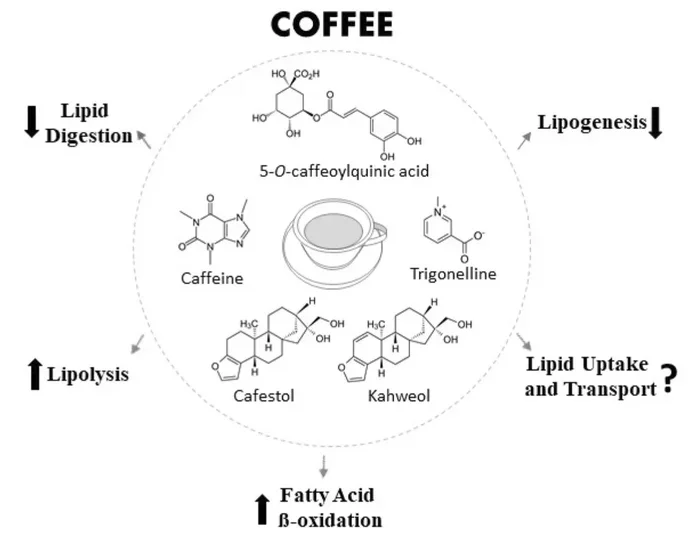
Now we get to the brewing part. This is where things change. The way you make coffee matters. Some methods keep more oils in the cup. Other methods trap those oils away. This changes what ends up in your mug. The oils we talk about are called diterpenes. Two main ones are worth knowing. They are cafestol and kahweol. These compounds can raise cholesterol. They do this by affecting how your liver works. They can bump up LDL levels. LDL is the bad kind of cholesterol.
But here is the key point. These compounds are not cholesterol. They are plant oils that influence your body. They make your liver release more cholesterol. So the effect is indirect. The coffee does not add cholesterol to your blood. It can change how your body handles it. This is a subtle but important difference. It means coffee is not full of cholesterol. It just has tools that can shift your levels. The shift depends on how you brew.
Filtered vs Unfiltered Coffee
The filter is your friend here. Paper filters catch most of those oils. Drip coffee with a paper filter is a safe choice. The oils stay in the filter paper. They do not reach your cup. This makes filtered coffee a low risk option. Most home coffee makers use this method. It is simple and effective. You get the taste without the extra oils. This is why many doctors suggest filtered coffee. It keeps the fun part and drops the risk part.
Unfiltered coffee is different. French press, Turkish coffee, and boiled coffee skip the paper. They let the oils flow into your mug. Espresso also has more oils than drip. The mesh filter does not catch everything. So these methods can raise cholesterol more. The effect is real but usually small. It depends on how much you drink. One cup a day is not a big worry for most people. Heavy daily intake matters more. If you have high cholesterol, this is worth noting.
Quick Tips for Brewing
- Use paper filters: They trap the oils that can raise LDL.
- Limit French press: Enjoy it sometimes rather than every day.
- Try drip coffee: It is a simple low risk choice for daily use.
- Watch espresso: It has more oils, so keep portions moderate.
- Clean your gear: Old oils can build up and affect taste and quality.
Does Coffee Have Cholesterol With Additives
The coffee itself is only part of the story. What you add matters a lot. Many people do not drink black coffee. They add cream, milk, or butter. These ingredients can bring cholesterol. Dairy cream has saturated fat. Saturated fat can raise cholesterol levels. Butter is also high in saturated fat. Some people blend butter into coffee for energy. This trend is popular but it changes the nutrition. It turns a low fat drink into a high fat one.
Plant milks are a different story. Almond, oat, and soy milk usually have no cholesterol. Plants do not make cholesterol. So these are safe choices in this regard. But check the label for added sugars. Sugar does not have cholesterol either. But it can affect heart health in other ways. Too much sugar is not ideal. So the best cup is often simple. Black coffee or coffee with a plant milk is a clean choice. It keeps the cholesterol question easy to answer.
Common Additives and Their Impact
Let us look at common add-ins. Heavy cream adds saturated fat. This can raise LDL over time. Half and half is lighter but still has fat. Whole milk has some saturated fat too. Skim milk has almost no fat. So skim is a better choice if you want dairy. Butter and ghee add a lot of saturated fat. These can impact your lipid profile. Coconut oil is plant based but high in saturated fat. It can also raise LDL in some people. So the type of fat matters.
Sweeteners are another piece. Sugar and syrup do not have cholesterol. But they add calories and can affect weight. Weight gain can worsen cholesterol levels. So the chain reaction is real. A sugary coffee can lead to other issues. Artificial sweeteners are low calorie. They do not have cholesterol either. But some people prefer natural options. Stevia and monk fruit are plant based. They are safe for cholesterol concerns. The main lesson is to keep add-ins simple. Less is often more for heart health.
Does Coffee Have Cholesterol and Heart Health
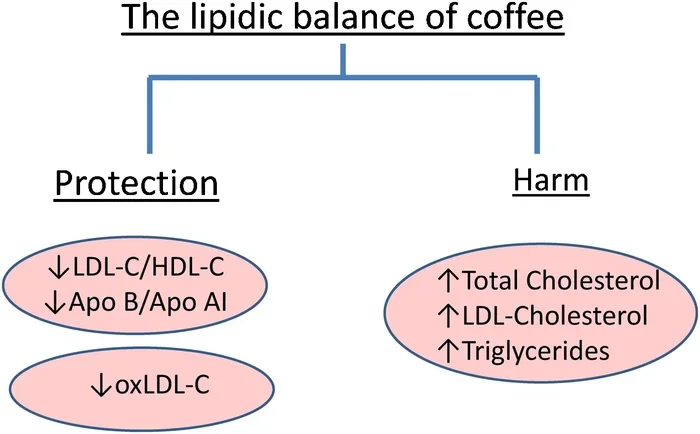
Heart health is the big picture. Cholesterol is one part of that. Coffee has a mixed record here. Some studies show benefits. Others show risks with certain brewing. The overall view is balanced. Moderate coffee drinking is fine for most. It may even help some markers. Antioxidants in coffee support blood vessels. They can reduce inflammation. This is good for the heart. But the oils in unfiltered coffee can raise LDL. So the method changes the outcome.
Your personal risk matters too. If you already have high cholesterol, be more careful. Unfiltered coffee might push levels up. Filtered coffee is a safer daily habit. If your numbers are normal, you have more room. You can enjoy different brew methods. The key is to know your numbers. A simple blood test gives you the facts. Then you can adjust your habits. Coffee is not a magic fix or a hidden trap. It is just one part of your diet. The rest of your meals matter just as much.
Expert Insights on Coffee and Lipids
Experts look at the whole diet. One drink rarely tells the whole story. They suggest balance and variety. If you love French press, enjoy it in moderation. You do not need to quit it forever. Just keep it in check. Pair it with a healthy diet. Eat more fiber and less saturated fat. This helps offset any small rise from coffee. Exercise also helps manage cholesterol. So coffee fits into a healthy life. It is not the sole cause of problems. Most people do fine with normal habits.
Some people metabolize caffeine differently. Genetics play a role here. Slow metabolizers may feel more effects. This does not change cholesterol much. But it affects how you feel. If coffee makes you jittery, cut back. That is a good rule for anyone. Health is about how you feel and your numbers. If both are good, you are on the right track. If you have concerns, talk to a doctor. They can give advice based on your history. Personal guidance always beats general tips.
Does Coffee Have Cholesterol Common Myths
There are many myths about coffee. Let us clear up a few. One myth is that all coffee raises cholesterol. That is not true. Filtered coffee has little effect. The oils are the main issue. Another myth is that decaf has no oils. Decaf beans still have oils. The decaf process removes caffeine, not oils. So decaf can still raise LDL if unfiltered. The brewing method still matters. Do not assume decaf is automatically safer.
Another myth is that coffee causes heart attacks. The evidence does not support that for most people. Moderate intake is linked to neutral or even good outcomes. Very high intake can cause issues like sleep loss. But it is not a direct heart attack trigger. Context matters a lot. Smoking, diet, and activity matter more. Coffee is just one piece. So do not fear your morning cup. Just make smart choices about how you brew and what you add.
Common Mistakes to Avoid
- Ignoring the filter: Unfiltered coffee can add up over time.
- Pouring in heavy cream: Saturated fat can raise LDL levels.
- Drinking too much: Very high intake can affect sleep and stress.
- Assuming decaf is oil free: The oils stay unless filtered out.
- Forgetting the rest of your diet: Coffee is only one part of the picture.
Does Coffee Have Cholesterol Practical Swaps
If you want to lower risk, try simple swaps. Switch from French press to drip with a paper filter. This cuts the oils in your cup. If you love espresso, keep it to a shot or two. Do not make it your only daily source. Swap heavy cream for a plant milk. Oat and almond milk are easy choices. They taste good and add no cholesterol. If you want creaminess, try a small amount of skim milk. It gives texture without much saturated fat.
You can also change the frequency. Have unfiltered coffee on weekends only. Keep weekdays simple with filtered brew. This balances taste and health. Another idea is to rotate methods. Use a pour over with a paper filter sometimes. It makes a clean cup with great flavor. You do not have to give up taste. You just tweak the method. Small changes add up over time. Your heart will thank you for the care.
Quick Tips for a Heart Friendly Cup
- Choose paper filters: They remove most of the cholesterol raising oils.
- Keep portions moderate: One to three cups a day is fine for most.
- Pick plant milks: They add creaminess without cholesterol.
- Limit butter blends: Saturated fat can raise LDL over time.
- Pair with a healthy meal: Fiber and veggies help balance lipids.
Does Coffee Have Cholesterol Final Thoughts
So, does coffee have cholesterol? The clear answer is no. Plain coffee does not contain cholesterol. The beans are plant based and free of it. But brewing and add-ins can change the story. Unfiltered coffee can raise LDL through natural oils. Filtered coffee avoids most of that effect. Additives like cream and butter add saturated fat. That can impact your levels too. The good news is you have control. You can choose the brew and the extras. Most people can enjoy coffee daily without worry. Just keep it simple and moderate.
Your heart health is worth a little attention. Know your numbers and pick smart habits. If you have high cholesterol, lean toward filtered coffee. Use plant milks and skip heavy fats. If your levels are normal, enjoy a variety of methods. Balance is the real secret. Coffee can fit into a healthy life with ease. You do not need to fear your morning ritual. Make informed choices and keep enjoying your cup. That is the best way to sip with confidence.
Key Takeaways
- Plain coffee has no cholesterol: Plants do not make this substance.
- Filters make a difference: Paper filters trap the oils that can raise LDL.
- Additives matter: Cream and butter bring saturated fat and cholesterol.
- Moderation works: Most people can drink coffee daily without issues.
- Know your numbers: Blood tests guide your personal choices best.
Frequently Asked Questions
Does black coffee contain cholesterol?
No, black coffee does not contain cholesterol because coffee beans come from a plant and plants do not produce cholesterol. The drink is naturally free of this substance, so plain brewed coffee is safe in this regard.
Can coffee raise my cholesterol levels?
Yes, certain types of coffee can raise cholesterol indirectly. Unfiltered coffee contains natural oils that may increase LDL levels, while filtered coffee removes most of these oils and has little effect.
Is espresso bad for cholesterol?
Espresso has more natural oils than filtered drip coffee, so it can have a small effect on cholesterol if you drink a lot. For most people, moderate espresso intake is fine, especially if the rest of the diet is healthy.
Does decaf coffee affect cholesterol?
Decaf coffee can still affect cholesterol if it is unfiltered, because the oils remain in the beans after decaffeination. Using a paper filter with decaf reduces those oils and lowers the impact on LDL levels.
What is the safest way to brew coffee for heart health?
Using a paper filter is the safest method because it traps the oils that can raise cholesterol. Drip coffee with a paper filter gives you a clean cup with less impact on your lipid profile.
Should I stop drinking coffee if I have high cholesterol?
You usually do not need to stop drinking coffee, but you may want to switch to filtered brewing and watch your additives. If you have high cholesterol, talk to your doctor for advice that fits your personal health.



