

Does decaf coffee have potassium? Yes, a typical cup provides around 100 to 200 milligrams of this essential mineral. While regular coffee often contains slightly more, decaf still contributes meaningfully to your daily potassium intake. Understanding the nutritional value of decaf coffee helps you make better choices for your heart health and overall wellness.
Does decaf coffee have potassium? If you have asked yourself this question while sipping your morning cup, you are not alone. Many people switch to decaffeinated coffee for better sleep, reduced anxiety, or simply because they enjoy the taste without the jitters. But what about the nutrients? Coffee is more than just a comforting beverage. It carries a quiet load of vitamins and minerals that contribute to your daily health. Potassium stands out as one of the most important ones.
In this guide, we will break down exactly how much potassium you get from decaf coffee. We will compare it to regular coffee, explore how brewing changes the numbers, and discuss what this means for your body. You will walk away with clear facts and practical tips you can use right away. Let us dive in.
Key Takeaways
- Decaf coffee contains potassium: A standard 8-ounce cup delivers roughly 100-200 mg of potassium, supporting healthy bodily functions.
- Regular coffee has slightly more: Caffeinated coffee typically contains 115-250 mg per cup, but the difference is modest for most drinkers.
- Brewing method changes potassium levels: Factors like grind size, water temperature, and steeping time affect how much mineral ends up in your cup.
- Decaf supports heart and muscle health: Potassium helps regulate blood pressure, nerve signals, and muscle contractions, making decaf a sensible daily choice.
- People with kidney conditions should monitor intake: Those on potassium-restricted diets need to track decaf consumption alongside other food sources.
- Processing methods matter: The Swiss Water Process and CO2 method preserve more natural minerals compared to solvent-based decaffeination.
- Decaf fits well in a balanced diet: Pairing decaf with potassium-rich foods like bananas, spinach, and sweet potatoes creates a nutritious daily routine.
📑 Table of Contents
Does Decaf Coffee Have Potassium? The Short Answer
Does decaf coffee have potassium? The answer is a clear yes. A standard 8-ounce cup of decaffeinated coffee contains approximately 100 to 200 milligrams of potassium. This amount may seem small compared to a banana, which delivers around 422 milligrams, but it still counts toward your daily target. Most adults need about 2,600 to 3,400 milligrams per day, so your cup of decaf quietly chips in.
The exact number shifts based on several factors. The type of bean, the roast level, and the way you brew all play a role. Light roasts tend to keep slightly more minerals than dark roasts because prolonged heat can break down certain compounds. Water quality matters too. Hard water with higher mineral content can add trace amounts to your brew, while filtered water gives you a cleaner baseline.
How Potassium Ends Up in Your Cup
Coffee beans naturally contain potassium from the moment they grow on the tree. The mineral lives in the fruit and the seed. When farmers harvest and process the beans, most of the potassium stays locked inside the bean structure. Decaffeination removes caffeine, not minerals. The process targets specific compounds while leaving the rest of the bean largely intact.
Once you grind the beans and add hot water, the potassium dissolves into your cup. Hot water acts like a gentle extractor. It pulls out soluble minerals along with flavor compounds and antioxidants. This is why brewing time and water temperature change the final nutrient profile. A longer steep generally draws out more potassium, while a quick pour-over may leave some behind in the grounds.
Does Decaf Coffee Have Potassium Compared to Regular Coffee?
Many people wonder if removing caffeine also removes potassium. It does not. In fact, decaf coffee vs regular coffee potassium levels are quite similar. Regular coffee often shows slightly higher numbers, usually ranging from 115 to 250 milligrams per cup. The difference comes from bean variety and roast rather than caffeine content itself.
Some studies suggest that the decaffeination process may cause a tiny loss of water-soluble minerals, but the drop is minimal. You still get a meaningful amount. If you drink multiple cups a day, those numbers add up quickly. Two cups of decaf can easily provide 200 to 400 milligrams, which covers a solid portion of your daily needs.
Quick Tip: Track Your Daily Potassium
Use a simple food diary or a nutrition app to log your coffee alongside meals. You will spot patterns and see how your decaf coffee nutrition facts fit into your bigger picture. Small habits like this make balanced eating much easier.
How Much Potassium Is in Decaf Coffee Exactly?
How much potassium is in decaf coffee depends on a few variables. Here is a practical breakdown you can use as a reference. These numbers reflect average values from common brewing methods and standard bean types.

Visual guide about decaf coffee beans and potassium rich foods
Image source: img-mm.manoramaonline.com
Typical Ranges by Brew Style
Different brewing methods extract minerals at different rates. A French press sits with the grounds longer, so it often pulls out more potassium. A quick espresso shot has less liquid overall, so the total amount per serving is smaller even if the concentration is decent. Drip coffee falls somewhere in the middle and remains the most common choice for many households.
- Drip or filter coffee (8 oz): 100-180 mg of potassium
- French press (8 oz): 120-200 mg of potassium
- Espresso (1 oz shot): 20-40 mg of potassium
- Cold brew (8 oz): 80-150 mg of potassium
- Instant decaf (8 oz): 60-120 mg of potassium
Keep in mind that these ranges are estimates. Your actual cup may vary. Bean origin, grind size, and even the brand of decaf you buy can shift the numbers. If you want a more consistent result, stick with one brewing style and measure your water-to-coffee ratio each time.
Factors That Change Potassium Levels
Several simple factors influence what ends up in your mug. Understanding them helps you control your intake without overthinking it.
- Bean variety: Robusta beans often contain more minerals than Arabica beans. Many decaf blends mix both, so the ratio matters.
- Roast level: Lighter roasts preserve more potassium. Darker roasts develop richer flavors but may lose a small amount of minerals during extended heating.
- Grind size: Finer grinds expose more surface area to water, which can increase extraction. Coarser grinds may leave more minerals behind.
- Water temperature: Hotter water extracts more efficiently. Water that is just off the boil works well for most methods.
- Brew time: Longer contact between water and grounds usually increases mineral extraction.
- Decaffeination method: Swiss Water and CO2 processes tend to preserve more natural compounds. Solvent-based methods can cause slight variations, though the difference remains modest for most drinkers.
Common Mistakes When Estimating Potassium
- Assuming all decaf cups contain the same amount. Brew style and bean type create real differences.
- Ignoring the size of your mug. A 12-ounce mug delivers more potassium than an 8-ounce cup, simply because there is more liquid.
- Forgetting that additives matter. Milk, cream, or plant-based alternatives add their own potassium, changing the total for your whole drink.
- Relying on instant coffee as identical to freshly brewed. Instant varieties often contain less potassium due to processing and drying steps.
Decaf Coffee Nutrition Facts Beyond Potassium
Decaf coffee nutrition facts go beyond a single mineral. Your cup brings a small but helpful mix of compounds that support overall wellness. While potassium gets most of the attention here, it helps to see the full picture.

Visual guide about decaf coffee beans and potassium rich foods
Image source: livehindustan.com
Other Nutrients in a Cup of Decaf
Decaf coffee contains trace amounts of several B vitamins, including riboflavin and niacin. You also get small doses of magnesium and manganese. These minerals work alongside potassium to support energy production, nerve function, and bone health. The amounts are modest, but they add up when you drink coffee regularly.
Antioxidants remain a major highlight. Coffee is one of the largest sources of antioxidants in many diets. Decaf retains a good portion of these protective compounds. Polyphenols and hydrocinnamic acids help reduce oxidative stress and support healthy inflammation responses. This is one reason many people view coffee as more than a simple pick-me-up.
Calories, Macros, and Add-Ins
Plain decaf coffee has virtually no calories. A black cup contains less than five calories, which makes it a friendly choice for almost any eating plan. The story changes when you add ingredients. Sugar, syrup, cream, and flavored milks increase calories and can shift the macronutrient balance.
If you want to keep your drink light, try a splash of low-fat milk or an unsweetened plant-based option. Many plant milks, such as soy or oat milk, contain their own potassium. That means your total cup value rises a bit. This can be a nice bonus if you are trying to reach your daily mineral goals without extra effort.
Expert Insight: Think About the Whole Cup
Nutrition is rarely about one ingredient in isolation. A cup of decaf coffee works best as part of a balanced day. Pair it with a snack that includes fruit, nuts, or whole grains. This approach gives you a steadier mix of potassium, fiber, and healthy fats. Small combinations like this often beat focusing on a single nutrient.
Health Benefits of Potassium in Decaf Coffee
Potassium plays a vital role in your body. It helps maintain fluid balance, supports nerve signaling, and aids muscle contractions. When you ask does decaf coffee have potassium, you are really asking whether your daily habit contributes to these essential functions. The good news is that it does, at least in part.
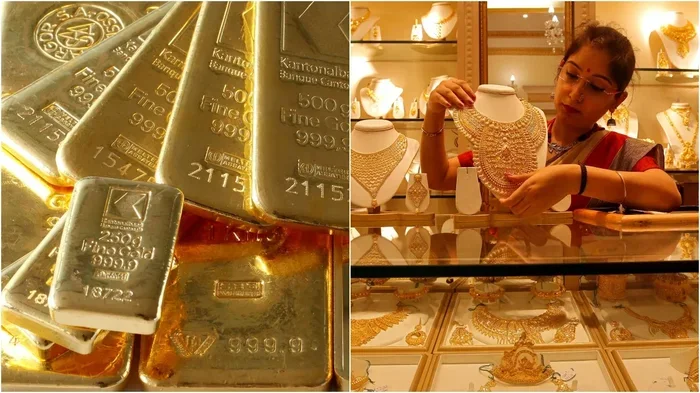
Visual guide about decaf coffee beans and potassium rich foods
Image source: resize.indiatv.in
Heart Health and Blood Pressure
One of the most well-known benefits of potassium is its support for healthy blood pressure. Potassium helps your body manage sodium levels and eases tension in blood vessel walls. A cup of decaf will not replace medical treatment or a balanced diet, but it can be a helpful piece of the puzzle. Many people enjoy coffee as part of a heart-friendly routine that includes vegetables, fruits, and whole foods.
Choosing decaf also removes the stimulant effect of caffeine. For some people, caffeine can temporarily raise blood pressure or cause palpitations. Decaf offers the flavor and the mineral contribution without that extra stimulation. This makes it a comfortable option for evenings or for anyone sensitive to caffeine.
Muscle Function and Daily Energy
Your muscles rely on potassium to contract and relax properly. Low levels can lead to cramps or fatigue, while adequate intake supports smooth daily movement. Potassium also helps your nerves fire correctly, which affects everything from digestion to coordination. A moderate boost from your morning cup can be a pleasant support for an active lifestyle.
Because decaf has less caffeine, it does not interfere with sleep for most people. Better sleep supports muscle recovery and overall energy. This creates a gentle cycle: you enjoy a calming cup, sleep more soundly, and wake up ready for the day.
Digestive Comfort and Antioxidant Support
Coffee stimulates gastric acid production, which can aid digestion for some people. Decaf provides a milder version of this effect. If regular coffee feels too harsh on your stomach, decaf may feel gentler while still offering antioxidants. These compounds help protect cells from damage and support a healthy inflammatory balance.
Many people also appreciate the ritual of a warm cup without the buzz. That sense of comfort matters more than we often admit. Stress management, hydration, and routine all contribute to wellness. Decaf fits neatly into that bigger picture.
Who Should Watch Their Potassium Intake?
For most healthy adults, the potassium in decaf coffee is a mild benefit. However, some people need to pay closer attention. If you have kidney disease or a condition that affects how your body handles minerals, your doctor may recommend limiting potassium. In those cases, even moderate sources add up.
Certain medications can also change potassium balance. Some blood pressure medications, for example, may increase potassium levels. If you take prescription drugs, it is wise to review your diet with a healthcare professional. They can tell you how much potassium is safe for you and whether decaf coffee fits your plan.
Practical Guidance for Sensitive Groups
If you need to monitor potassium, focus on the total picture rather than one cup. Track your portions, note your other food sources, and keep your intake consistent. Here are a few simple steps.
- Choose smaller servings if you want to enjoy the flavor without a larger mineral load.
- Ask your care team about safe daily targets tailored to your health status.
- Read labels on packaged coffee drinks, since some ready-to-drink options include added minerals or milk.
- Keep a simple log of your daily foods to avoid accidental overconsumption.
Key Takeaways for Health Considerations
- Most healthy adults can enjoy decaf coffee without worrying about potassium.
- People with kidney issues or specific medications should check with a professional first.
- Smaller cups and consistent habits make tracking easier.
- Decaf can be part of a balanced routine when paired with whole foods.
Best Ways to Enjoy Decaf for Maximum Benefit
If you want to make the most of your cup, a few simple habits help. You do not need fancy gear or complicated recipes. Small adjustments can improve flavor, nutrient extraction, and overall enjoyment.
Choose Quality Beans and a Good Roast
Start with fresh, high-quality decaf beans. Look for beans decaffeinated with the Swiss Water Process or CO2 method if you care about preserving natural compounds. These methods use water or carbon dioxide rather than chemical solvents, and many coffee lovers prefer the taste. A medium or light roast often keeps more minerals and offers a brighter flavor profile.
Optimize Your Brew for Flavor and Minerals
Use clean, fresh water and a consistent ratio. A common starting point is about 1 gram of coffee for every 15 to 16 grams of water. Adjust to taste. Grind your beans just before brewing for the best flavor. If you use a drip machine, keep it clean so old oils do not affect the taste. If you use a French press, let the coffee steep for about four minutes before pressing.
Temperature matters too. Water that is around 195 to 205 degrees Fahrenheit extracts well without pulling excessive bitterness. This range helps you get a smooth cup with a decent mineral content. If your water is too cool, extraction slows down. If it is too hot, you may get harsh flavors.
Pair Decaf with Potassium-Rich Foods
One of the easiest ways to boost your intake is to enjoy your cup alongside foods that naturally contain potassium. This creates a balanced snack or breakfast that feels satisfying and nourishing.
- A banana with your morning decaf adds about 420 mg of potassium.
- A bowl of oatmeal with sliced strawberries brings fiber and minerals together.
- Yogurt with a handful of almonds offers protein and a modest mineral boost.
- Spinach or avocado toast gives you a savory option with added potassium and healthy fats.
These combinations turn a simple drink into a more complete moment of nourishment. You also avoid relying on coffee alone to meet your needs. Balance is the real goal.
Quick Tip: Build a Simple Daily Routine
Keep your brewing method, bean choice, and serving size consistent. Consistency makes it easier to estimate your intake and enjoy the same comforting taste every day. Small routines often become the habits that stick.
Conclusion
So, does decaf coffee have potassium? Yes, it does. A typical cup provides a helpful amount that contributes to your daily mineral intake. While regular coffee may have slightly more, the difference is usually small, and decaf still offers real value. The exact number in your mug depends on your beans, roast, brew method, and serving size, but the baseline remains solid.
Potassium supports heart health, muscle function, nerve signaling, and fluid balance. Decaf coffee delivers a gentle dose without the stimulation of caffeine, which makes it a comfortable choice for many people. If you have kidney concerns or take medications that affect potassium, check with your healthcare provider to set safe limits. For most healthy adults, decaf fits nicely into a balanced diet.
The best approach is simple. Choose quality beans, brew with care, and enjoy your cup alongside nourishing foods. Keep your habits consistent, and let your coffee be part of a bigger picture that includes fruits, vegetables, whole grains, and hydration. That way, your daily cup does more than taste good. It quietly supports the life you want to live.
Frequently Asked Questions
Does decaf coffee have more potassium than regular coffee?
No, decaf coffee usually has slightly less potassium than regular coffee, but the difference is modest. Both types provide a meaningful amount per cup, and bean variety and brewing method often matter more than caffeine content.
How much potassium is in a cup of decaf coffee?
An 8-ounce cup of decaf coffee typically contains about 100 to 200 milligrams of potassium. The exact amount varies based on the bean, roast, grind, and brewing style you use.
Does the decaffeination process remove potassium?
The decaffeination process mainly targets caffeine, not minerals. Some water-soluble minerals may shift slightly during processing, but the overall potassium content remains largely intact in the final beans.
Is decaf coffee good for people with high blood pressure?
Decaf can be a sensible choice for many people with high blood pressure because it provides potassium and antioxidants without caffeine stimulation. However, anyone with a medical condition should discuss their diet and beverage habits with a healthcare professional.
Can I rely on decaf coffee to meet my daily potassium needs?
No, decaf coffee should not be your main source of potassium. It helps, but you still need potassium-rich foods like fruits, vegetables, legumes, and dairy or plant-based alternatives to reach your daily target.
Does adding milk or cream change the potassium in my decaf coffee?
Yes, milk and many plant-based alternatives add their own potassium, which increases the total for your whole drink. A simple splash of milk can raise the mineral content a bit, so the final cup is slightly more nutrient-dense than black decaf.



